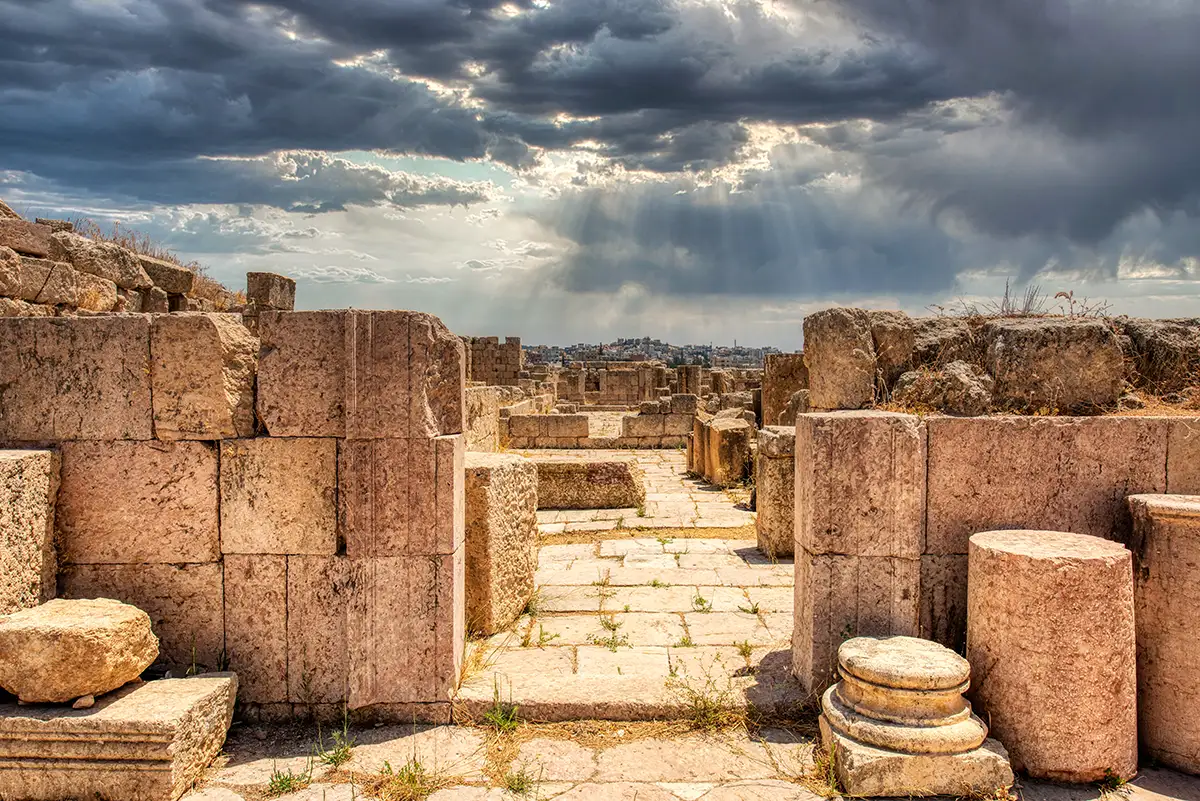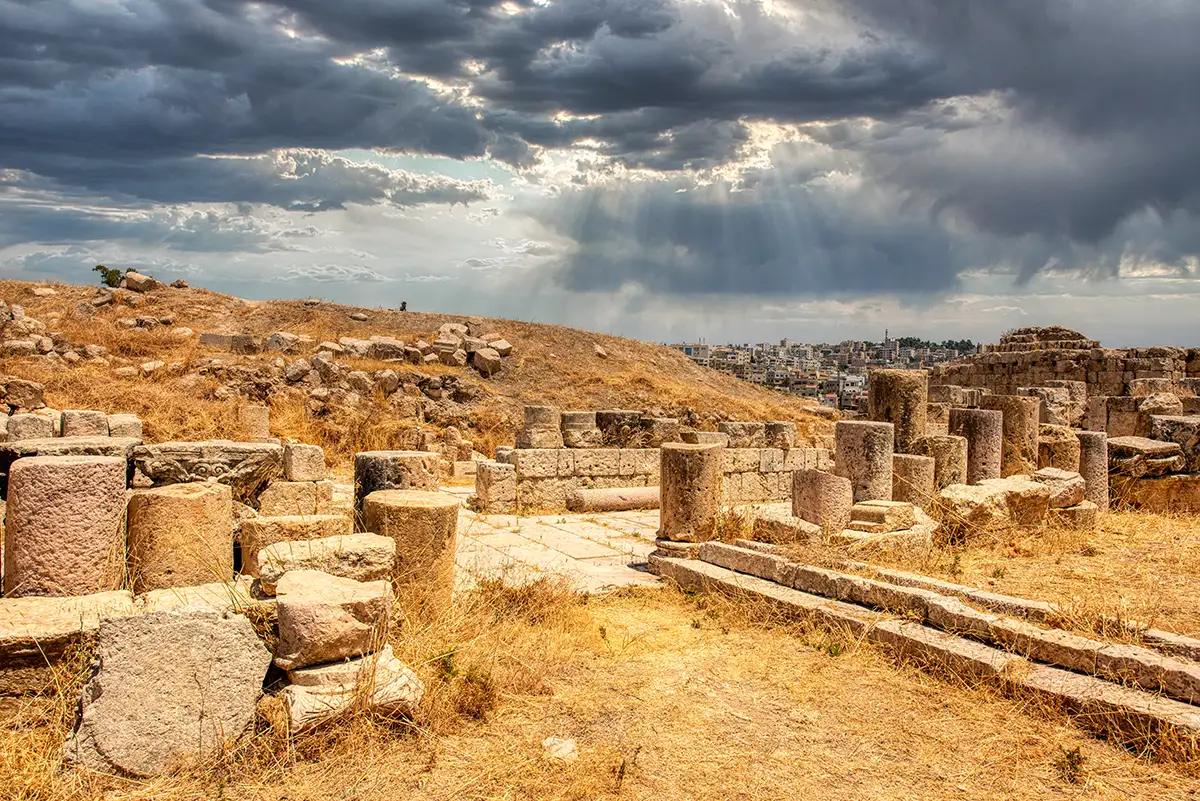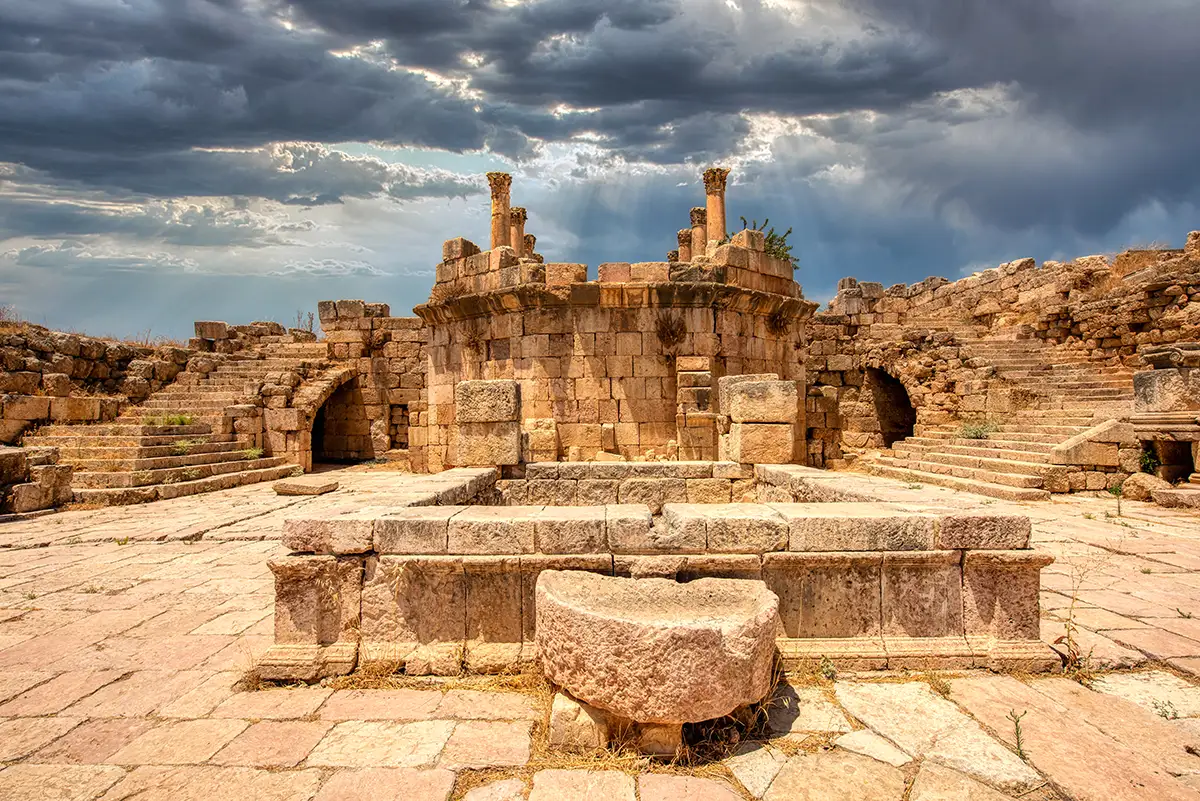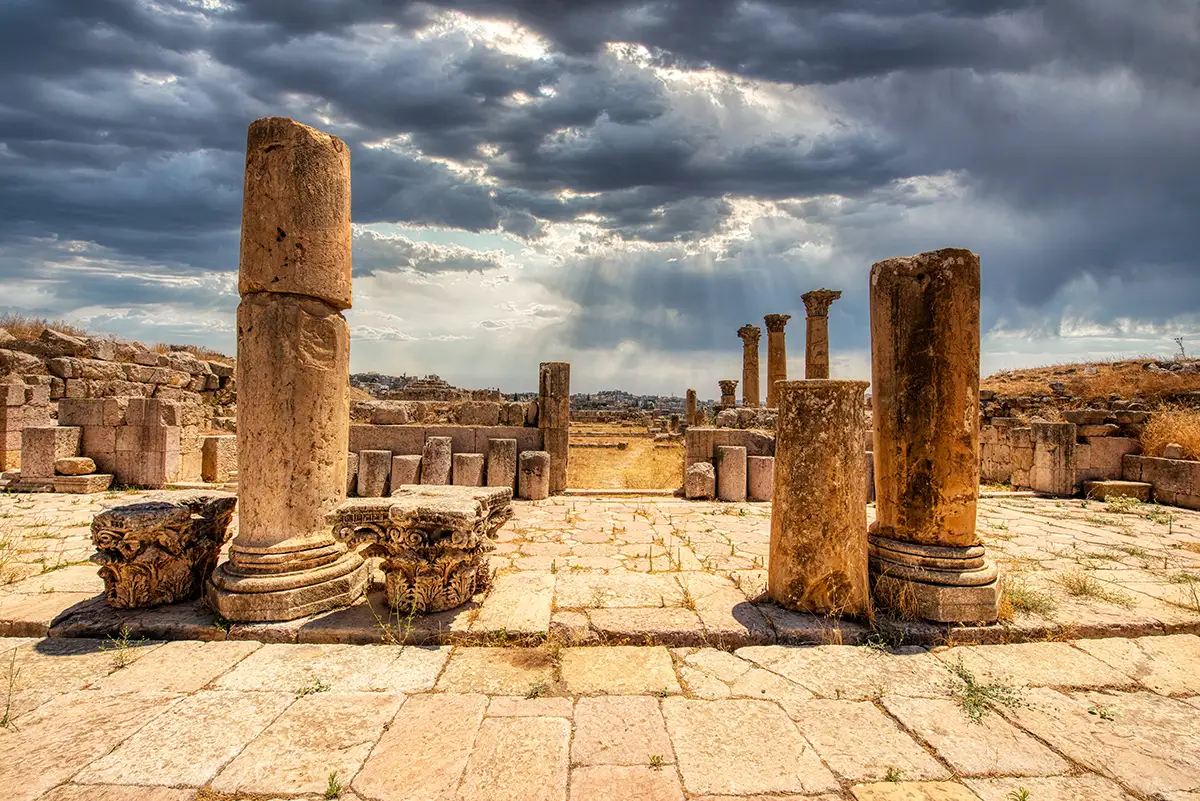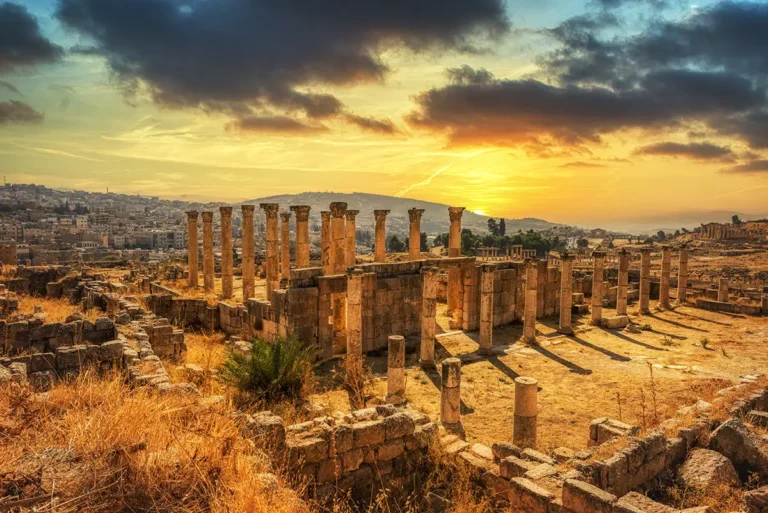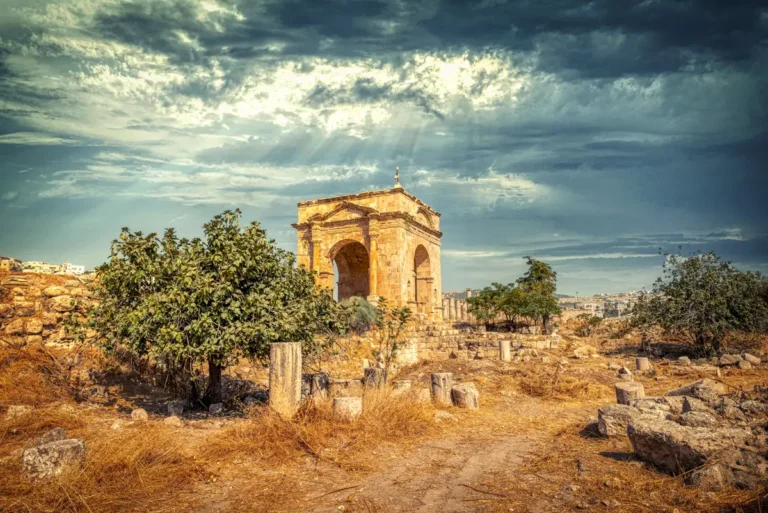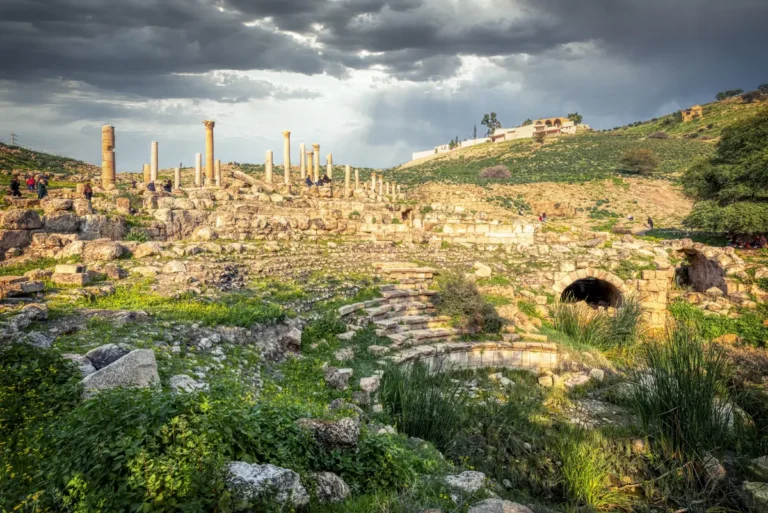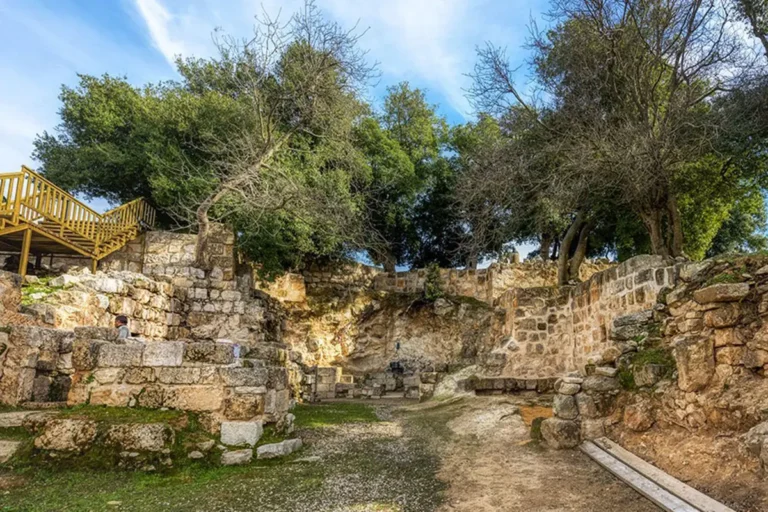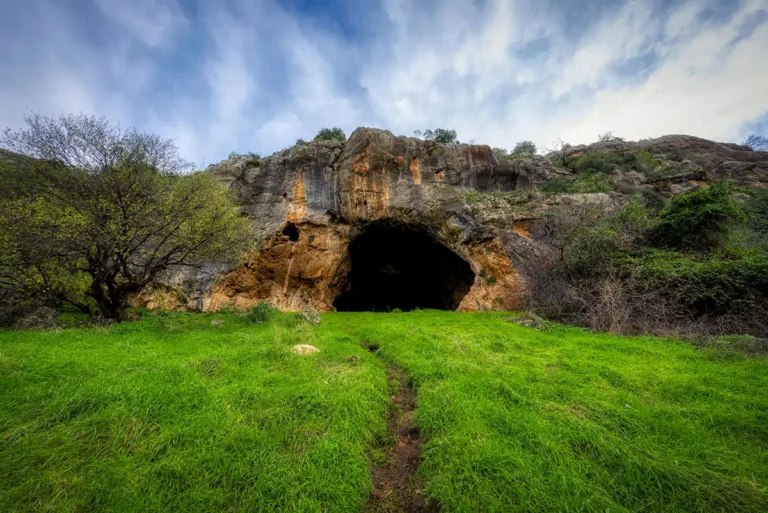
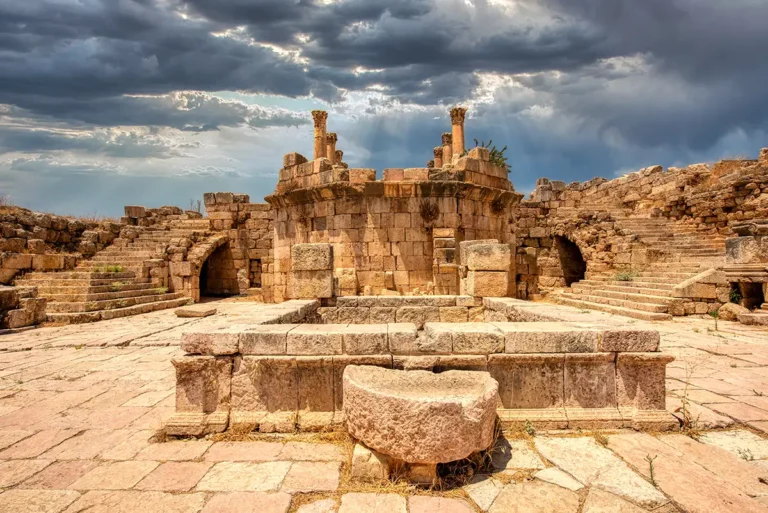
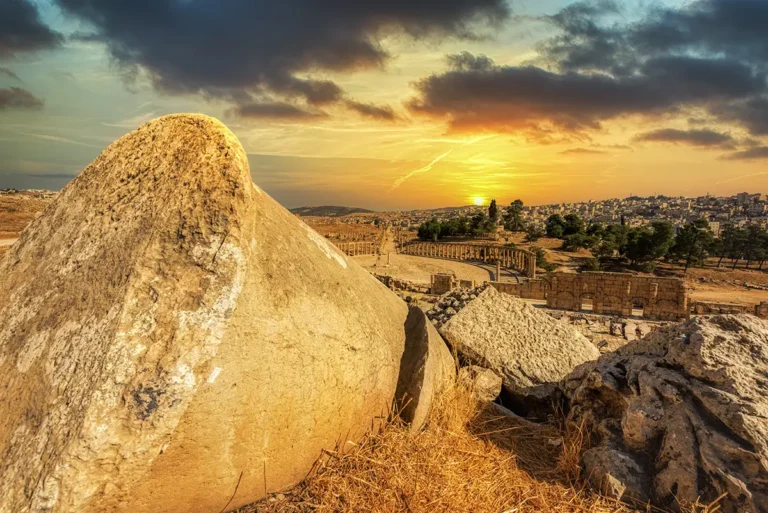
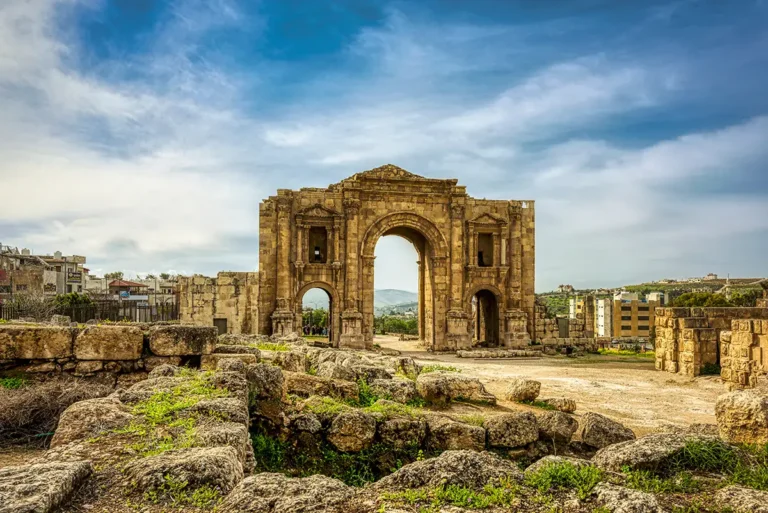
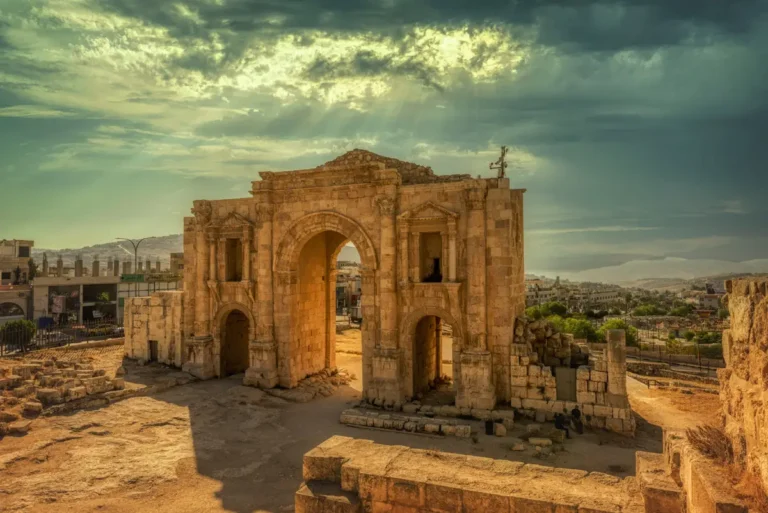

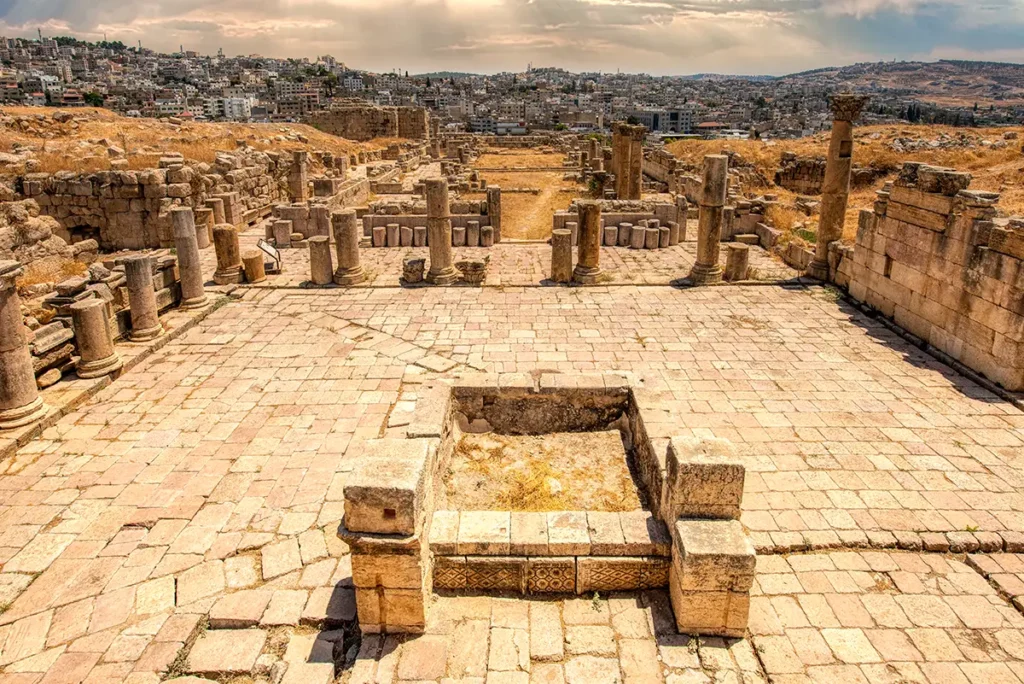
The Cathedral stands at the heart of Jerash’s Christian quarter, just above the Cardo and close to the Sanctuary of Artemis. Built over a Roman temple and partly from its stones, this large basilica is one of the earliest churches in the city — a building that shows, in stone, how Roman Gerasa became a Christian city.
Where Is the Cathedral?
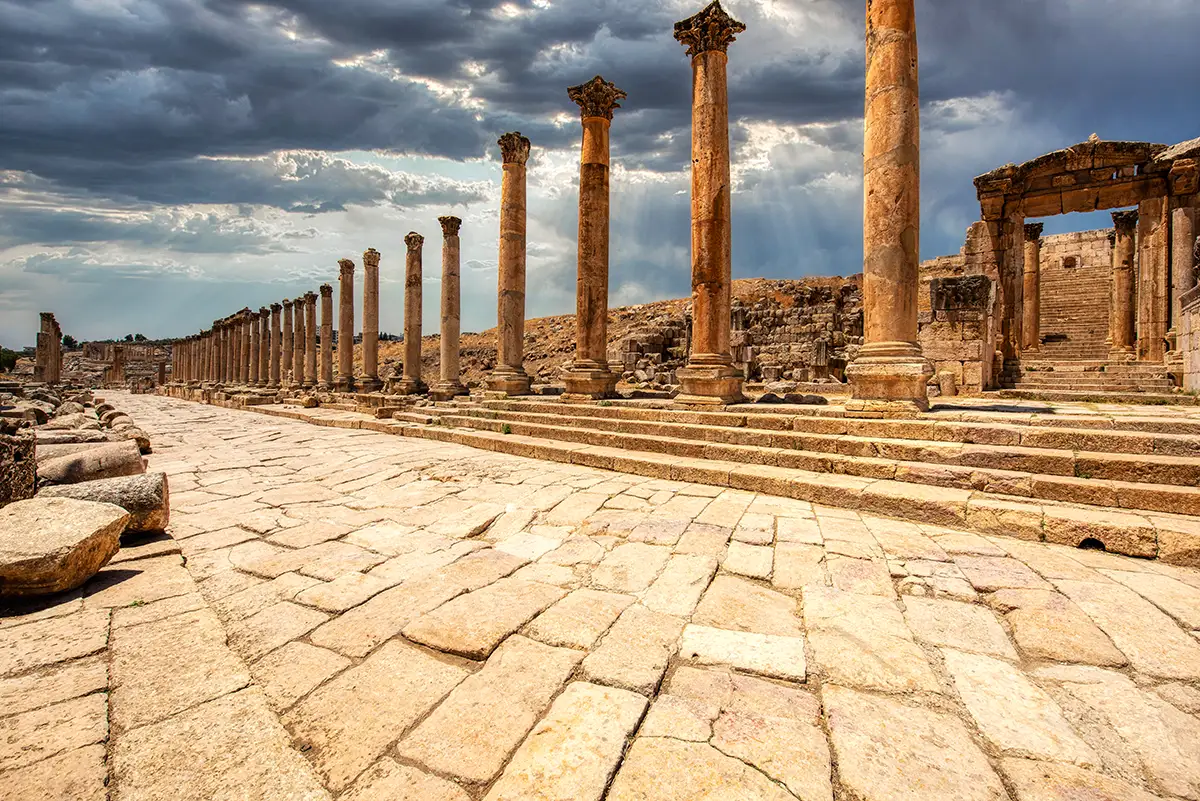
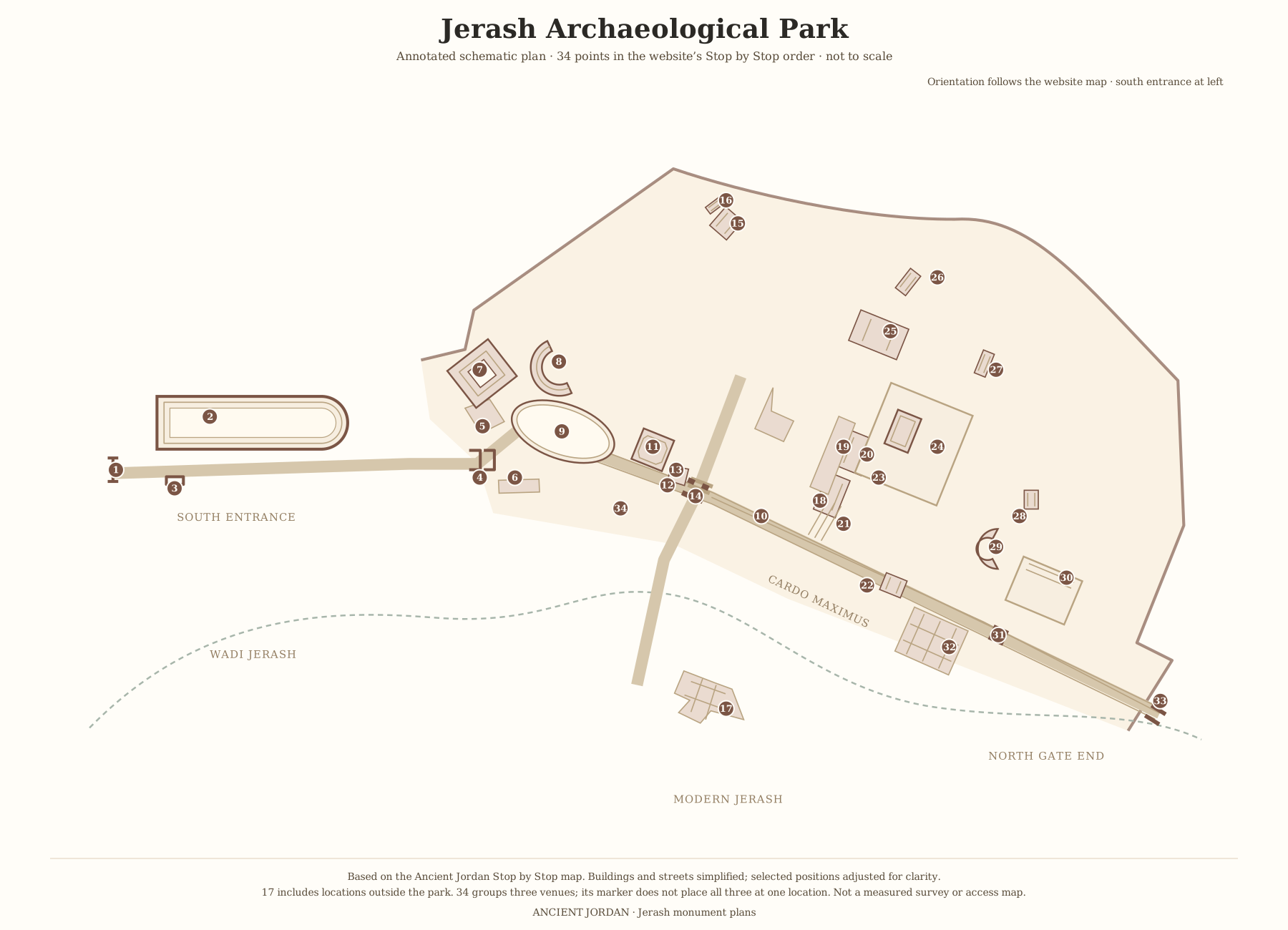
The Cathedral lies just west of the Cardo Maximus, between the Macellum and the Nymphaeum, and below the great Sanctuary of Artemis. A monumental stairway leads up to it from the street, and the Fountain Court connects it with the Church of St Theodore behind.
Walking north along the Cardo, it is a natural stop before you continue to the Nymphaeum and the Artemis propylaeum.
Historical Context and Origin
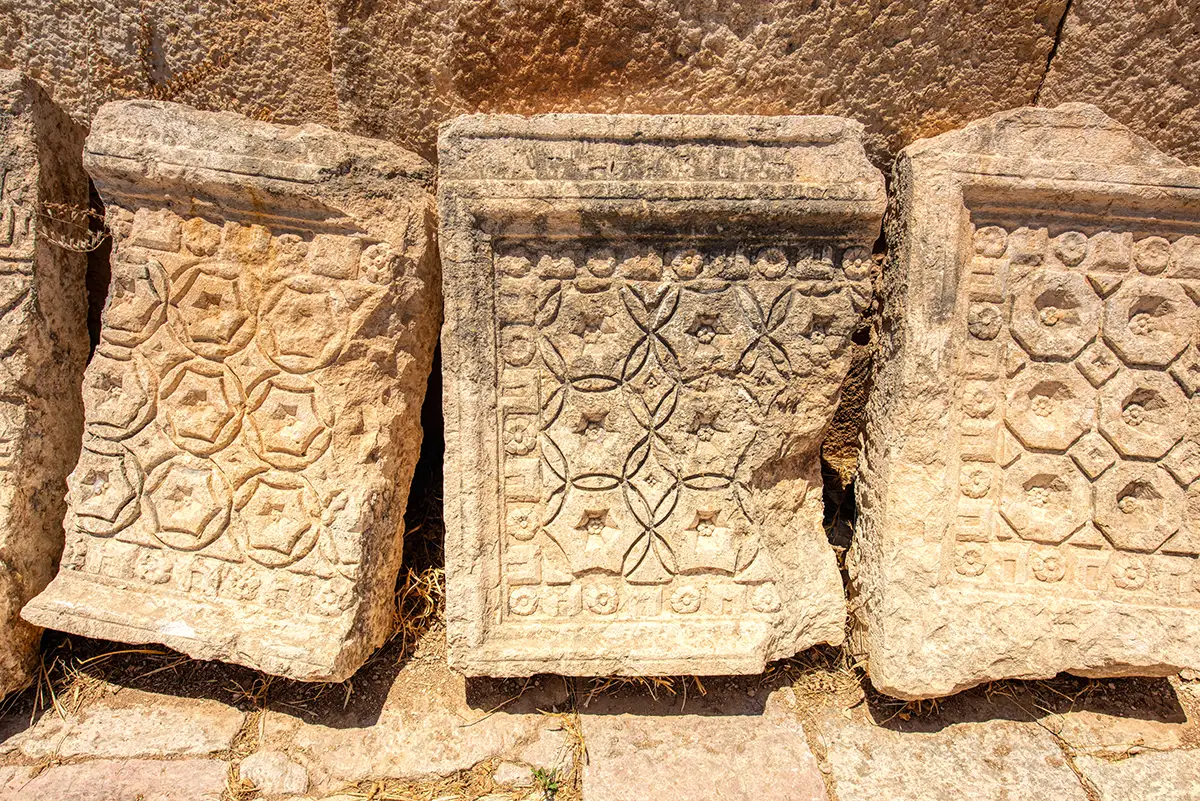
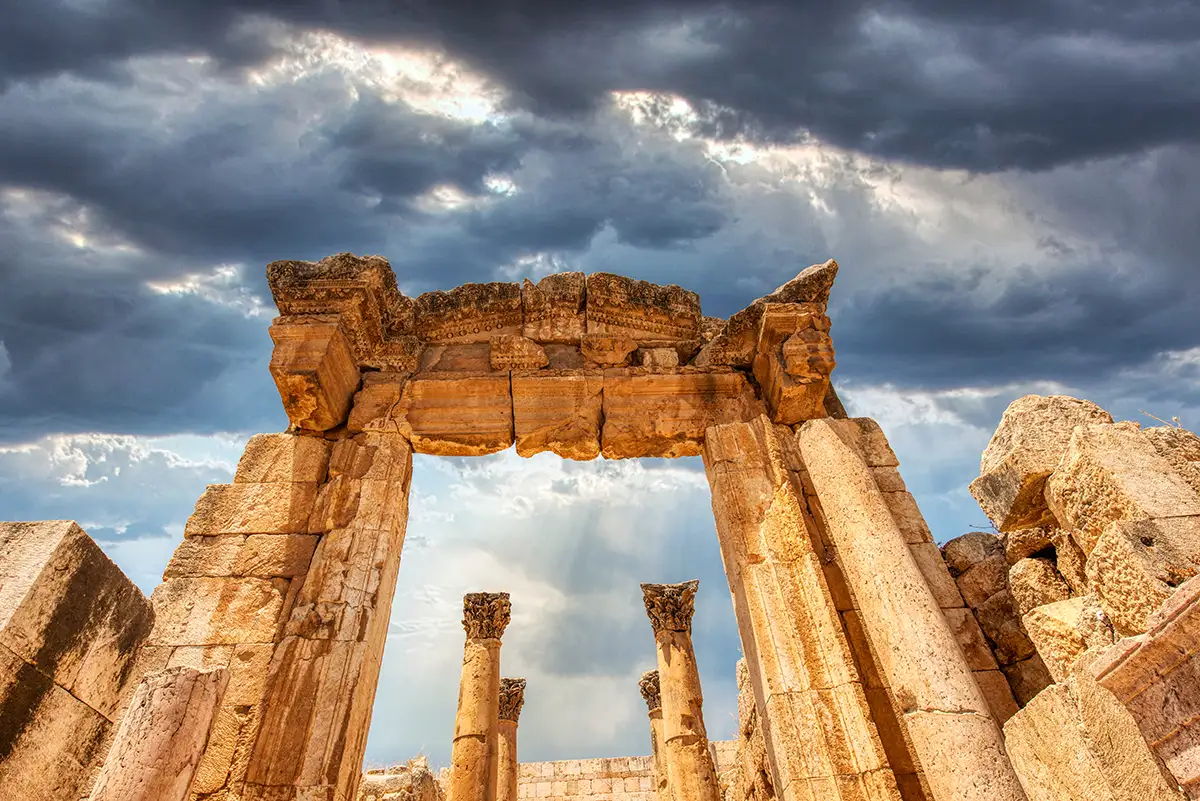
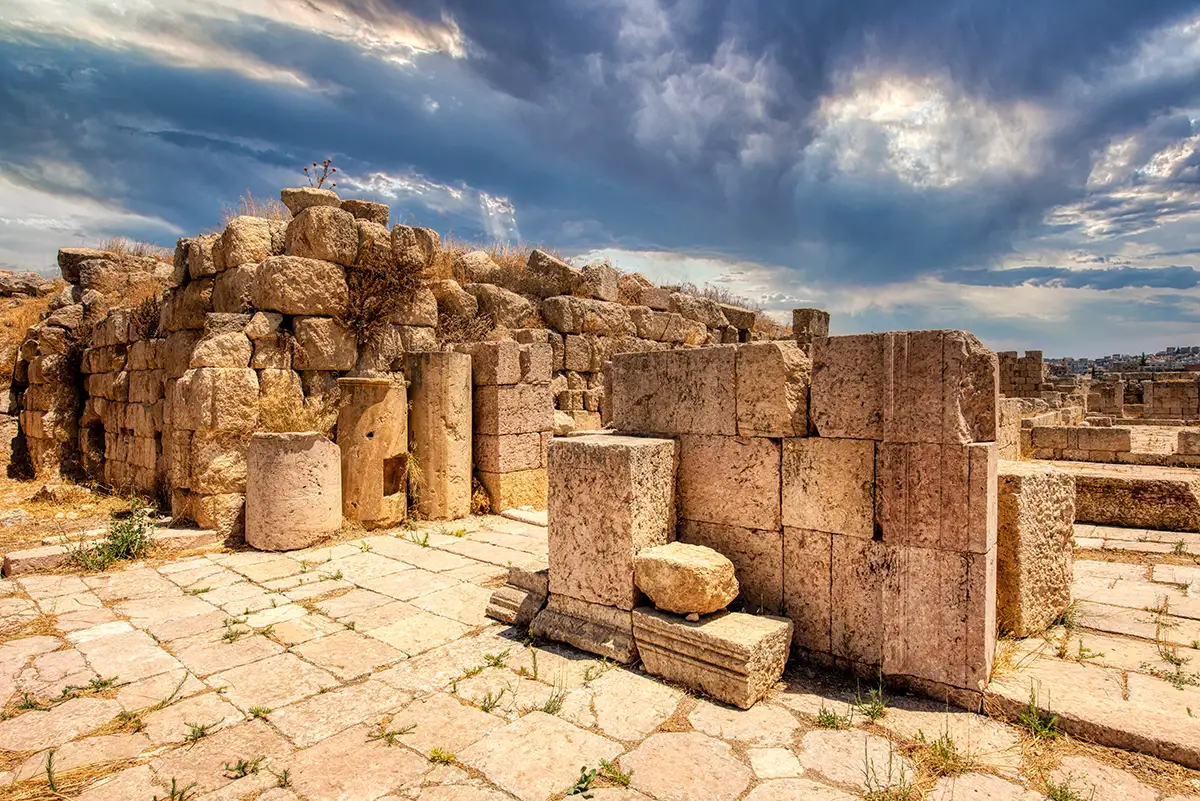
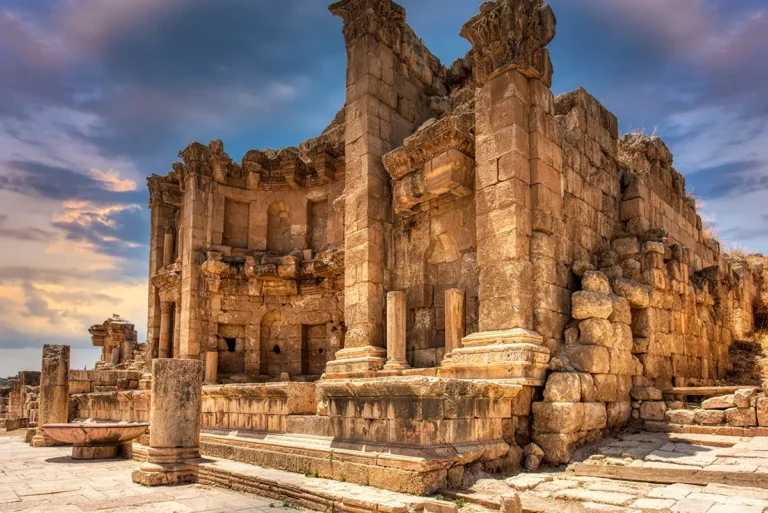
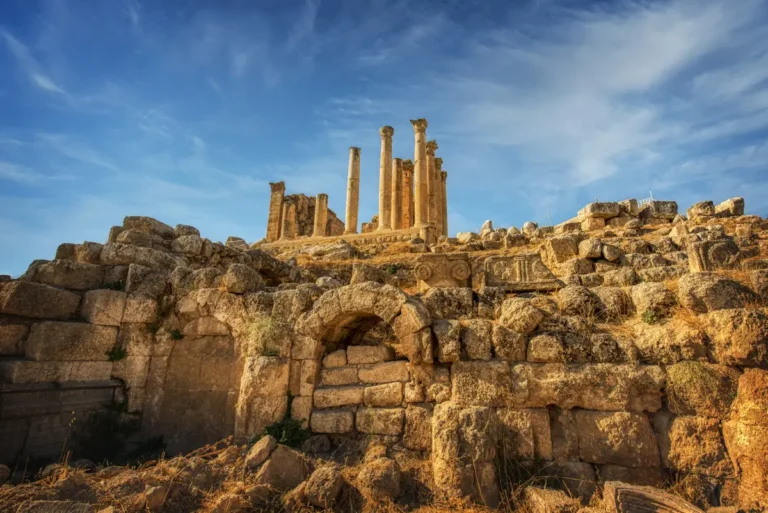
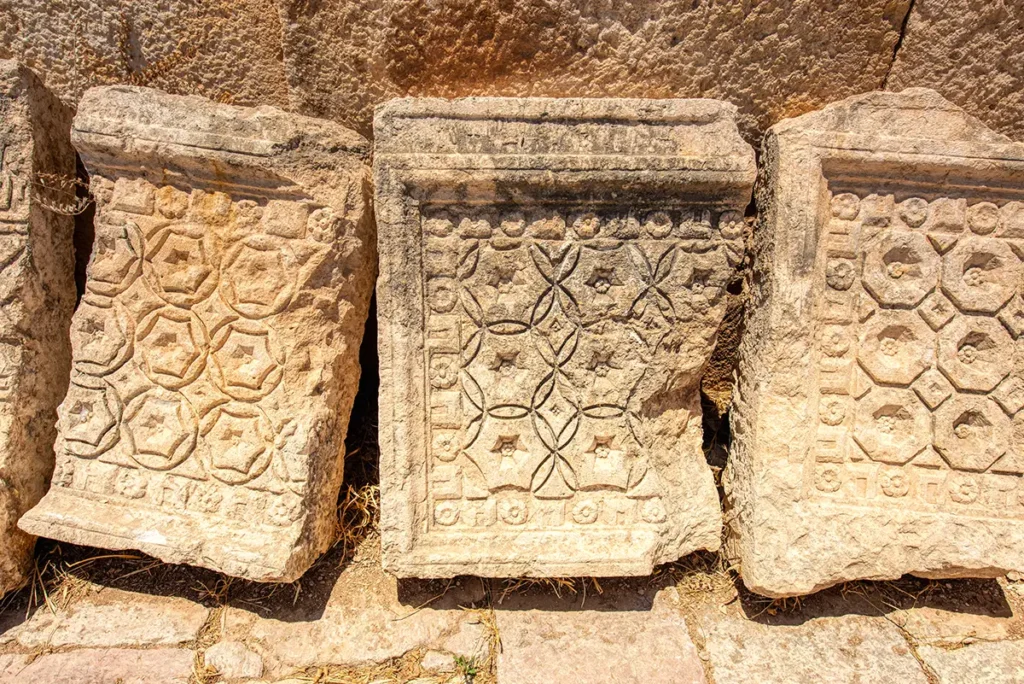
In the Roman period a temple stood here, traditionally linked with Dionysus. In the late 4th or 5th century AD a large three-aisled church rose over its remains; the exact date is still debated. Its builders reused columns, capitals and carved blocks from older monuments, including the Temple of Zeus — turning the stones of Roman worship into a Christian church.
In the 5th and 6th centuries churches and courtyards grew up around it, forming Jerash’s Christian quarter. The name “Cathedral” was given by early excavators: the church’s original dedication, and whether it was a bishop’s seat, are not known for certain.
Architectural Design
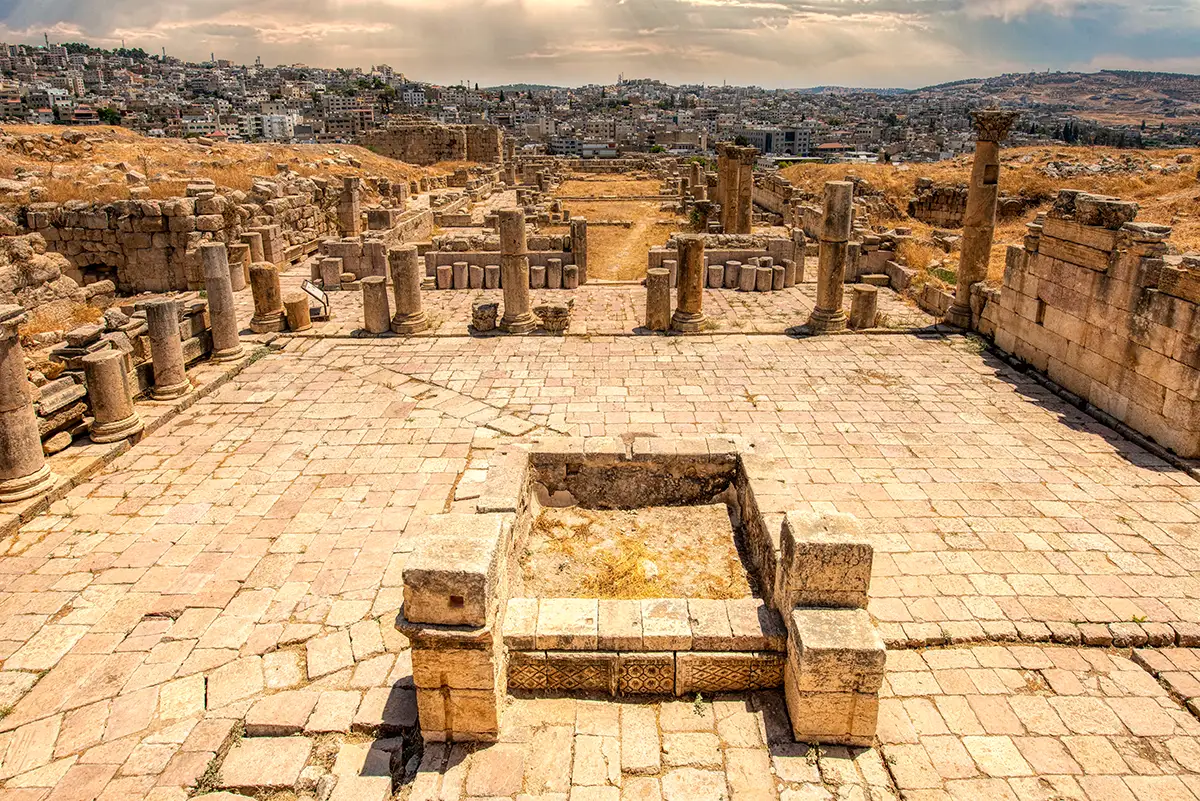
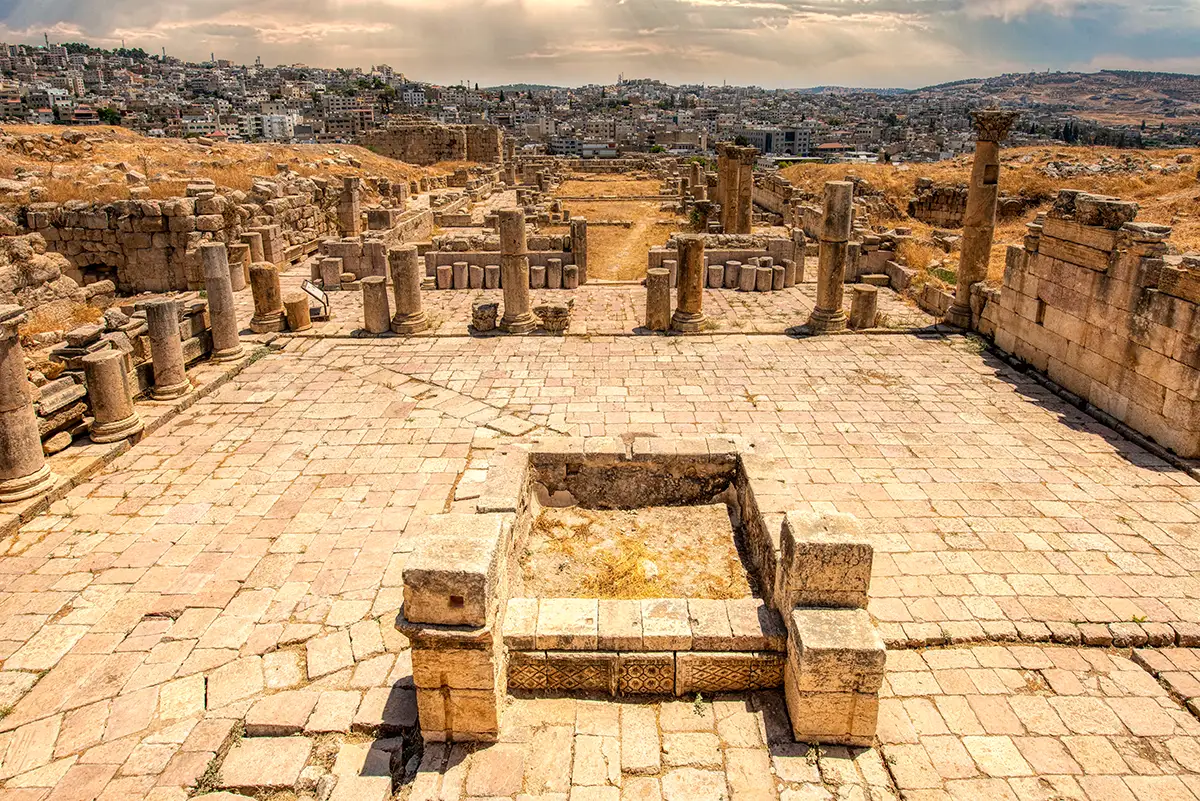
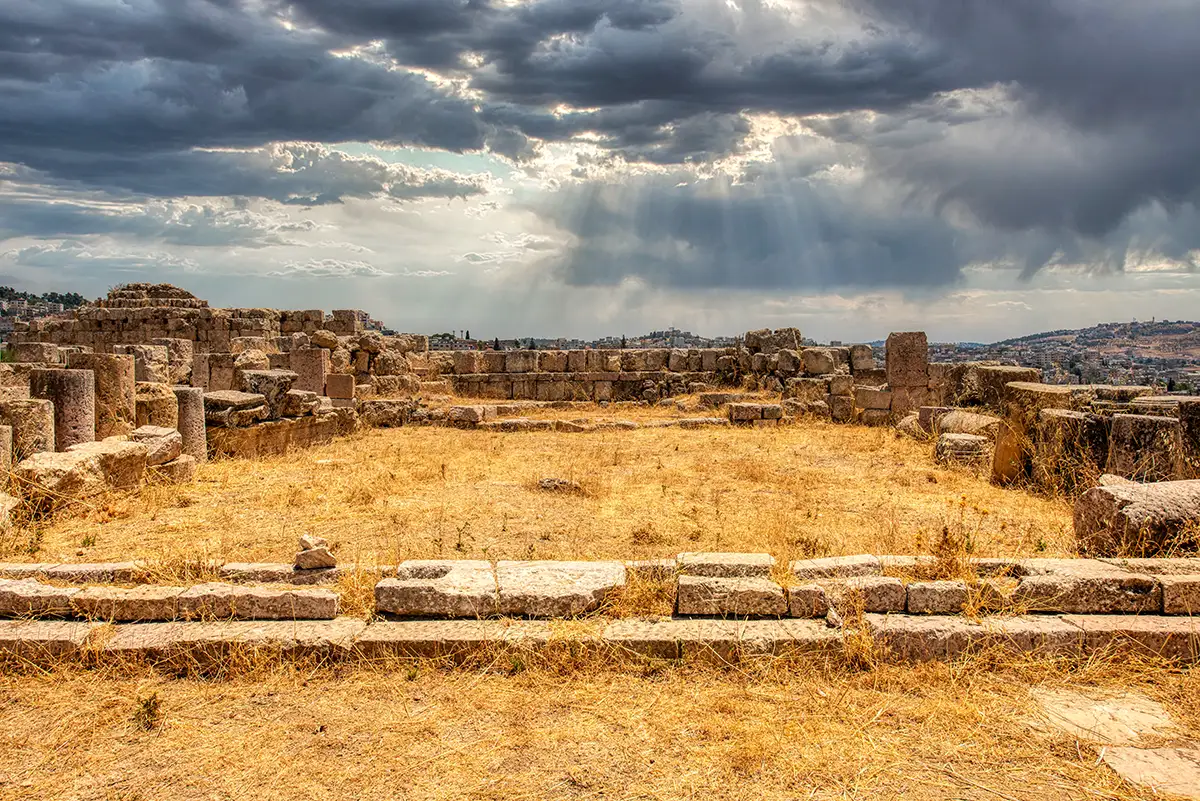
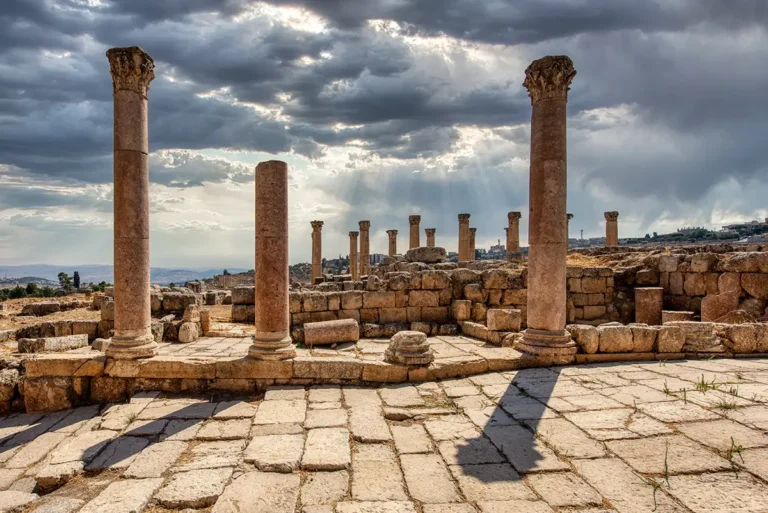
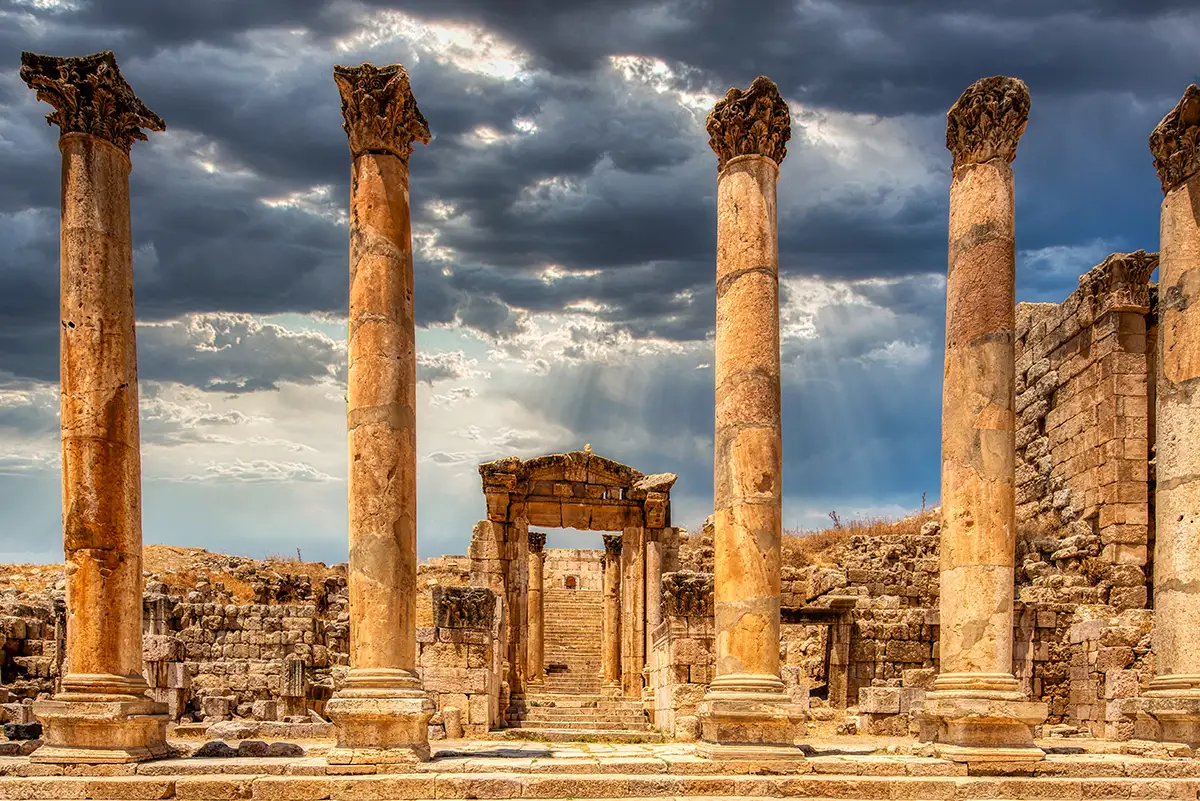
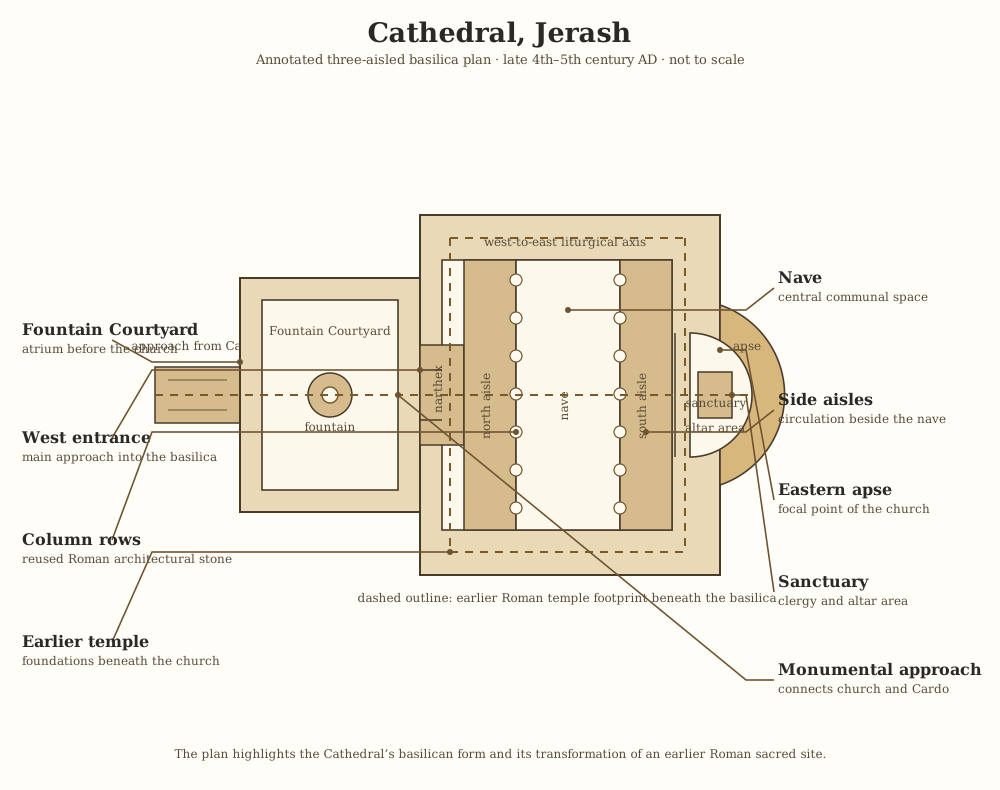
The complex extends some 163 metres from the Cardo through the stairway, the Fountain Court and the church. Inside, two rows of columns divided the basilica into a central nave and two aisles, leading to the apse at the east, where the altar and clergy stood. Several entrances, besides the main west door, connected it with the surrounding courts and streets. Small holes in the columns and walls probably held decorative panels and fittings — the bare stone seen today is only the skeleton of a much richer interior.
The Monumental Stairway
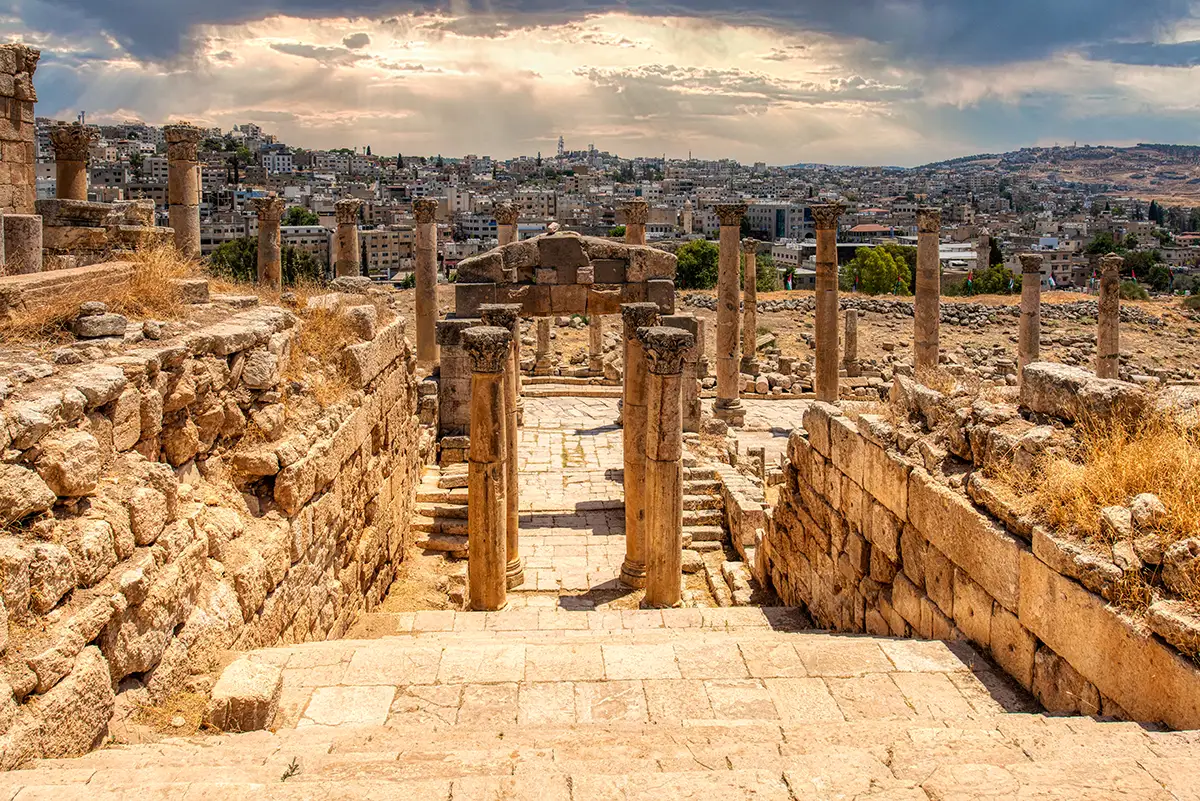
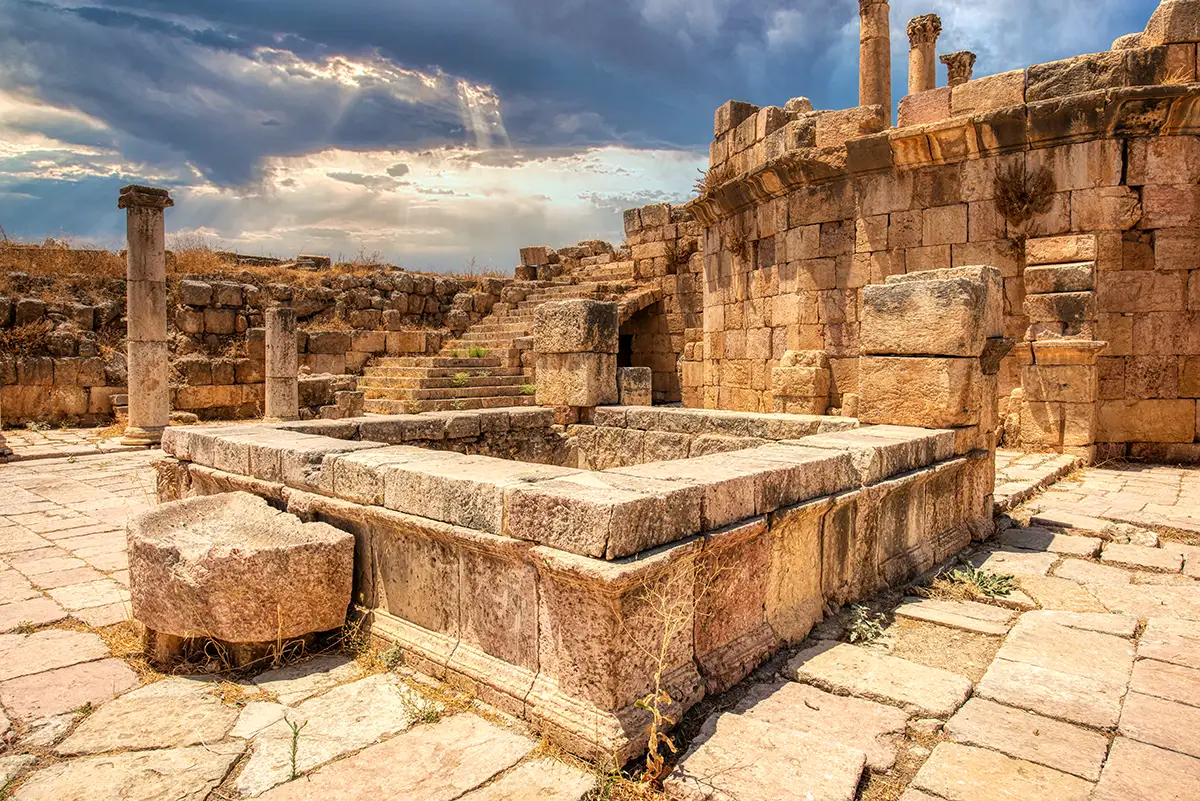
A colonnaded staircase rises from the Cardo, turning the approach from street to church into a ceremonial ascent.
The Fountain Court
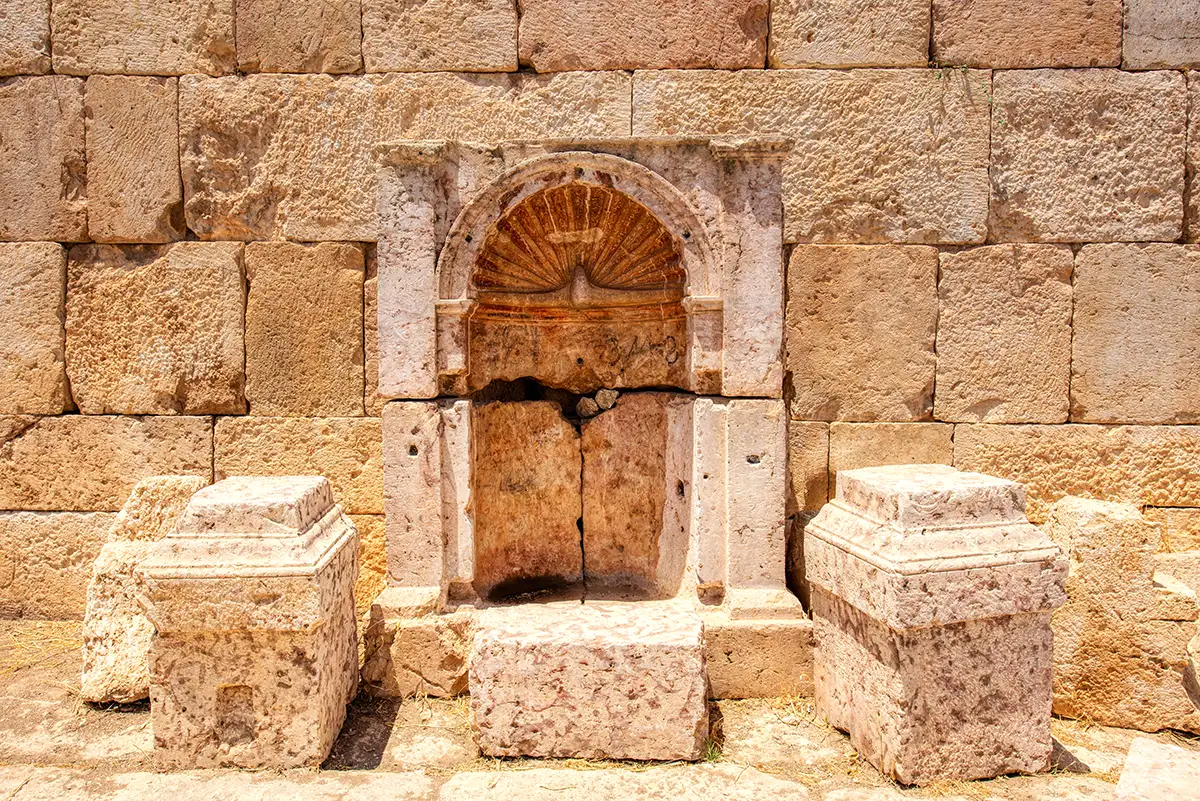
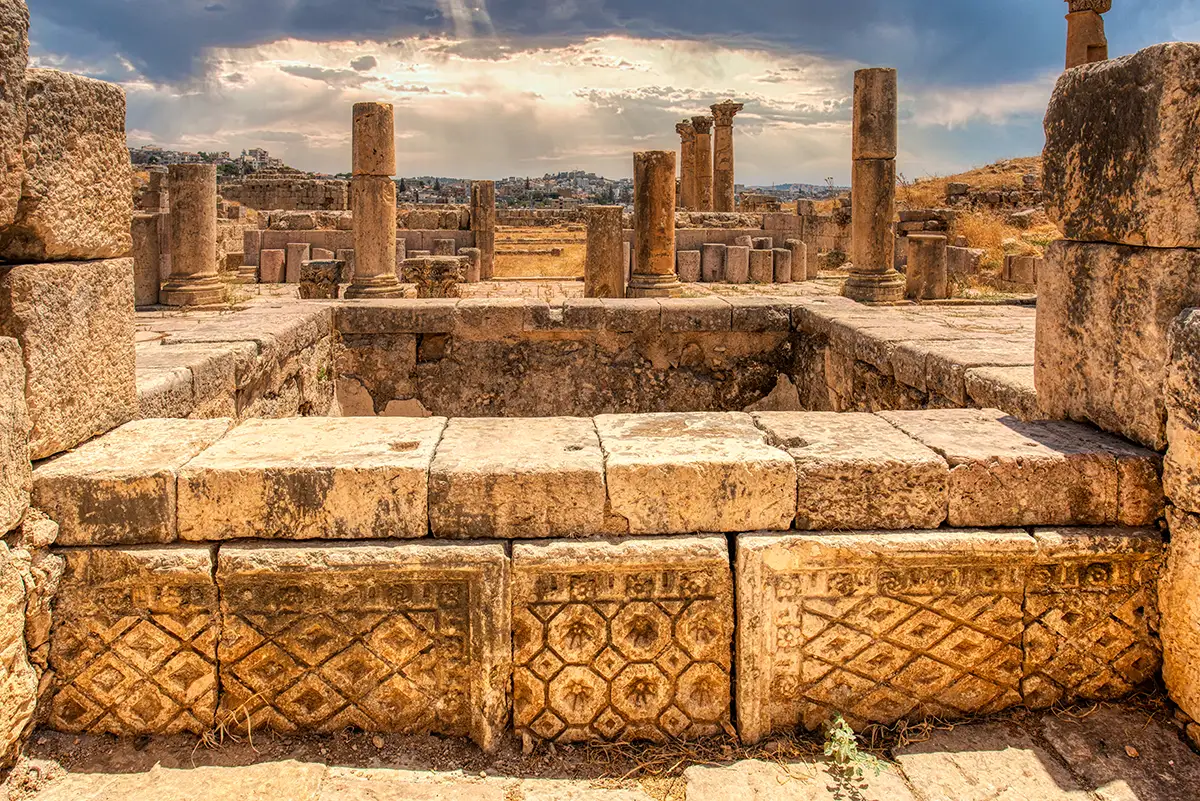
The atrium with its fountain lies before the west entrance, between the Cathedral and the Church of St Theodore.
Nave, Aisles and Apse
Two rows of columns divide the basilica into three aisles, leading to the semicircular apse at the east.
Reused Roman Stone
Columns, capitals and carved blocks from earlier monuments, including the Temple of Zeus, were built into the church.
Destruction, Rediscovery, and Restoration
In the 7th and 8th centuries the complex was adapted and gradually lost its original role, and the earthquake of AD 749 damaged the Cathedral and its neighbours. In modern times excavation and conservation brought back the plan of the church and its Fountain Court, and research continues to refine its date and identity.
Visiting the Cathedral Today
Approach from the Cardo and climb the stairway, so you experience the intended passage from street to courtyard and church. Trace the nave and aisles to the apse, and look for reused Roman pieces and the small attachment holes in the stone.
Allow about 20 minutes, or longer if you continue to the Church of St Theodore and the Sanctuary of Artemis. The ground is uneven, so wear shoes with good grip.