












Collection guide · Nabataean Kingdom
Jordan’s Nabataean Temples
Petra and the sanctuaries the Nabataeans built across southern Jordan, from the hilltop shrine of Khirbet et-Tannur to the Temple of Allat in Wadi Rum.
6Sites
2UNESCO sites
4No 4x4 needed
1On the Jordan Pass
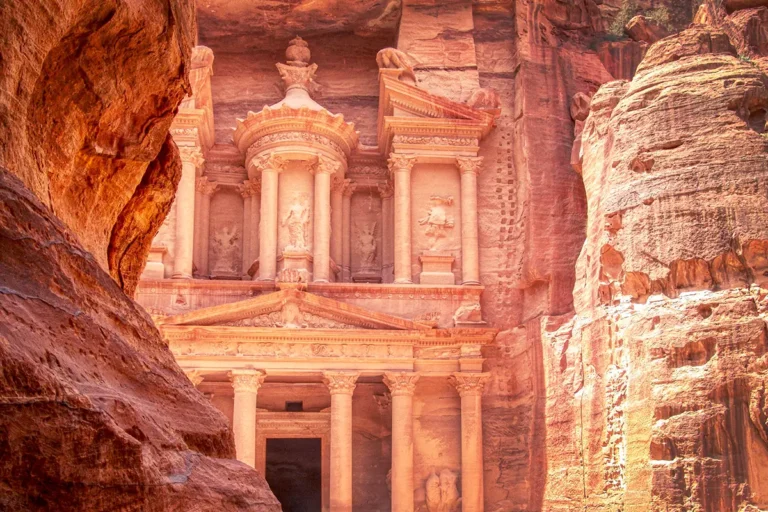
Petra · Photo by Alex Bezrukov
The story
Temples of a trading kingdom
The Nabataeans first appear in history in 312 BC. From their capital at Petra they ruled a kingdom across what is now southern Jordan, and it reached its height under King Aretas IV (9 BC–AD 40).
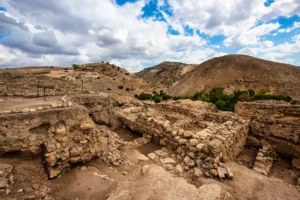
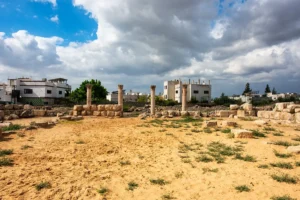
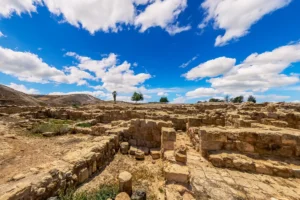
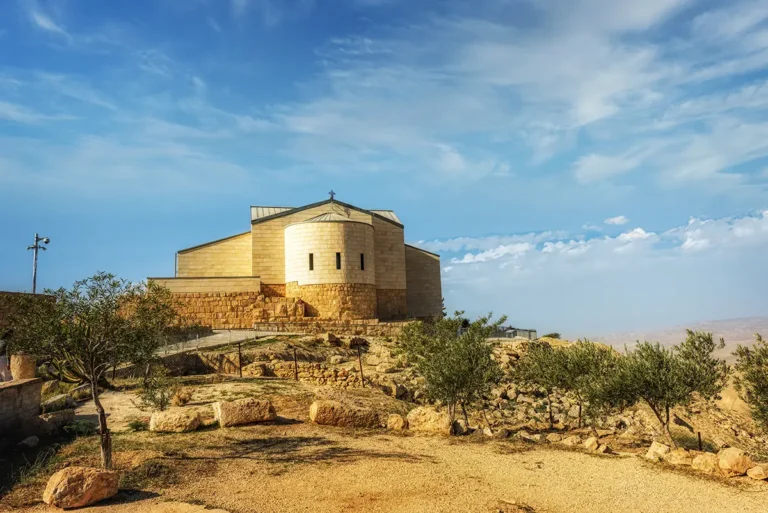
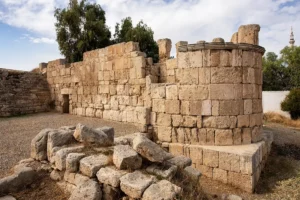
Their gods were worshipped in the temples of Petra and in sanctuaries out in the country. At Khirbet et-Tannur pilgrims climbed to a hilltop altar for more than four centuries, from the 2nd century BC. At Khirbet edh-Dharih a village grew around a sanctuary in a spring-fed valley, and in Wadi Rum a temple of the goddess Allat stood at the foot of Jebel Rum.
Rome annexed the kingdom in AD 106, but the sanctuaries stayed in use. Dharih had been rebuilt on a grand scale around AD 100, and a Roman governor dedicated a Latin altar at the Allat temple in the 3rd century. The earthquake of AD 363 brought down the shrine at Tannur and left Dharih abandoned.
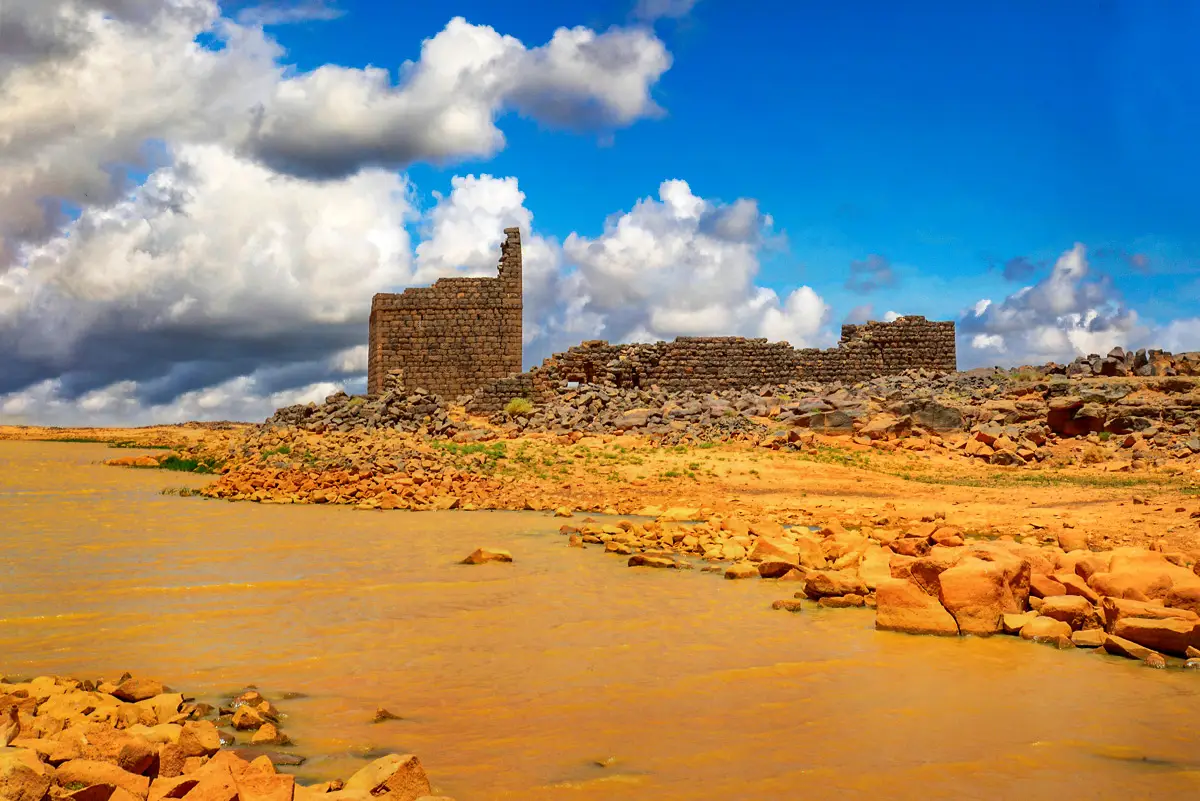
Little Petra, a canyon of halls and houses just north of the capital, shows everyday life in the kingdom and keeps a rare painted ceiling. Sela, near Tafila, was an Edomite rock fortress and later a Nabataean settlement; on its cliff is the relief of the Babylonian king Nabonidus.
At a glance
The 6 sites side by side
Time on site, ticket and road conditions, taken from each travel guide. Filter the table and the map shows the same sites.
| Site | What it is | Time | Ticket | From Amman | 4x4 |
|---|---|---|---|---|---|
| Petra UNESCO | Nabataean capital | 1–3 days | From 50 JOD Jordan Pass | 235 km · About 3 hr | No |
| Siq al-Barid (Little Petra) | Canyon of halls and houses | 1 hr | Free | 235 km · About 3 hr | No |
| Khirbet et-Tannur | Hilltop sanctuary | About 2 hr | Free | 165 km · About 2 hr | Needed |
| Khirbet edh-Dharih | Village and sanctuary | 30–40 min | Free | 170 km · About 2 hr | Needed |
| Temple of Allat in Wadi Rum UNESCO | Temple of the goddess Allat | 30 min | Wadi Rum ticket | 320 km · About 4 hr | Tour or on foot |
| Sela | Edomite fortress, Nabataean settlement | 2 hr | Free | 190 km · 2 hr 30 min | No |
Normal car4x4 needed
How to visit
Three ways to see them
Petra and Little Petra need a stay in Wadi Musa. The country sanctuaries are on the way south, and the Allat temple is in Wadi Rum.
Two or three days
Petra and Little Petra
Give Petra at least two days if you can. Little Petra is a short drive north and free to visit.
On the way south
Along the King’s Highway
Dharih and Tannur lie close together north of Tafila; Tannur needs a 30–40 minute climb. Sela is near Tafila, on the way on to Petra.
Add to a Wadi Rum stay
The Temple of Allat
The temple stands at the foot of Jebel Rum by Rum village. Private and rented cars are not allowed into Wadi Rum (your own 4x4 can enter with a paid vehicle pass), so reach it on an organised Wadi Rum tour or on foot.
Travel guides
All 6 travel guides
UNESCOJordan Pass
Travel guide
Petra
The rock-cut capital of the Nabataeans, with tombs, temples and a theatre carved into rose-coloured sandstone

Travel guide
Siq al-Barid (Little Petra)
A narrow canyon north of Petra, lined with Nabataean dining halls, houses and a rare painted ceiling
4x4
Travel guide
Khirbet et-Tannur
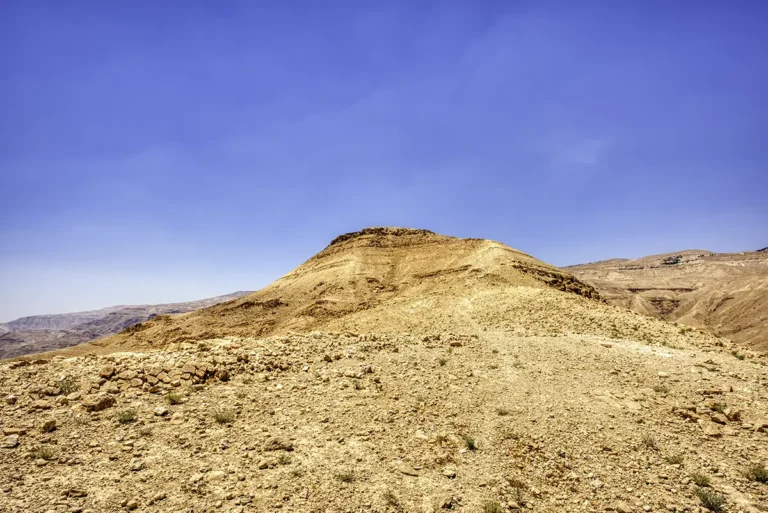
A Nabataean hilltop sanctuary above the gorge of Wadi al-Hasa, reached by a 30–40 minute climb

4x4
Travel guide
Khirbet edh-Dharih
A Nabataean village and sanctuary in a spring-fed valley beside the King’s Highway

UNESCO
Travel guide
Temple of Allat in Wadi Rum
A Nabataean temple of the goddess Allat at the foot of Jebel Rum, near Rum village

Travel guide
Sela
An Edomite rock fortress near Tafila, reached by an ancient stairway, with a Babylonian king carved on its cliff
Plan your visit
Want help planning your Nabataean trip?
Tell us when you are travelling and which sites you would like to see. We will suggest a route and a price.