- Location
12 km north of Ajloun, 77 km north of Amman
- Built
8,000 BC
- Admission Fee
Residents – FREE
Non-residents – FREE
- 4 x 4 Required
NO
- GPS
North 32° 23′ 28″
East 35° 42′ 32″
- Google Rating
Rated 5 out of 5
Nature reserveAzraq Wetland ReserveA unique oasis near the town of Azraq and its famous castle, in the heart of Jordan’s arid Eastern Desert — a vital stop for migrating birds.Read the guide →
Nature reserveDana Biosphere ReserveJordan’s largest reserve, stretching from mountain ridges down to the desert floor — with hiking trails and ancient sites along the way.Read the guide →
Nature reserveShaumari Wildlife ReserveSee the Arabian oryx brought back from the brink, take a jeep safari and support one of Jordan’s oldest conservation projects.Read the guide →
Nature reserveWadi Rum Protected AreaA World Heritage Site of sandstone mountains and red dunes — jeep tours, camel treks and stargazing under crystal-clear skies.Read the guide →
Nature reserveAjloun Forest Biosphere ReserveA leading eco-tourism destination in northern Jordan, protecting rare oak and pistachio forests and the wildlife that lives in them.Read the guide →
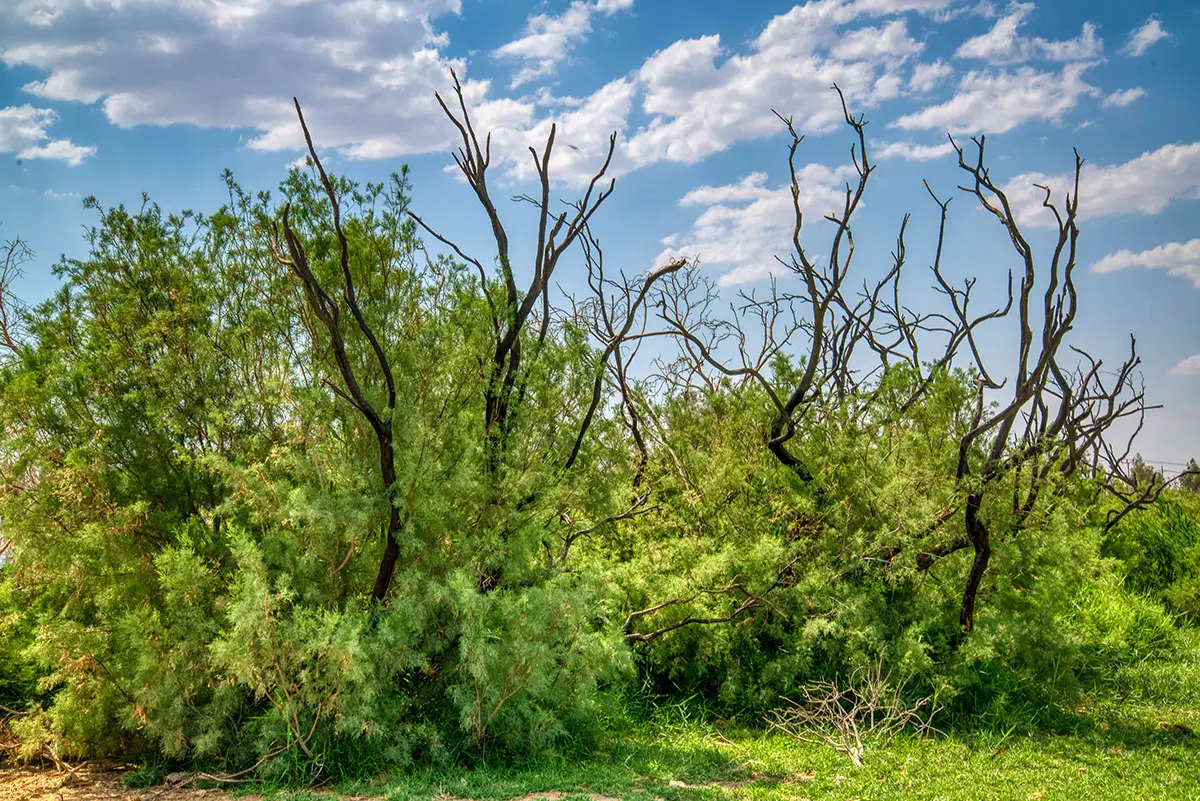
Nature reserveAzraq Wetland ReserveA unique oasis near the town of Azraq and its famous castle, in the heart of Jordan’s arid Eastern Desert — a vital stop for migrating birds.Read the guide →
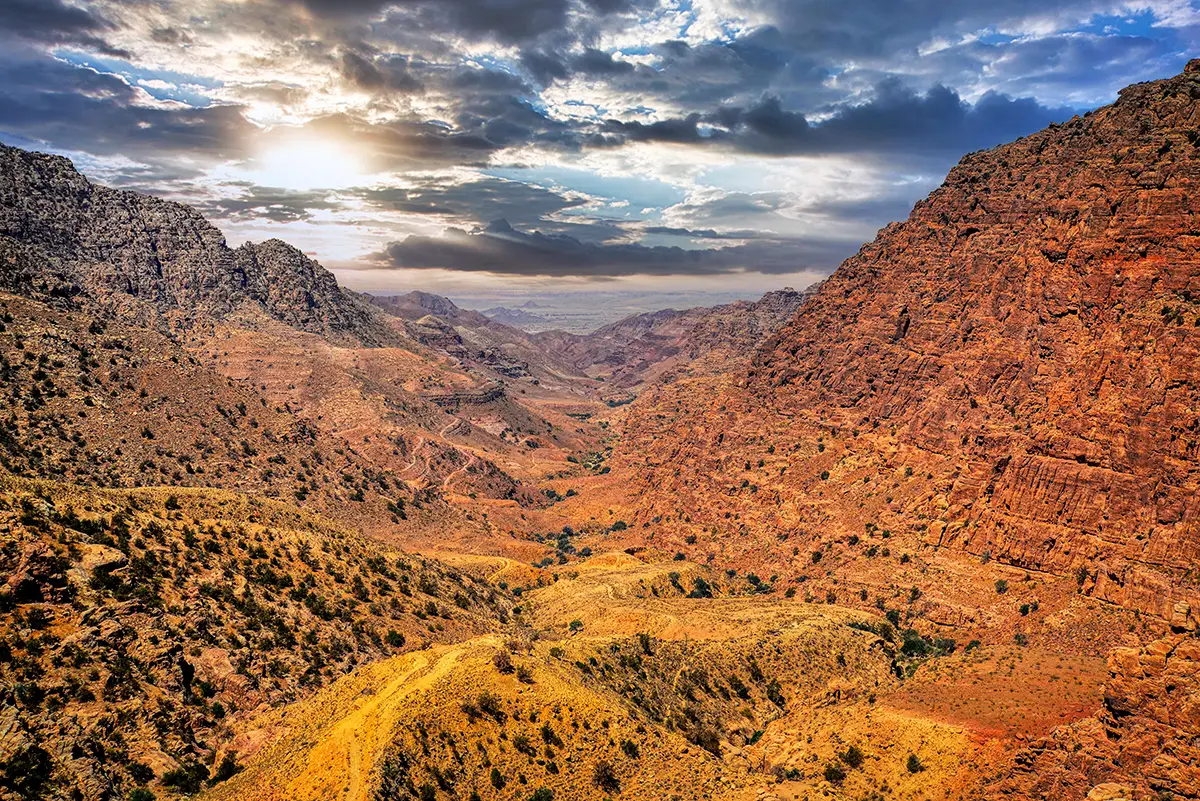
Nature reserveDana Biosphere ReserveJordan’s largest reserve, stretching from mountain ridges down to the desert floor — with hiking trails and ancient sites along the way.Read the guide →
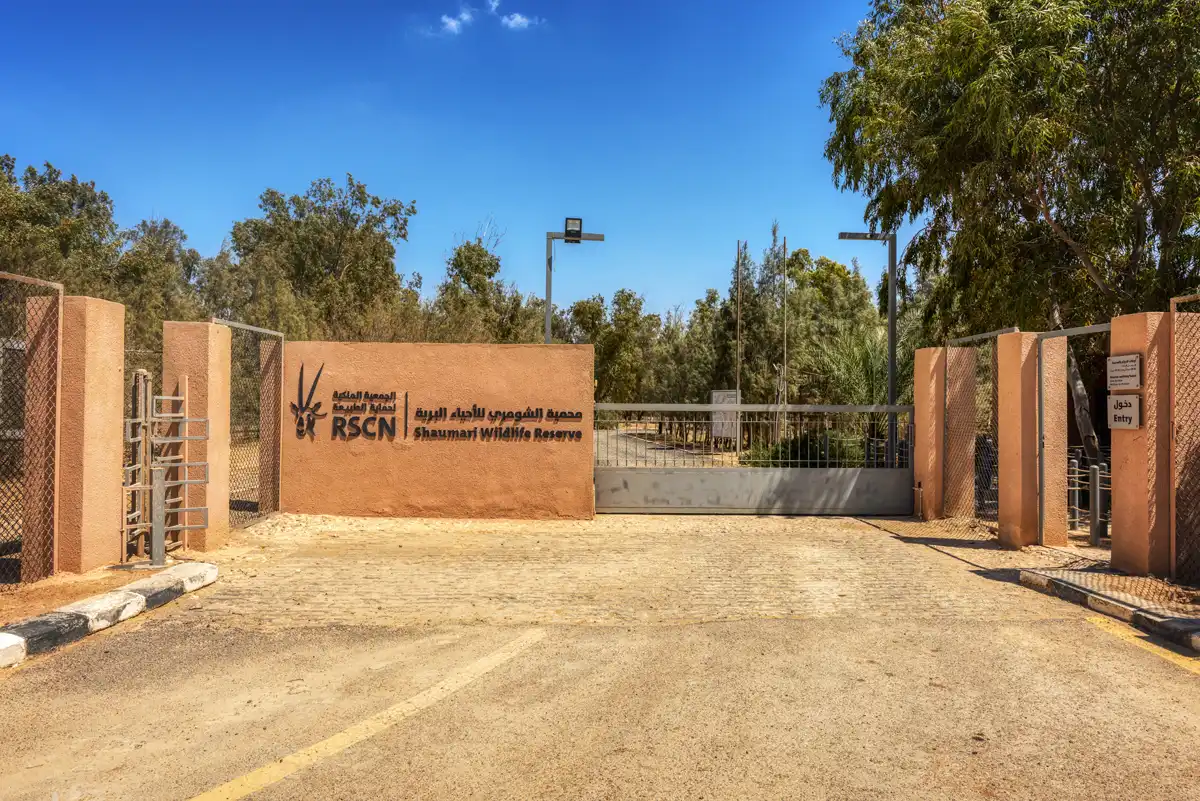
Nature reserveShaumari Wildlife ReserveSee the Arabian oryx brought back from the brink, take a jeep safari and support one of Jordan’s oldest conservation projects.Read the guide →
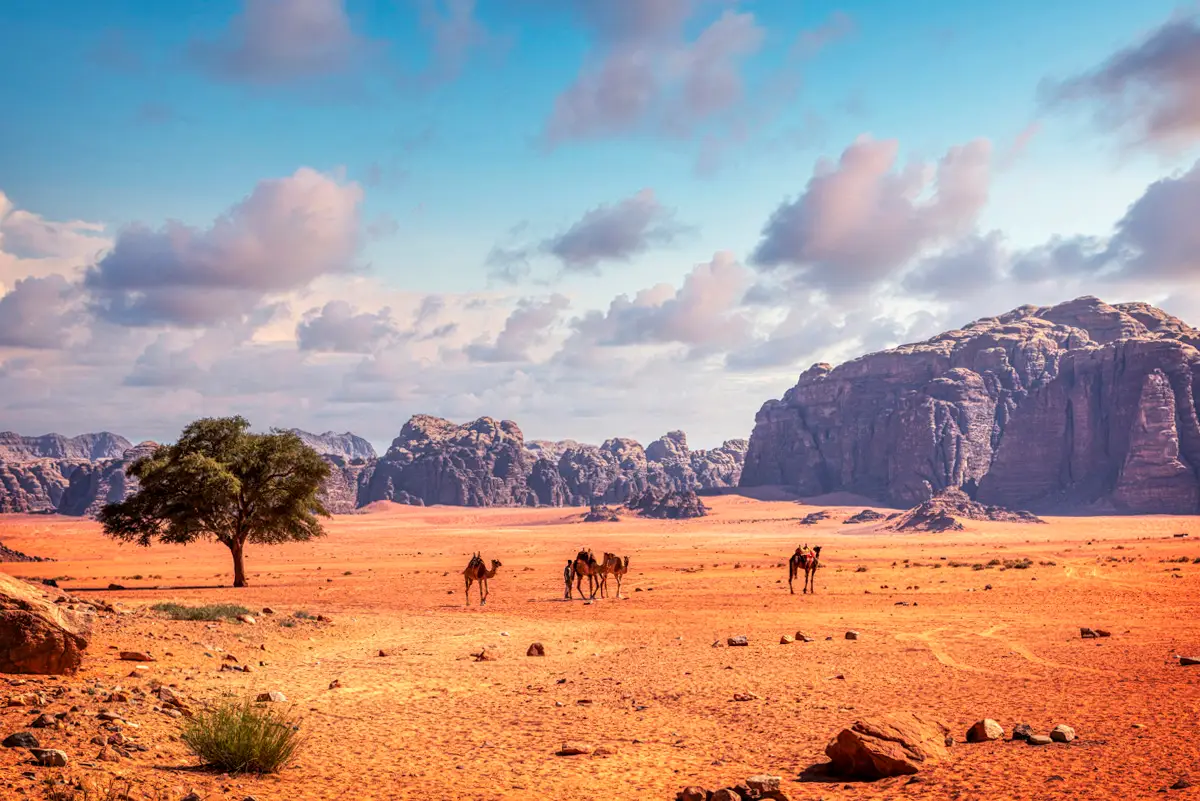
Nature reserveWadi Rum Protected AreaA World Heritage Site of sandstone mountains and red dunes — jeep tours, camel treks and stargazing under crystal-clear skies.Read the guide →
Nature reserveAjloun Forest Biosphere ReserveA leading eco-tourism destination in northern Jordan, protecting rare oak and pistachio forests and the wildlife that lives in them.Read the guide →Residents – FREE
Non-residents – FREE
North 32° 23′ 28″
East 35° 42′ 32″
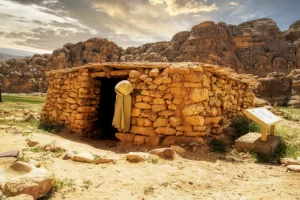
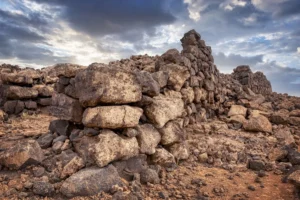
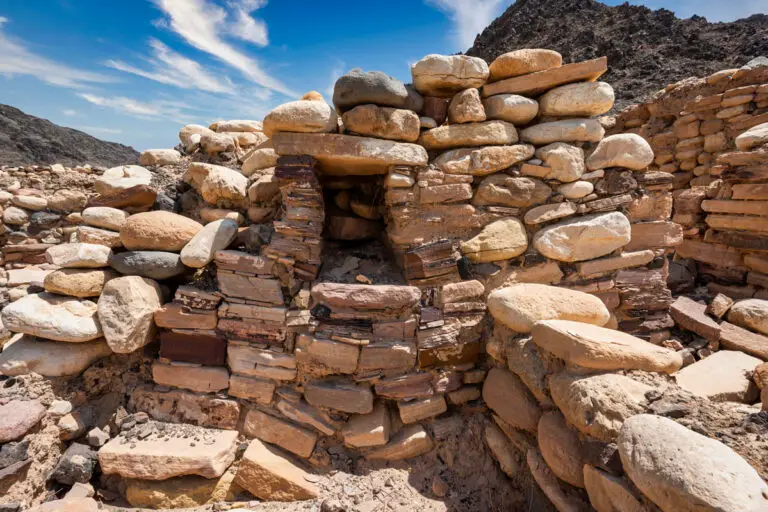
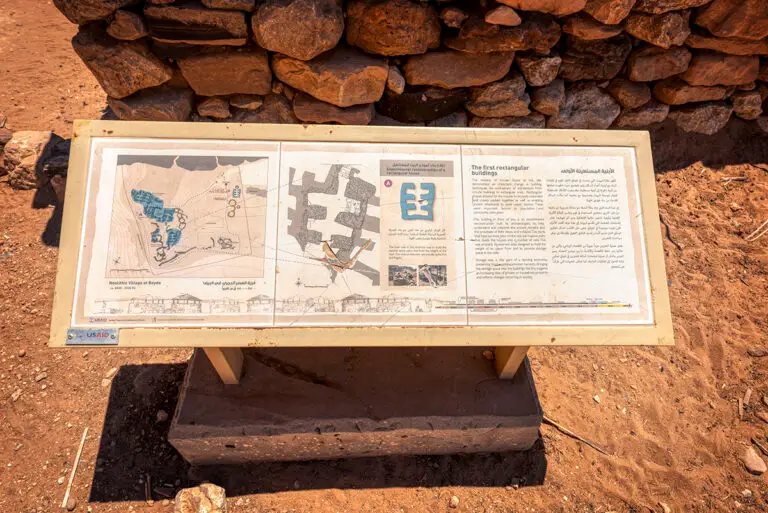
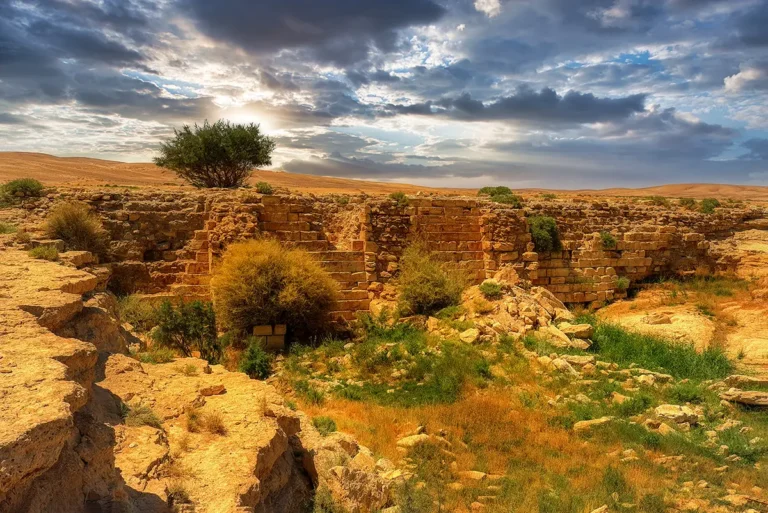
Iraq ed-Dubb, also known as the Cave of the Bear, is a notable Neolithic archaeological site located in the Wadi al-Rayyan area of northern Jordan. First excavated in the late 20th century, the site dates back to around 8000–7000 BCE, making it one of the earliest known locations of human settlement in the region. The cave provided shelter for a small community during the Pre-Pottery Neolithic B period, offering a rare glimpse into early sedentary life. Excavations uncovered stone tools, human burials, and evidence of domestic architecture, including stone wall foundations—indicating a significant shift from mobile foraging to a more settled, agricultural lifestyle.
What sets Iraq ed-Dubb apart is the continuity of occupation and the early adoption of architectural practices, which demonstrate a sophisticated level of adaptation to the environment. The cave’s name, “Cave of the Bear,” reflects local folklore, although there is no evidence that bears inhabited the site. Its strategic location near fertile valleys and water sources would have made it ideal for early farming and hunting-gathering activities. Iraq ed-Dubb contributes greatly to the understanding of human societal evolution in the Levant, bridging the transition from Paleolithic to Neolithic ways of life.
At the moment we do not have any related posts