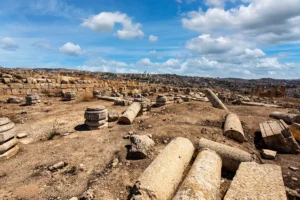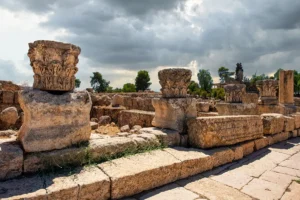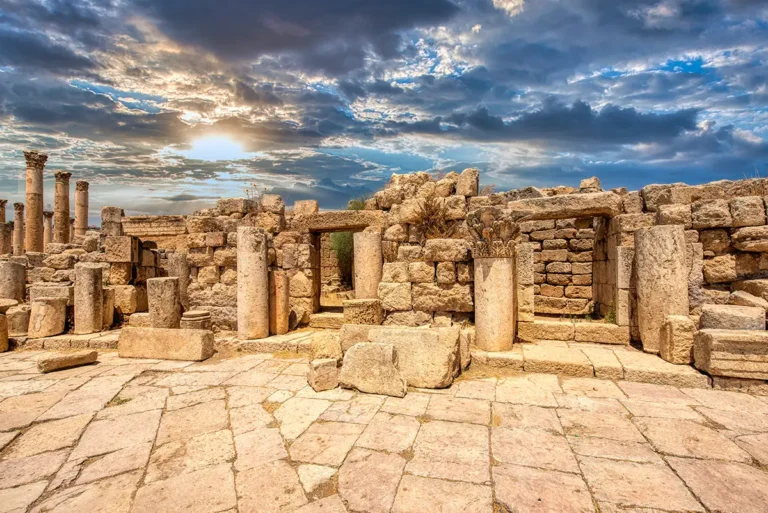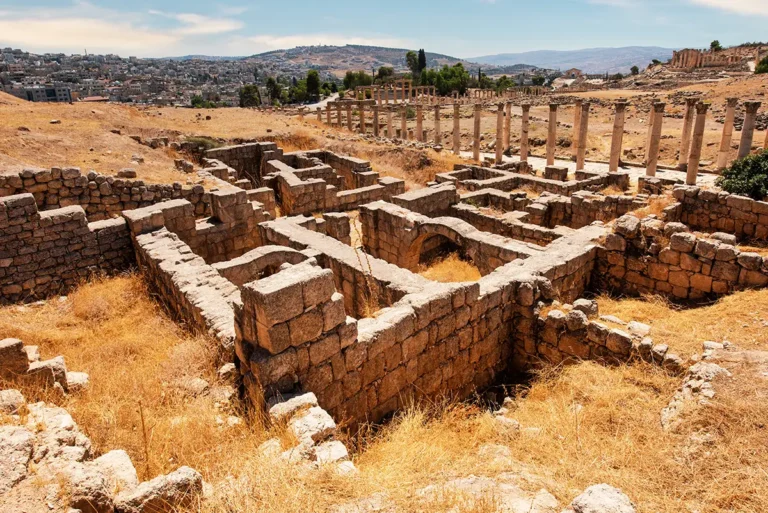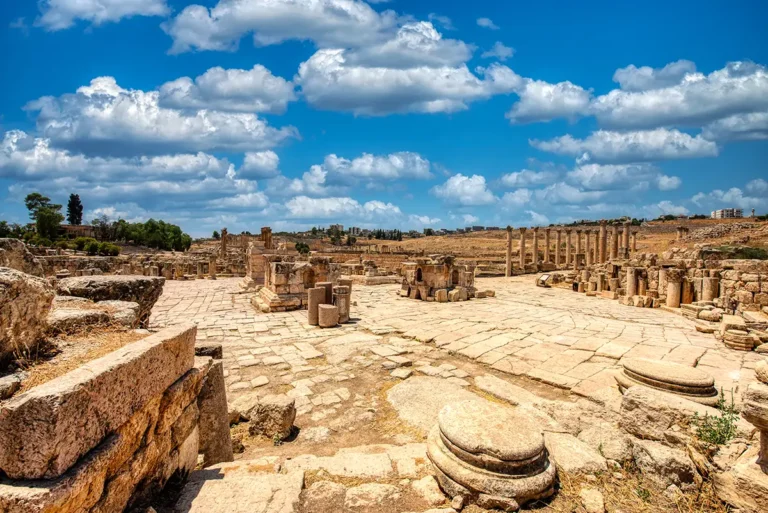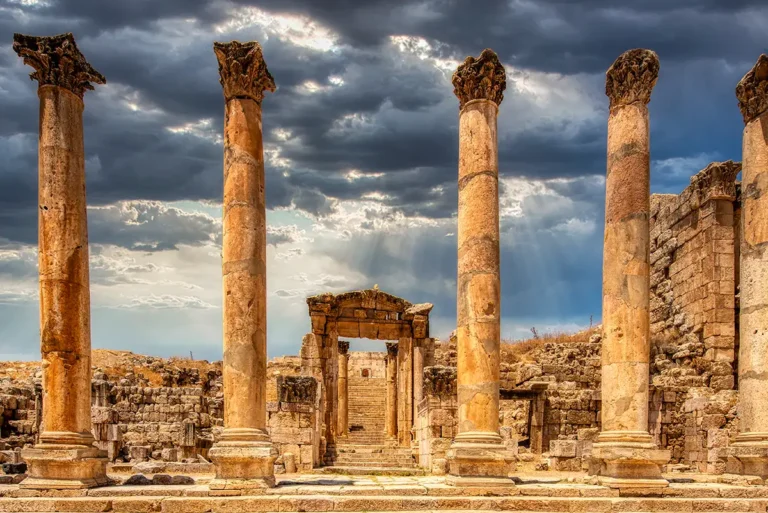
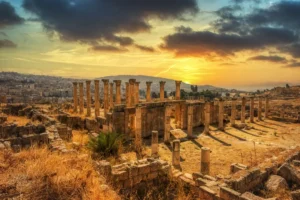
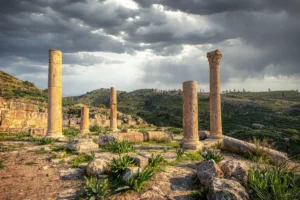
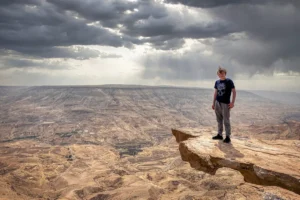

Dhat Ras is a small village on the Karak Plateau, north of Wadi al-Hasa, but its archaeological footprint reaches far beyond its modern size. In antiquity, this was a Nabataean settlement on routes linking Petra with the uplands of southern Jordan. At least three temples once stood here, alongside houses, agricultural installations and water-management systems—evidence of a substantial community rather than an isolated rural shrine. Ancient Jordan and the Karak Resources Project provide useful background on the site.
Dhat Ras Temple
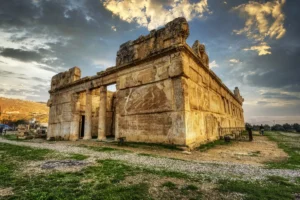
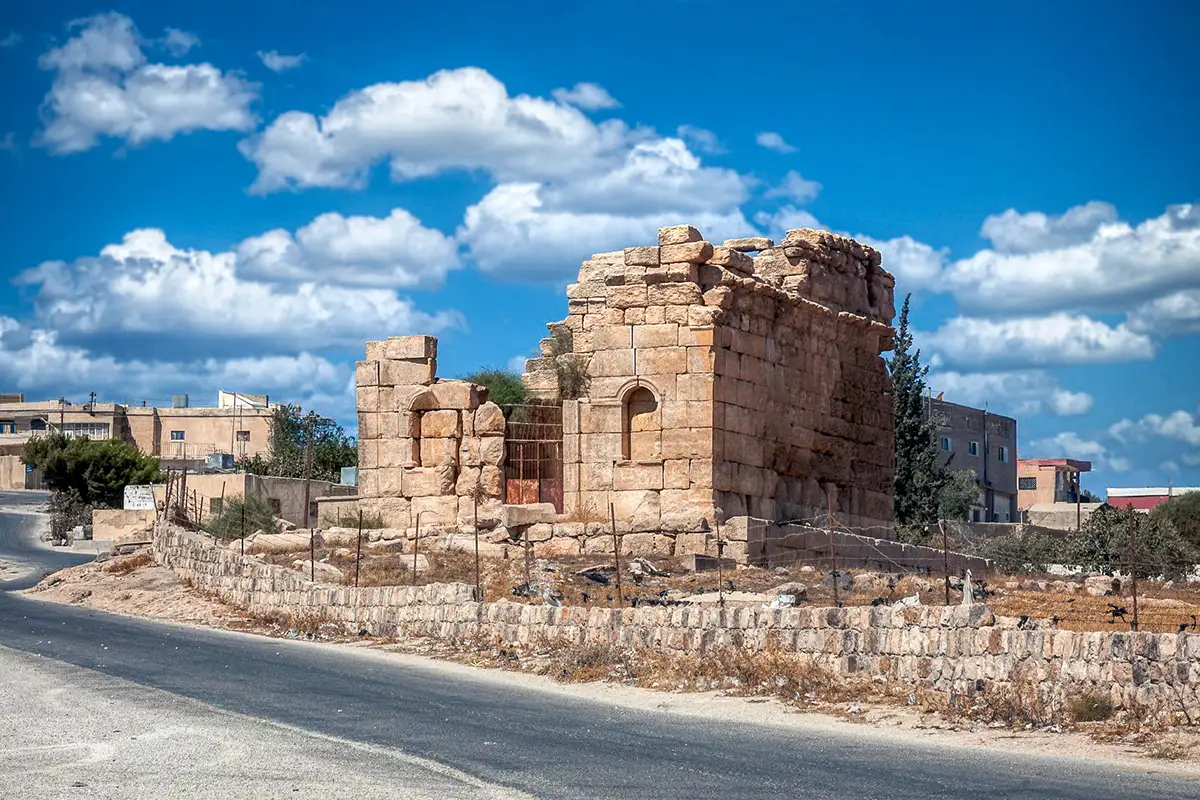
The best-known temple at Dhat Ras is a remarkably sophisticated Nabataean building, probably dating to the first or early second century AD. It stood on a carefully constructed podium, with substantial limestone ashlar walls, a south-facing entrance, decorative niches and Corinthian-influenced architectural details. Its design reflects a period when Nabataean religious architecture blended local traditions with wider classical influences. The temple may have served the worship of deities such as Dushara or al-Uzza, while also functioning as a focal point for the surrounding community.
Unfortunately, my visit to the temple was unsuccessful. The site is now fenced, and the key to the gate was nowhere to be found. Locals directed me to the nearest government building, where I was told I might be able to obtain it, but I could not find anyone responsible. Later, the archaeological team at Shuqayra gave me the clearest answer of all: forget about the key—no one can see the temple.
It was a frustrating conclusion. This is not an inaccessible monument in a remote wilderness, but a significant Nabataean temple in the middle of a living village. Standing outside its fence, I could only imagine the building beyond it: the temple that once rose above its podium and survived long enough to be recorded in such detail by archaeologists.
The Second Temple of Dhat Ras
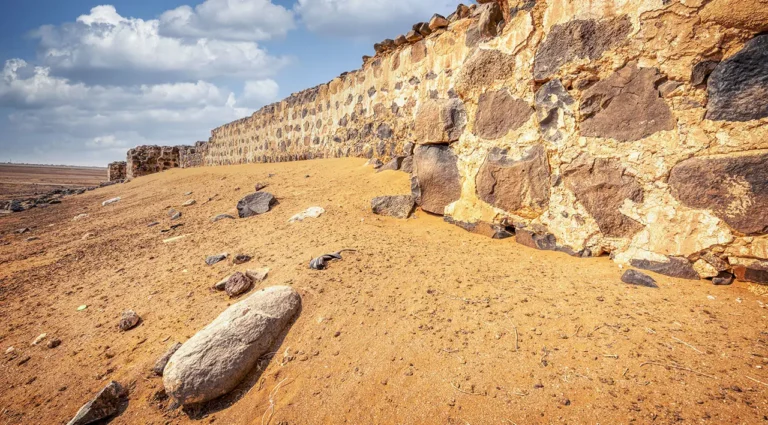
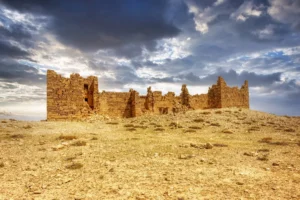
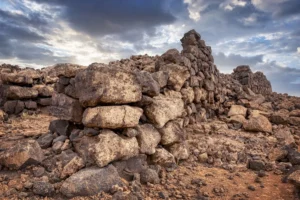
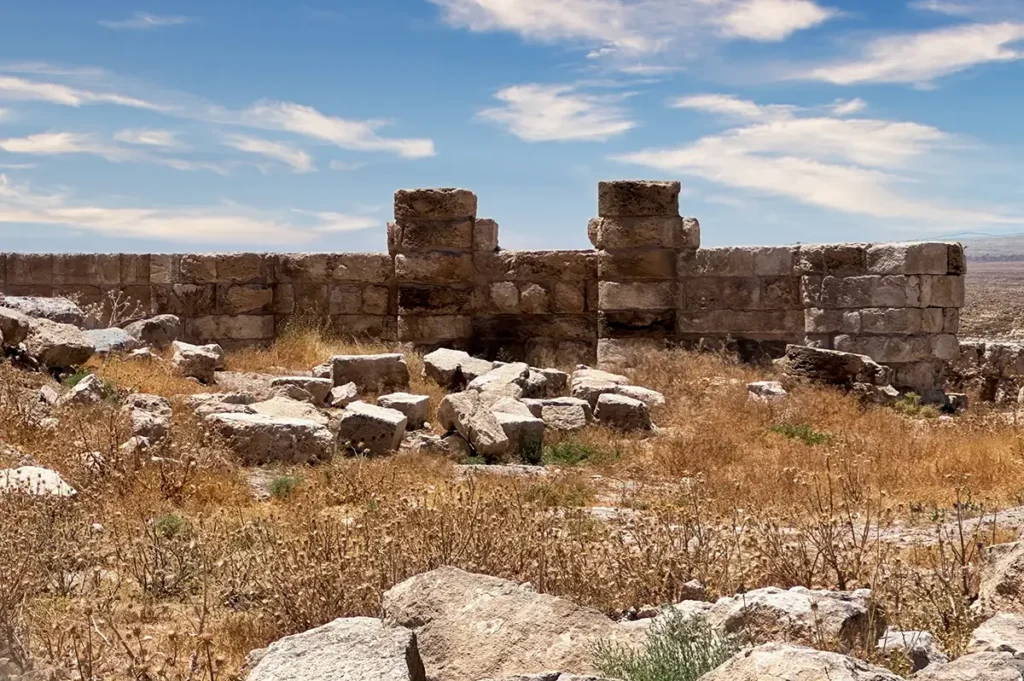
A second temple stood nearby, once reduced to a single wall that remained standing with remarkable stubbornness. For centuries, the site was open and that lone wall was a familiar, almost improbable survival: one fragment of a larger sacred building still marking the landscape.
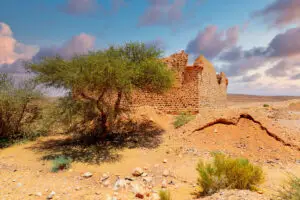
Dhat Ras once had three Nabataean or Roman-period temples. Two were large structures, though both had already been badly damaged or largely destroyed by the modern era. The surviving “small temple” is the best documented, but the scattered remains of the others are equally important because they show that Dhat Ras was a centre of worship, settlement and agricultural life on the Karak Plateau.
Today, however, even that final wall is gone. The site has been fenced, and the authorities demolished the wall in preparation for rebuilding it. Conservation is necessary, of course, and rebuilding may eventually give the monument a more secure future. Yet it is difficult not to feel the loss of the original wall—the weathered survivor that had stood alone for so long.
The Umayyad Palace of Shuqayra
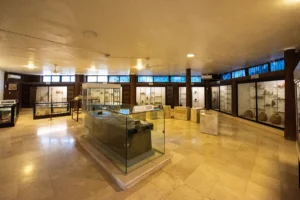
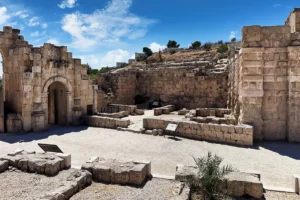
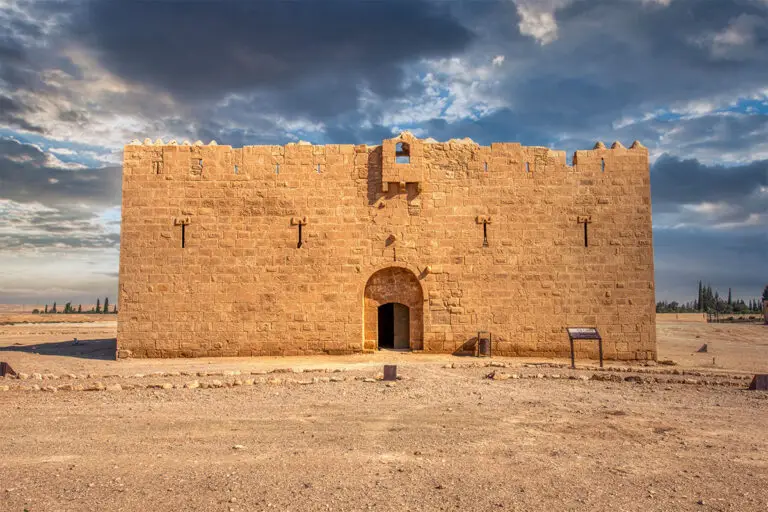
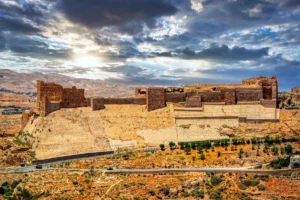
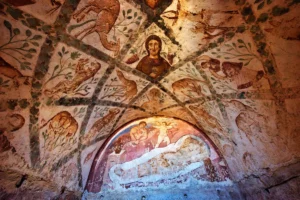
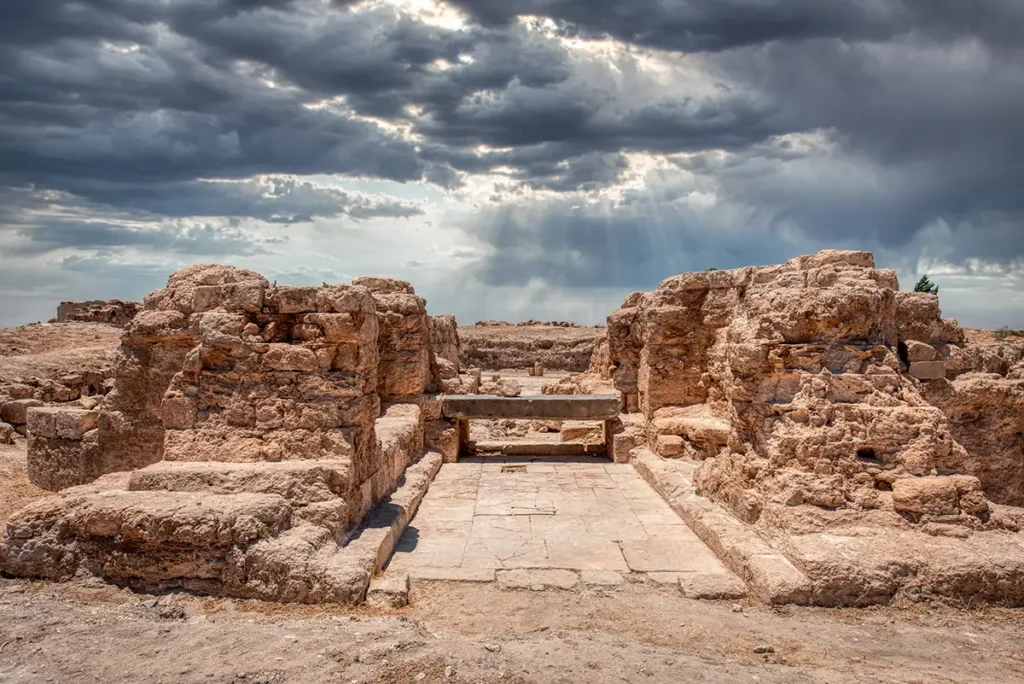
The most encouraging part of my visit was at Shuqayra, where restoration work is now underway. The archaeological team kindly allowed me to look inside and take a few photographs. It was a rare privilege, especially after the closed gates at the temples.
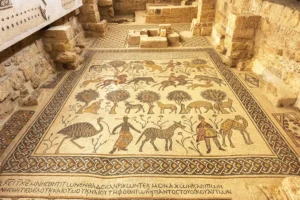
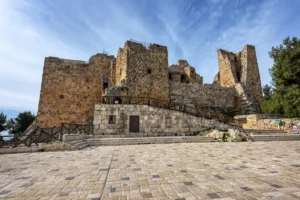
The site contains the remains of two buildings: an Umayyad palace and a Byzantine church. Together, they tell a wider story of continuity in this part of Jordan. The Nabataean settlement at Dhat Ras did not simply vanish with the Roman annexation of the Nabataean kingdom in AD 106; the wider landscape continued to be inhabited and adapted through the Byzantine and early Islamic periods.
Unfortunately, the mosaics are not visible at the moment, as the floors are covered until the restoration work is complete. Still, the fact that the site is being cared for offers real hope. With proper conservation and interpretation, Shuqayra could become one of the most rewarding stops in the area: a place where visitors can see Byzantine and Umayyad remains side by side, and understand how deeply layered the history of Dhat Ras truly is.
Hopefully, the site will be opened to the public in the near future.
Locked Sites and Lost Opportunities
My visit to Dhat Ras also highlighted a sad recent tendency in Jordan: archaeological sites are being locked without any clear explanation, without practical visitor information, and without any indication of where—or when—a key can be obtained.
Protecting fragile heritage is essential. But protection should not mean silence, uncertainty and permanent exclusion. A locked gate with no sign, no contact number and no access procedure does not encourage respect for archaeology; it simply leaves visitors outside, confused and disappointed.
Dhat Ras deserves better. Its temples, church and Umayyad palace are not minor ruins. They are part of a long story connecting Nabataean religion, Roman-era architecture, Byzantine Christianity and the early Islamic period. One day, I hope to return—not to search for a missing key, but to find these places open, interpreted and ready to share their history.