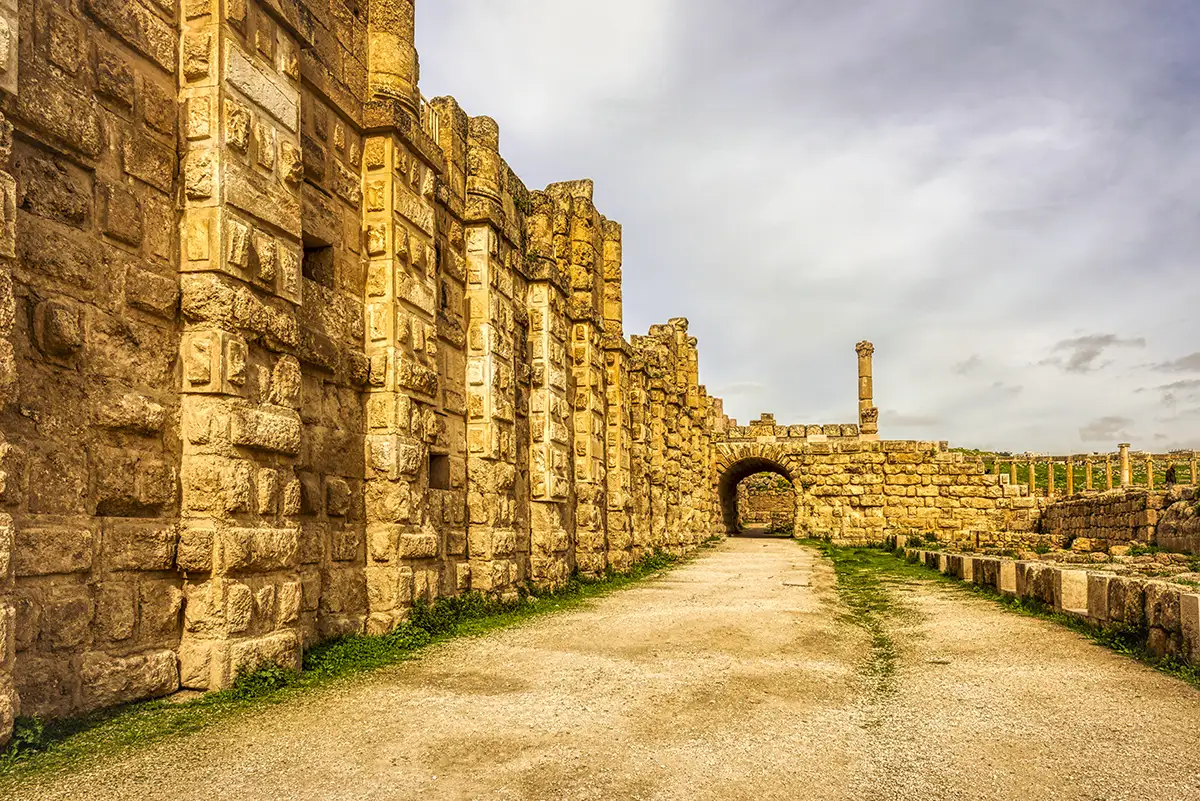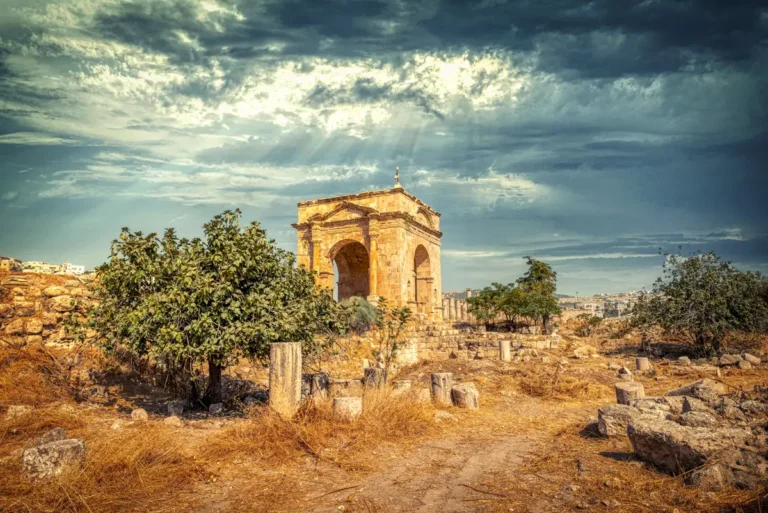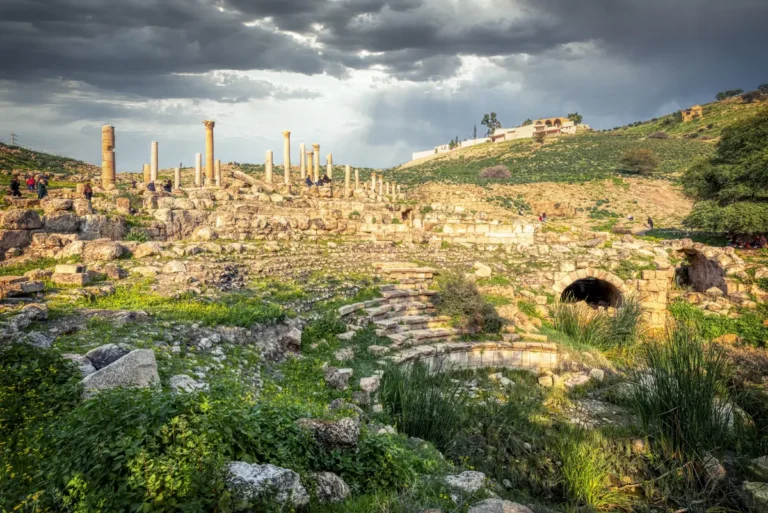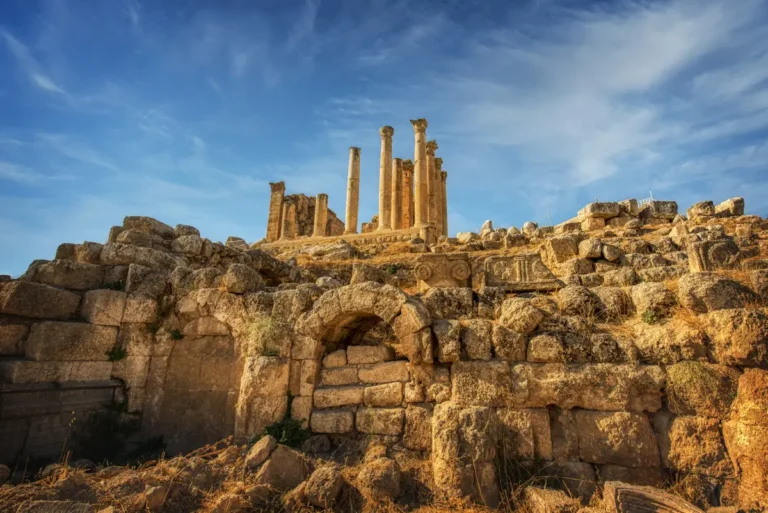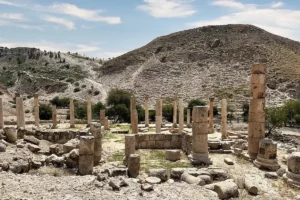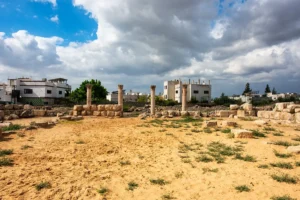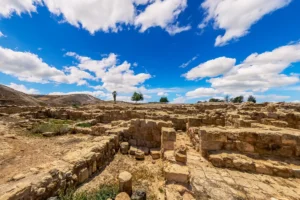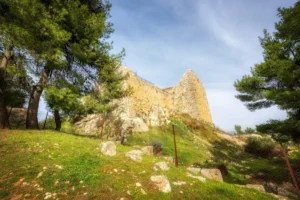
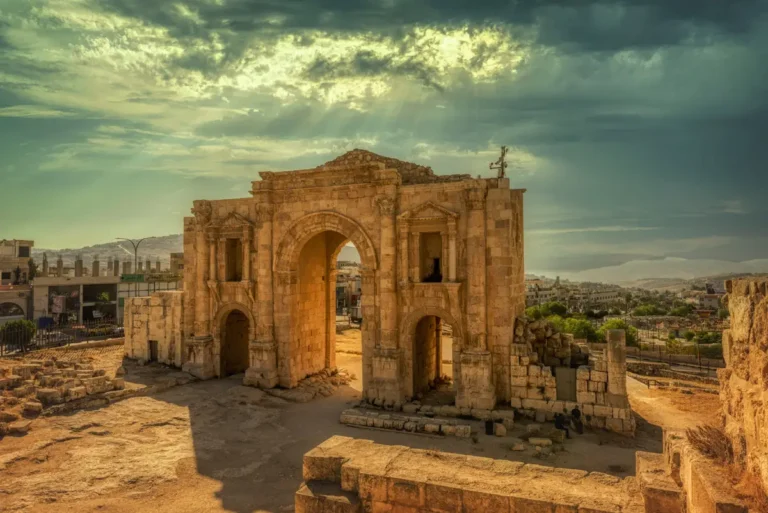

The East Souk and South Street show the practical side of ancient Jerash. Here, at the southern approach to the city, a strip of small workshops grew up beside the road to Philadelphia — modern Amman — and was damaged, repaired, cleared and finally replaced by a new street. Its story runs from the early 2nd century AD to the earthquake of 749.
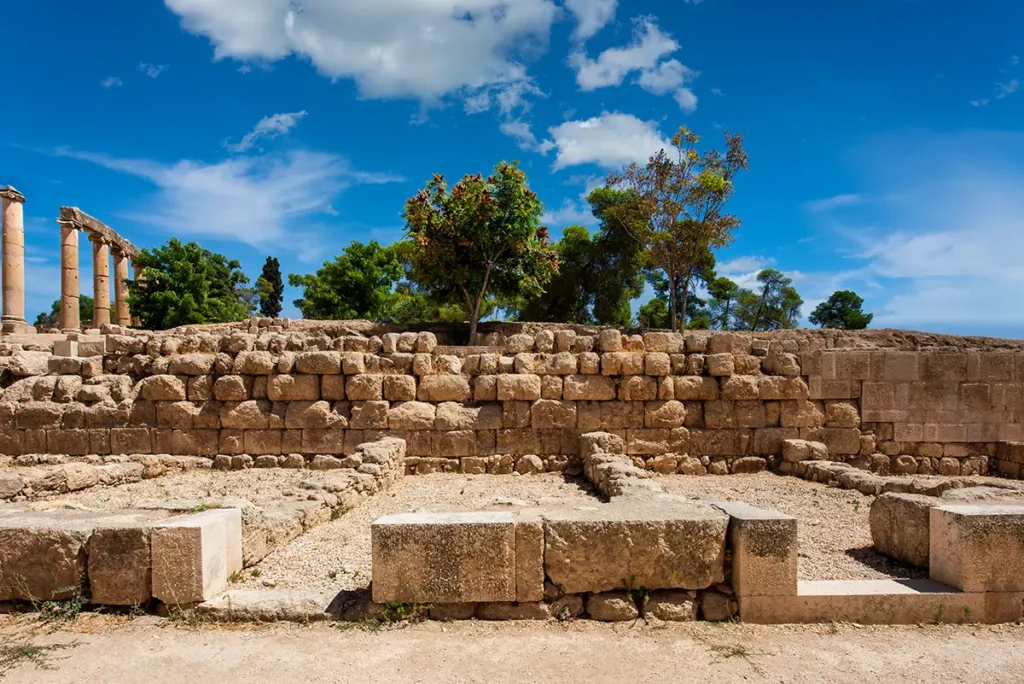
Where Are the East Souk and South Street?
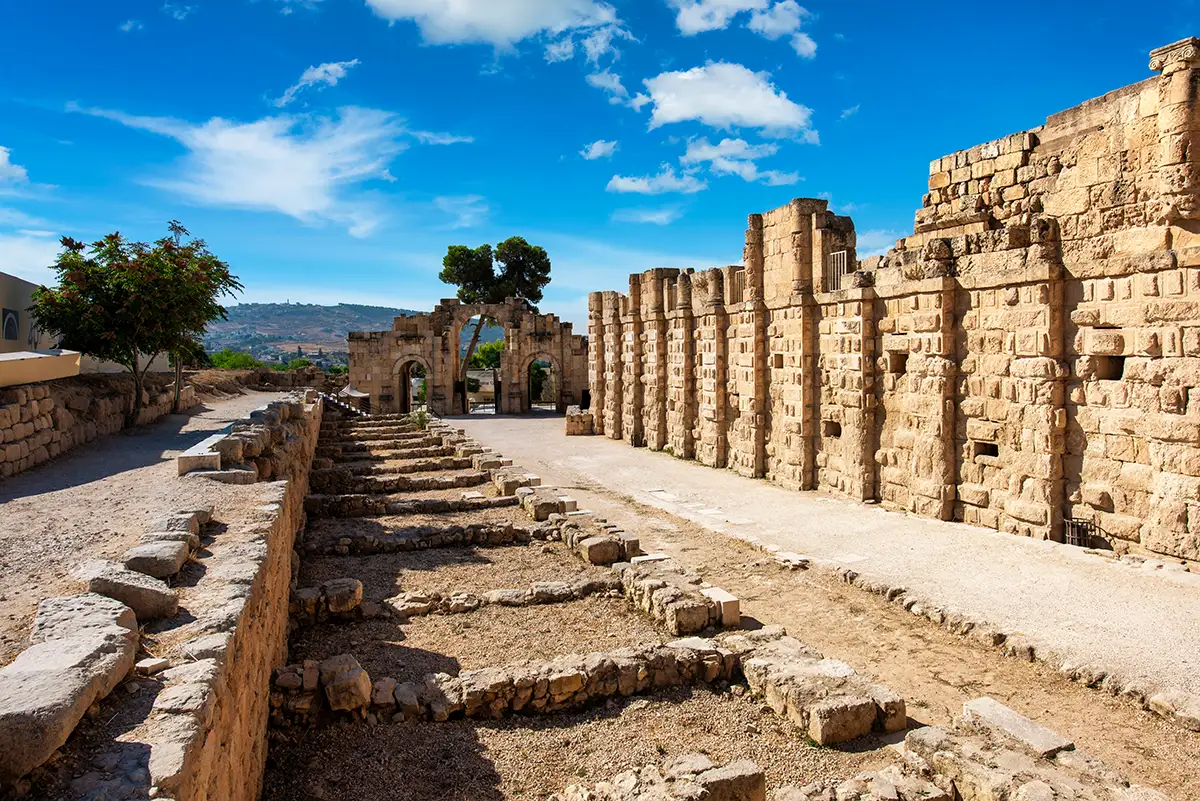
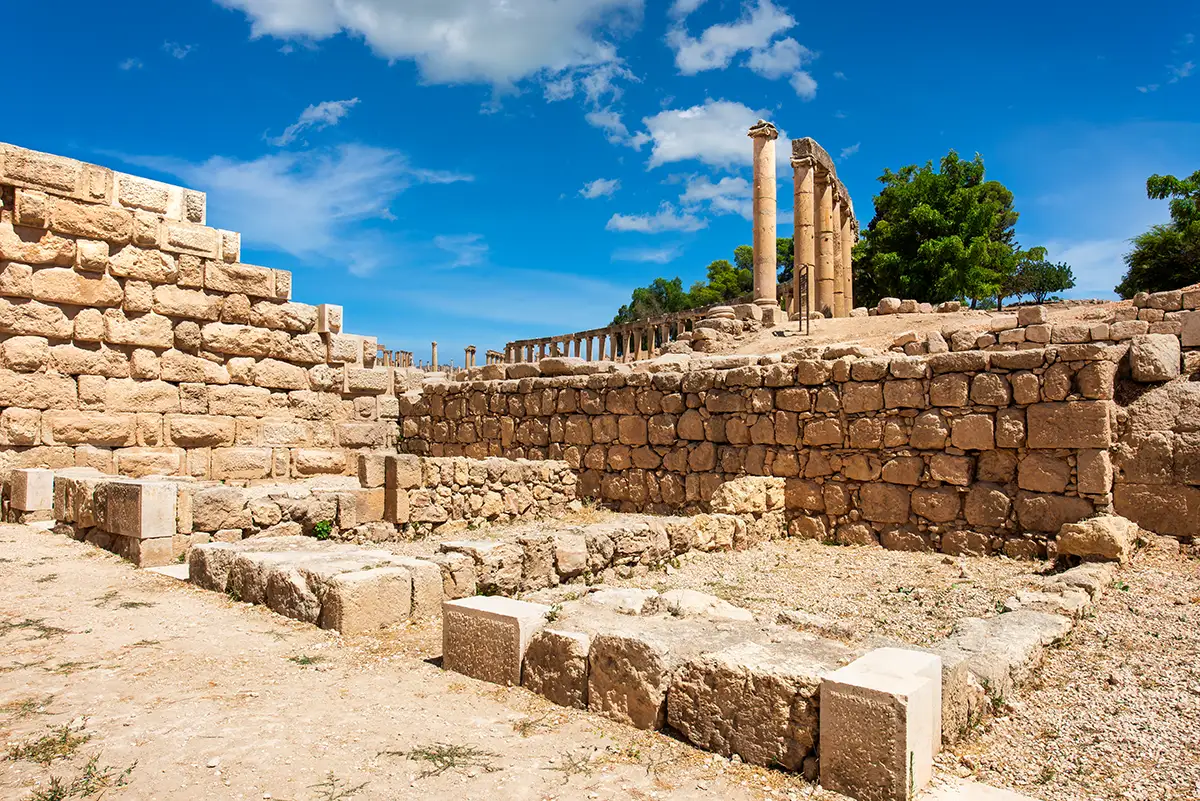
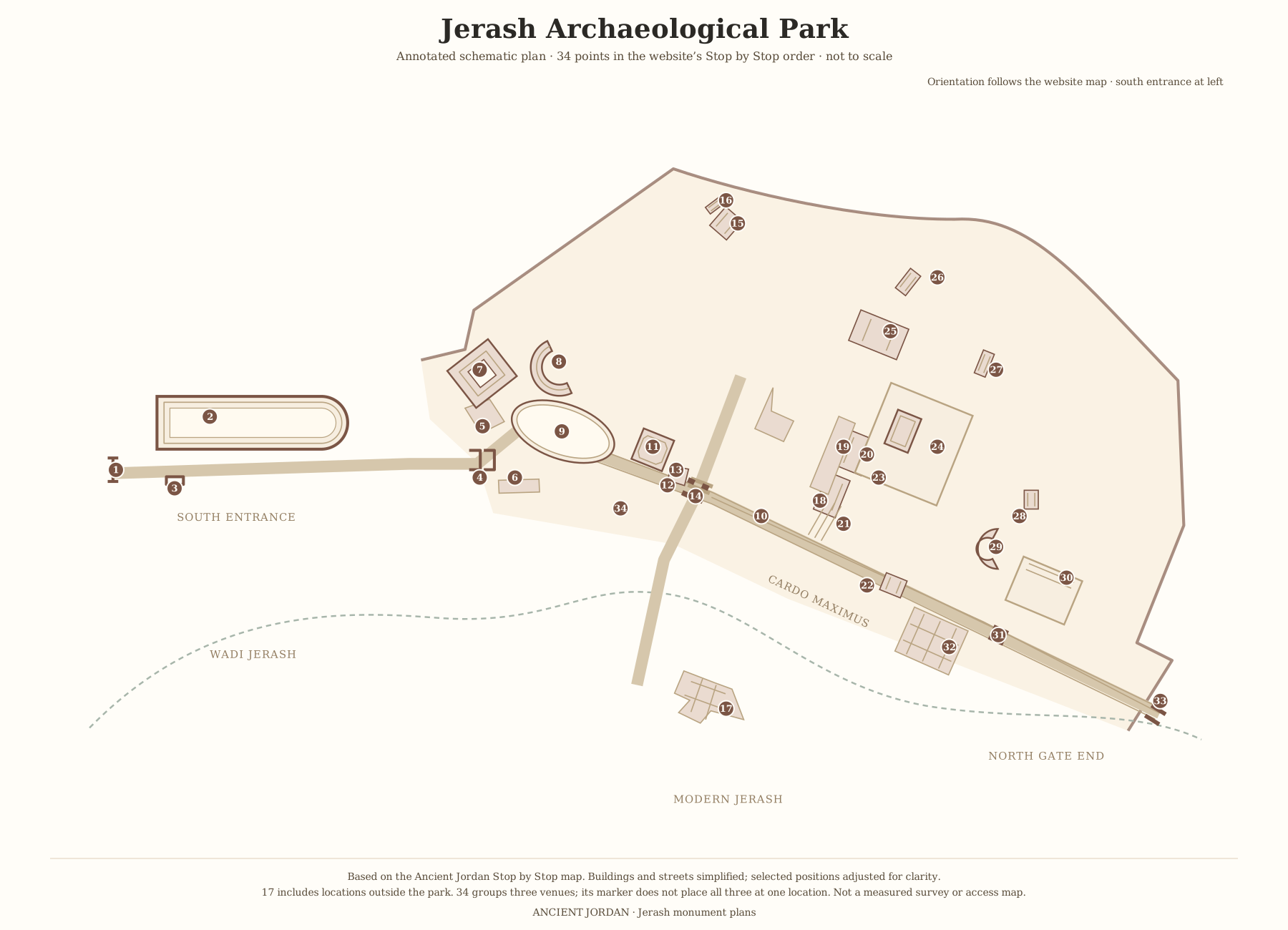
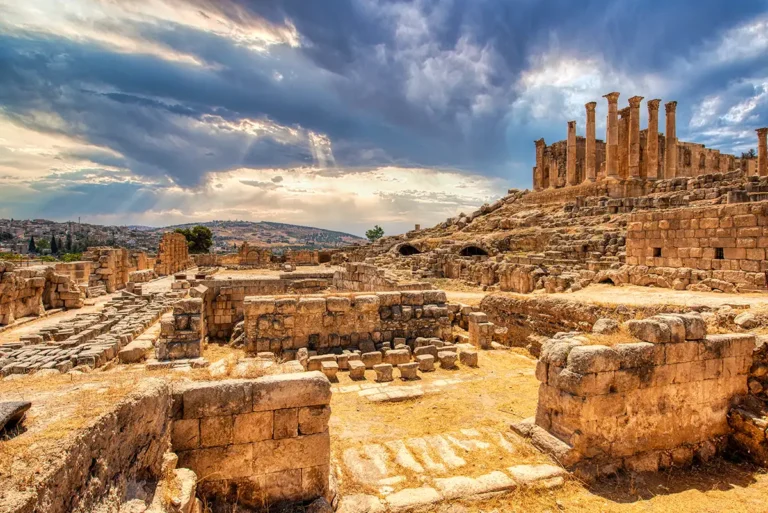
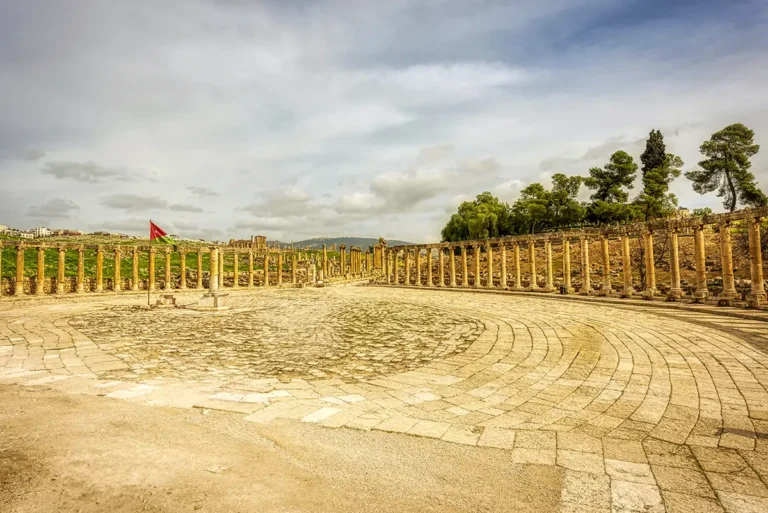
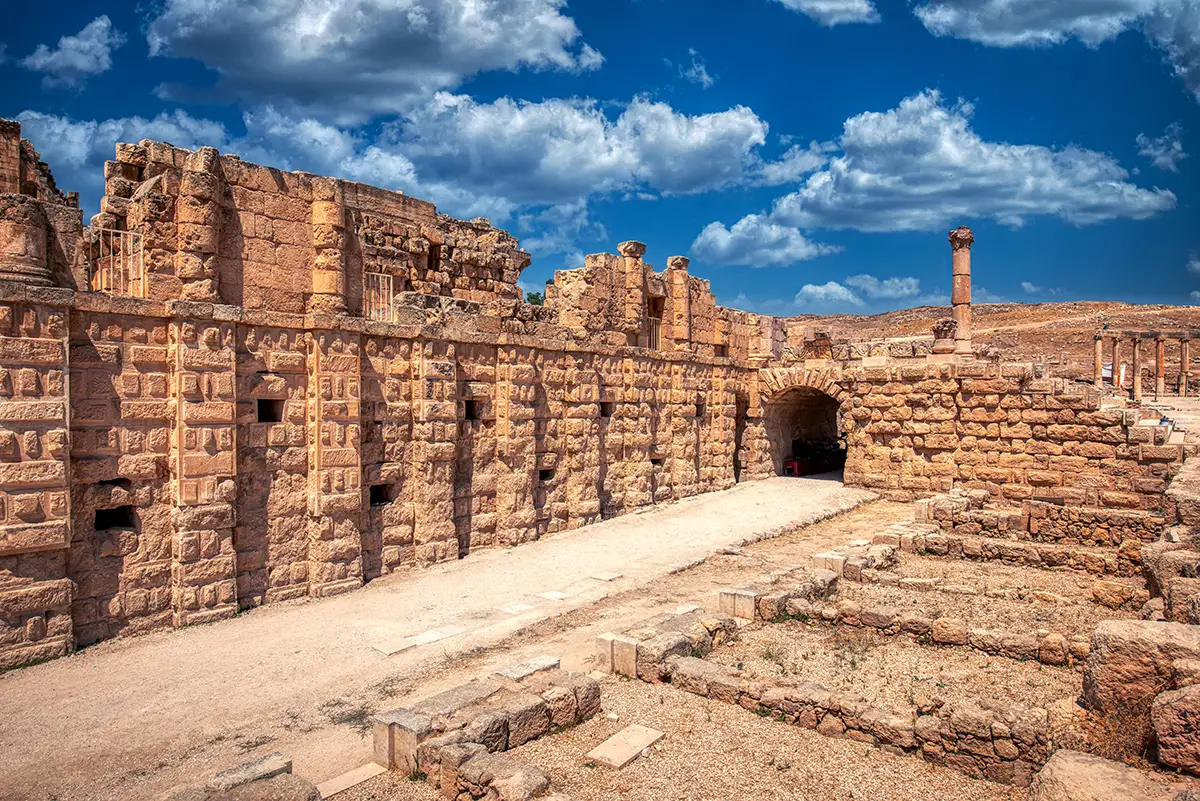
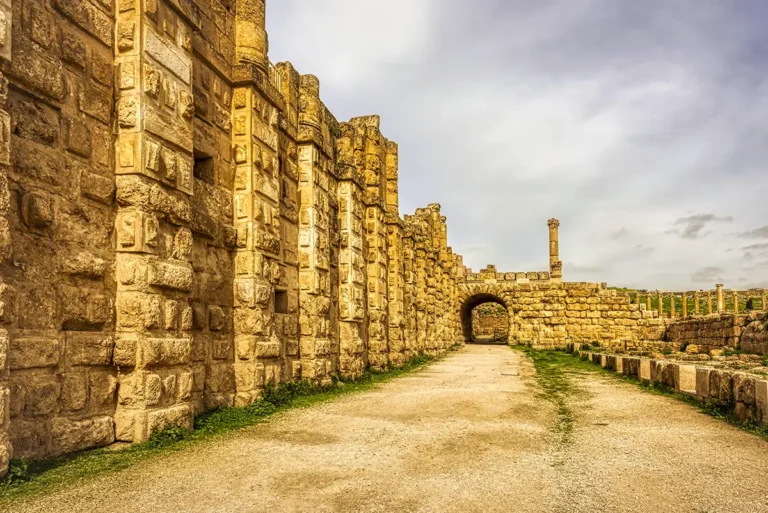
The East Souk stood along the first 50 metres of the road south from Gerasa, beside the South Gate and opposite the West Souk. Today the area lies between the gate, the Sanctuary of Zeus and the approach to the Oval Plaza.
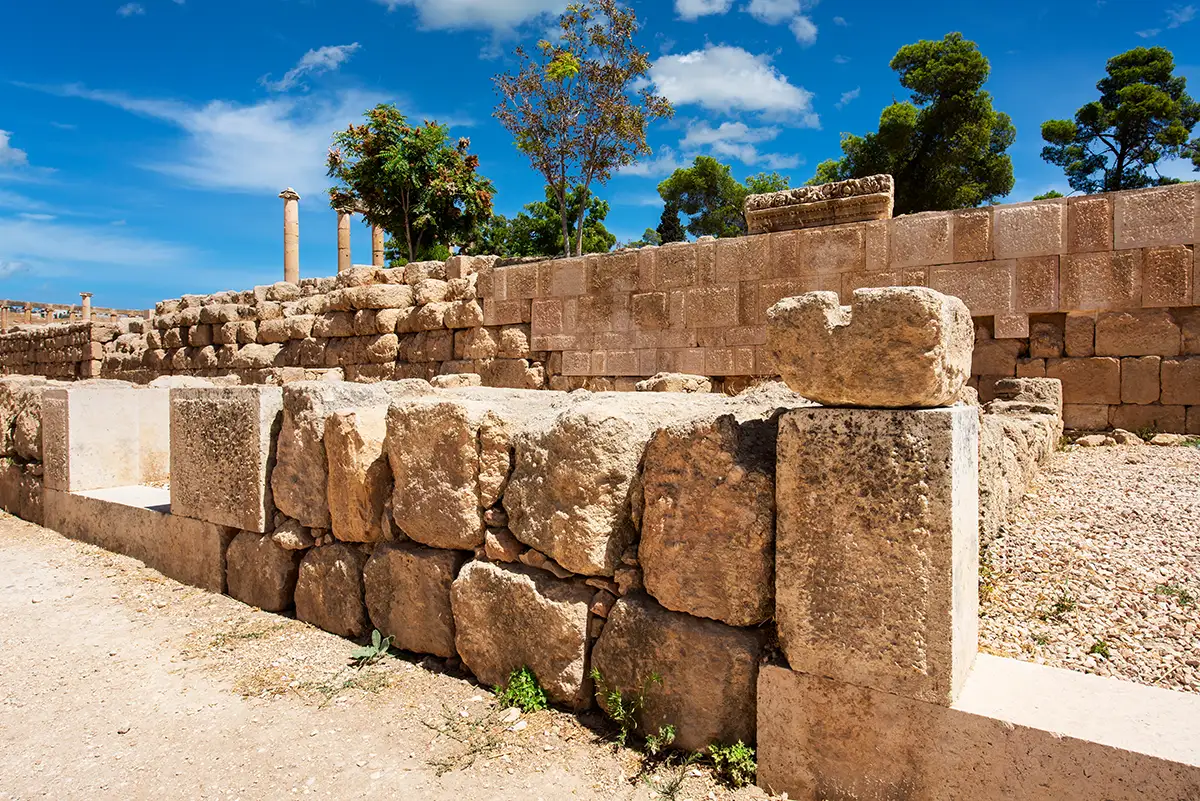
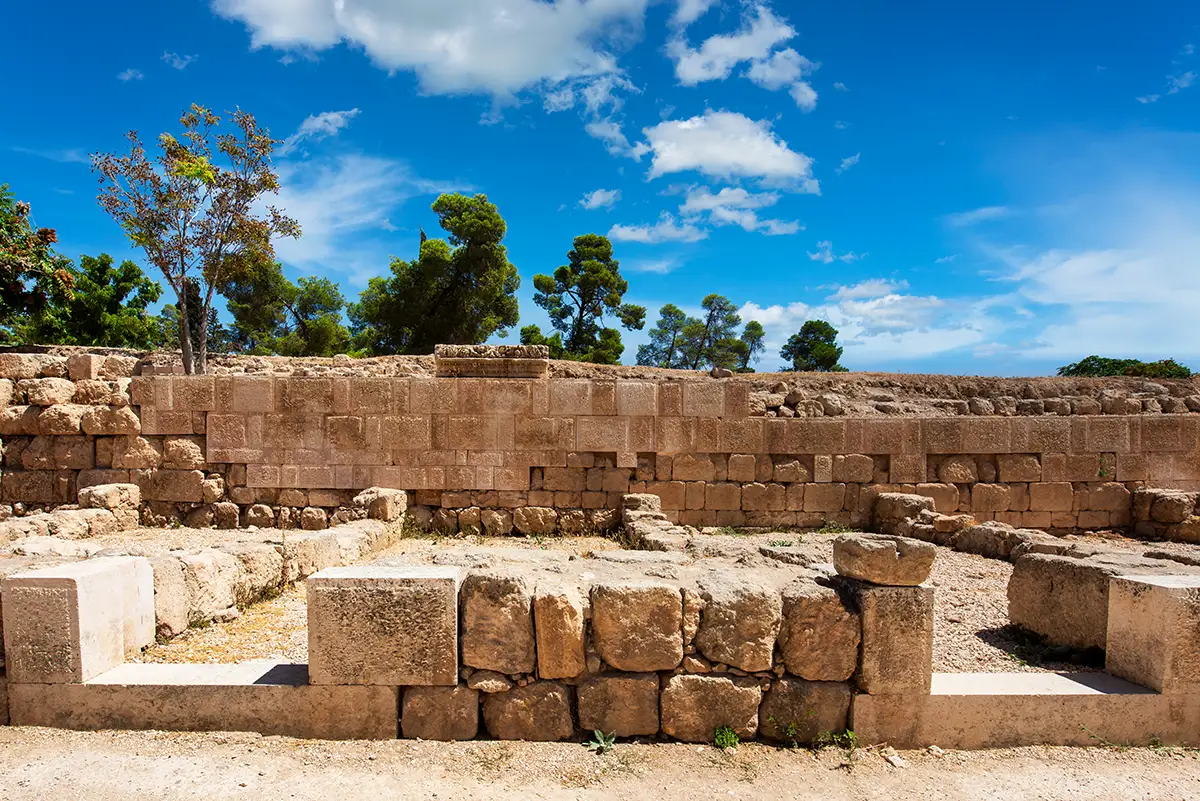
The market is no longer visible as a complete row of shops, but its footprint explains why the streets here look different from the carefully planned colonnaded streets further north.
Historical Context and Origin
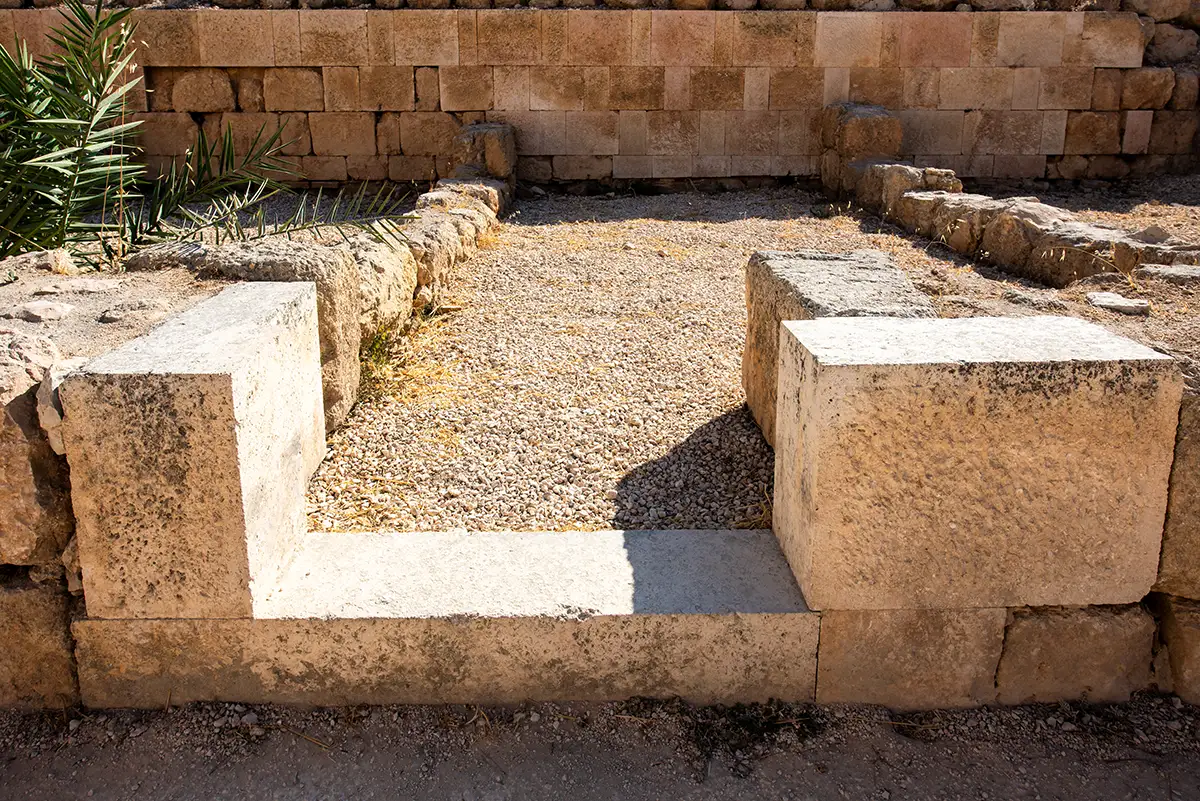
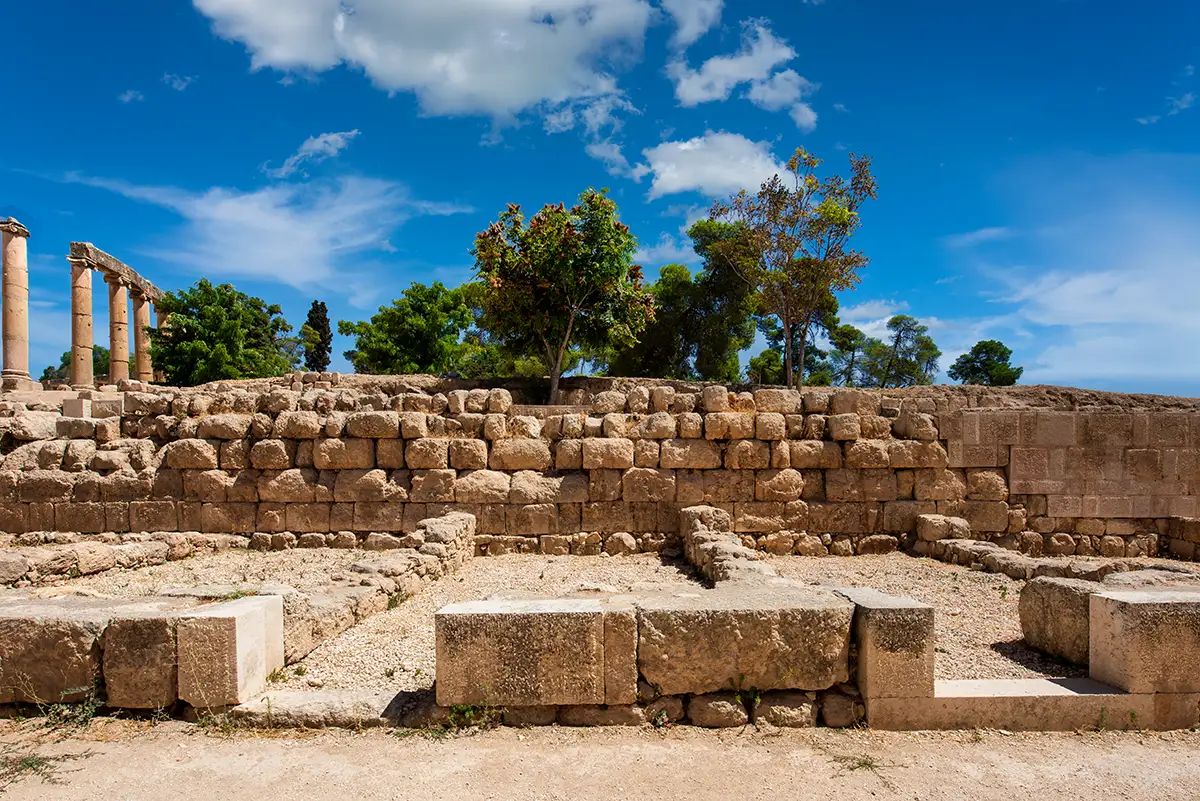
Around AD 110 a strip of about 15 workshops was built just south of the city limit, before the South Gate existed. The shops caught the traffic at the edge of the city: carpenters, pottery sellers and at least one bronze worker served local people, farmers and travellers on the road.
In the late 3rd century AD a fire, probably during a raid, damaged the shops. They were quickly repaired and reoccupied, but not for long.
Architectural Design
These were modest, functional premises rather than monumental façades — small rooms opening straight onto the road. When the South Gate was built around AD 129–130, part of the market was built over: the foundations of the southernmost shop now lie beneath the gate.
Roadside Workshops
About 15 small shops lined the first 50 metres of the road to Philadelphia, used by carpenters, potters and a bronze worker.
A Shop Beneath the Gate
The foundations of the southernmost shop lie under the South Gate — proof that the market is older than the gate.
The South Street
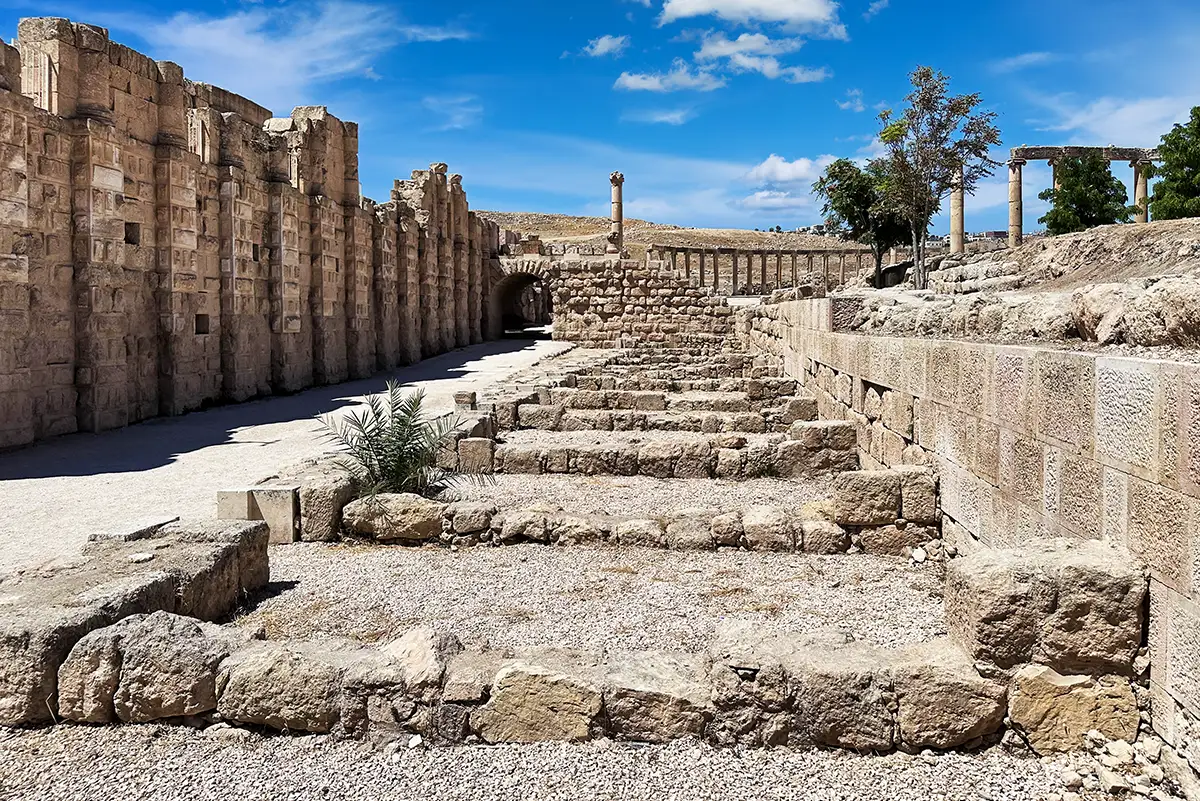
Around AD 300 the shops were cleared for a straighter street from the South Gate to the Oval Plaza.
Later Workshops
Small workshops gradually spread back over the old road line and stayed in use until the earthquake of 749.
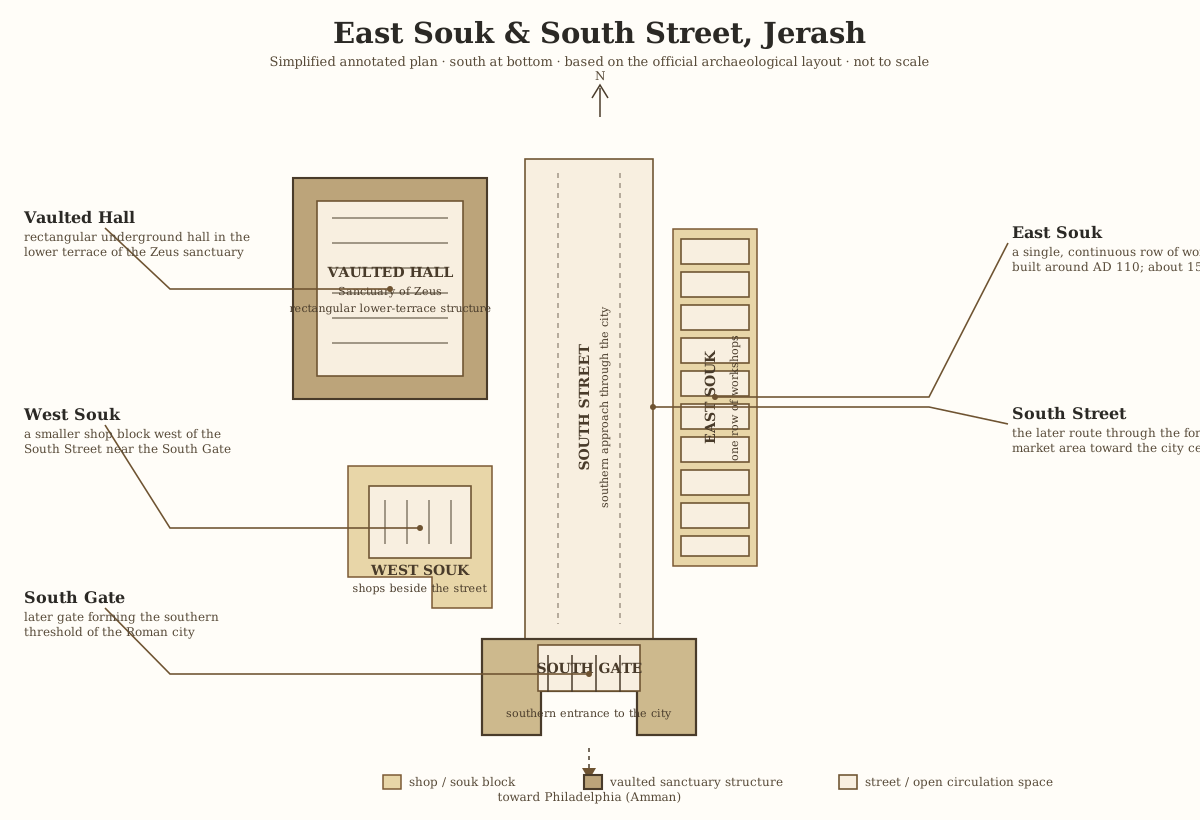
jerash-east-souk-south-street-schematic
Tap the drawing to open it full size.
Open drawingFrom Market to Street
Around AD 300 the old shops were deliberately demolished. The clearance made room for a new South Street, giving travellers who came through the South Gate a straighter route to the Oval Plaza and the heart of the city.
Over time, small workshops spread back over the old road line. The street stayed in use through the Byzantine and early Islamic periods, until the earthquake of AD 749 ended centuries of activity here.
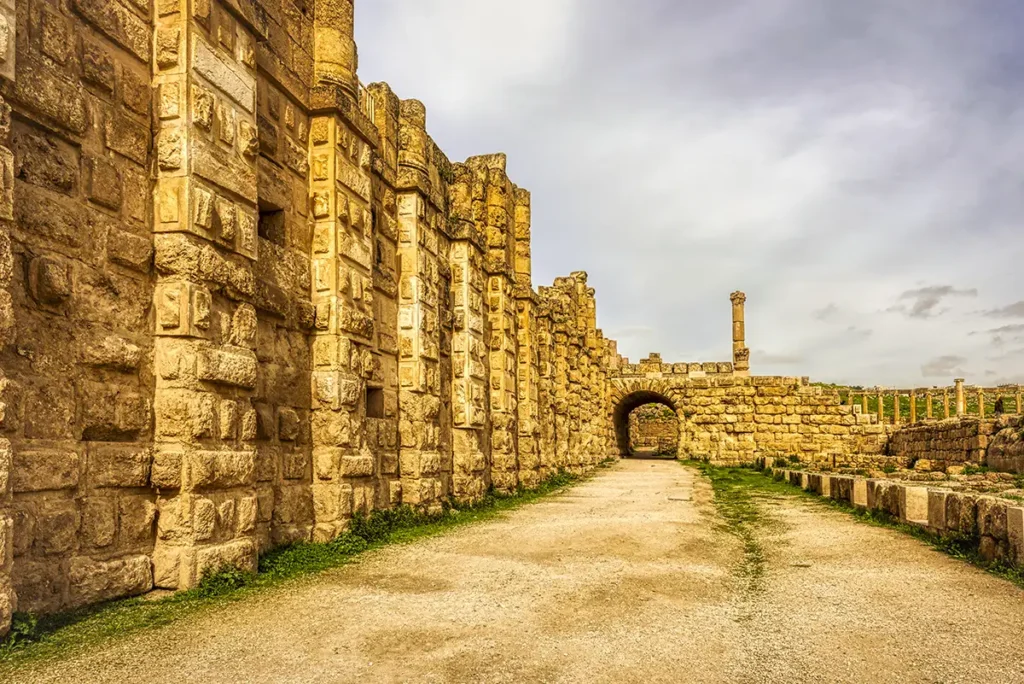
Visiting the East Souk Today
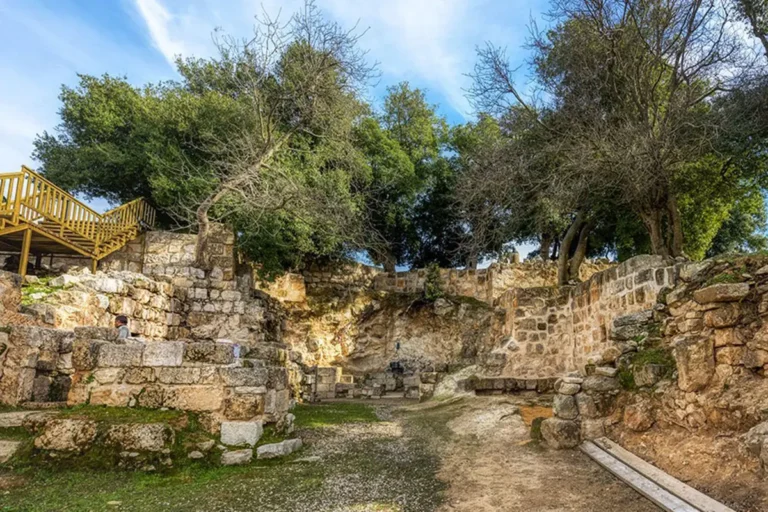
The East Souk is best understood by reading the ground: low walls and foundations mark the successive shops and street phases. Pause near the information board, picture the earlier road running south towards Philadelphia, and note how the South Gate sits on top of the oldest shop.
It takes only a few minutes and fits naturally between the South Gate and the Oval Plaza — together they explain how visitors entered ancient Jerash and how that route changed over time.