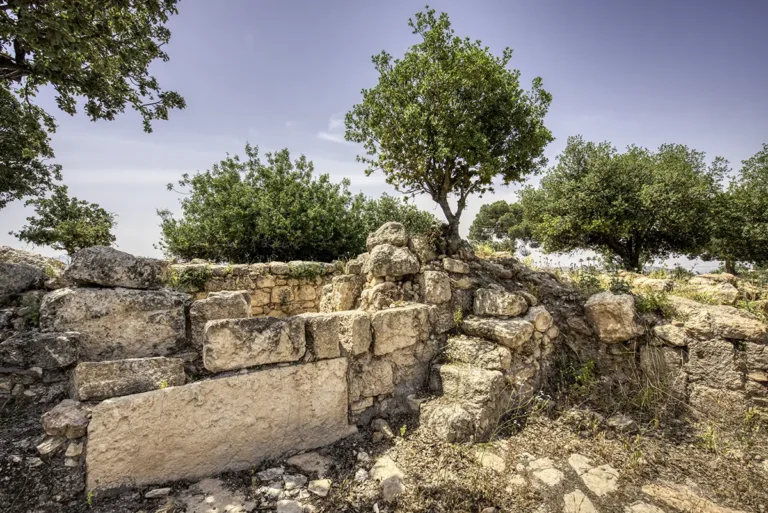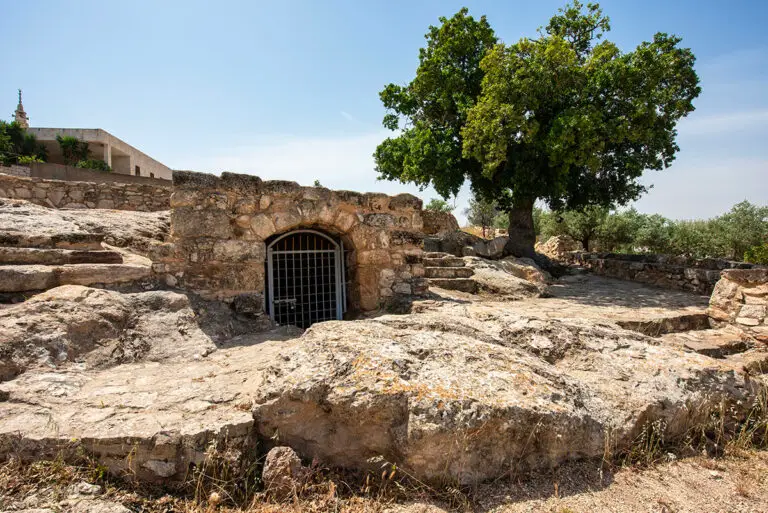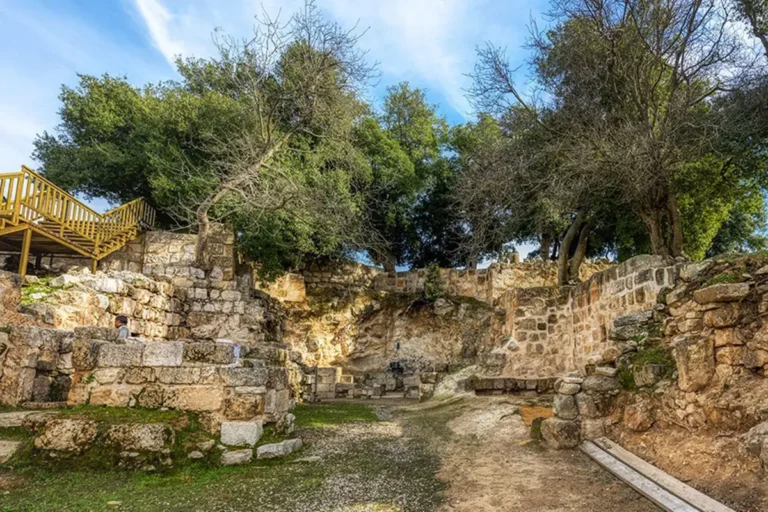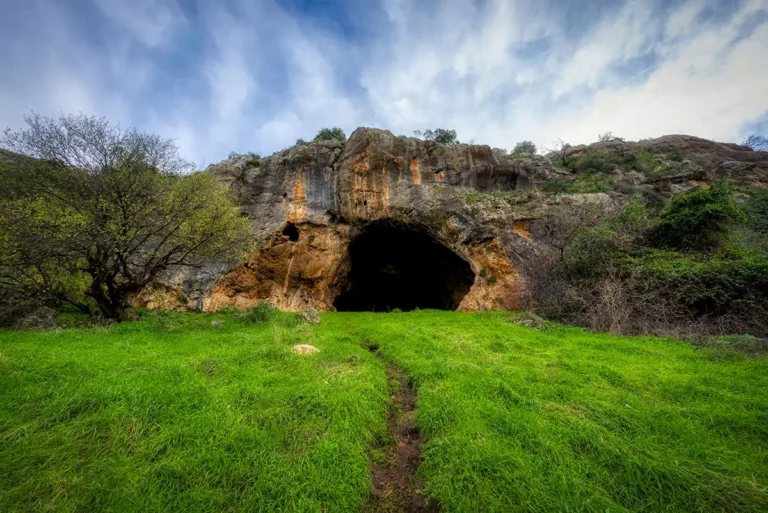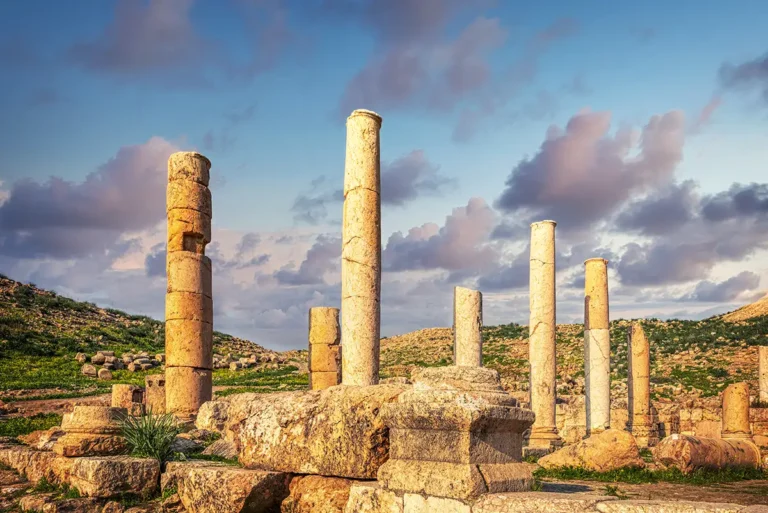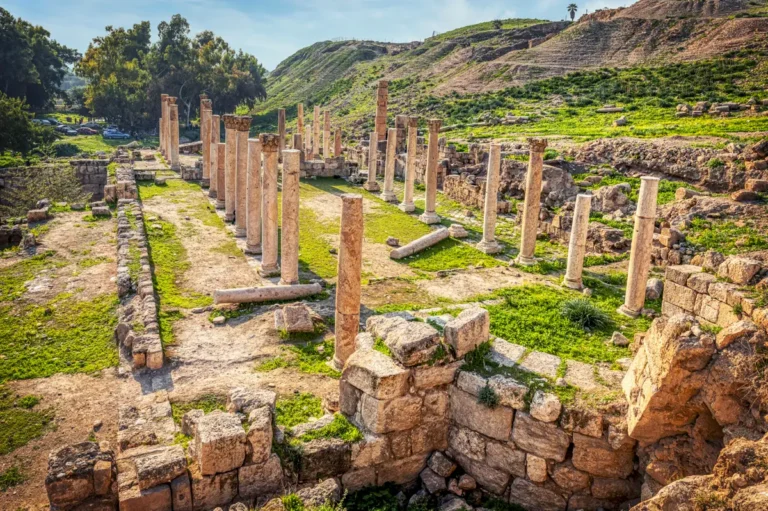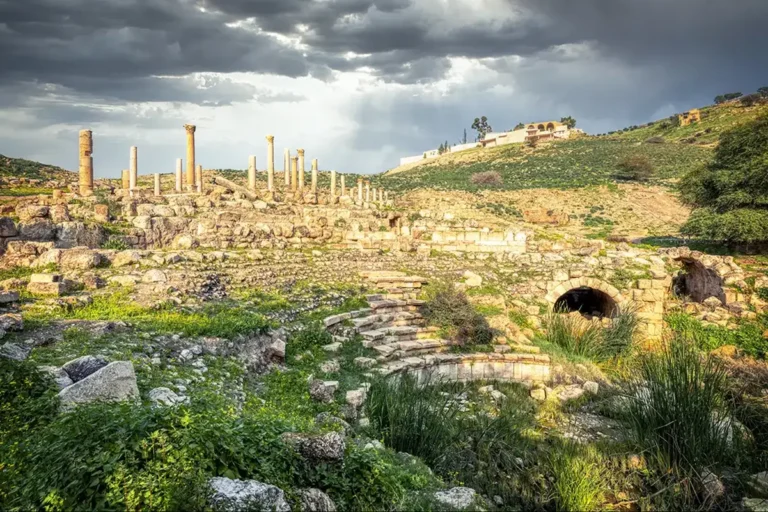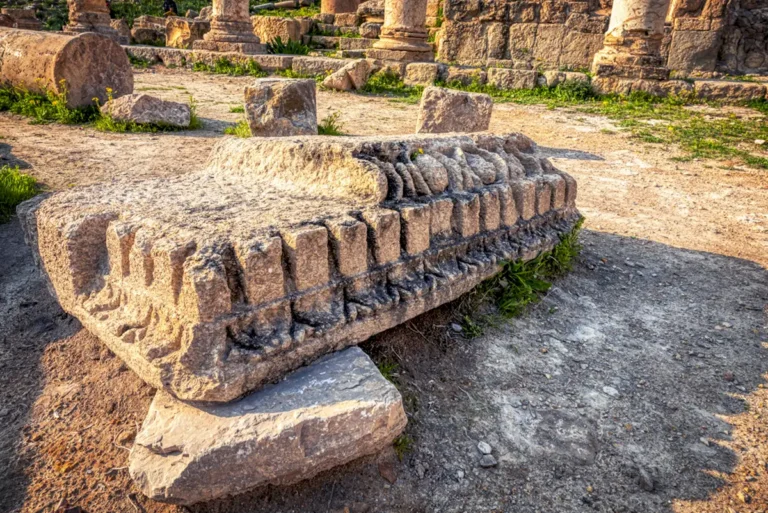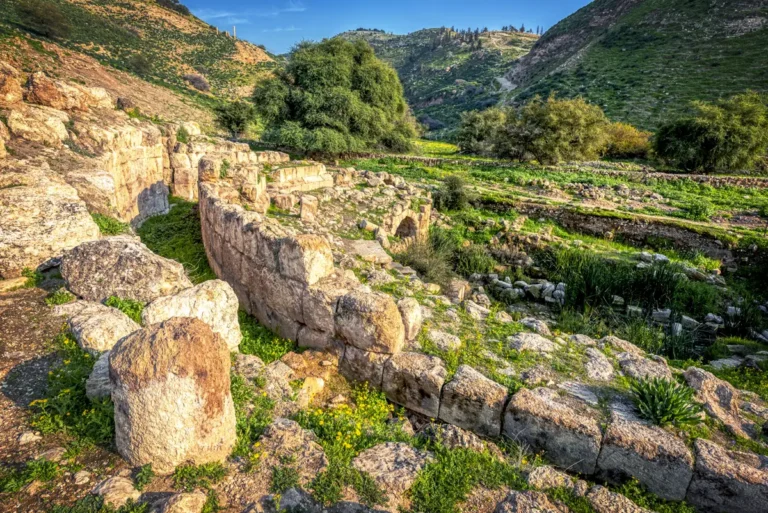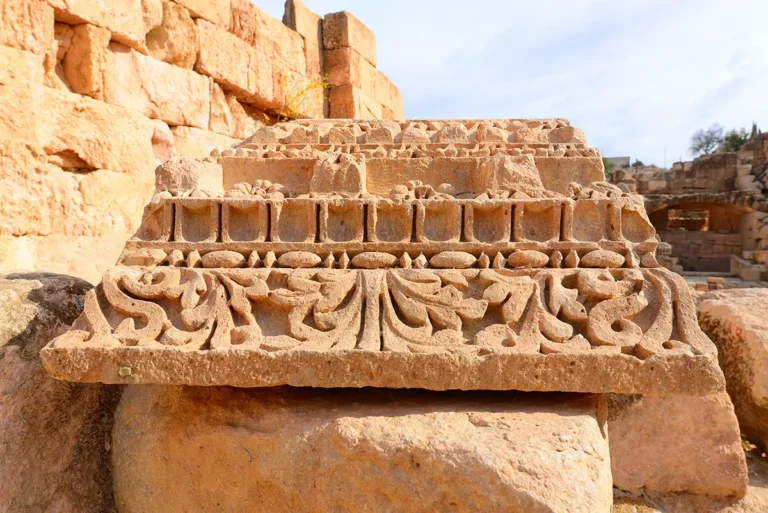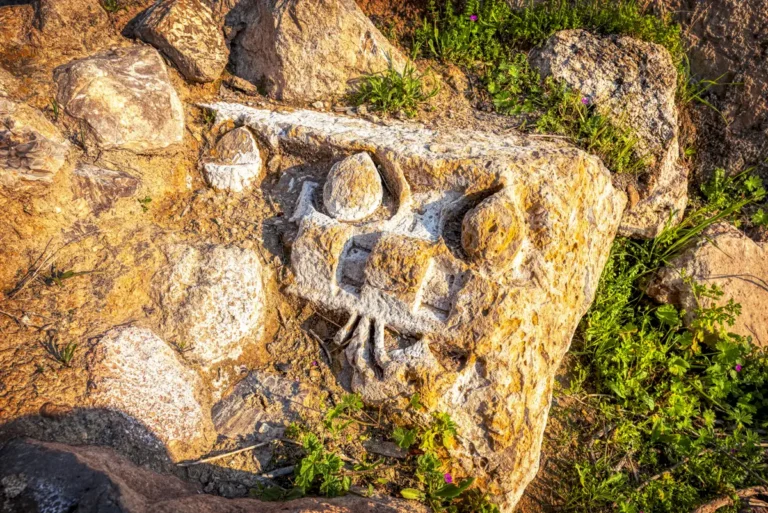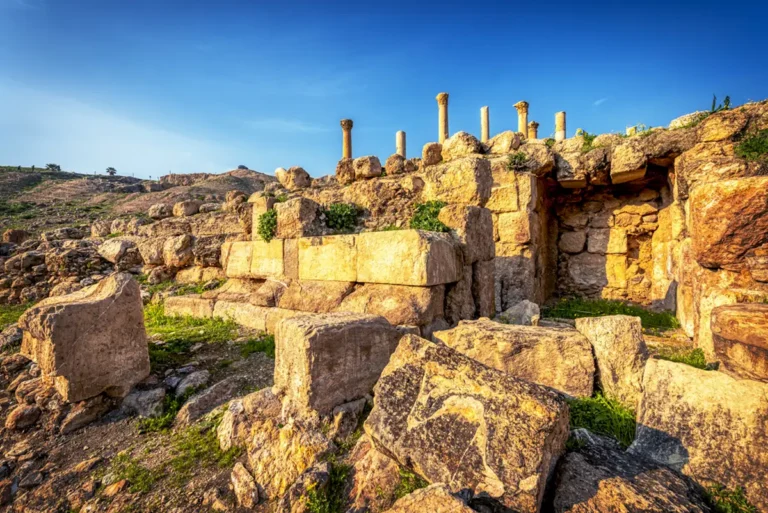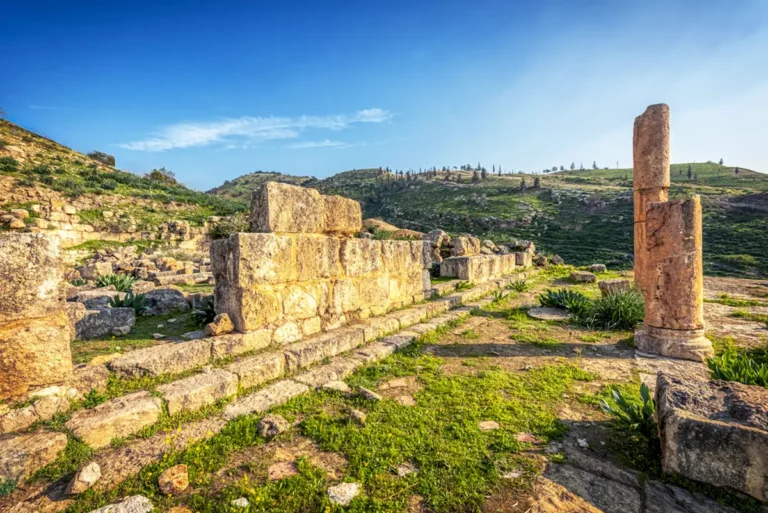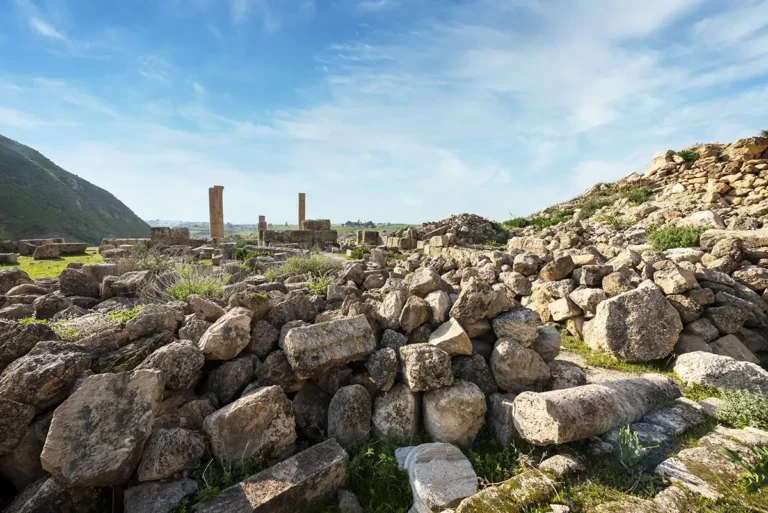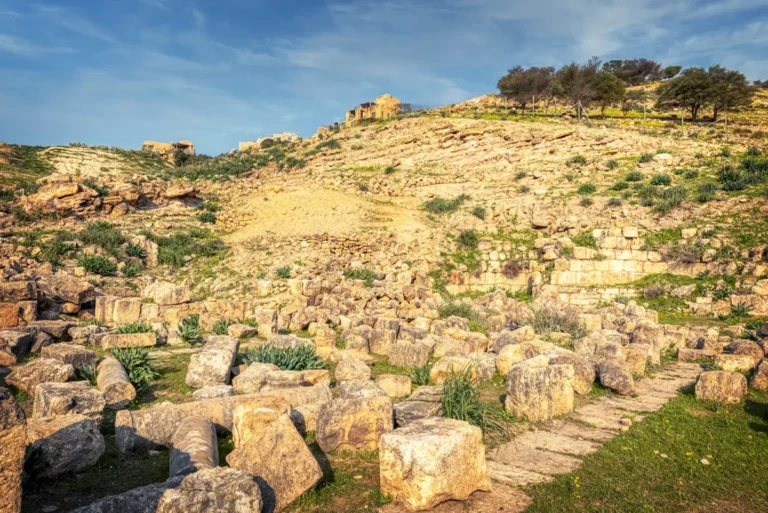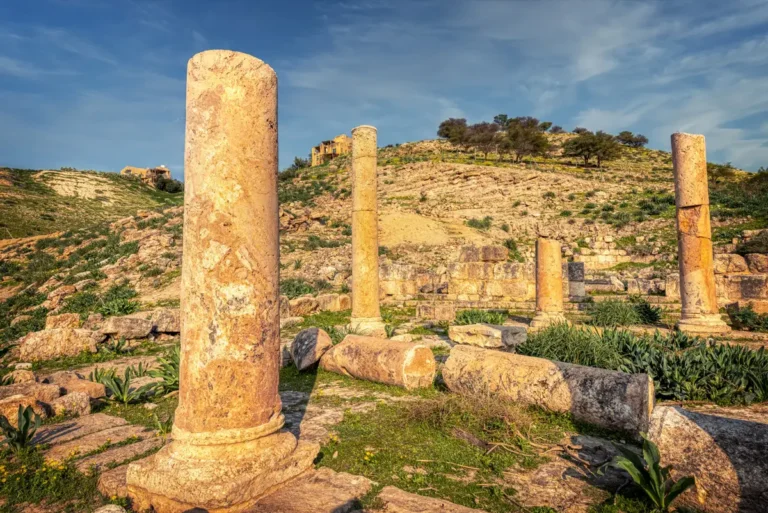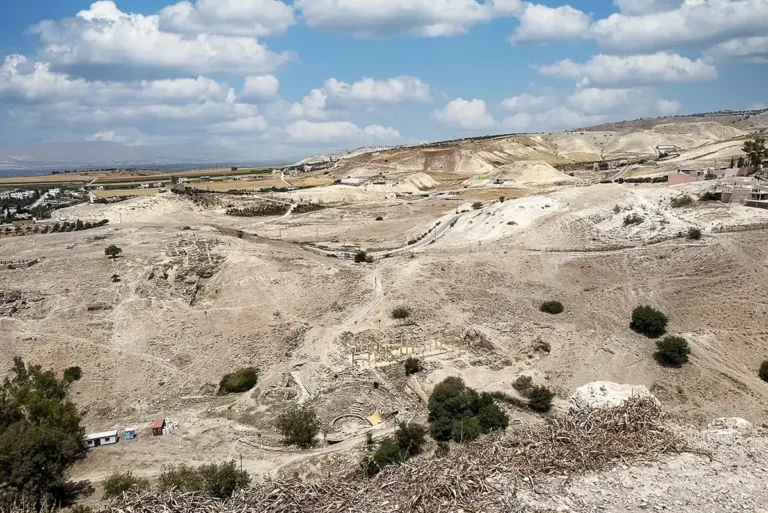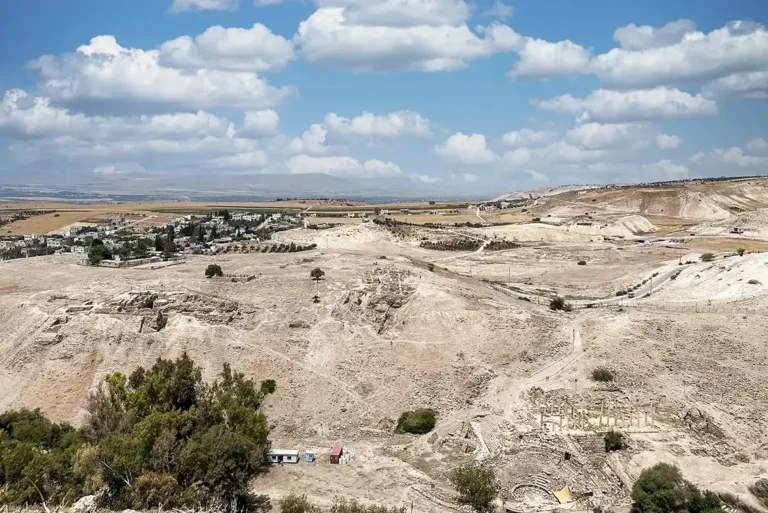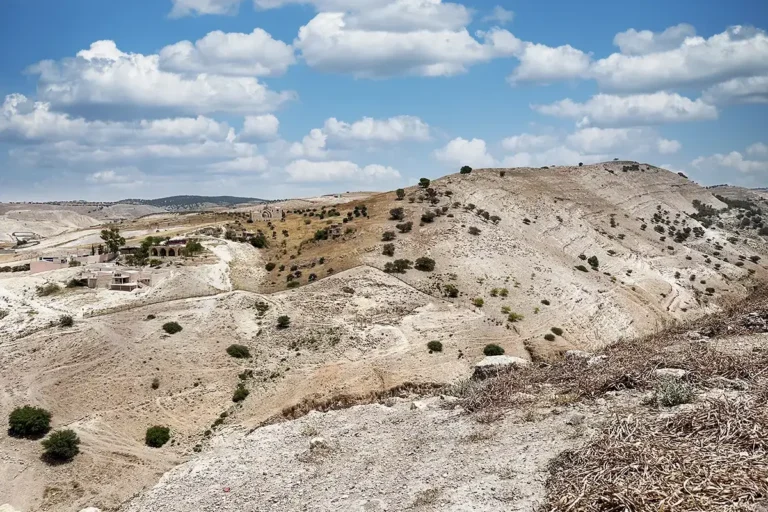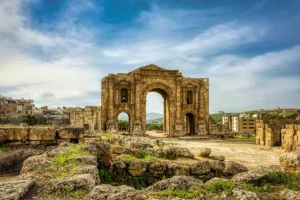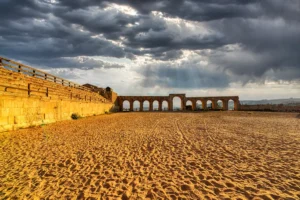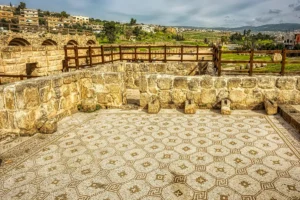
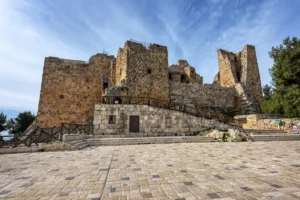
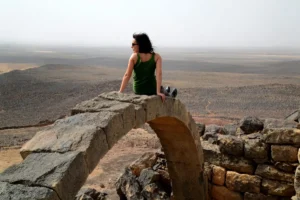
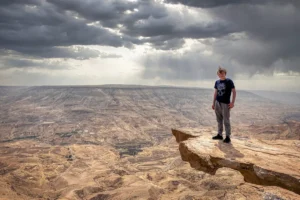
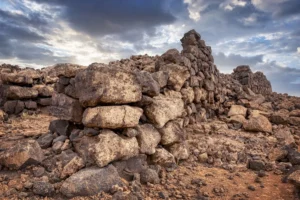
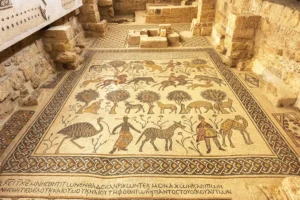
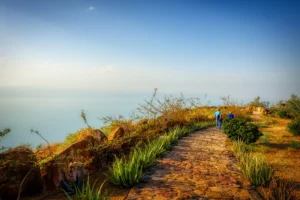
There are places that reveal history one chapter at a time. Then there is Pella (Tabaqat Fahl), where thousands of years of human civilisation lie layered beneath your feet. Hidden among the fertile fields and perennial springs of Jordan’s northern Jordan Valley, Pella is one of the country’s most extraordinary archaeological landscapes, yet it remains remarkably free of crowds. Here, Neolithic farmers, Canaanite rulers, Greek settlers, Roman citizens, Byzantine pilgrims, Umayyad merchants, and Mamluk villagers all left their mark on the same landscape.
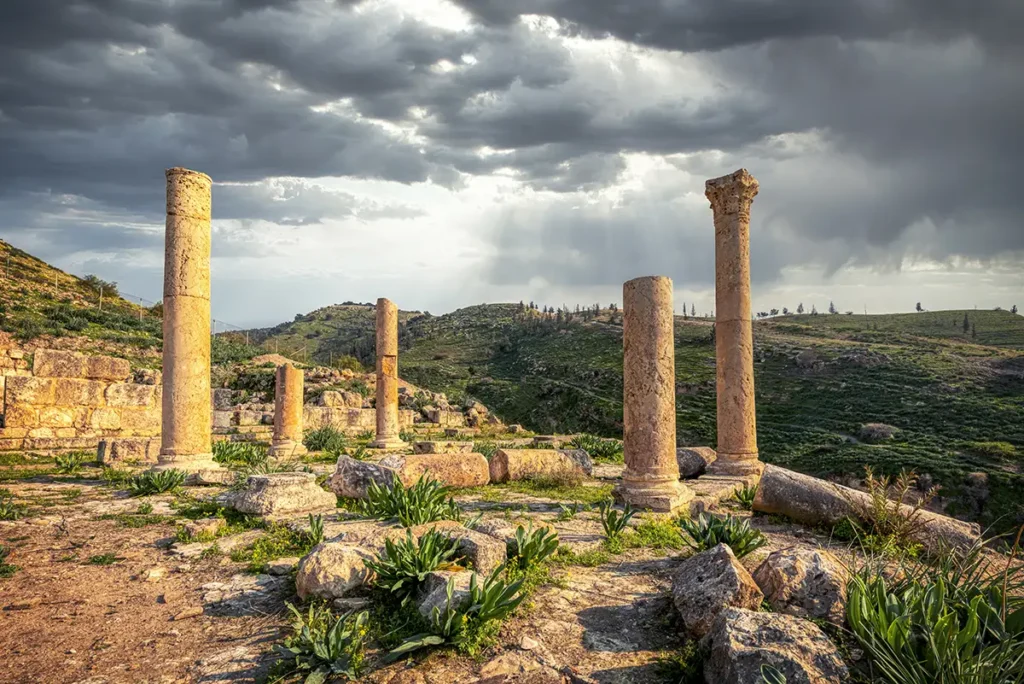
Unlike Petra, whose monuments were carved into rose-red cliffs, or Jerash, renowned for its grand Roman avenues, Pella tells a broader story. It is a place where entire civilisations overlap. Every path leads through another era, every mound conceals another chapter, and every stone contributes to a narrative that stretches back more than 8,000 years. Few archaeological sites in the Middle East offer such a continuous record of human settlement.
A City Shaped by Water
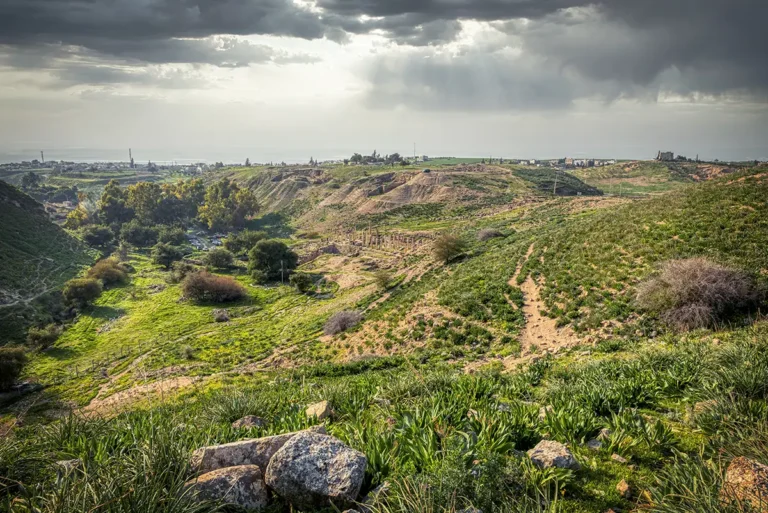
Pella owes its existence to one essential resource: water. Natural springs emerging from the surrounding limestone hills created a fertile oasis above the Jordan Valley, supporting agriculture long before the first cities appeared. Even today, lush vegetation surrounds the ruins, offering a striking contrast to the arid landscapes often associated with Jordan.
The abundance of water transformed Pella into an important crossroads linking the Jordan Valley with the highlands of northern Jordan, Galilee, Damascus, and the Mediterranean coast. Caravans, merchants, pilgrims, soldiers, and empires all passed through this strategic gateway.
Walking Through Eight Thousand Years
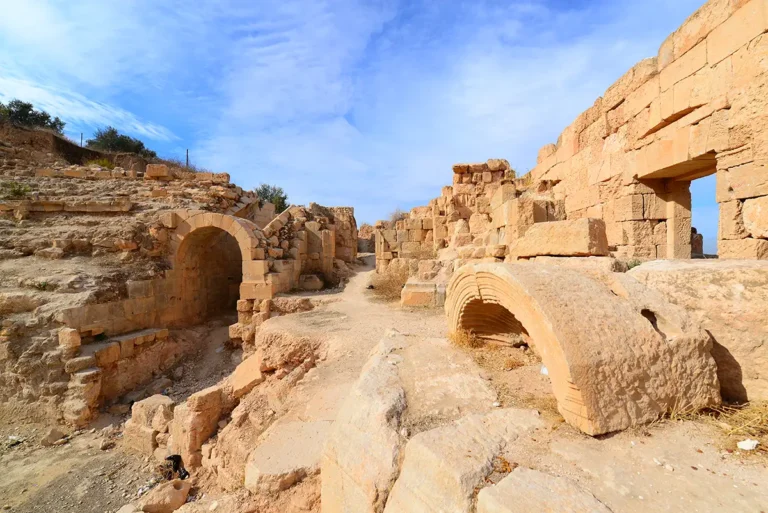
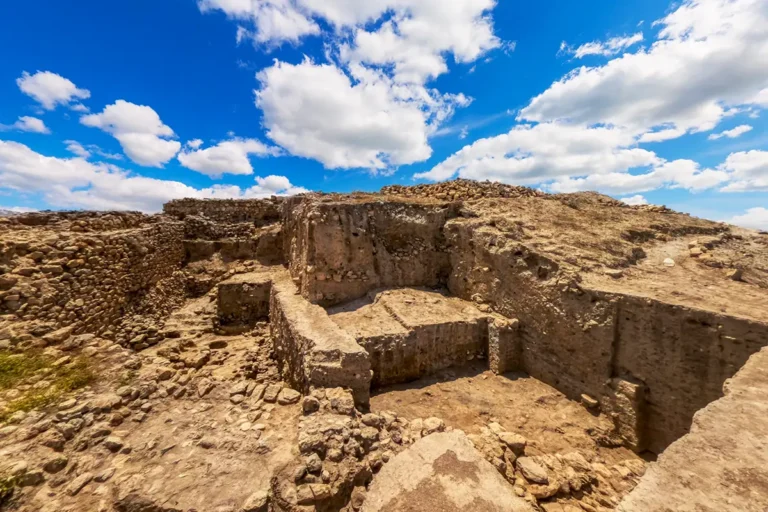
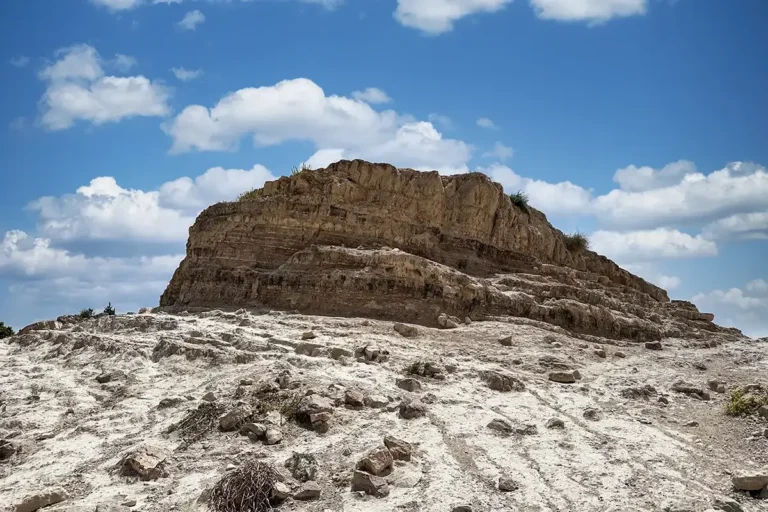
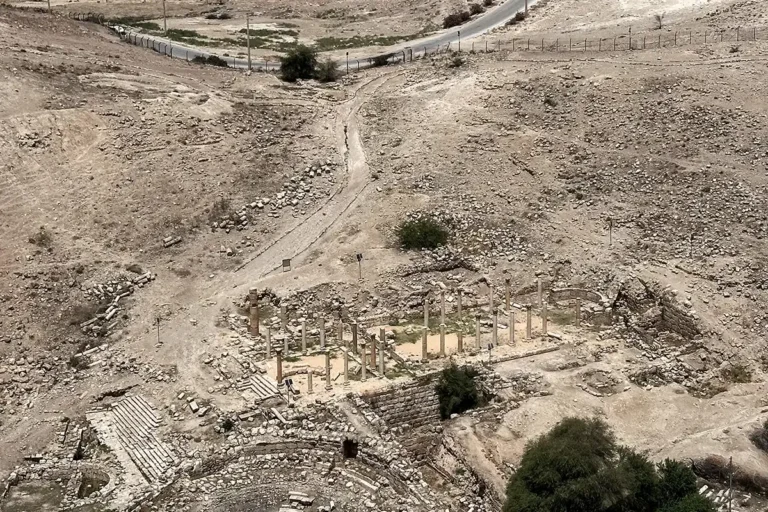
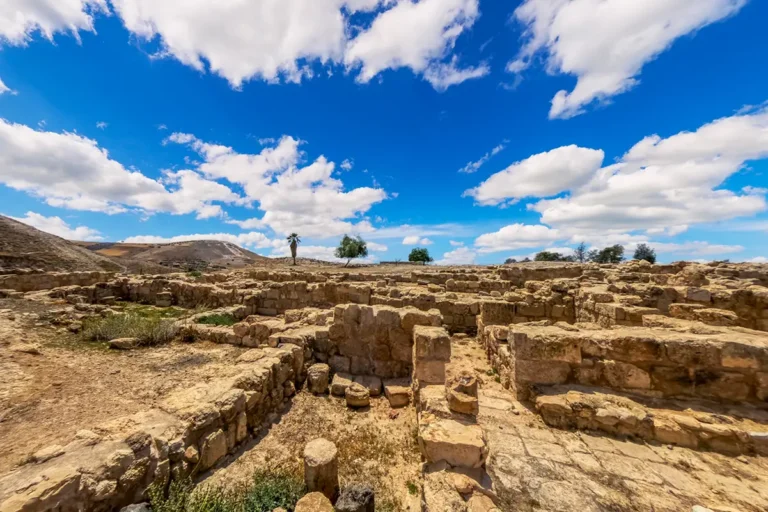
Exploring Pella feels less like visiting a single archaeological site and more like travelling through time. The lower city preserves the remains of Roman streets, Byzantine churches, and Islamic neighbourhoods, while the towering Acropolis (Tell al-Husn) overlooks the entire valley from the original settlement mound.
Archaeologists have uncovered evidence from virtually every major historical period of the Levant:
- Neolithic farming communities
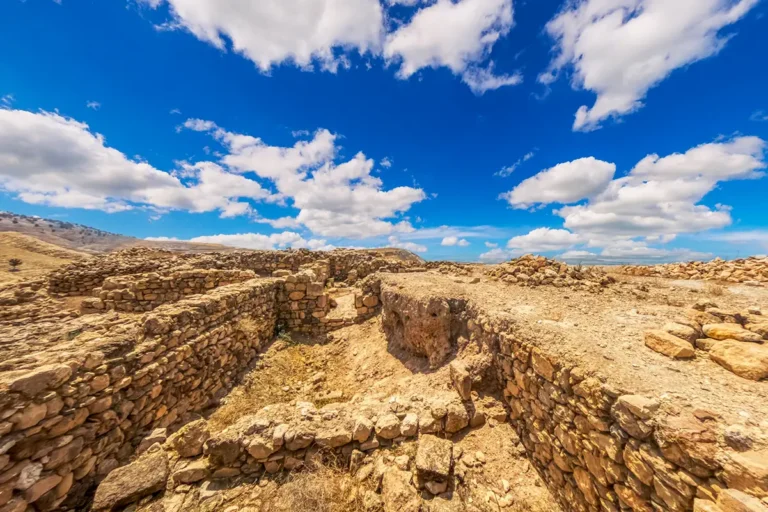
- Early Bronze Age fortifications
- Iron Age settlements
- Hellenistic city planning
- Roman public monuments
- Byzantine churches
- Umayyad residential quarters
- Mamluk religious buildings
Each generation built upon the foundations of those before it, creating an archaeological record unlike almost anywhere else in Jordan.
Highlights of Ancient Pella
Roman Odeon
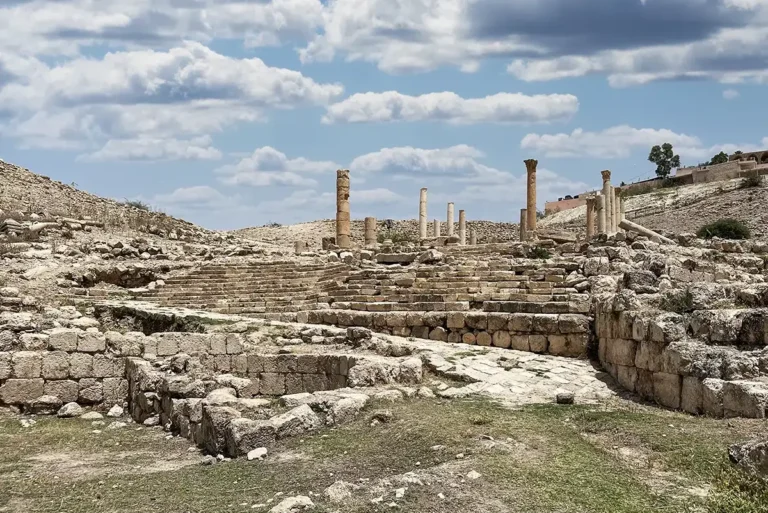
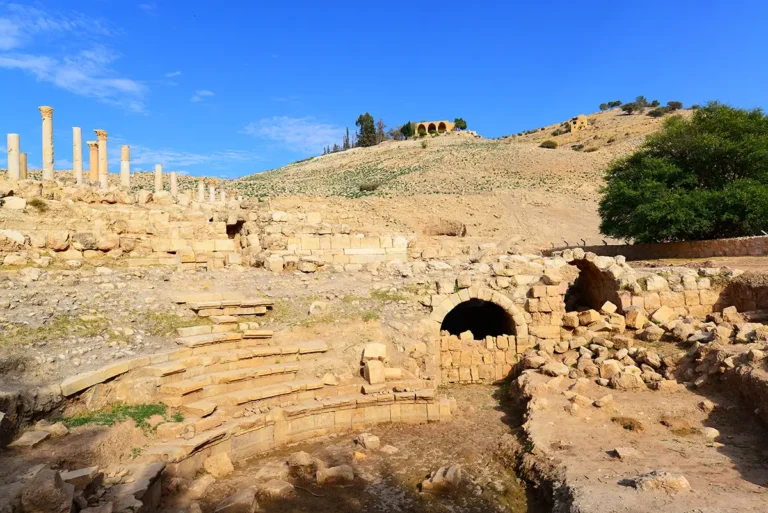
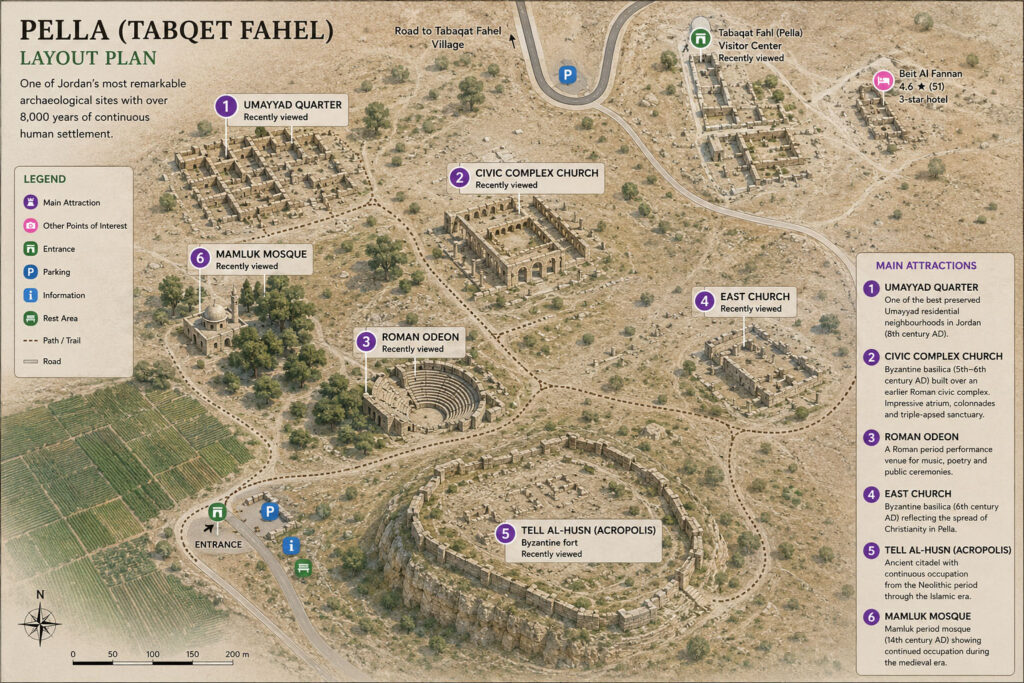
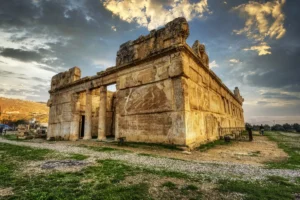
The beautifully restored Roman Odeon remains one of Pella’s most photogenic monuments. Unlike the massive theatres found elsewhere in the Roman world, this intimate performance venue hosted music, poetry, civic assemblies, and public ceremonies. Sitting among its limestone seats, it is easy to imagine audiences gathering nearly two thousand years ago beneath the open Jordanian sky.
Civic Complex Church
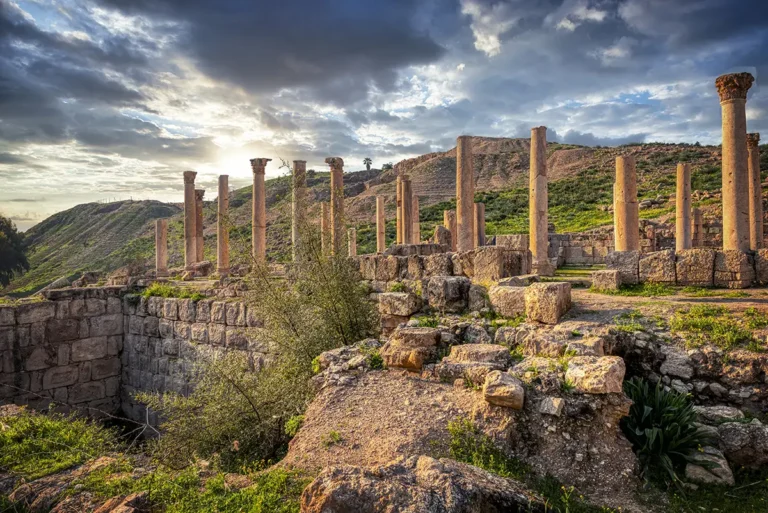
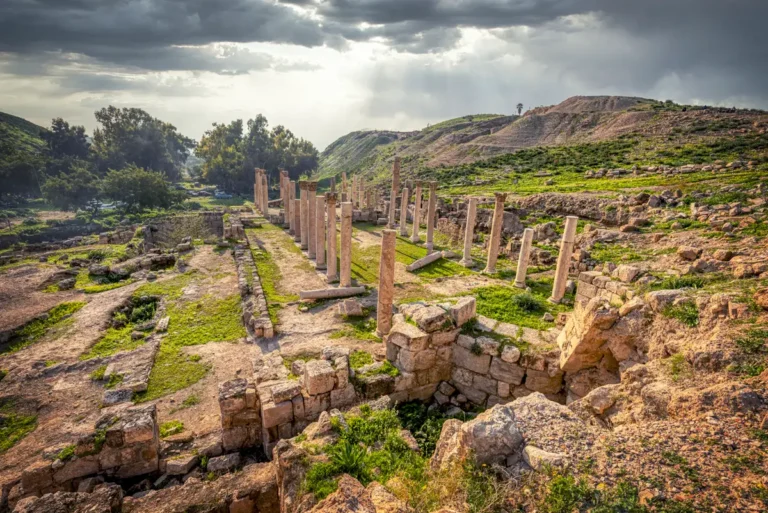
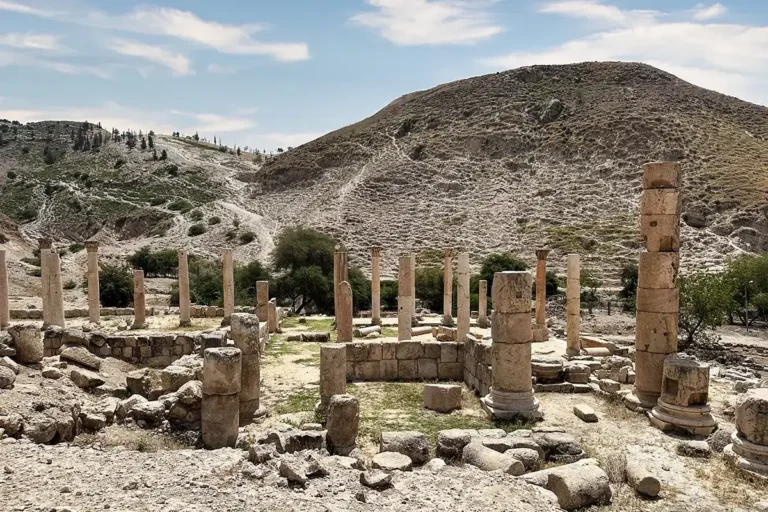
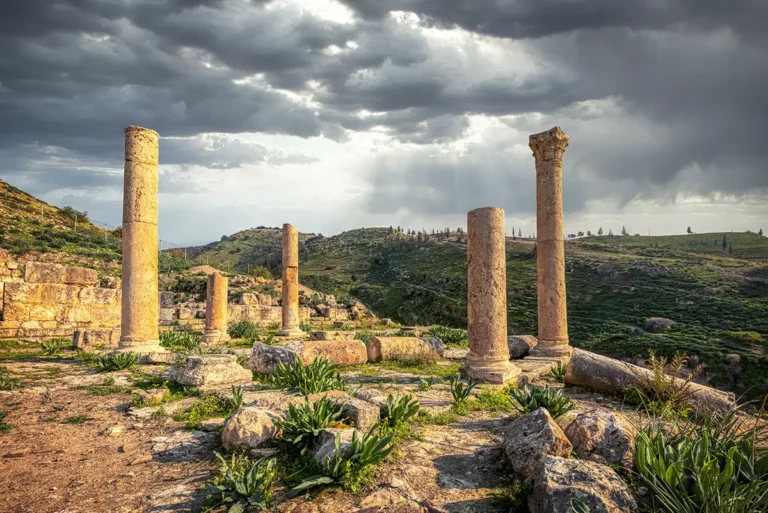
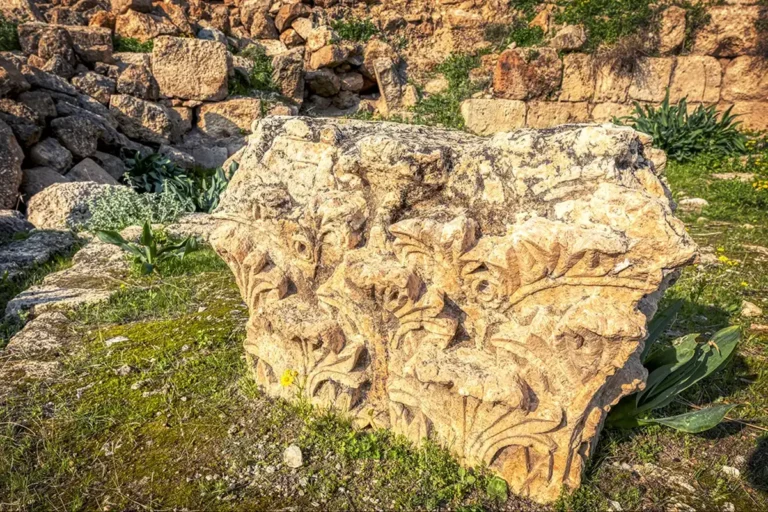
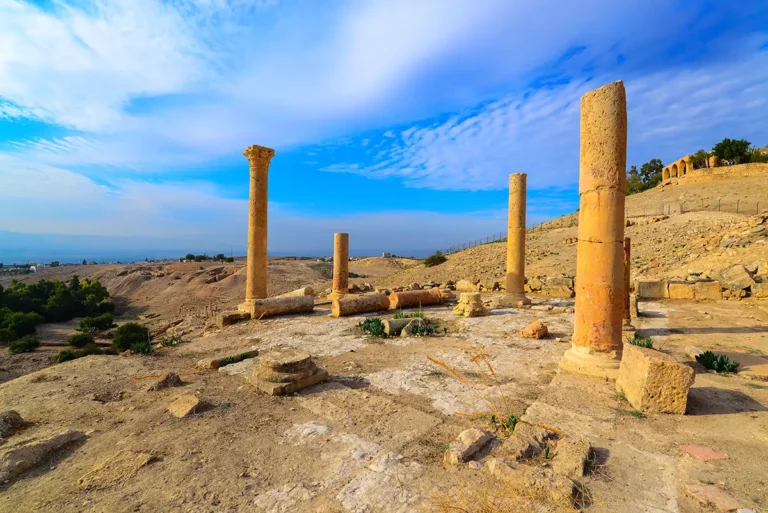
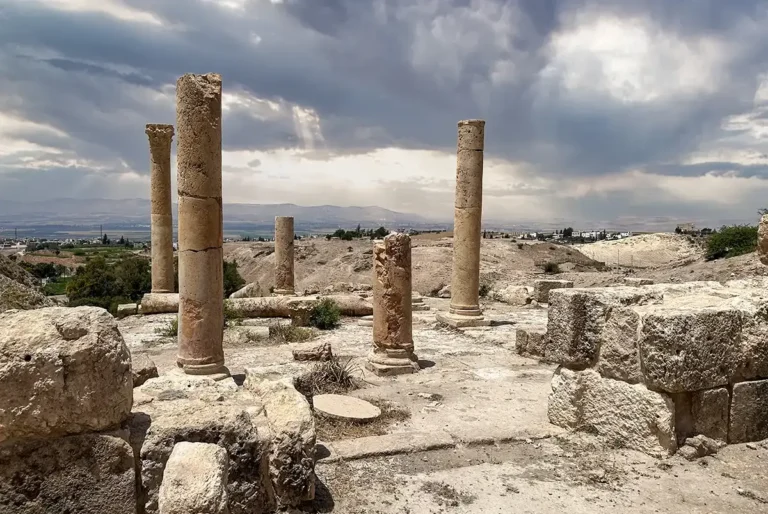
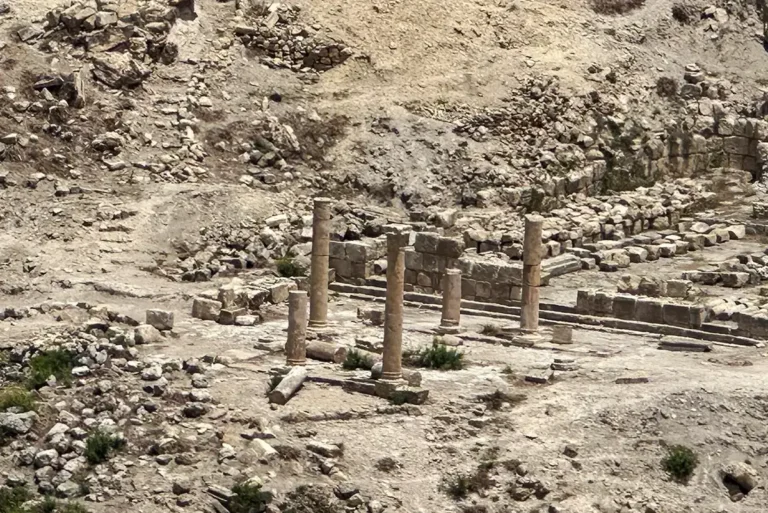
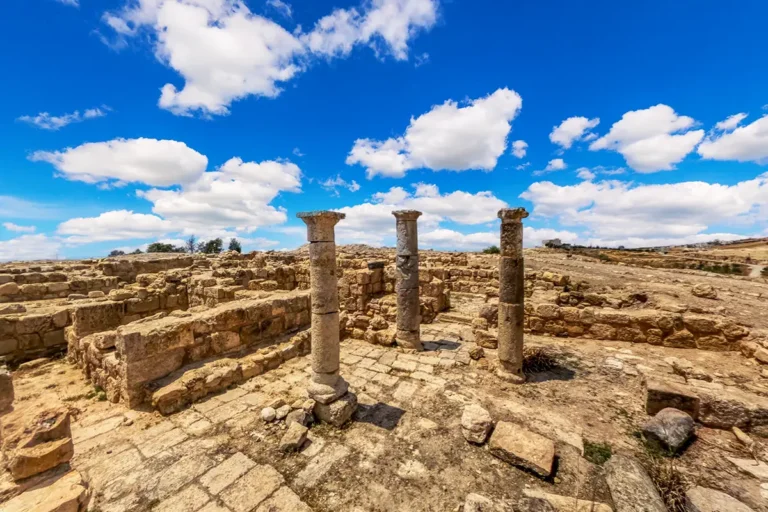
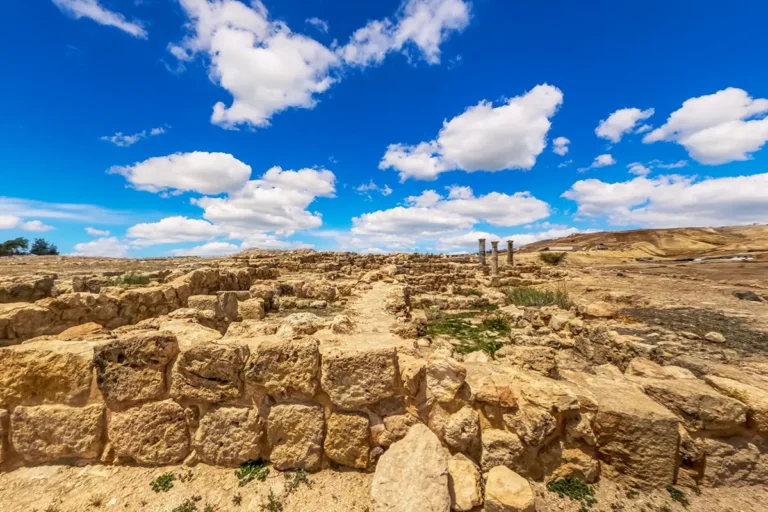
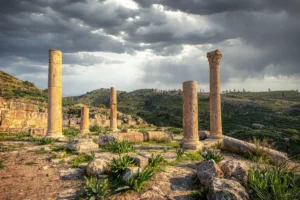
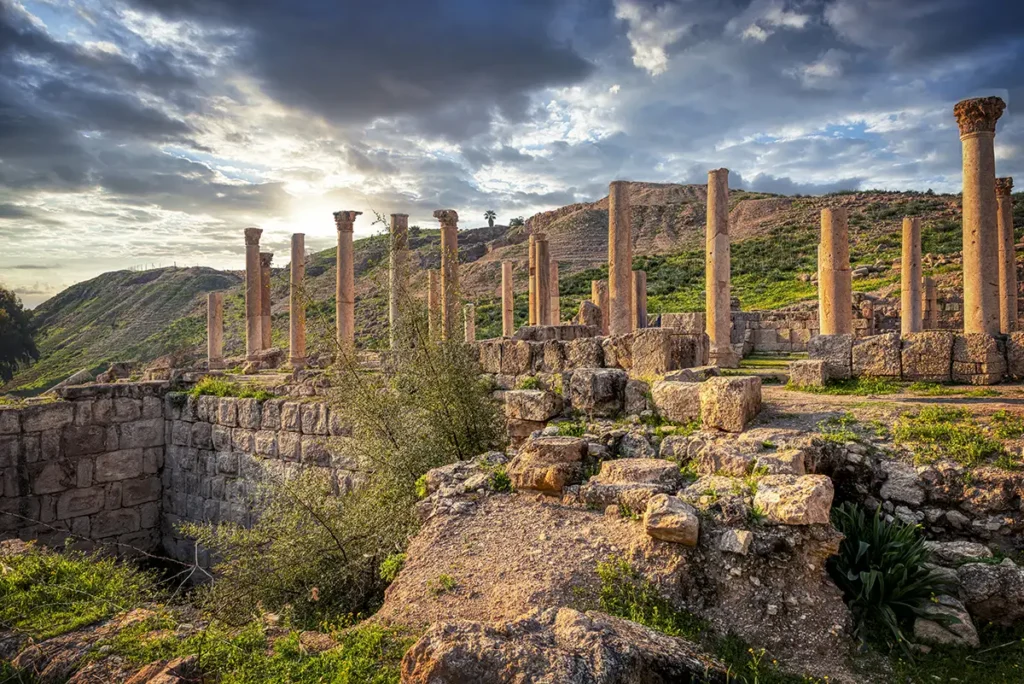
Dominating the Byzantine city, the Civic Complex Church was likely Pella’s cathedral during the fifth and sixth centuries AD. Its spacious basilica, triple apse, atrium, and imposing columns reflect the city’s importance as a regional Christian centre during Late Antiquity.
East Church
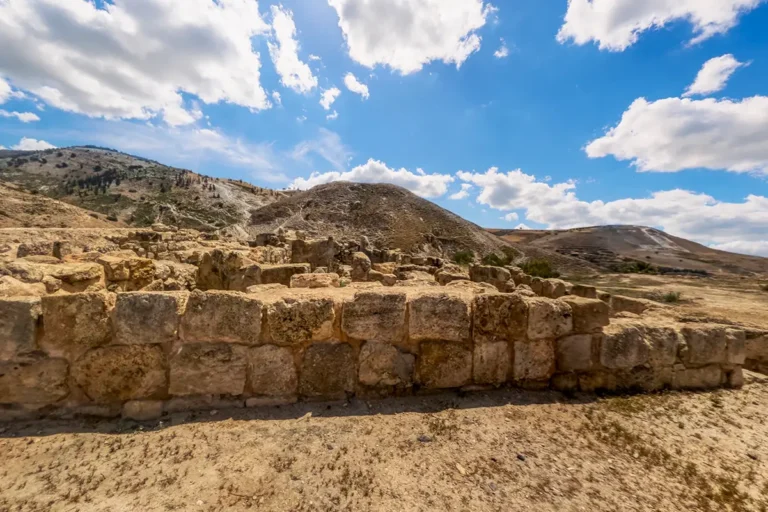
Less monumental but equally fascinating, the East Church illustrates the spread of Christianity throughout Byzantine Pella. Its surviving foundations reveal the elegant proportions of an early basilica set against the backdrop of the surrounding hills.
Umayyad Quarter
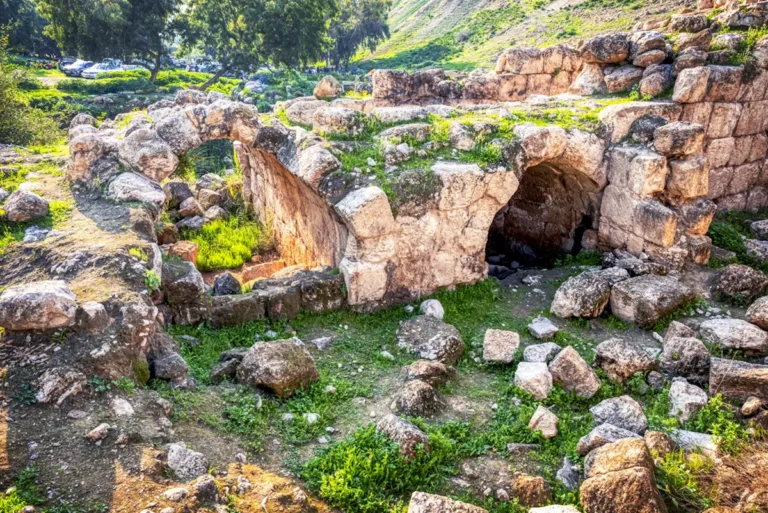
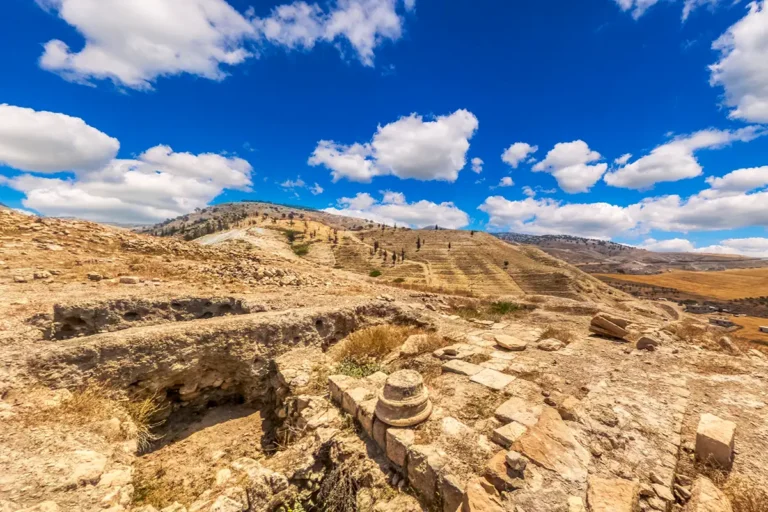
One of Pella’s greatest archaeological treasures is its remarkably preserved Umayyad Quarter. Narrow lanes, courtyards, domestic buildings, workshops, and storage rooms provide a vivid glimpse into everyday urban life during the early Islamic period. Much of the neighbourhood was frozen in time by the devastating earthquake of AD 749, preserving an exceptionally detailed snapshot of an Umayyad town.
Mamluk Mosque
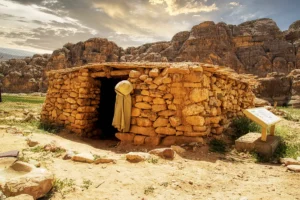
Adjacent to the Umayyad Quarter stands a modest Mamluk-period mosque, evidence that Pella continued to serve local communities centuries after the decline of its Roman and Byzantine prominence. It represents another chapter in the site’s remarkable continuity of occupation.
Acropolis (Tell al-Husn)
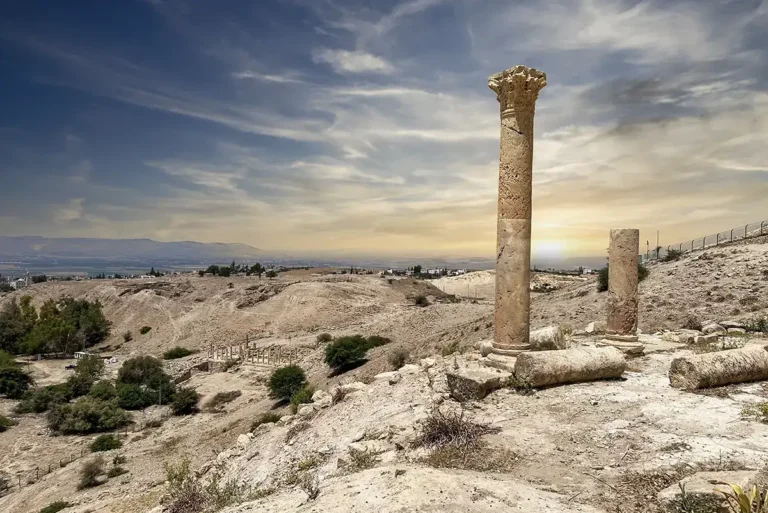
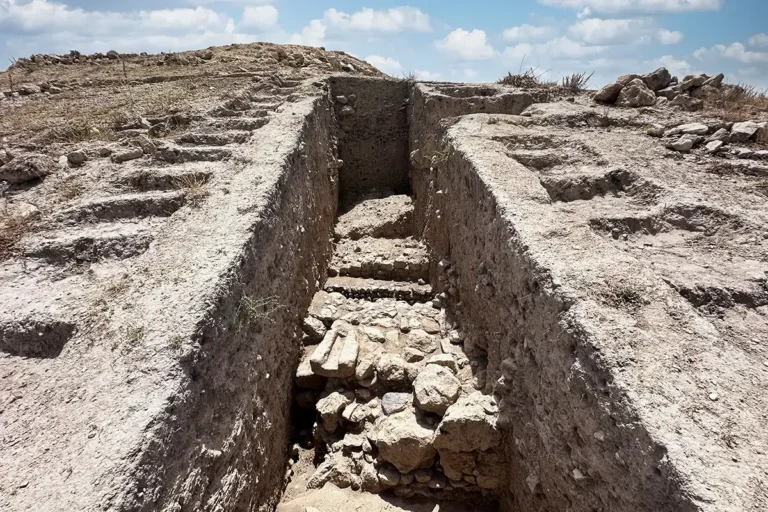
Rising above the lower city, Tell al-Husn rewards visitors with panoramic views across the Jordan Valley. From this commanding hilltop, the strategic importance of Pella becomes immediately apparent. Excavations have revealed fortifications, temples, administrative buildings, and settlements dating from the earliest periods of occupation through the Islamic era.
Beyond the Ruins
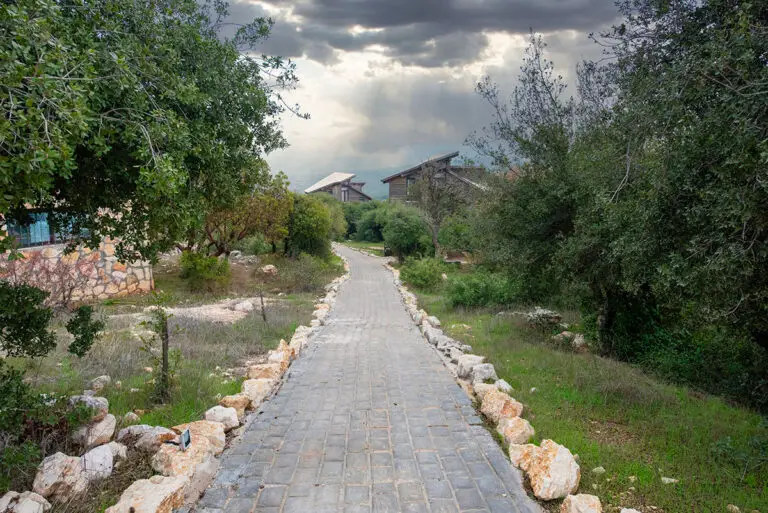
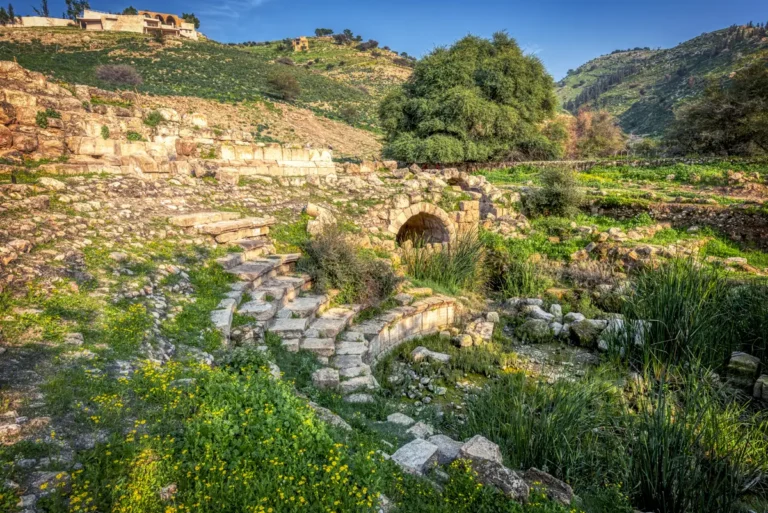
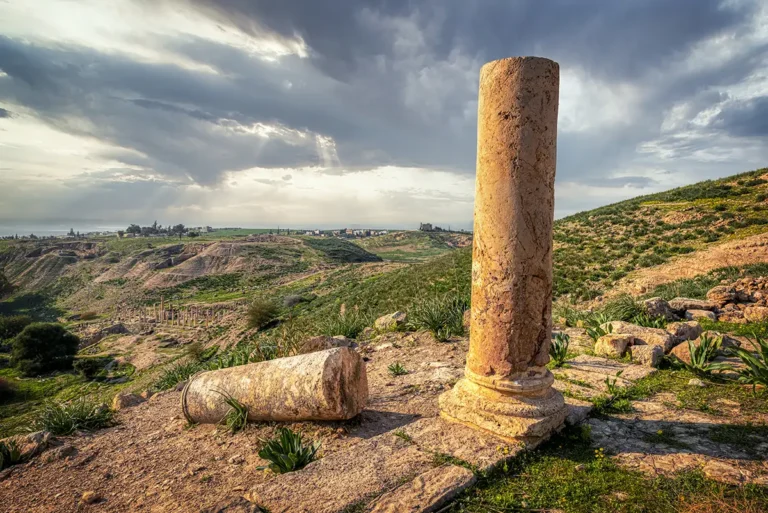
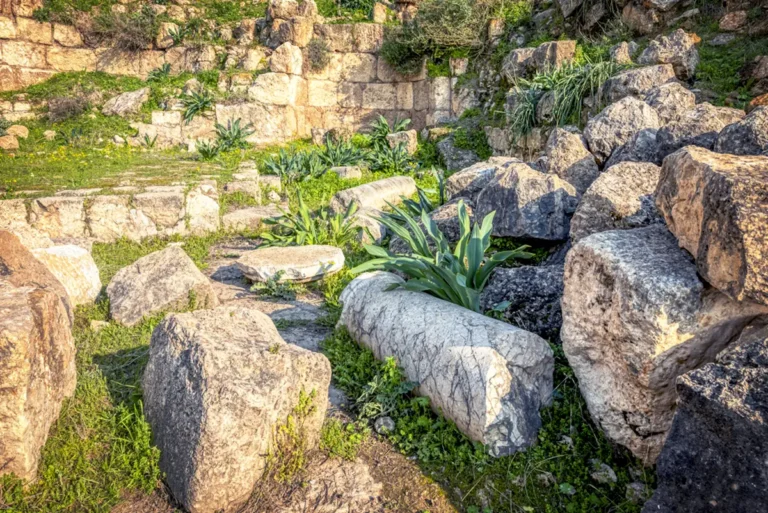
One of Pella’s greatest pleasures is simply wandering. Ancient streets weave between olive trees and wildflowers. Seasonal streams flow beside Roman walls. Birds circle above Byzantine columns while distant hills fade into the haze of the Jordan Valley. The site offers countless opportunities for photographers, hikers, historians, and families seeking a quieter alternative to Jordan’s more famous destinations.
Because the archaeological park remains relatively uncrowded, visitors often experience something increasingly rare: moments of complete silence among monuments that have witnessed thousands of years of history.
A Living Landscape
Pella is not merely a collection of ruins. It remains an evolving archaeological landscape where excavations continue to reveal new discoveries. Every season adds fresh insights into ancient trade, religion, architecture, and daily life. The surrounding village of Tabaqat Fahl, nearby agricultural fields, and flowing springs remind visitors that this has always been a place where people lived, farmed, worshipped, and built communities.
Planning Your Visit
Pella lies approximately 90 kilometres northwest of Amman and can be reached in about 90 minutes by car. The drive descends dramatically from Jordan’s highlands into the fertile Jordan Valley, offering spectacular scenery along the way. The site is best explored on foot, allowing plenty of time to wander between monuments and climb the Acropolis for its sweeping views.
Spring and autumn provide the most comfortable weather, while winter often transforms the valley into one of Jordan’s greenest landscapes. Early morning and late afternoon offer the best light for photography.
Why Pella Matters
Pella rarely appears on lists of the Middle East’s great archaeological destinations, yet it deserves to stand alongside Petra, Jerash, and Umm Qais. Few places preserve such an uninterrupted record of human civilisation, and fewer still present it within such a peaceful natural setting.
For travellers willing to venture beyond Jordan’s best-known attractions, Pella offers something increasingly precious: the chance to experience history at its own pace. Here, the past is not confined to museums or isolated monuments. It stretches across hillsides, beneath olive trees, beside flowing springs, and along ancient streets that have carried countless generations before us.
Key Moments in History
c. 7000–6000 BC – First Neolithic Settlement
One of Jordan’s earliest farming communities was established around Pella’s perennial springs, making it one of the oldest continuously occupied settlements in the Levant.
c. 3200–2000 BC – Early Bronze Age City
Pella developed into a fortified Canaanite city with defensive walls, temples, and extensive trade connections throughout the Near East.
c. 1550–1200 BC – Late Bronze Age Prosperity
The city flourished under Egyptian influence and became an important regional centre mentioned in ancient Near Eastern records.
Key Moments in History
c. 7000–6000 BC – First Neolithic Settlement
One of Jordan’s earliest farming communities was established around Pella’s perennial springs, making it one of the oldest continuously occupied settlements in the Levant.
c. 3200–2000 BC – Early Bronze Age City
Pella developed into a fortified Canaanite city with defensive walls, temples, and extensive trade connections throughout the Near East.
c. 1550–1200 BC – Late Bronze Age Prosperity
The city flourished under Egyptian influence and became an important regional centre mentioned in ancient Near Eastern records.
c. 1200–332 BC – Iron Age Kingdoms
Despite regional upheaval following the Bronze Age collapse, Pella remained occupied and continued to serve as an important settlement during the Iron Age.
332 BC – Hellenistic Period Begins
Following Alexander the Great’s conquest, Pella was transformed into a Hellenistic city with Greek architecture, culture, and urban planning.
1st Century BC – Member of the Decapolis
Pella became one of the ten cities of the Roman Decapolis, emerging as a prosperous commercial and administrative centre.
AD 63 – Roman Rule
The Roman annexation of the region brought economic growth, leading to the construction of public buildings, paved streets, baths, temples, and the Roman Odeon.
AD 66–70 – Jewish Revolt
According to early Christian tradition, Jerusalem’s Christian community fled to Pella before the destruction of Jerusalem, making the city significant in early Christian history.
5th–6th Centuries AD – Byzantine Golden Age
Pella reached another period of prosperity with the construction of monumental churches, including the Civic Complex Church, East Church, and West Church, becoming an important Christian centre.
AD 635–636 – Islamic Conquest
Pella peacefully entered the Islamic period following the Muslim conquest of the Levant and continued to prosper under the Rashidun and Umayyad Caliphates.
8th Century AD – Umayyad Flourishing
A thriving residential quarter was built, reflecting Pella’s continued importance as an early Islamic town.
AD 749 – Devastating Earthquake
A powerful earthquake struck the Jordan Valley, destroying much of the city. The Umayyad Quarter was abandoned, preserving an exceptional archaeological snapshot of daily life.
13th–15th Centuries AD – Mamluk Occupation
Settlement continued on a smaller scale. The construction of the Mamluk Mosque demonstrates that Pella remained an inhabited religious and agricultural centre during the medieval period.
Ottoman Period (1516–1918)
The surrounding area continued to be cultivated, while many ancient ruins gradually became buried beneath centuries of soil and vegetation.
1958–Present – Archaeological Excavations
Modern excavations by international teams have uncovered more than 8,000 years of continuous occupation, revealing one of Jordan’s richest archaeological landscapes. Today, Pella is recognised as one of the country’s most important heritage sites, with ongoing research continually reshaping our understanding of the ancient Near East.