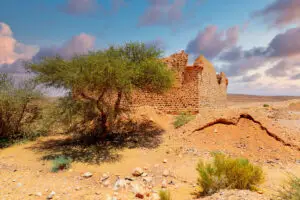
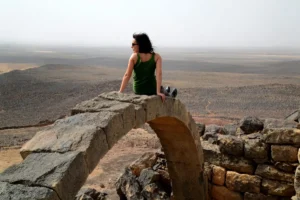
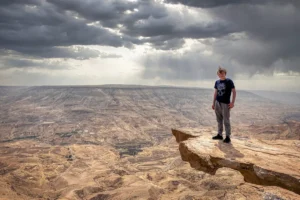
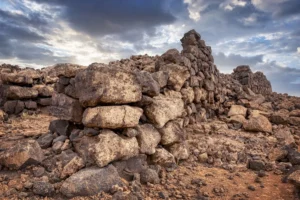
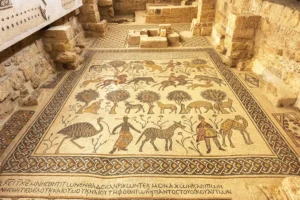
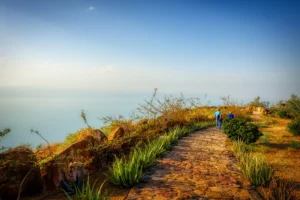
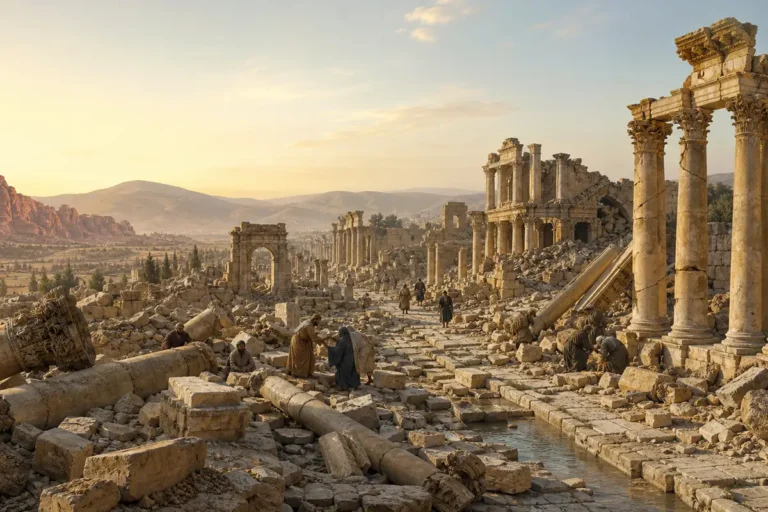
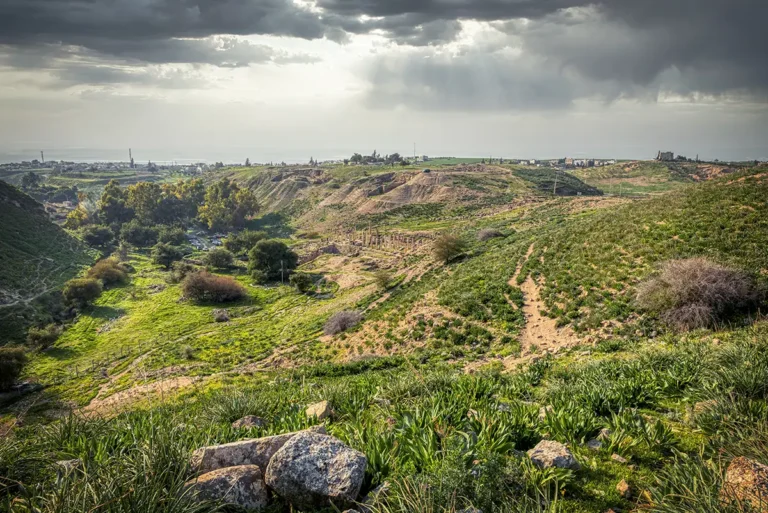
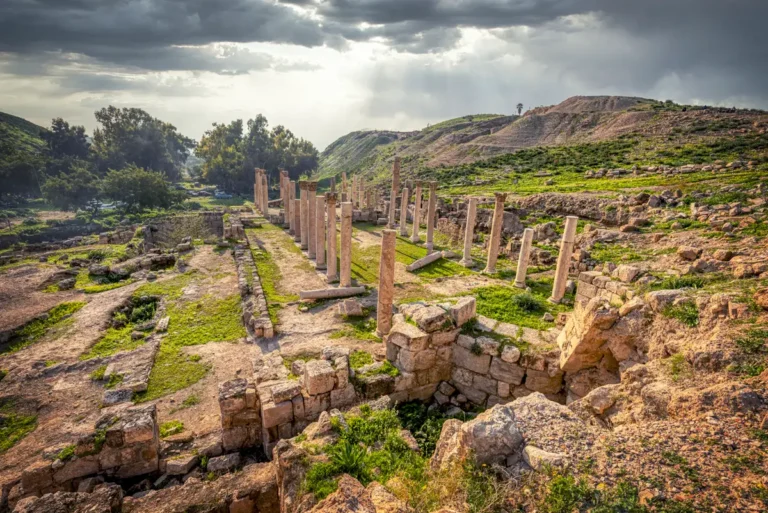
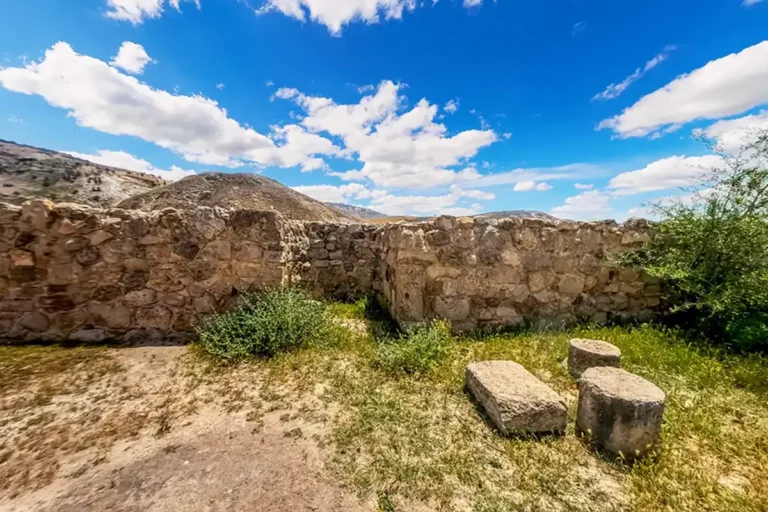
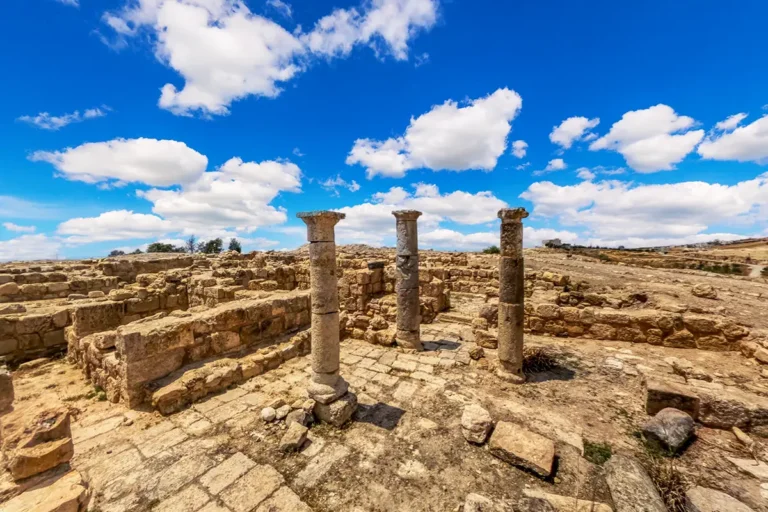
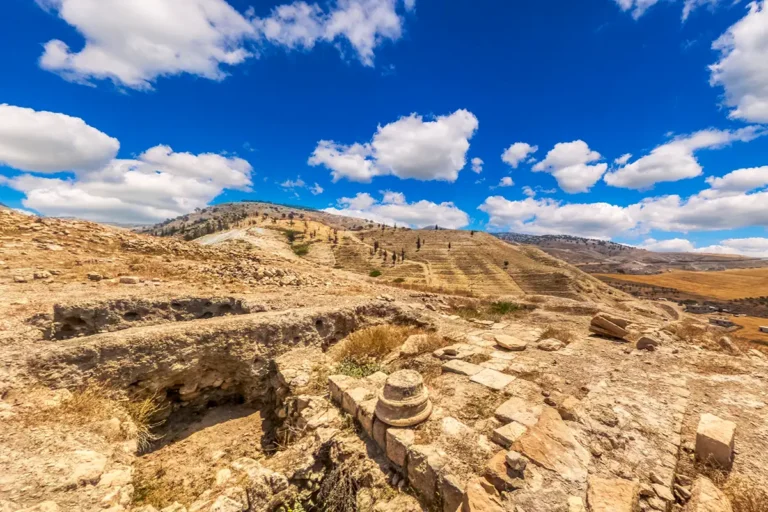
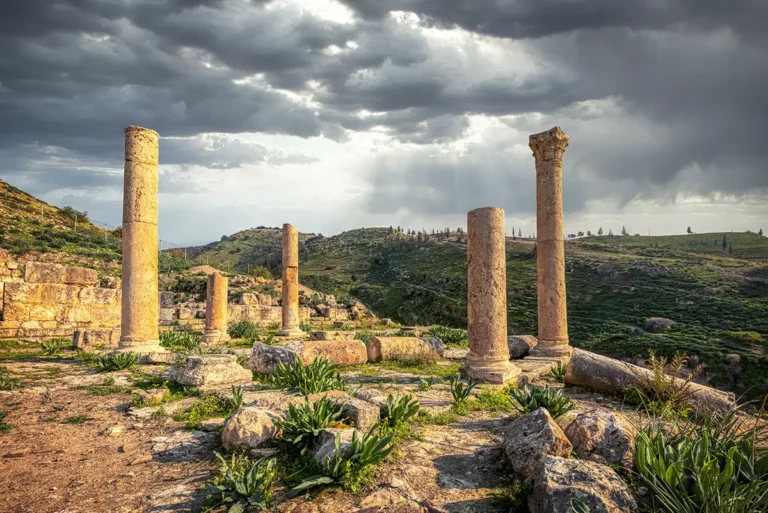
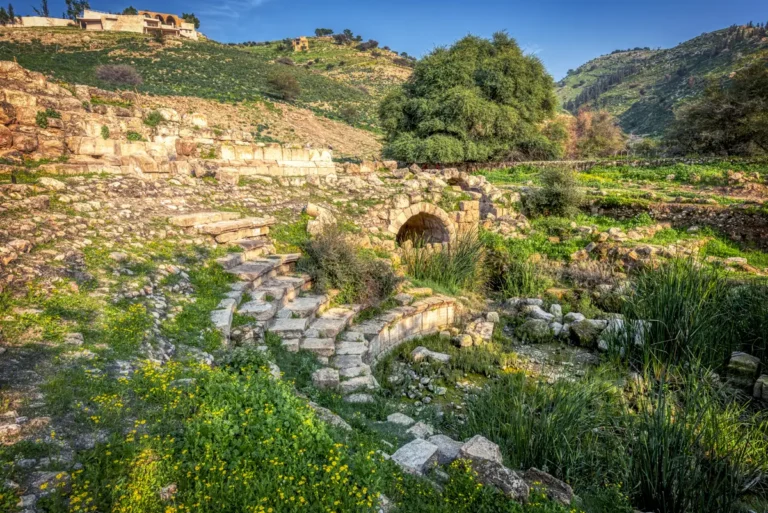
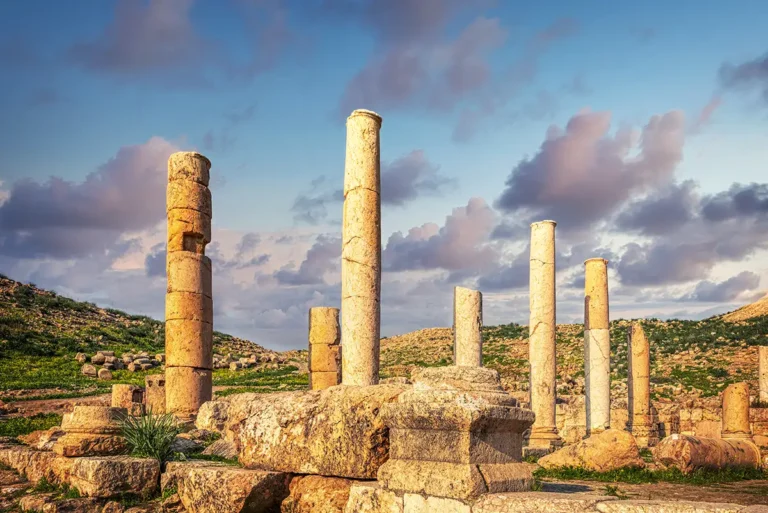
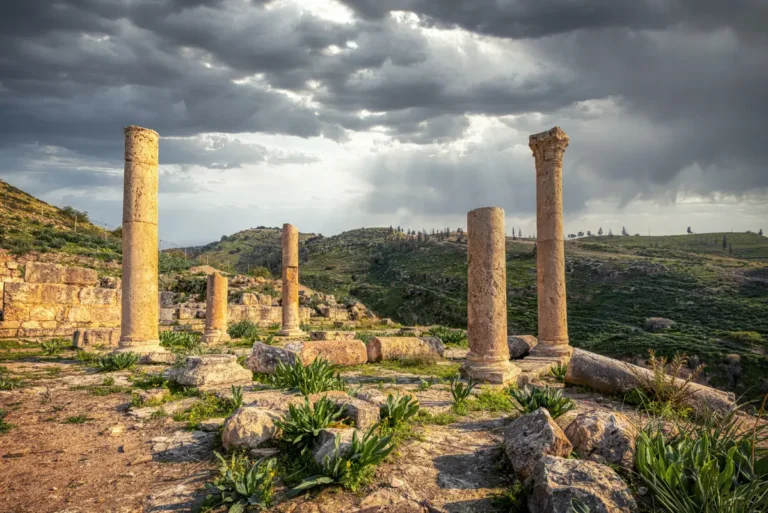
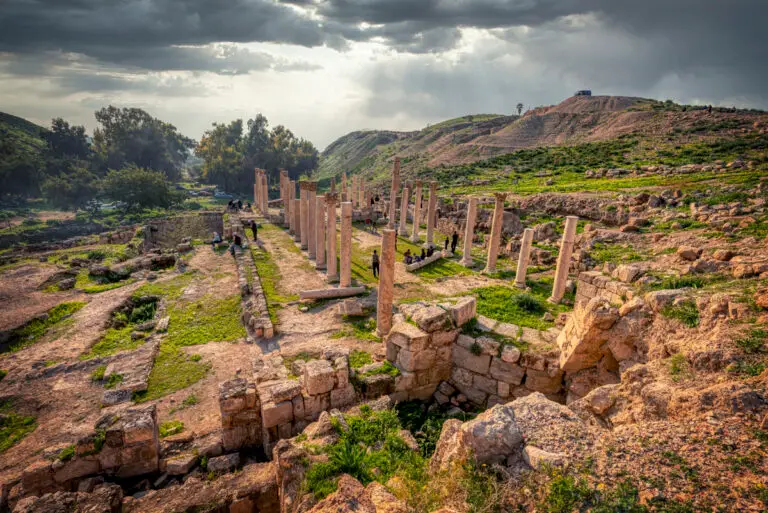
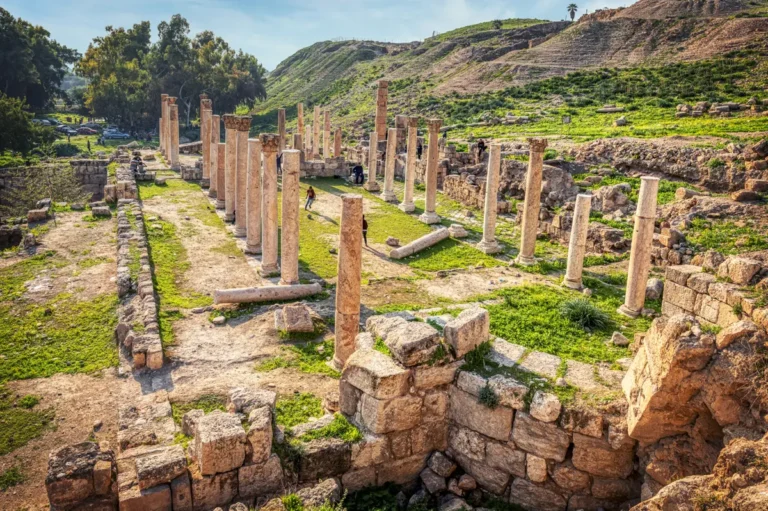
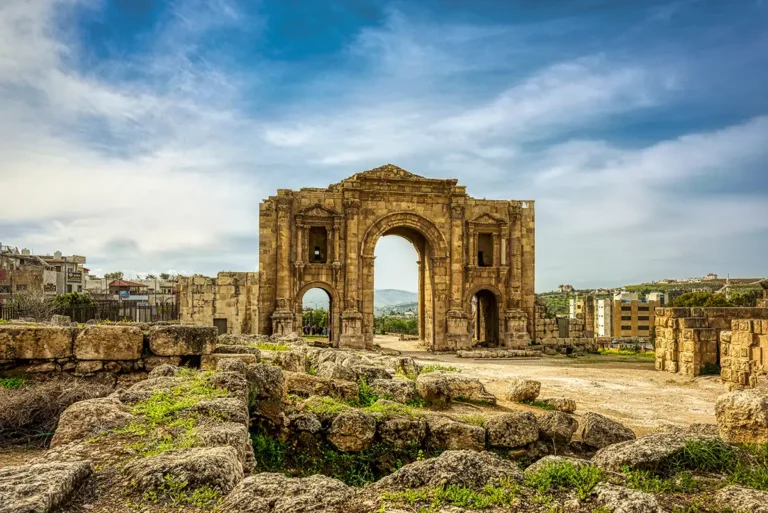
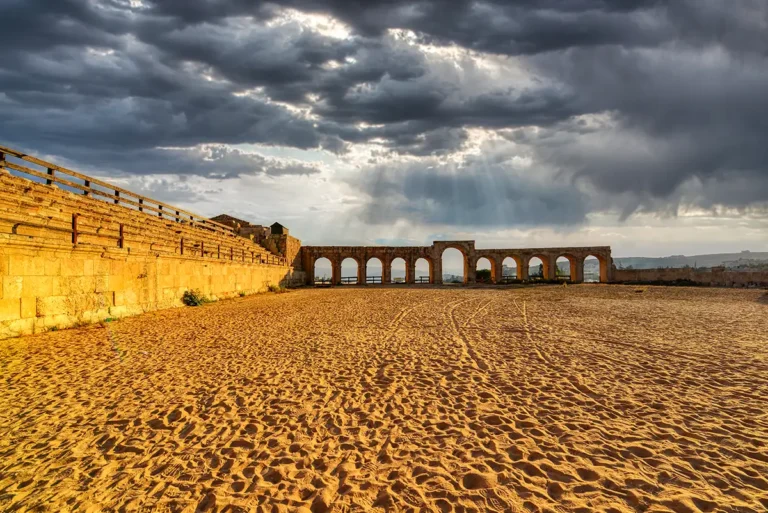
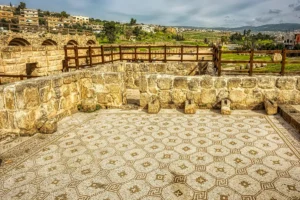
Pella (Tabaqat Fahl) is one of Jordan’s most significant archaeological sites, offering an extraordinary journey through more than 8,000 years of continuous human occupation. Nestled in the lush Jordan Valley, about 30 kilometres south of the Sea of Galilee, Pella was an important member of the Roman Decapolis, but its history stretches back to the Neolithic, Bronze Age, Iron Age, Hellenistic, Byzantine, Islamic, Mamluk, and Ottoman periods. Unlike many archaeological sites in the region, Pella combines remarkably preserved ruins with a picturesque natural landscape of fertile plains, perennial springs, and surrounding hills, making it both a historical treasure and a scenic destination.
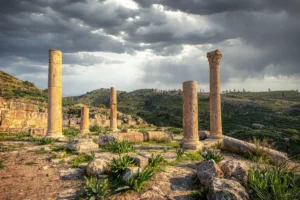
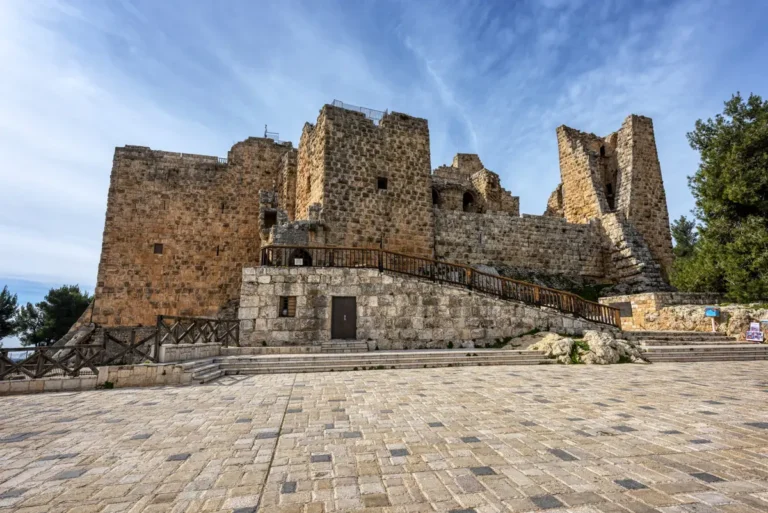
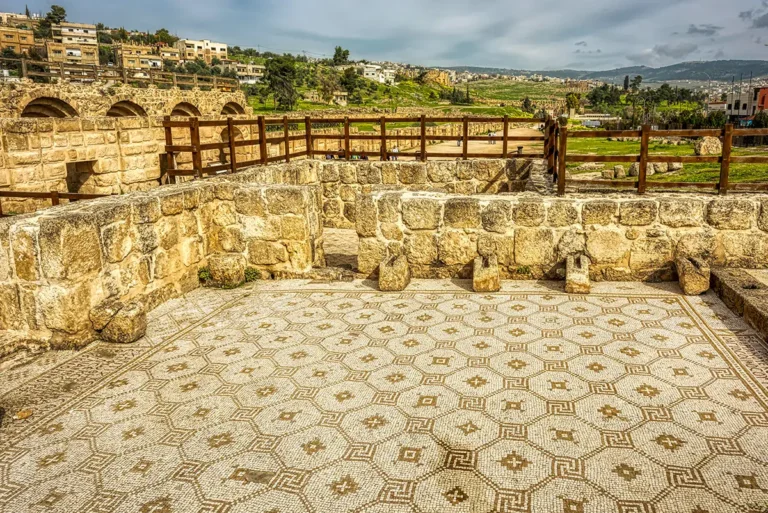
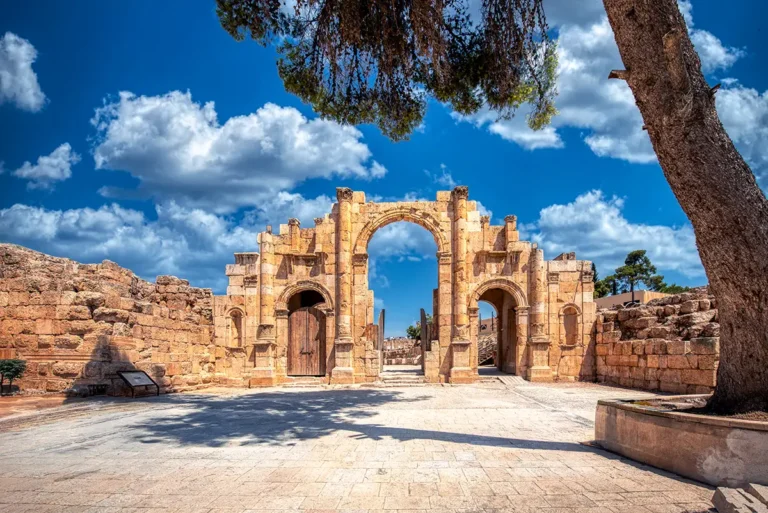
Visitors can explore an impressive collection of monuments that illustrate the city’s long and diverse history. Highlights include the Roman Odeon, the monumental Civic Complex Church, the East Church, and the West Church, alongside the well-preserved Umayyad Quarter, the nearby Mamluk Mosque, and the hilltop Acropolis (Tell al-Husn), which offers sweeping panoramic views over the archaeological site and the Jordan Valley. Ancient streets, bathhouses, fountains, residential quarters, and fortifications further reveal the evolution of Pella across successive civilisations. Whether wandering through the ruins, viewing immersive 360° panoramas, or exploring detailed photo galleries, visitors can experience one of the Middle East’s richest and most rewarding archaeological landscapes.