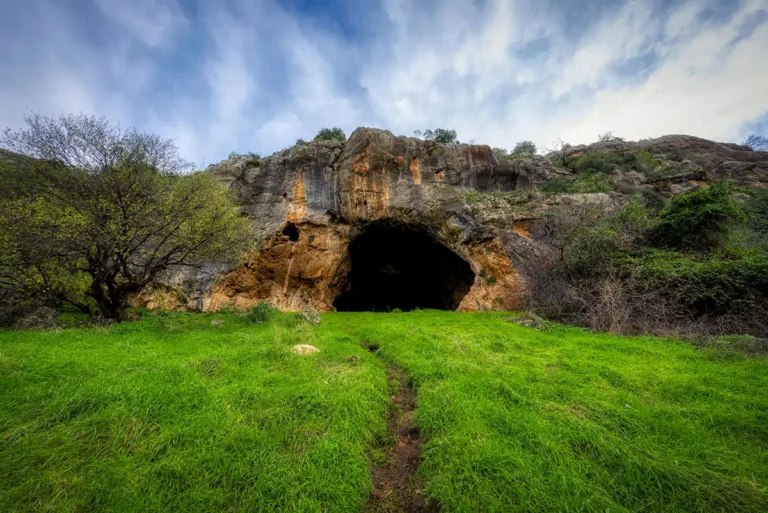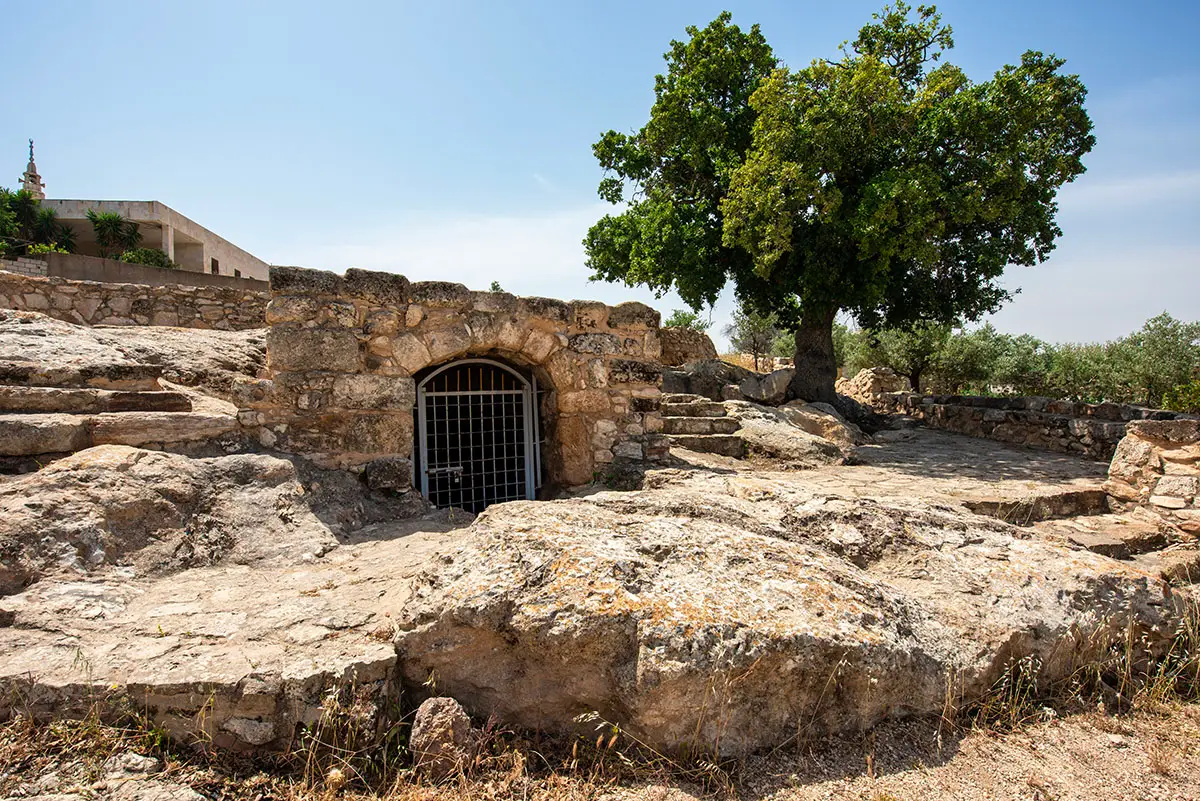
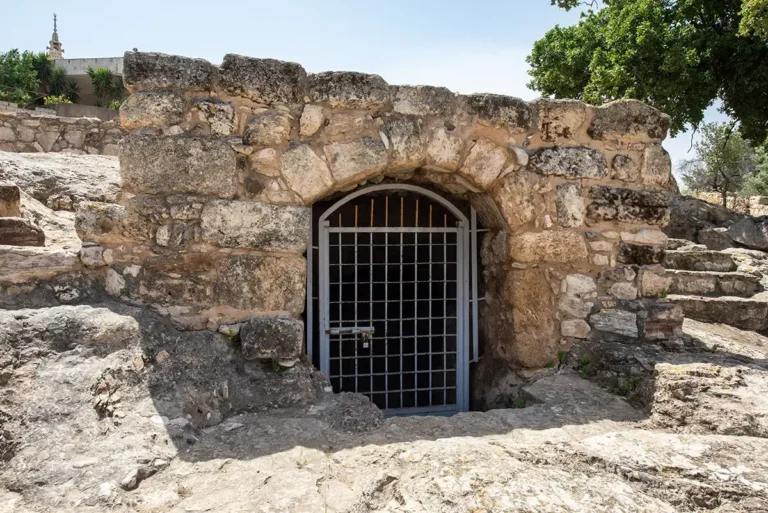


In the green hills above the Jordan Valley, an arched doorway in the bedrock opens into a small natural cave. Local people call it Kahf as-Sayyid al-Masih — the Cave of Christ — and say that Jesus rested here on his journey east of the Jordan.
Where Is Jesus Cave?
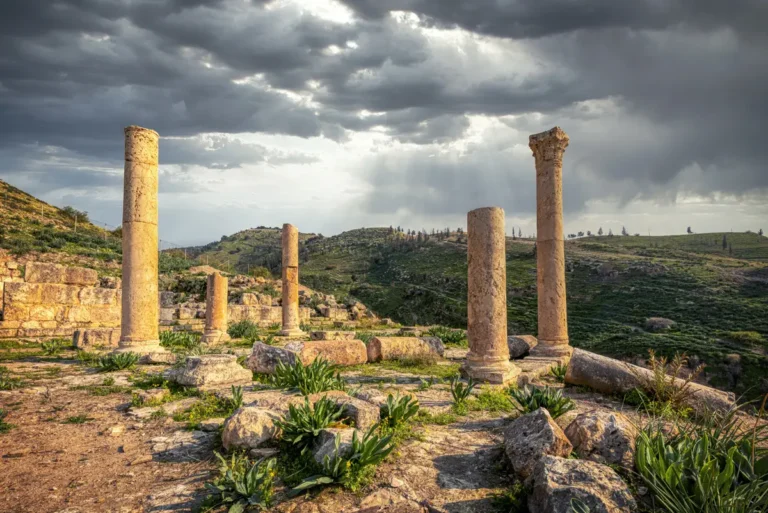
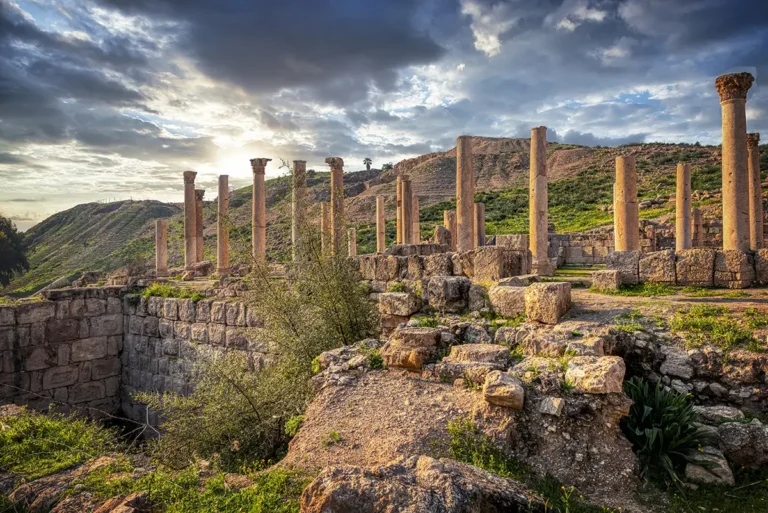
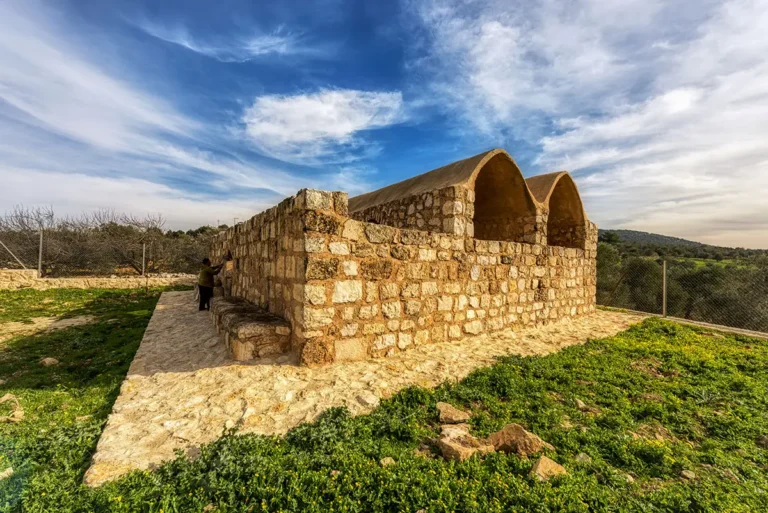
The cave lies in the al-Kura district of Irbid Governorate, near the village of Bayt Idis, on slopes that look out over the Jordan Valley. Across the hillside stands the Byzantine church known as Jesus Church; ancient Pella lies a few kilometres to the west.
Historical Context and Origin
According to a tradition handed down by local families, Jesus stayed in the cave for forty days after crossing the Jordan from Galilee, on his way to teach in the cities of the Decapolis. No ancient text or archaeological find confirms the story, but the cave stands in a landscape that was busy in Roman and Byzantine times, when olive oil and wine were produced here and a church was built on the facing slope.
Architectural Design
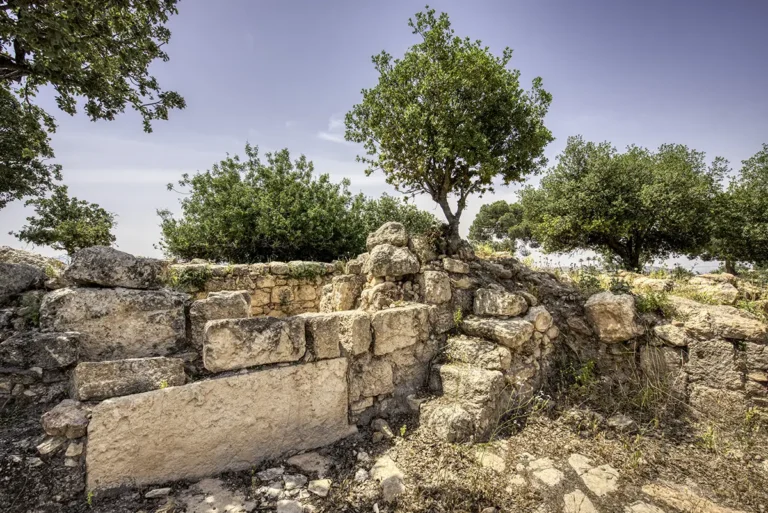
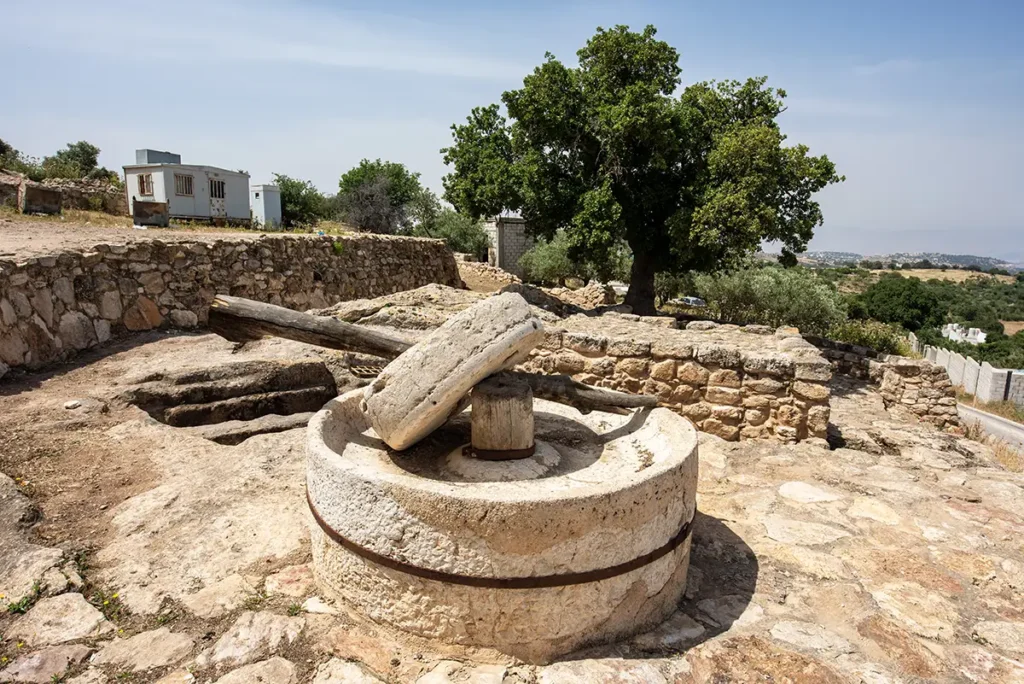
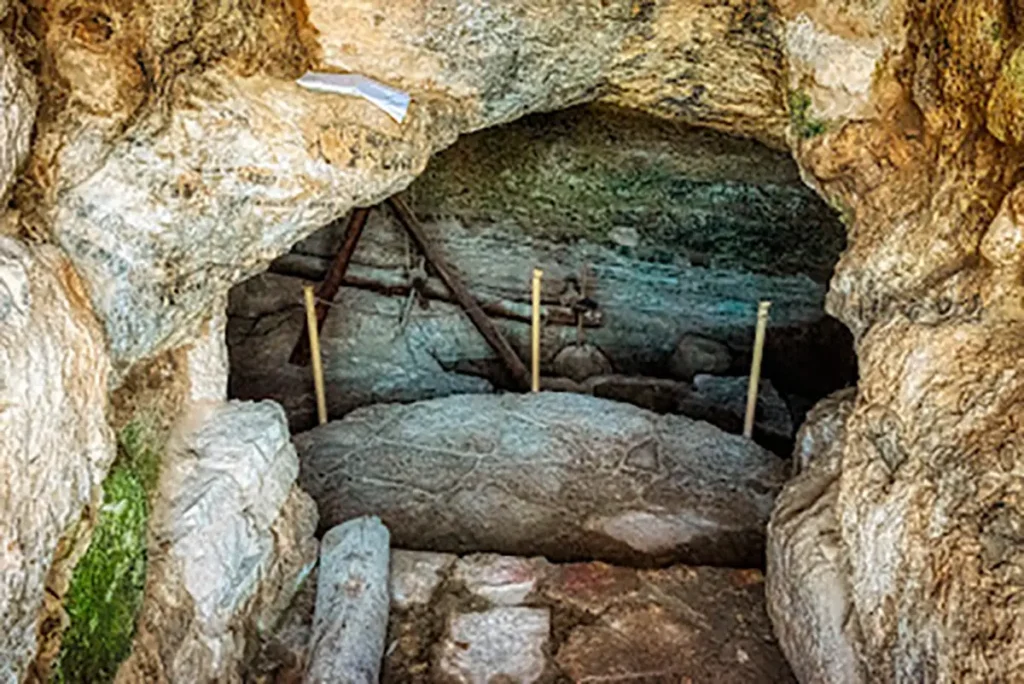
The cave itself is small and natural, with its entrance facing north-west; it can hold around fifty people. Inside are burial places and a basin described as a baptismal font, and wooden posts now support the rock ceiling. Outside are a Roman olive press — a round basin with its upright crushing stone — a grape press, rock-cut vats and channels, two rock-cut tombs and a well.
A Sacred Tradition
Local people believe Jesus rested here on his way from Galilee.
Roman Olive Press
A round crushing basin with its upright stone stands outside the cave.
Rock-Cut Installations
Vats, channels and niches are cut into the bedrock around it.
A Church Across the Slope
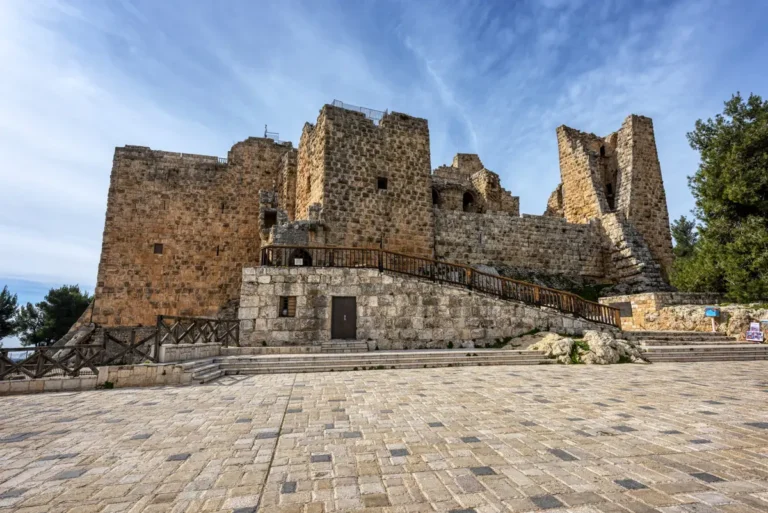
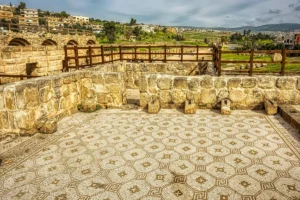
A Byzantine church with Greek mosaic inscriptions faces the cave.
One of Jordan’s “Jesus Caves”
Several caves in Jordan carry the name of Jesus. Another, near Umm Qais (ancient Gadara), is linked with his visit to the Gadarenes, and a third is at al-Bassah near Iraq al-Amir. The cave at Bayt Idis is the one paired with a Byzantine church, which gives its tradition a long Christian setting.
Destruction, Rediscovery, and Restoration
The cave was discovered in 1994. The Department of Antiquities restored it after its discovery, and in recent years it has been lit and guarded; in 2021 local residents widened the access road as volunteers. Local associations continue to ask for the cave and church to be added to Jordan’s Christian pilgrimage routes.
Visiting Jesus Cave Today
The cave is open and free to visit. It is reached by a narrow local road and is best combined with Jesus Church across the slope. It is sometimes closed, as one guard looks after more than one site. See our photo album, 360° panorama and 3D walk-through.