Hammam As-Sarah
Home»Profiles»Hammam As-Sarah

Hammam As-Sarah

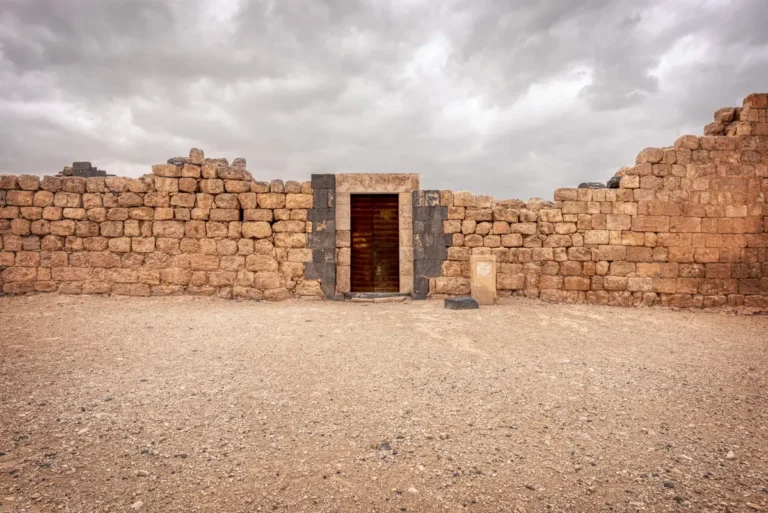
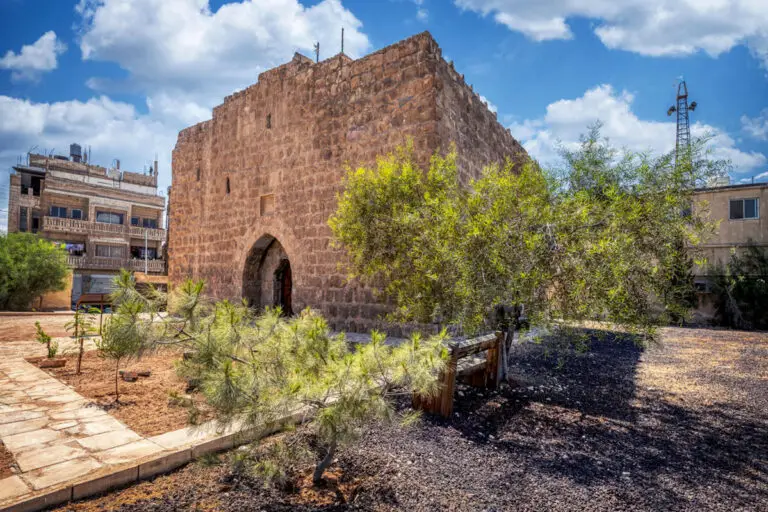
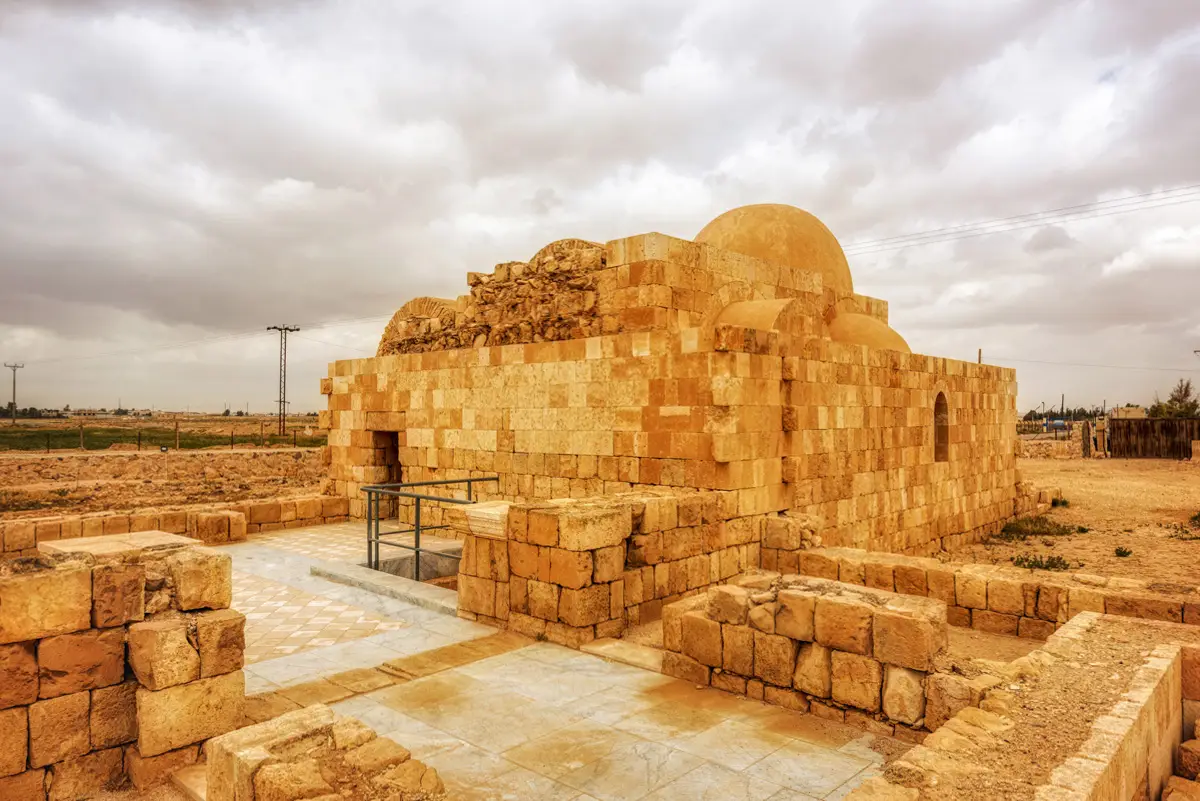
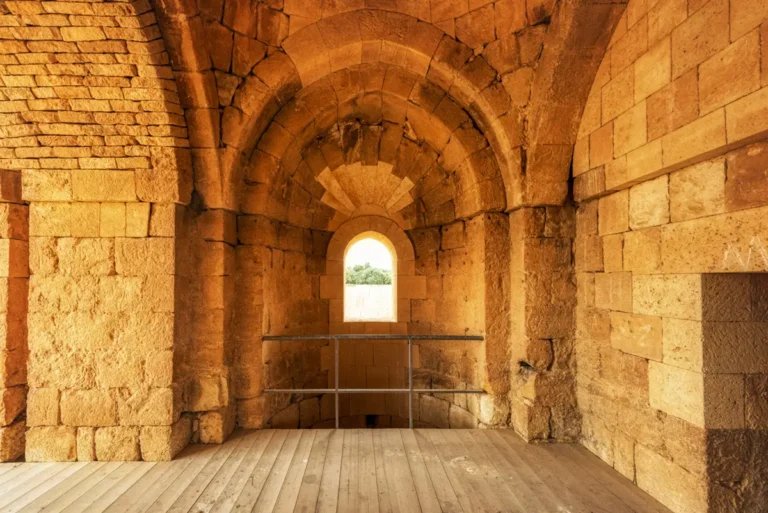
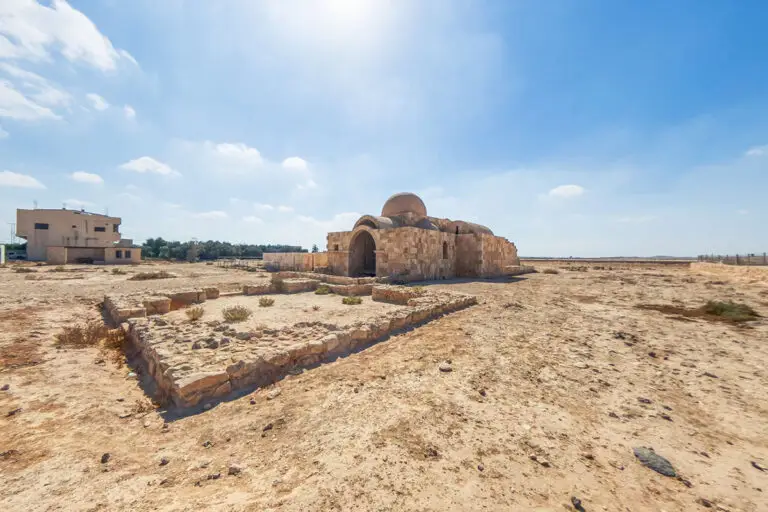
An Umayyad bathhouse near Qasr Al-Hallabat, with a domed hot room and a hall once painted with a giant Kufic inscription.

Photo by Alex Bezrukov
Built8th Century AD
LocationEastern Desert, 62 km northeast of Amman
Time needed30 minutes
StatusRestored
AdmissionResidents FREE · Visitors FREE
Share

Hammam As-Sarah is a small but remarkably well-preserved Umayyad-era bathhouse located near Qasr Al-Hallabat in Jordan’s eastern desert. Constructed in the early 8th century CE, likely during the reign of Caliph Hisham ibn Abd al-Malik, it served as a luxurious retreat and hygiene facility for elites associated with the nearby desert palace. The bathhouse complex includes a series of rooms typical of Roman and Byzantine-style baths—such as the apodyterium (changing room), tepidarium (warm room), and caldarium (hot room)—demonstrating the Umayyads’ adoption and adaptation of classical architectural and engineering traditions, particularly in water management and heating systems.

Despite centuries of exposure, Hammam As-Sarah still retains some of its original decorative elements, including finely carved stone window frames and traces of stucco ornamentation. The bathhouse’s layout and surviving architectural details offer valuable insight into the Umayyad lifestyle, reflecting both their appreciation for leisure and their desire to legitimise their rule by emulating and enhancing earlier imperial styles. Today, Hammam As-Sarah stands as a rare and intimate glimpse into the sophistication of early Islamic architecture and desert palace culture in Jordan.

Travel guide

Hammam As-Sarah

Opening hours, tickets, getting there and what to see.

Read the guide →

At a glance

Location

  • Eastern Desert, 62 km northeast of Amman
N 32° 5′ 0″ · E 36° 21′ 47″
Open in Google Maps
Visit this site with us
Private guided tour · From $150 · 7-8 hours
1 more tour visits this site ↓
See the tour →
Key moments

Through the Centuries

8th c. AD

Bathhouse built

The Umayyad baths take shape beside Qasr Al-Hallabat.

Umayyad period

Painted inscription

Huge red Kufic letters are painted on the reception-hall wall.

Later period

Mosque added

A mosque is attached to the service area.

1905

First recorded

Howard Crosby Butler documents the building.

1926

Creswell’s survey

K. A. C. Creswell photographs it before later damage.

1950s–early 1970s

Stone robbing

The removal of dressed stone badly damages the building.

1974–1975

Rescue

The Department of Antiquities excavates and restores it.

2009–2023

Restoration

New work restores the vaults, façades and the reception-hall entrance.

Popular:
Themes
Periods
Browse by type