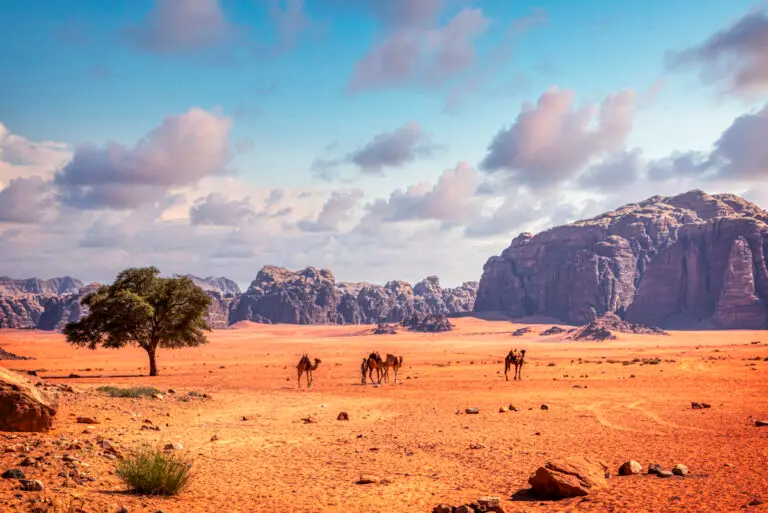












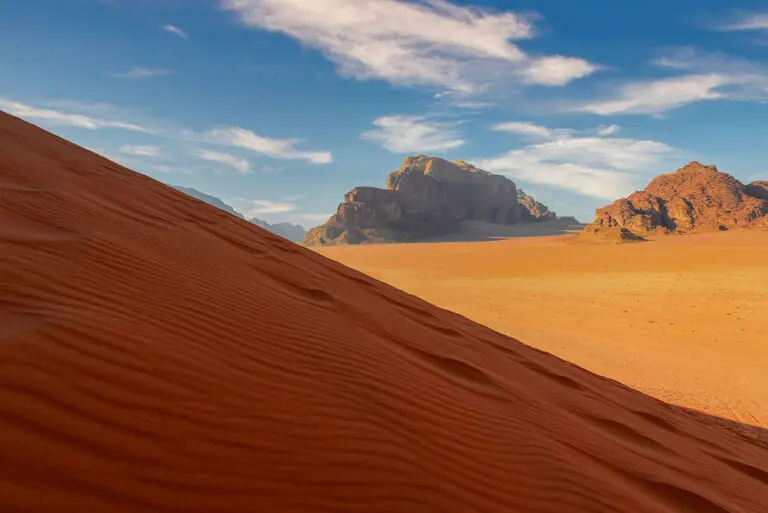
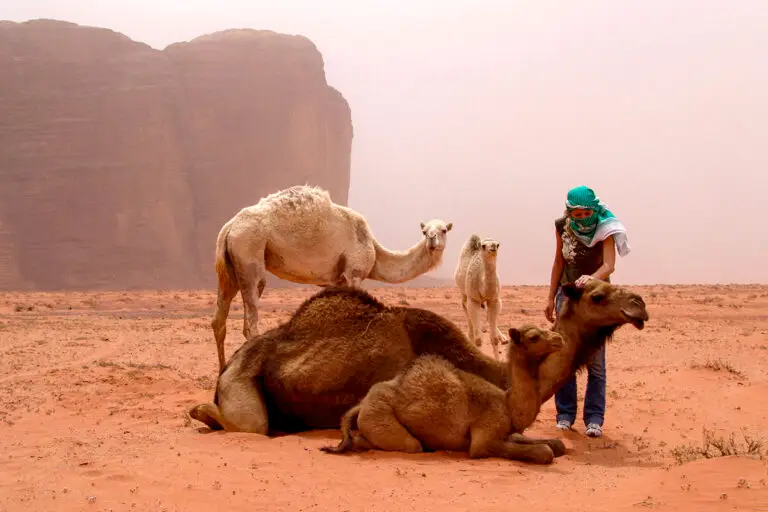

Wadi Rum is a desert of towering sandstone mountains, narrow gorges and red sand dunes in the far south of Jordan. Its rocks carry some 25,000 carvings and 20,000 inscriptions, recording 12,000 years of hunters, herders and traders, and in 2011 it became a World Heritage Site for both its nature and its culture.
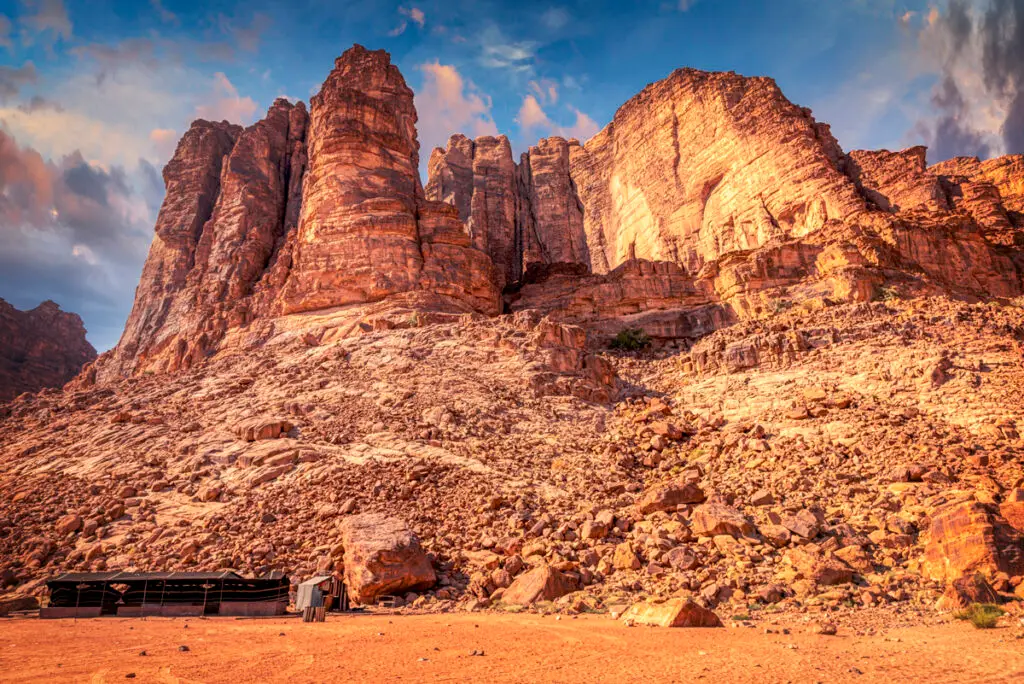
Where Is Wadi Rum?
The protected area lies about 60 km north-east of Aqaba and about 310 km south of Amman, near the Saudi border. The World Heritage property covers about 742 km². The Visitor Centre stands at the entrance, a few kilometres before Rum village and the Temple of Allat.
History of the Desert
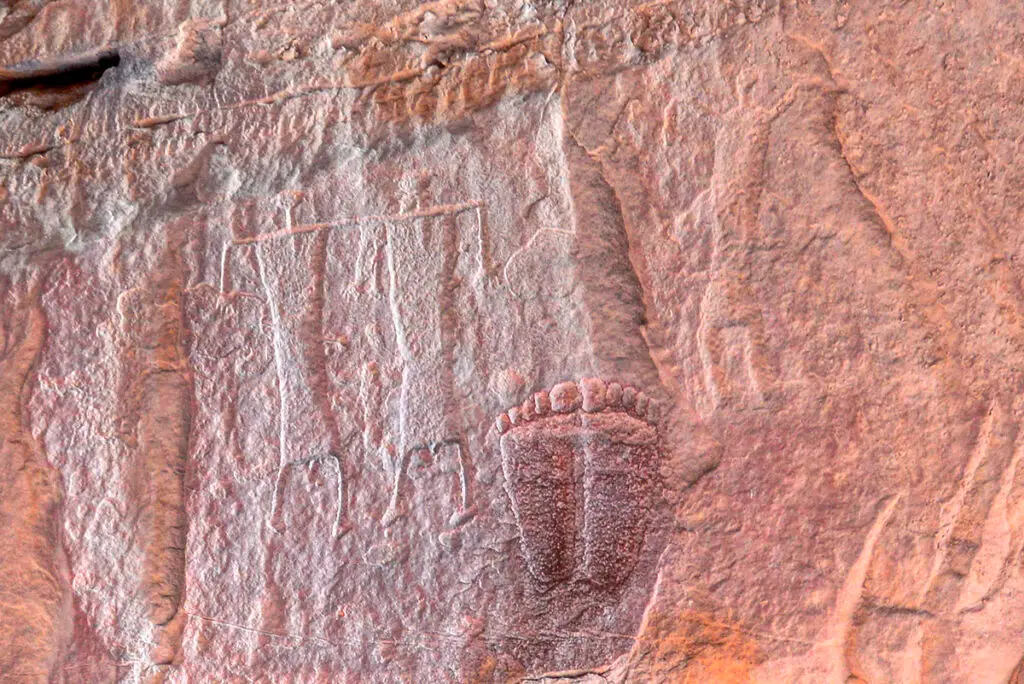
People have lived in Wadi Rum for at least 12,000 years, adapting as the climate grew drier from the Bronze Age. Herders and travellers carved animals, hunting scenes and people into the rock and left thousands of inscriptions in North Arabian scripts. Scholars call the local ones Thamudic or Hismaic; most date from around the turn of the era. The Nabataeans called the place Iram and built a temple to the goddess Allat by its springs. In 1917–18 T. E. Lawrence passed through several times during the Arab Revolt and described Rum in Seven Pillars of Wisdom.
The Landscape
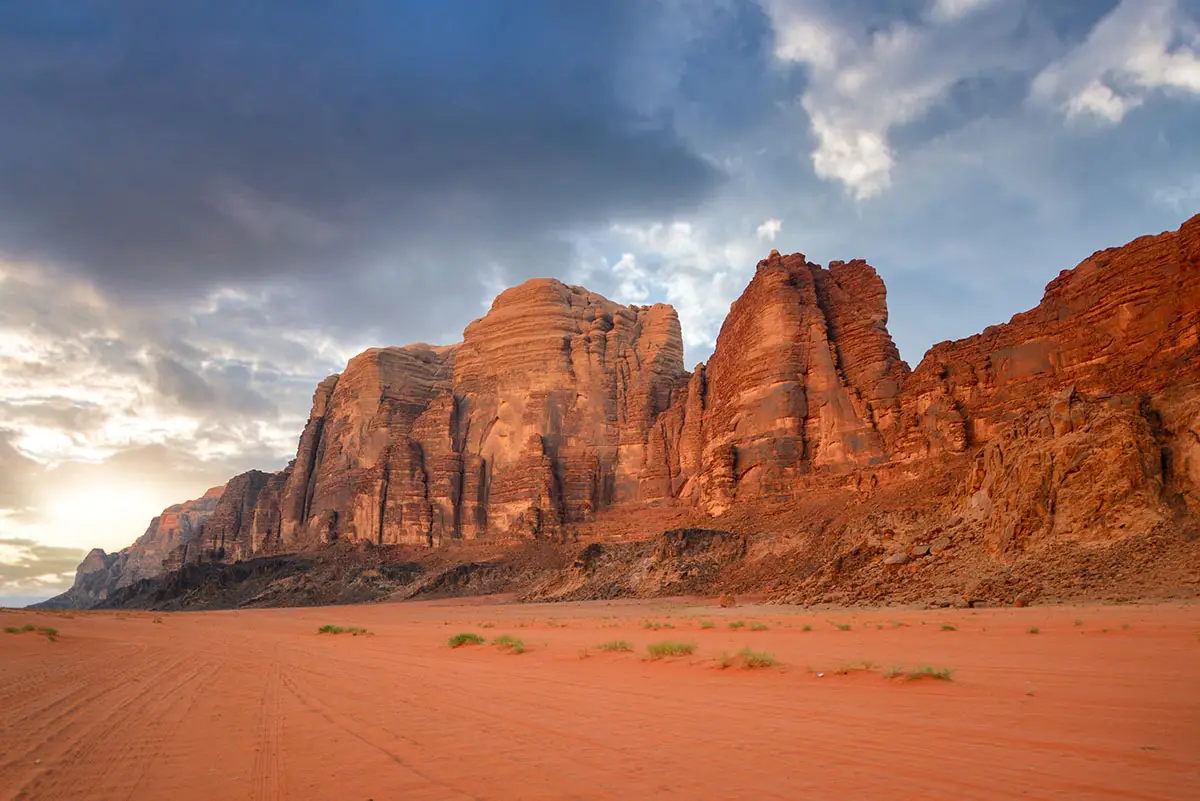
About 1,000 m of sandstone, some 500 million years old, lies over a base of granite and other ancient rocks. Wind and water have carved it into cliffs, gorges, arches such as Burdah and Umm Fruth, and honeycomb weathering. Jebel Umm ad-Dami, near the Saudi border, is the highest point in Jordan at about 1,840 m, and Jebel Rum rises above 1,700 m beside the village.
Rock Art
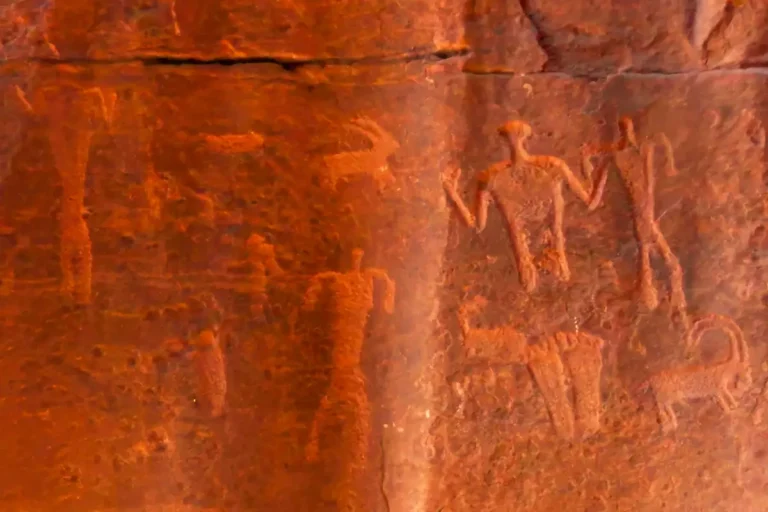
About 25,000 carvings of people, animals and symbols.
Ancient Inscriptions
About 20,000 texts in four North Arabian scripts.
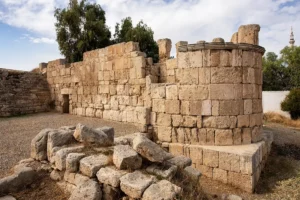
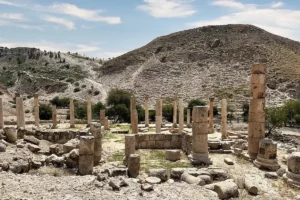
Temple of Allat
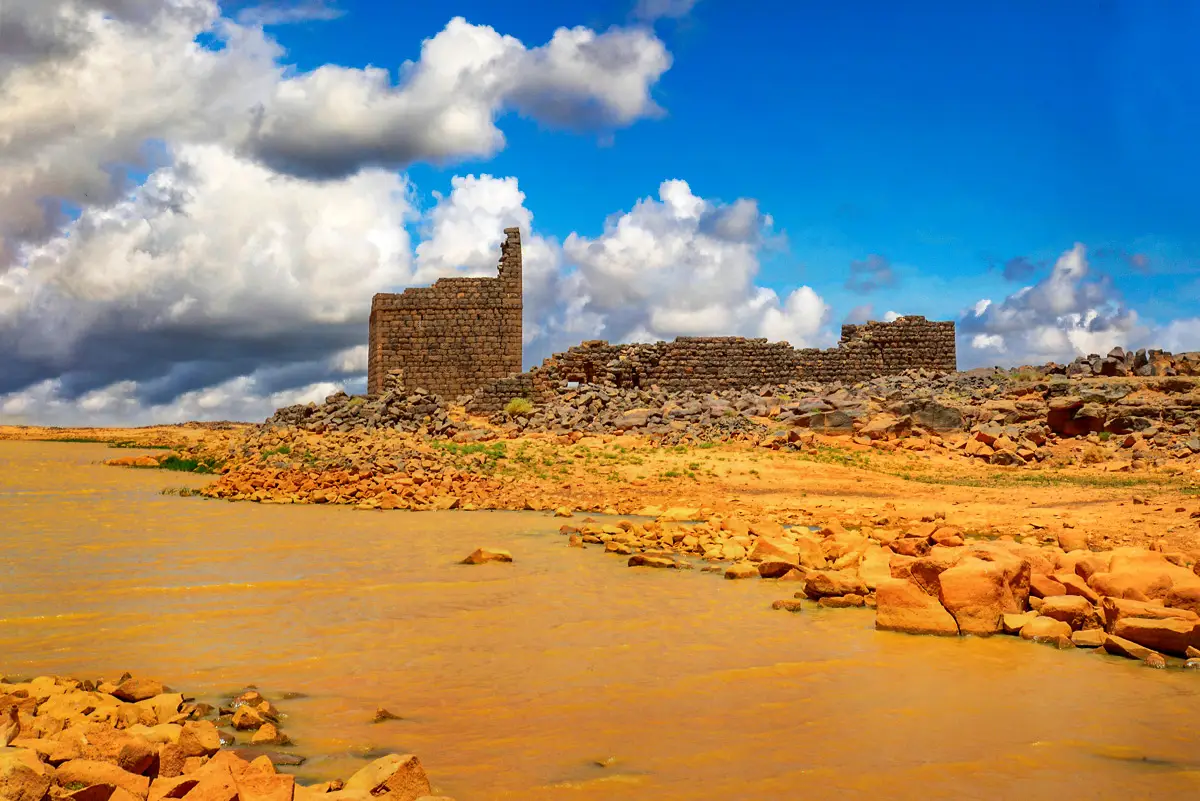
A Nabataean temple below Jebel Rum.
Mountains and Arches
Sandstone cliffs, gorges and natural rock bridges.
Rock Art and Inscriptions
UNESCO counts about 25,000 rock carvings, 20,000 inscriptions and 154 archaeological sites in the protected area. Sites such as Khazali Canyon and Anfishiyyeh show camels, hunters and ibex alongside texts. Together they show how literacy spread among the pastoral peoples of Arabia, and how life continued in the desert over thousands of years.
Protection and Wildlife
Wadi Rum was declared a protected area in 1997. It was first run by the RSCN and since 2003 by the Aqaba Special Economic Zone Authority, and it was inscribed by UNESCO in 2011 as a mixed natural and cultural site. Nubian ibex, wolves, Blanford’s fox and caracal live here, and Arabian oryx have been reintroduced. The Zalabia Bedouin of Rum village and the Zawaideh of Disi run most of the tours and camps.
Visiting Wadi Rum Today
The entrance fee, paid at the Visitor Centre, is 5 JOD for foreign visitors and 1 JOD for residents, and is included in the Jordan Pass. The Visitor Centre is usually open from 8:00 to 16:00 daily; arrivals outside these hours can be arranged with your camp or tour operator. Private cars cannot go beyond Rum village; tours run by local Bedouin by 4×4, on camels or on foot. Allow a full day, or stay overnight in one of the camps. See our Wadi Rum travel guide for practical details.
Further reading: UNESCO — Wadi Rum Protected Area; University of Florence — Wadi Rum project.