












Where the hills of northern Jordan meet the Jordan Valley, a perennial spring has drawn people to Pella for thousands of years. The city was a Canaanite town in the age of the pharaohs, a Greek and Roman city of the Decapolis, a Byzantine bishopric and an Umayyad town, and it gave its name to the Battle of Fahl in 635.
Where Is Pella?
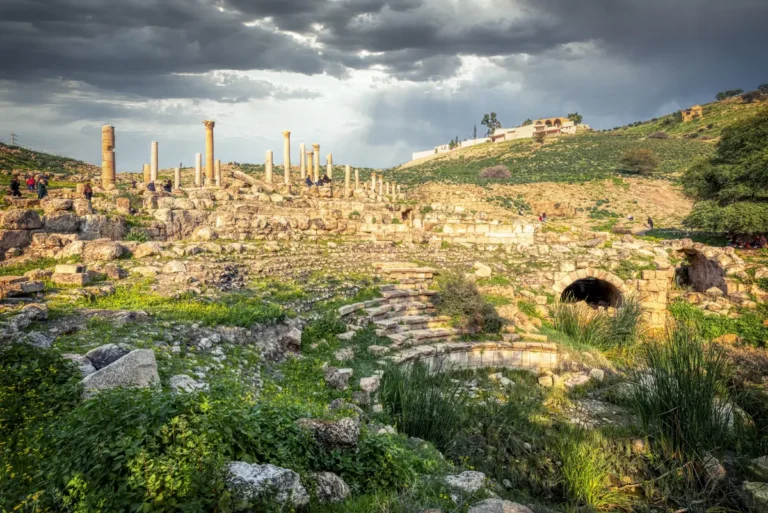
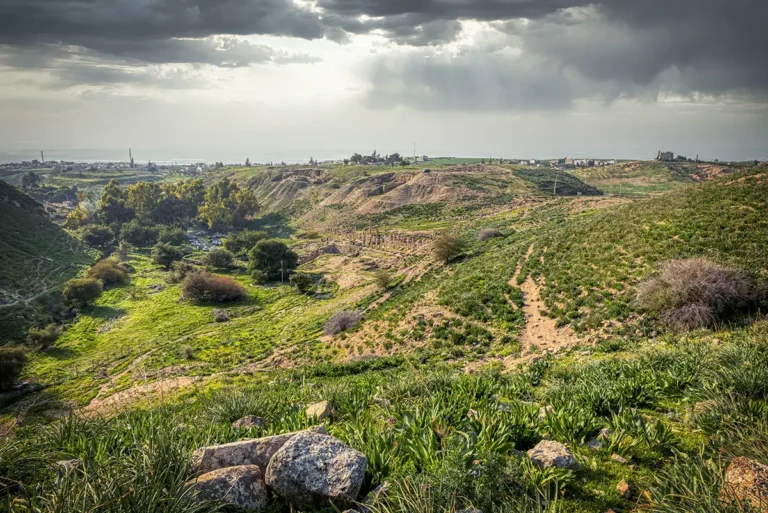
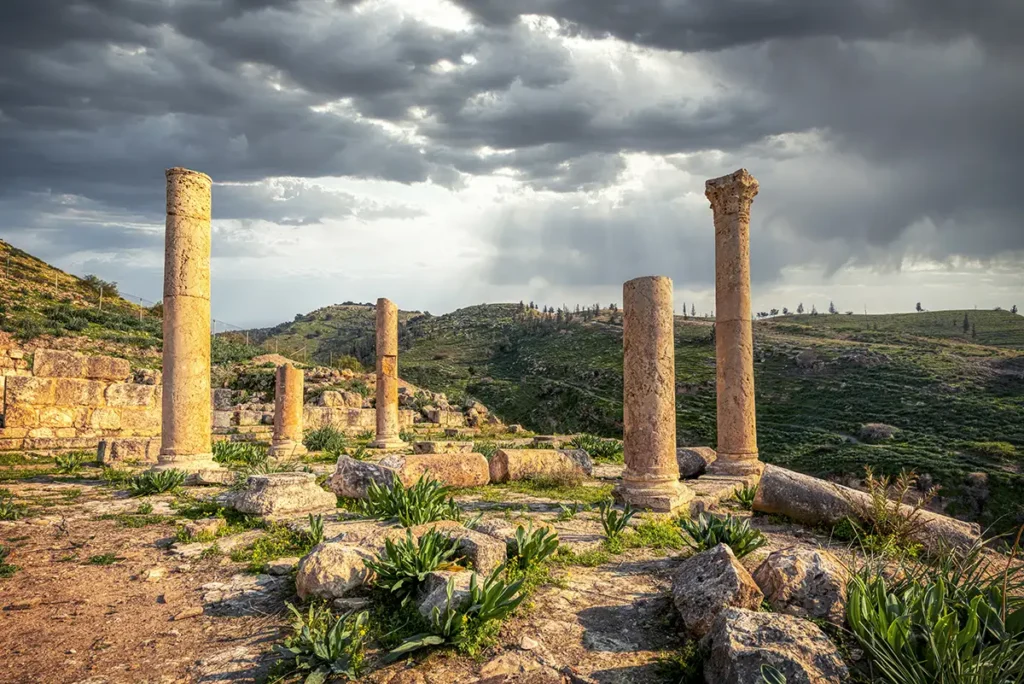
The ruins lie beside the village of Tabaqat Fahl, about 4 km east of the Jordan River and just over a kilometre east of al-Mashare’a on the Jordan Valley Highway. The city spreads over the main mound of Khirbet Fahl, while the steep hill of Tell al-Husn rises to the south across Wadi Jirm, whose spring still flows all year.
Historical Context and Origin
Farmers lived here by about 6000 BC, and in the Bronze Age Pella became a walled town trading with Egypt, Syria and Cyprus. Egyptian texts name it Pehel, and in the 14th century BC its ruler Mutbaal wrote to the pharaoh in the Amarna letters. After a gap of several centuries, a Hellenistic town grew up after about 200 BC under the Seleucids, taking the Greek name Pella. It was destroyed around 83/82 BC, probably by the Hasmonean king Alexander Jannaeus, restored under Pompey in 63 BC and counted among the cities of the Decapolis.
Architectural Design
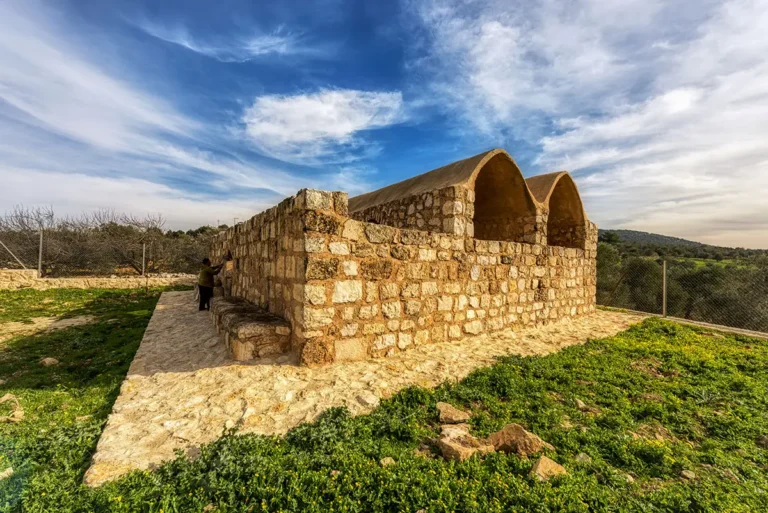
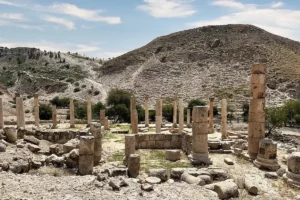
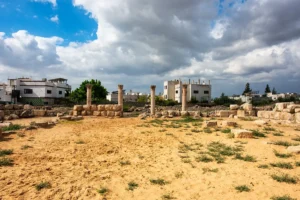
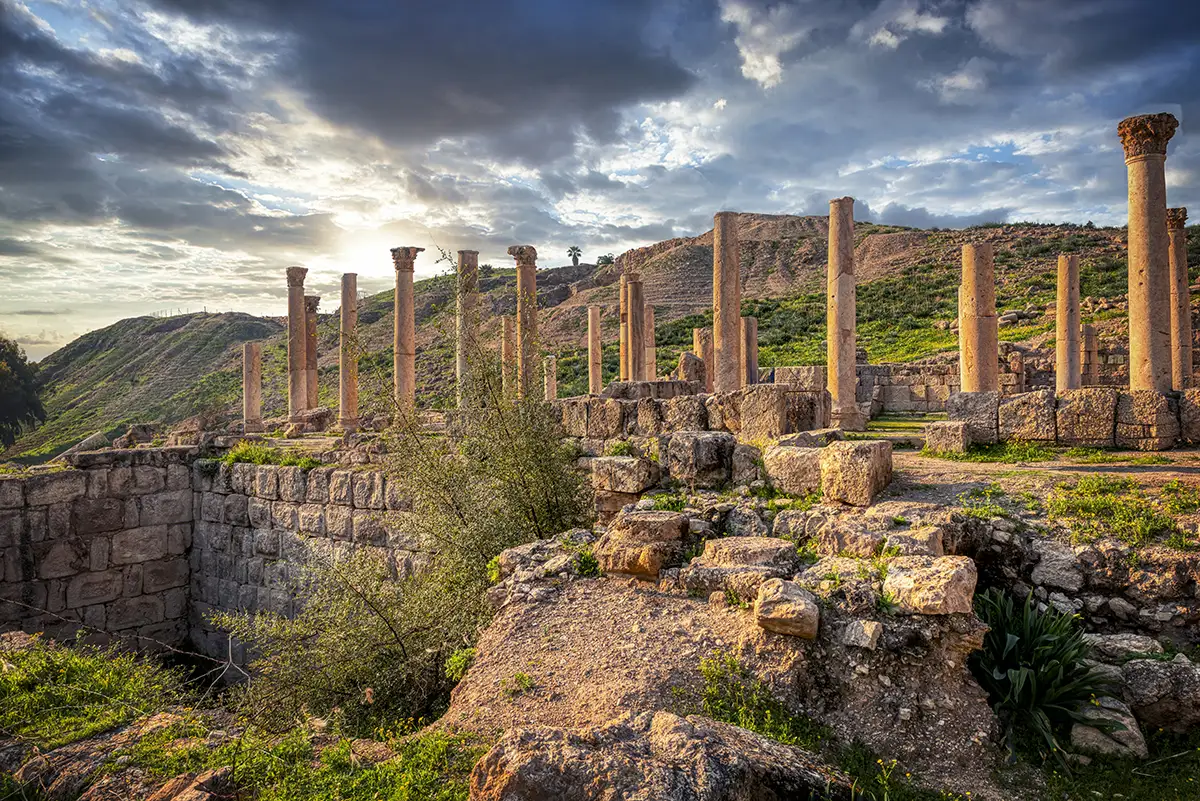
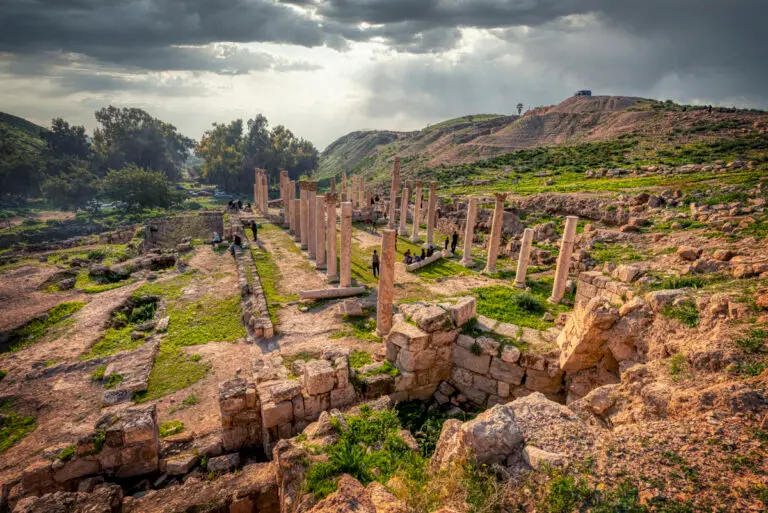
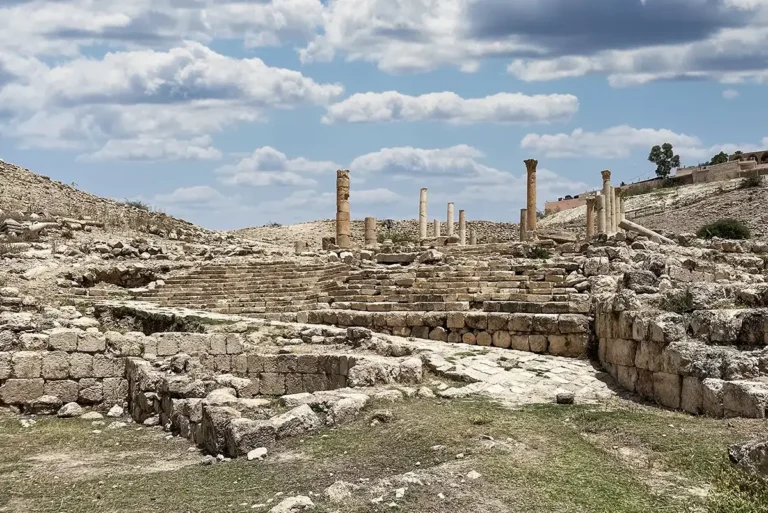
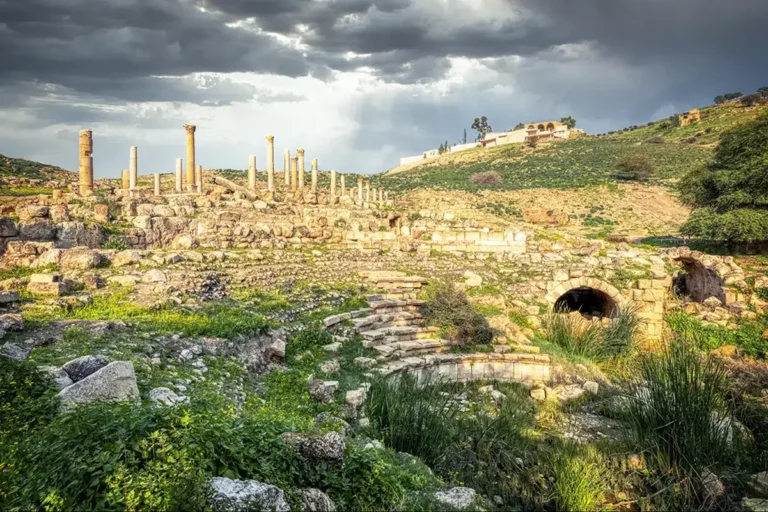
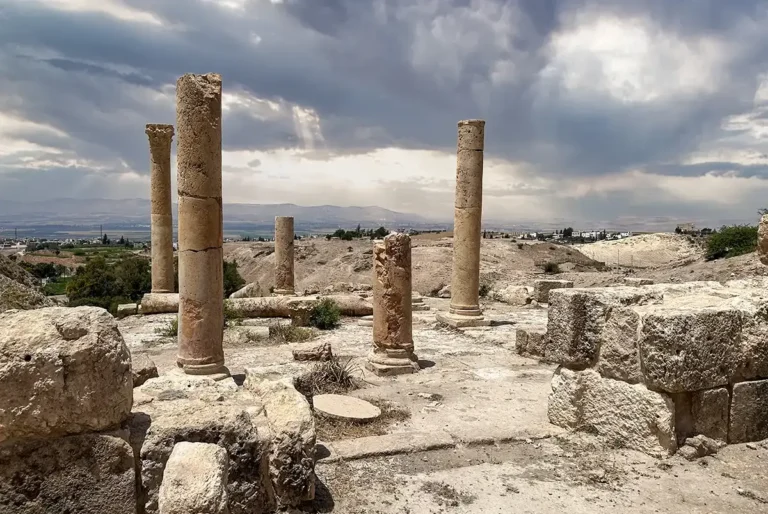
In the Roman period the city centre lay in the valley of Wadi Jirm, with baths, a nymphaeum and a small theatre, the Roman Odeon, for about 400 spectators. In the 5th century a large church, the Civic Complex Church, was built over the Roman civic complex, and two more churches stood on the slopes: the East Church and the West Church, whose low ruins lie near the modern village. Above the valley, Tell al-Husn carried an Early Bronze Age wall and later a Byzantine fort. Houses of the Umayyad Residential Quarter and a Mamluk mosque belong to the later life of the town.
Civic Complex Church
A 5th-century church built over the civic centre of the Roman city.
The Odeon
A small Roman theatre for about 400 spectators.
Canaanite Temple
A great stone temple used from about 1650 to 800 BC.
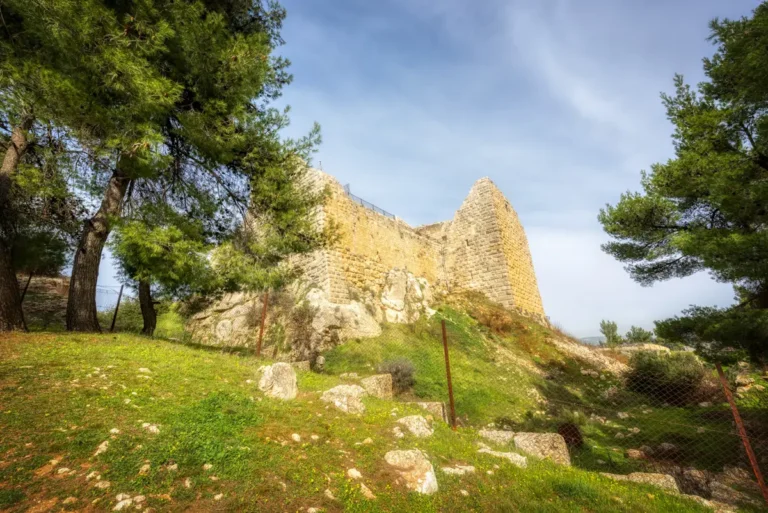
Tell al-Husn
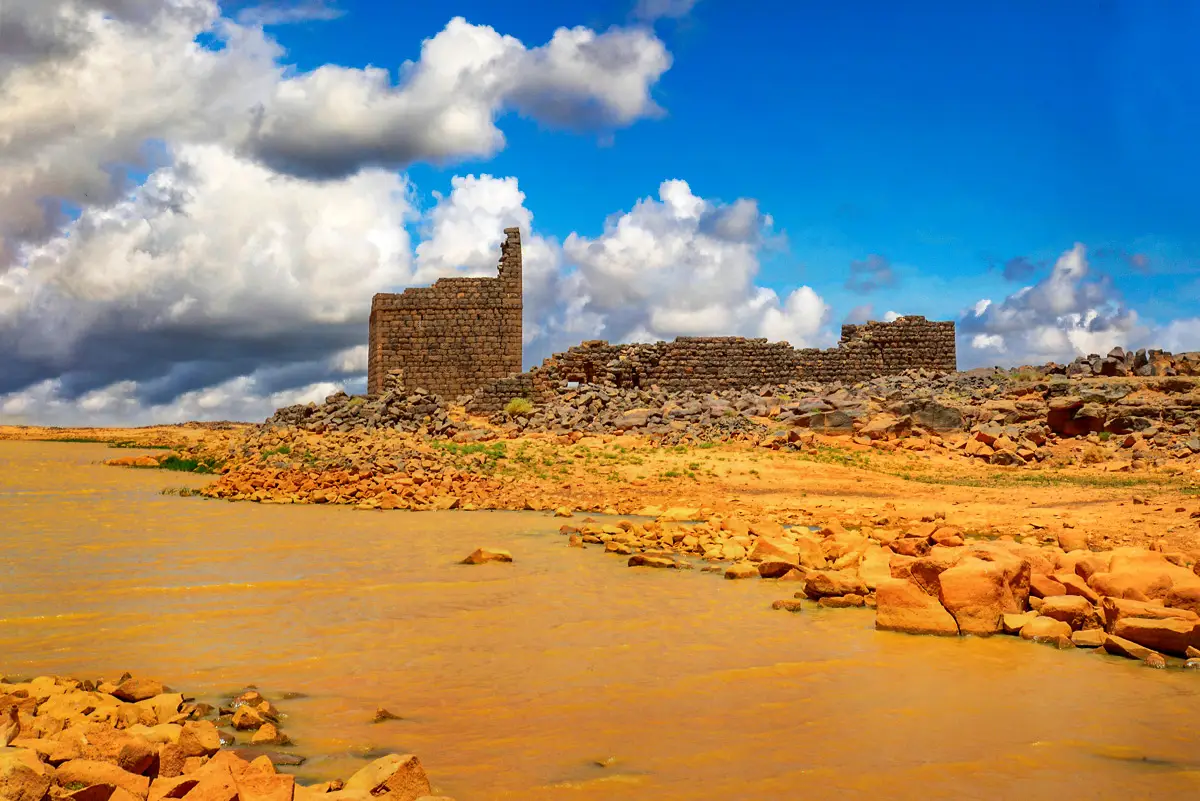
A steep hill above the city with an Early Bronze Age wall and a Byzantine fort.
The Monuments of Pella
Eight monuments at Pella have their own profile, each with a plan, photographs and, in most cases, a 360° view. They are listed below in the order of our walking route.
Pella, monument by monument
East Church
Stop 1 · Byzantine PeriodRead profile →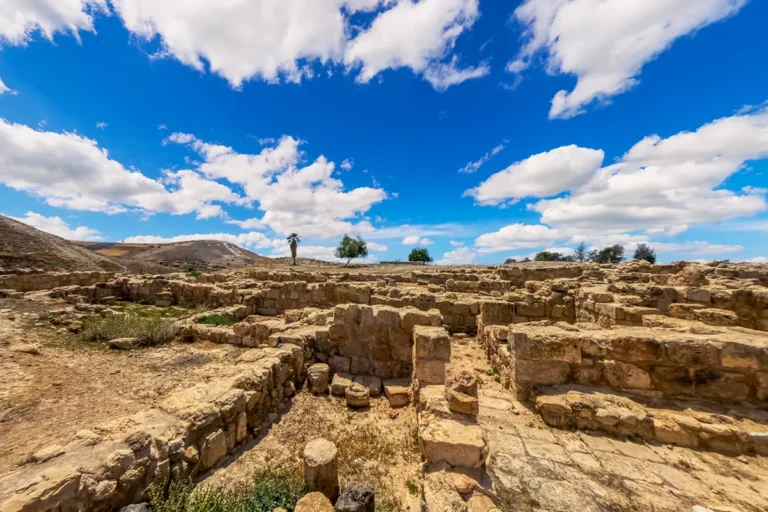
Umayyad Residential Quarter
Stop 2 · Byzantine Period · Umayyad PeriodRead profile →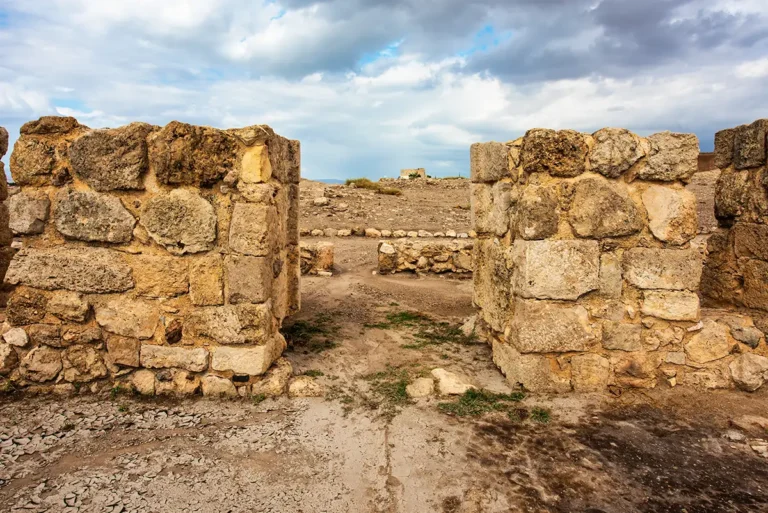
Mamluk Mosque
Stop 3 · Mamluk PeriodRead profile →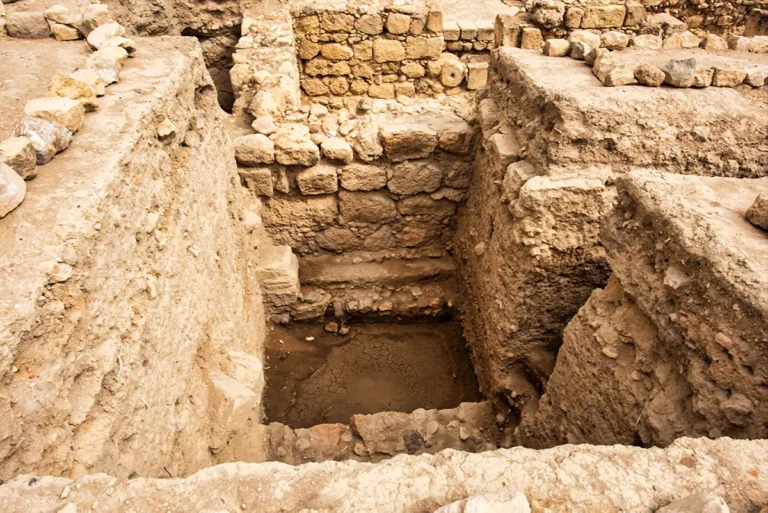
Canaanite Temple
Stop 4 · Bronze Age · Iron AgeRead profile →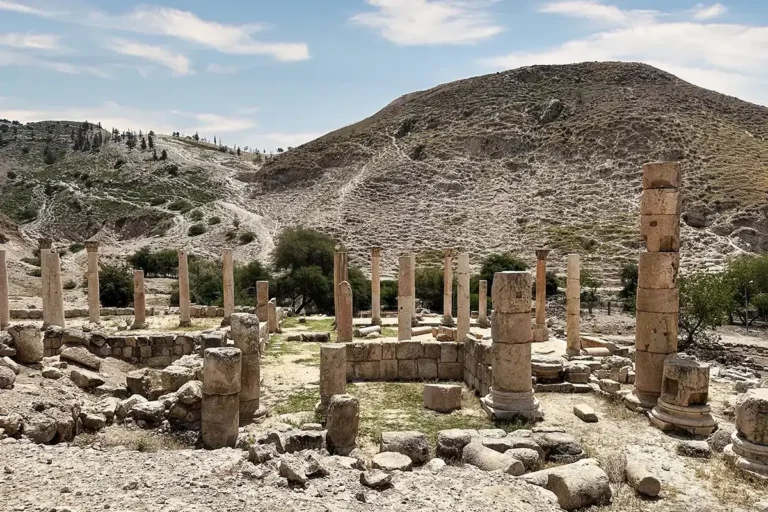
Civic Complex Church
Stop 5 · Byzantine PeriodRead profile →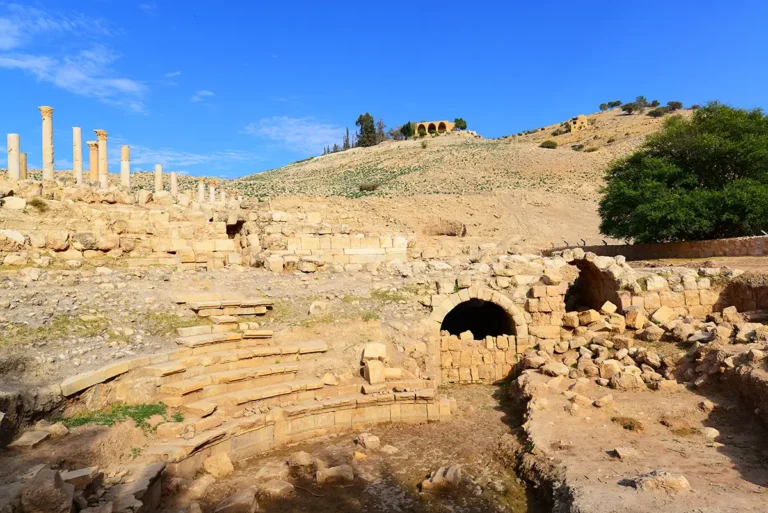
Roman Odeon
Stop 6 · Roman PeriodRead profile →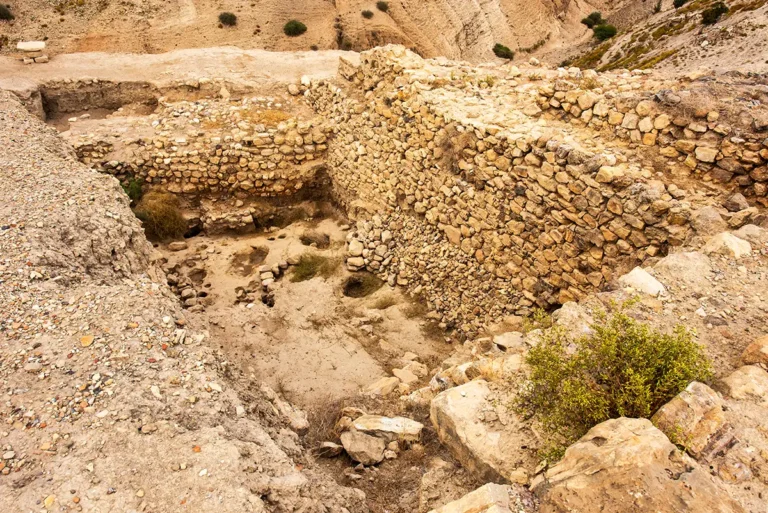
Tell al-Husn
Stop 7 · Bronze Age · Byzantine Period · Roman PeriodRead profile →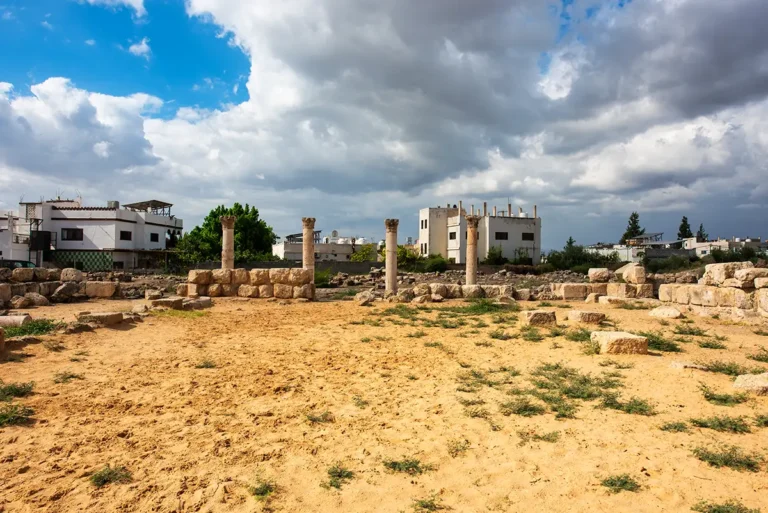
West Church
Stop 8 · Byzantine PeriodRead profile →The Canaanite Temple
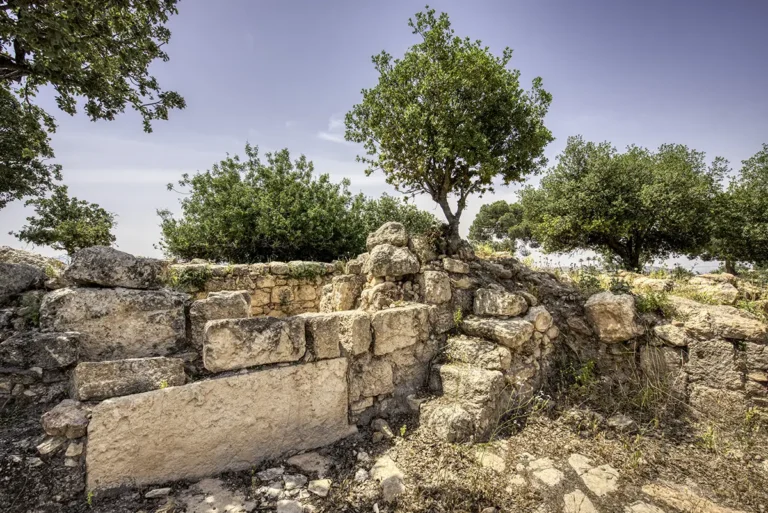
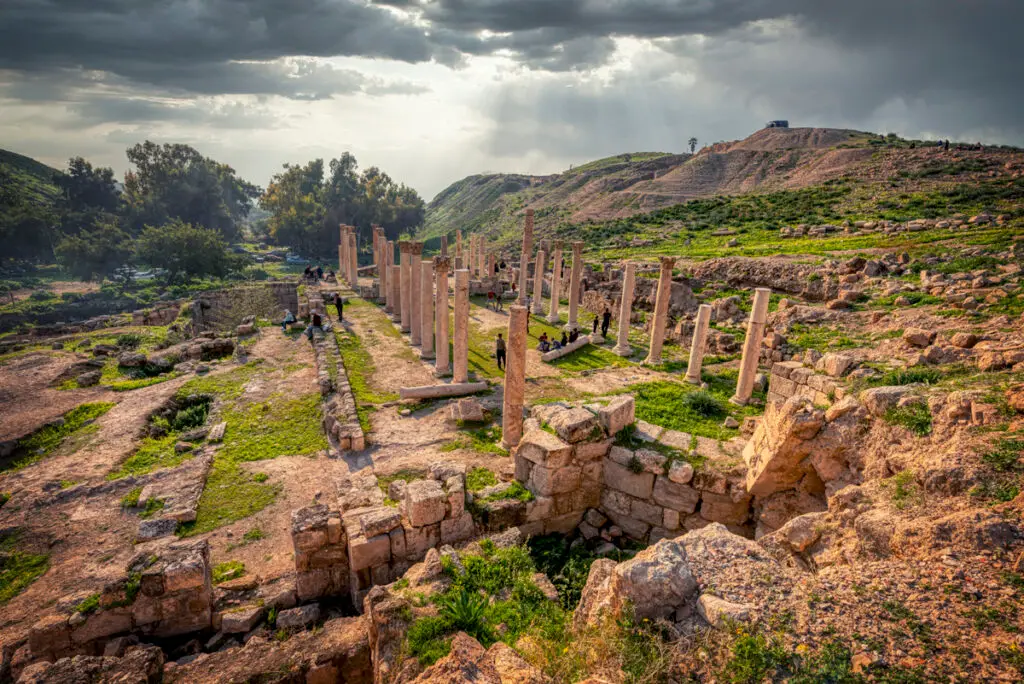
In 1994 the Sydney team found a great stone temple on the south side of the main mound. Measuring about 32 × 24 m, it is the largest pre-Classical building at Pella. It was used and rebuilt from about 1650 to 800 BC, with two towers at its entrance in its Late Bronze Age phase, and its finds include cult stands, scarabs, seals and gold jewellery. Read more in the Canaanite Temple profile.
Destruction, Rediscovery, and Restoration
Christian tradition says that the Jerusalem church fled to Pella before the Roman siege of AD 70. Pella was a bishopric by 451. In December 634 or January 635 the Byzantines were defeated nearby at the Battle of Fahl, and the town, now Fihl, flourished under the Umayyads until the earthquake of 749 brought its houses down on their inhabitants. A small village with a mosque lived on in the Mamluk period. Excavations began in 1958, and the University of Sydney, with the College of Wooster from 1979, has worked here for more than four decades.
Visiting Pella Today
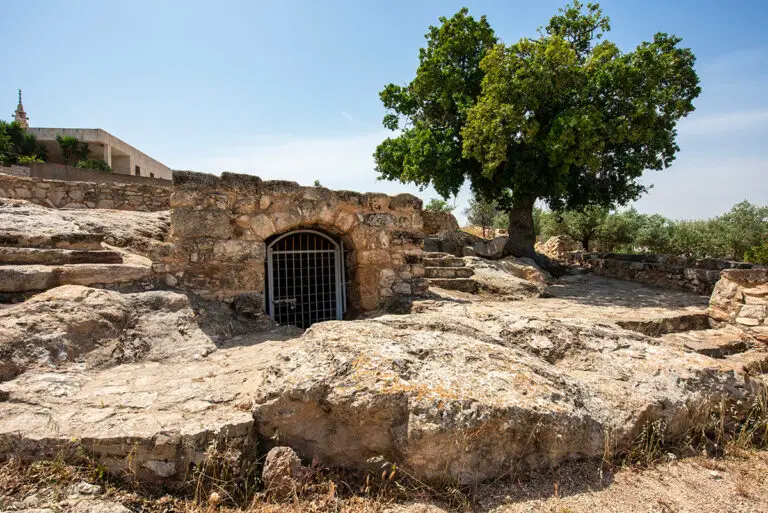
Admission is 2 JOD for foreign visitors and 0.25 JOD for residents, and the site is included in the Jordan Pass. Look for the excavated Canaanite temple area on the main mound and the remains of the West Church near the village, and view the fenced temple area from outside. The West Church is fenced too, but its gate is open and visitors can enter. Work on the odeon is still under way. The Rest House restaurant is temporarily closed, but the nearby Beit Al Fannan hotel is open. Allow about two hours, more if you climb Tell al-Husn. See our Pella travel guide for practical details.
Further reading: UNESCO Tentative List — Pella; Bourke, The Pella temple precinct (2004); University of Sydney — Pella publications.