- Location
Iraq Al-Amir, 15 km west of Amman
- Built
6th Century AD
- Admission Fee
Residents – FREE
Non-residents – FREE
- 4 x 4 Required
NO
- GPS
North 31° 56′ 20″
East 35° 46′ 28″
- Google Rating
Rated 4.2 out of 5
Nature reserveAzraq Wetland ReserveA unique oasis near the town of Azraq and its famous castle, in the heart of Jordan’s arid Eastern Desert — a vital stop for migrating birds.Read the guide →
Nature reserveDana Biosphere ReserveJordan’s largest reserve, stretching from mountain ridges down to the desert floor — with hiking trails and ancient sites along the way.Read the guide →
Nature reserveShaumari Wildlife ReserveSee the Arabian oryx brought back from the brink, take a jeep safari and support one of Jordan’s oldest conservation projects.Read the guide →
Nature reserveWadi Rum Protected AreaA World Heritage Site of sandstone mountains and red dunes — jeep tours, camel treks and stargazing under crystal-clear skies.Read the guide →
Nature reserveAjloun Forest Biosphere ReserveA leading eco-tourism destination in northern Jordan, protecting rare oak and pistachio forests and the wildlife that lives in them.Read the guide →
Nature reserveAzraq Wetland ReserveA unique oasis near the town of Azraq and its famous castle, in the heart of Jordan’s arid Eastern Desert — a vital stop for migrating birds.Read the guide →
Nature reserveDana Biosphere ReserveJordan’s largest reserve, stretching from mountain ridges down to the desert floor — with hiking trails and ancient sites along the way.Read the guide →
Nature reserveShaumari Wildlife ReserveSee the Arabian oryx brought back from the brink, take a jeep safari and support one of Jordan’s oldest conservation projects.Read the guide →
Nature reserveWadi Rum Protected AreaA World Heritage Site of sandstone mountains and red dunes — jeep tours, camel treks and stargazing under crystal-clear skies.Read the guide →
Nature reserveAjloun Forest Biosphere ReserveA leading eco-tourism destination in northern Jordan, protecting rare oak and pistachio forests and the wildlife that lives in them.Read the guide →Residents – FREE
Non-residents – FREE
North 31° 56′ 20″
East 35° 46′ 28″
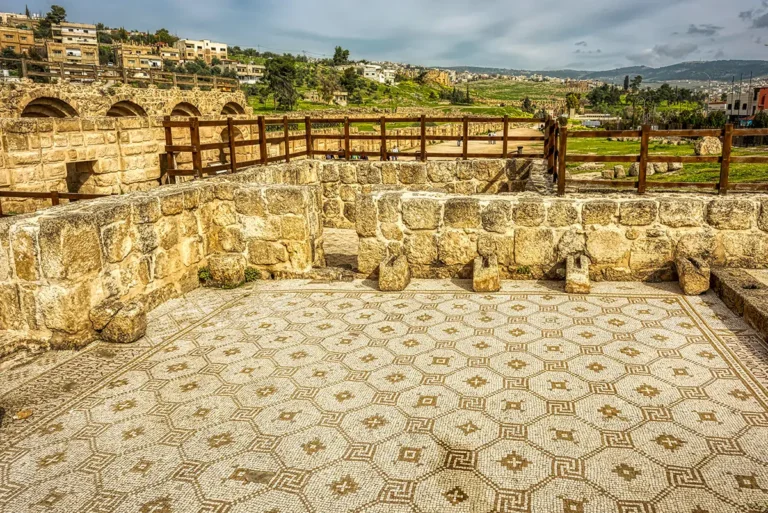
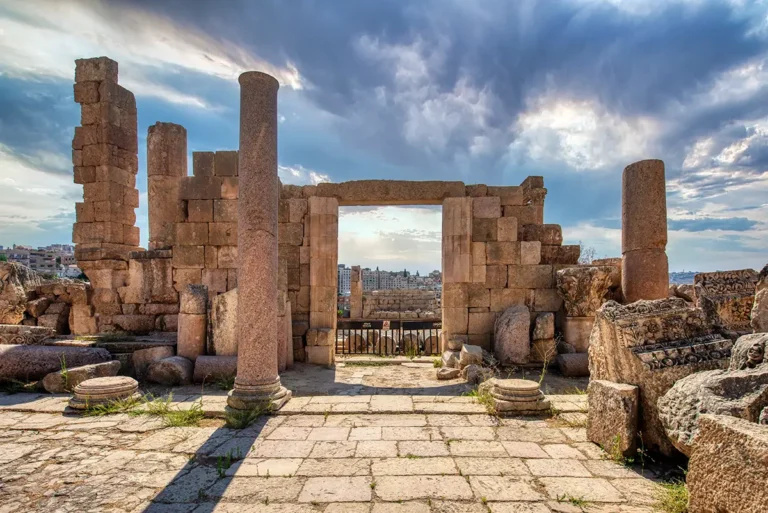
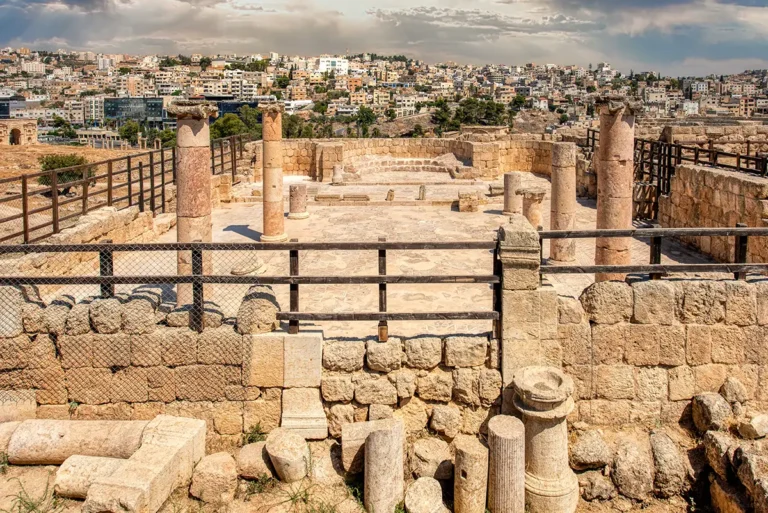
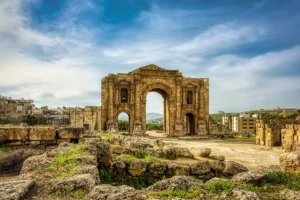
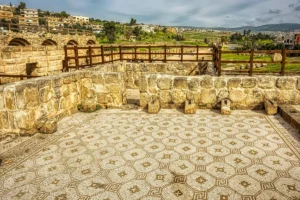
Al-Bassah, located near Iraq al-Amir in Jordan, is home to significant Roman-Byzantine architectural remains, notably a large cave church known locally as Mugharat al-Kaniseh or the “Cave of the Church.” The cave’s entrance is distinguished by a façade adorned with a pediment featuring crosses, indicative of its religious significance during the Byzantine period. In front of the cave, remnants of a second church constructed from well-cut limestone blocks are evident. This external church measures approximately 21 by 10 meters and includes a clearly identifiable apse with two rows of seats. The floor was originally covered with mosaics composed of coloured tesserae, and an inscription in ancient Greek was discovered, translating to “Jesus the Saviour from the First and Last.”
Adjacent to the churches, on a nearby hill, lies a cemetery dating back to the Early Bronze Age, highlighting the area’s long history of human occupation and its evolving cultural and religious landscape. The proximity of these structures to the notable Hellenistic monument, Qasr al-Abd, underscores the region’s historical significance. Ongoing archaeological excavations aim to further uncover the site’s past, with some scholars exploring potential biblical connections, suggesting that figures such as Jesus Christ and his followers may have rested in these caves during their travels through Jordan.