













In the central Jordan Valley, a tall mound beside the town of Deir Alla hides one of the most remarkable texts ever found in Jordan. In 1967 archaeologists uncovered fragments of plaster written in red and black ink, telling of a vision of “Balaam son of Beor, seer of the gods” — the same Balaam known from the Bible.
Where Is Tell Deir Alla?
The mound stands at the town of Deir Alla, about 30 km west of Salt, in the part of the Jordan Valley near the meeting of the Zarqa River — the biblical Jabbok — with the Jordan. It rises about 27 metres above the plain.
Historical Context and Origin
The site was occupied from about 1700 BC to about 350 BC. In the Late Bronze Age a temple stood here; its last phase dates to about 1185–1140 BC, and an object naming the Egyptian queen Twosret shows it was destroyed soon after 1180 BC, in a fire perhaps caused by an earthquake. Later excavations found a massive enclosing wall, showing that by then the site was a town. In the Iron Age a village stood on the mound; it was destroyed around 800 BC, burying the Balaam inscription. Some scholars identify the site with biblical Succoth, though this is debated.
Architectural Design
Around the Late Bronze Age temple, archaeologists found workshops with crucibles and traces of bronze working, as well as furnaces whose purpose is still unclear. The Iron Age village was a cluster of mudbrick rooms; the inscription had been written on the plastered wall of one of them.
The Balaam Inscription
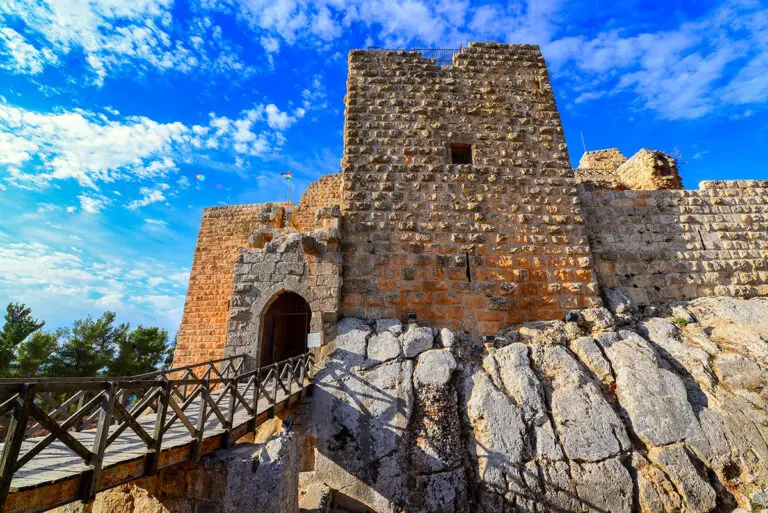
Red and black ink on plaster, c. 800 BC: the vision of Balaam son of Beor, “seer of the gods”.
The Bronze Age Temple
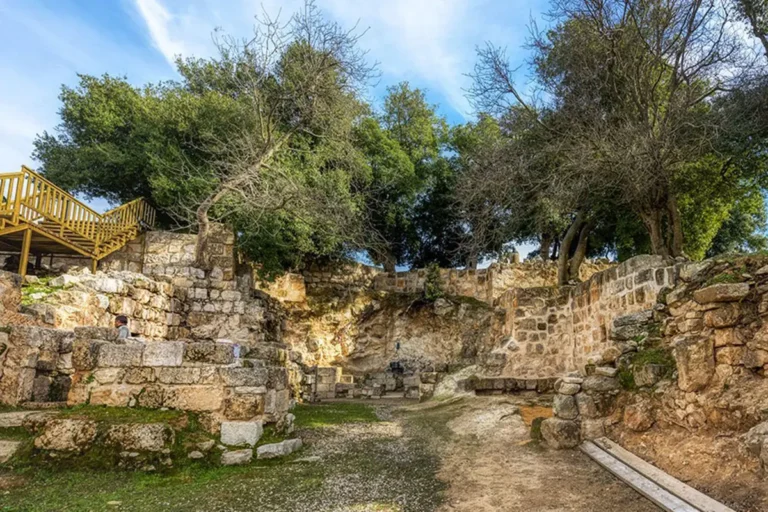
A Late Bronze Age sanctuary destroyed soon after 1180 BC.
Undeciphered Tablets
Clay tablets in an unknown alphabetic script — the only Late Bronze Age alphabet found in Jordan.
A Town on the Mound
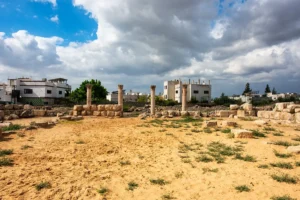
A massive enclosing wall shows the site was a town, not only a sanctuary.
The Balaam Inscription and the Clay Tablets
The inscription, written by a professional scribe around 800 BC, tells how Balaam son of Beor, “seer of the gods”, saw a night vision of the gods’ council and warned of a coming disaster — fire and a darkened sun. Its language is debated: Aramaic, Canaanite or a local dialect of its own. Older still are the clay tablets from the Late Bronze Age temple, the first found on 1 April 1964: fifteen are now known, inscribed in an alphabet of about 29 signs that has never been deciphered — the only Late Bronze Age alphabet known from Jordan. The Balaam texts are now displayed in the Jordan Museum, Amman.
Excavation and Research
Henk Franken of Leiden University excavated five seasons between 1960 and 1967. From 1976 Leiden worked with the Department of Antiquities and, from 1980, with Yarmouk University, under Gerrit van der Kooij and Zeidan Kafafi; fieldwork continued until about 2008. In 1982 the Deir Alla Station for Archaeological Studies opened as a dig house and small museum.
Visiting Tell Deir Alla Today
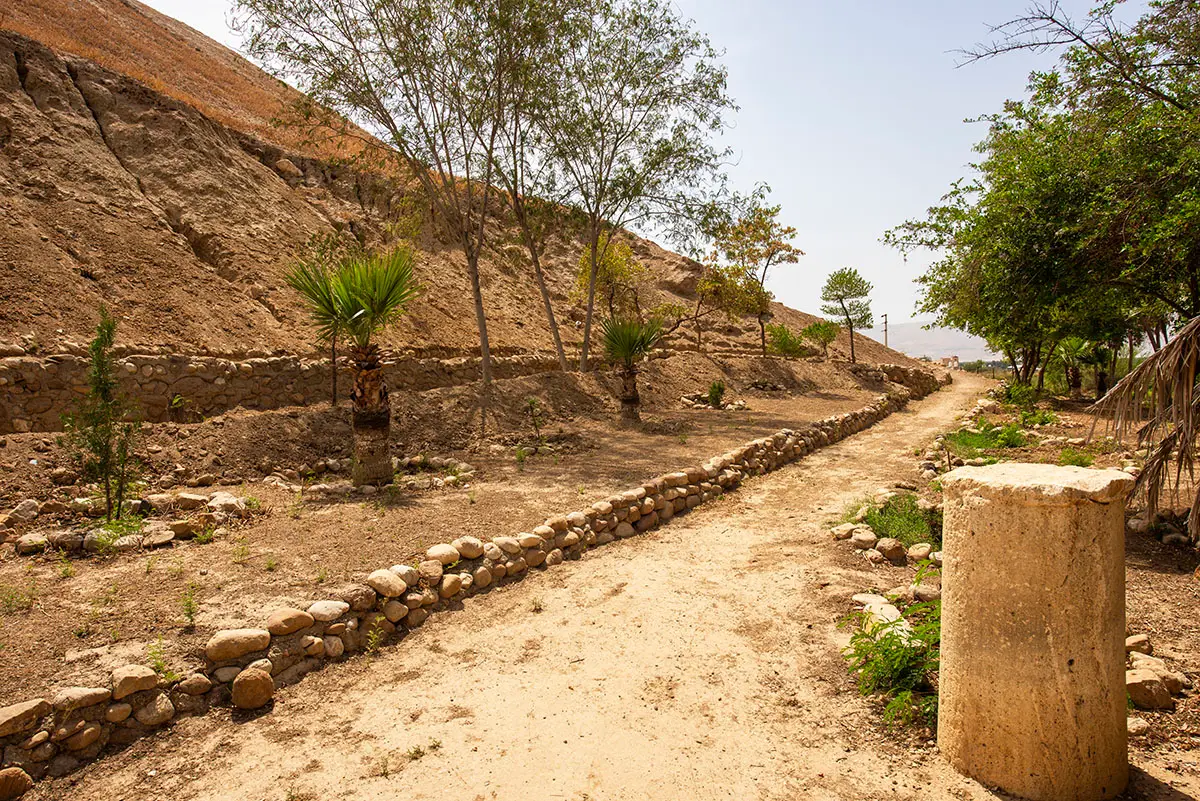
Visitors mainly see the mound itself and its excavation areas, with the view across the Jordan Valley; much of the mudbrick architecture was backfilled after excavation to protect it, so few walls stand exposed. The nearby Deir Alla Station for Archaeological Studies has a permanent exhibition covering the Middle Bronze to the Iron Age — arrange or check access beforehand. To see the Balaam inscription itself, visit the Jordan Museum in Amman.
Further reading: Leiden University: Deir Alla.