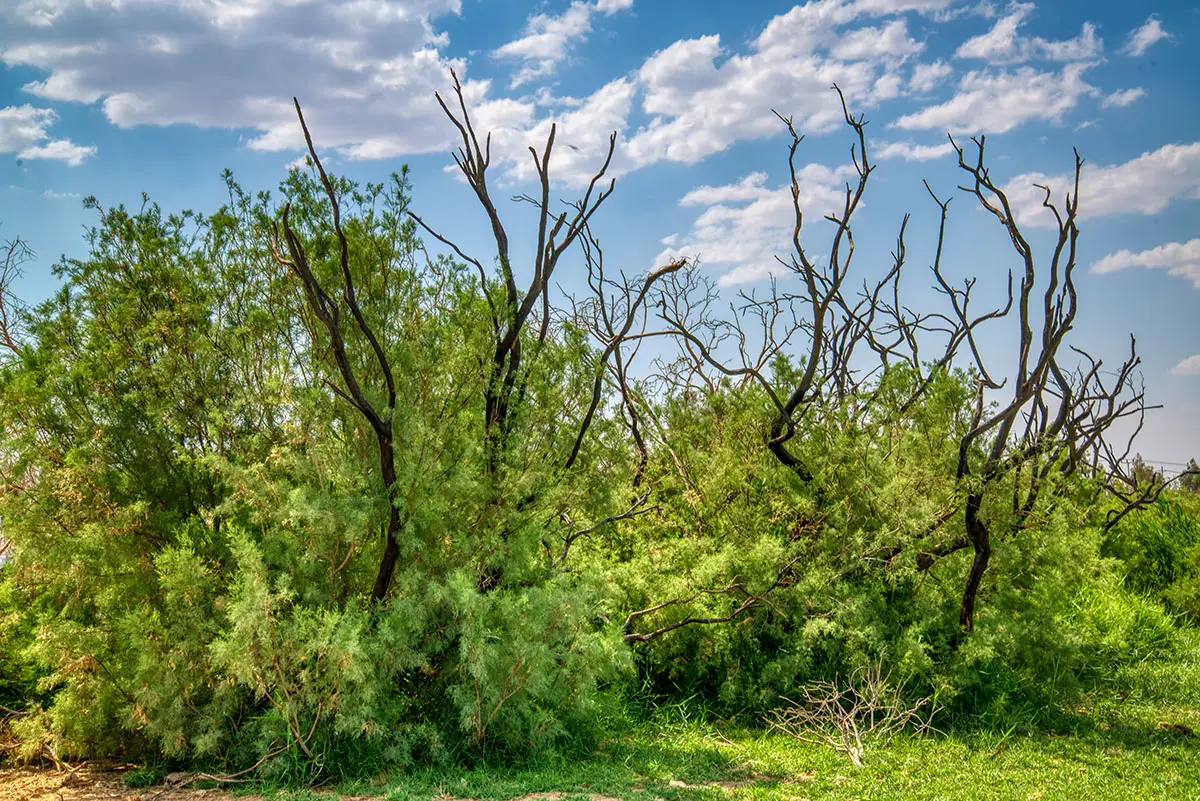
Nature reserveAzraq Wetland ReserveA unique oasis near the town of Azraq and its famous castle, in the heart of Jordan’s arid Eastern Desert — a vital stop for migrating birds.Read the guide →
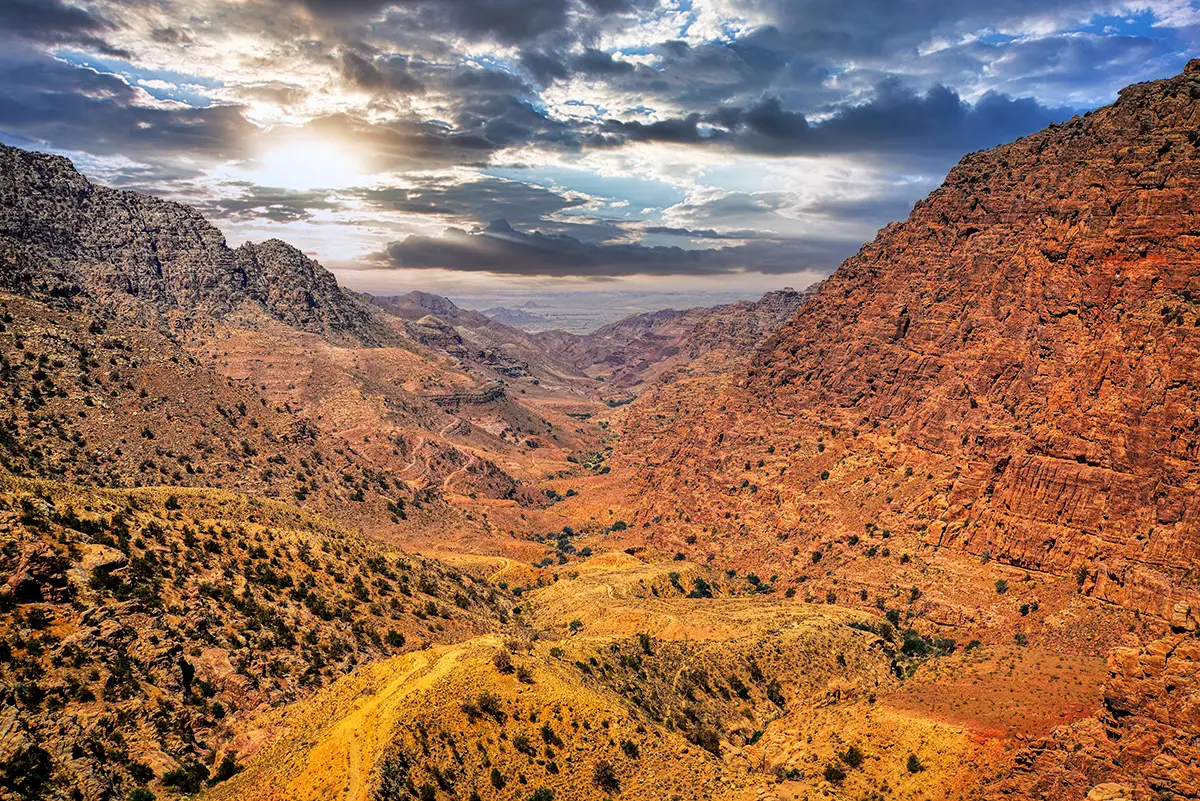
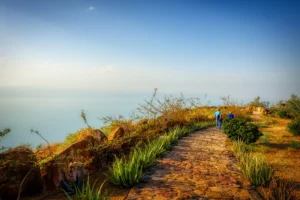
Nature reserveDana Biosphere ReserveJordan’s largest reserve, stretching from mountain ridges down to the desert floor — with hiking trails and ancient sites along the way.Read the guide →
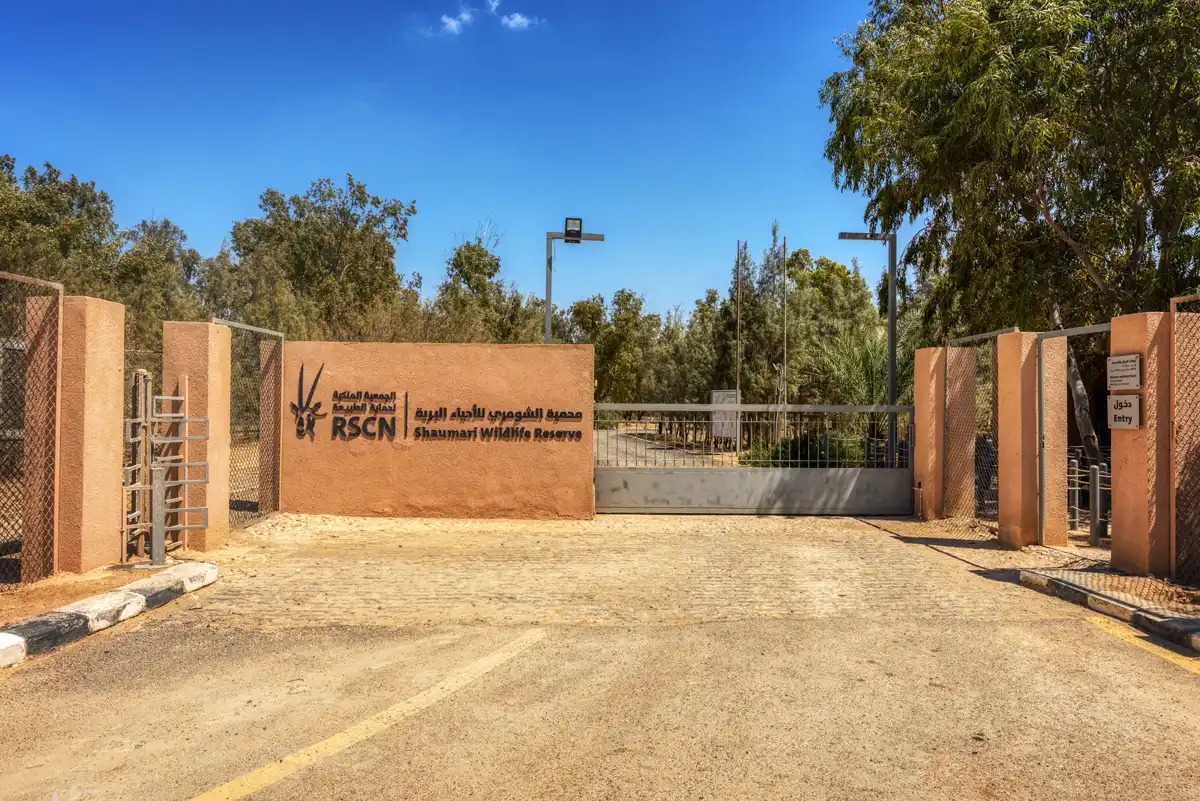
Nature reserveShaumari Wildlife ReserveSee the Arabian oryx brought back from the brink, take a jeep safari and support one of Jordan’s oldest conservation projects.Read the guide →
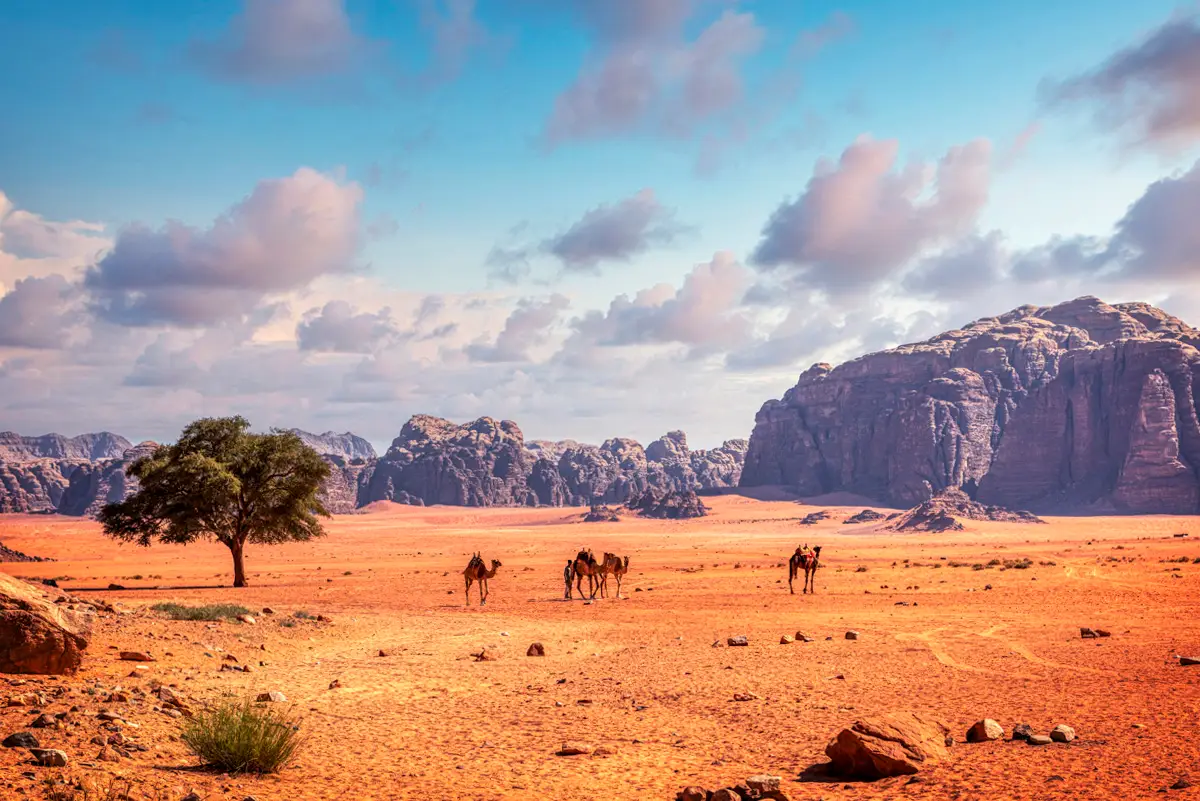
Nature reserveWadi Rum Protected AreaA World Heritage Site of sandstone mountains and red dunes — jeep tours, camel treks and stargazing under crystal-clear skies.Read the guide →
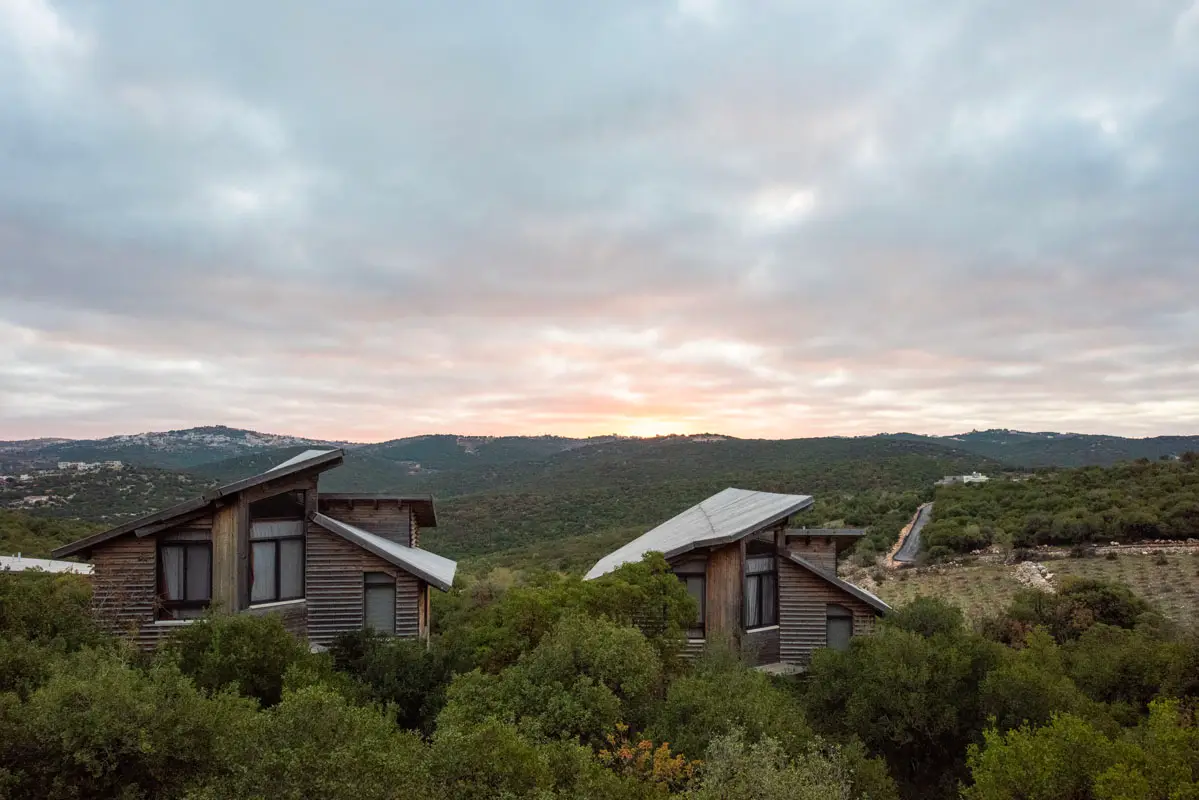
Nature reserveAjloun Forest Biosphere ReserveA leading eco-tourism destination in northern Jordan, protecting rare oak and pistachio forests and the wildlife that lives in them.Read the guide →
Nature reserveAzraq Wetland ReserveA unique oasis near the town of Azraq and its famous castle, in the heart of Jordan’s arid Eastern Desert — a vital stop for migrating birds.Read the guide →
Nature reserveDana Biosphere ReserveJordan’s largest reserve, stretching from mountain ridges down to the desert floor — with hiking trails and ancient sites along the way.Read the guide →
Nature reserveShaumari Wildlife ReserveSee the Arabian oryx brought back from the brink, take a jeep safari and support one of Jordan’s oldest conservation projects.Read the guide →
Nature reserveWadi Rum Protected AreaA World Heritage Site of sandstone mountains and red dunes — jeep tours, camel treks and stargazing under crystal-clear skies.Read the guide →
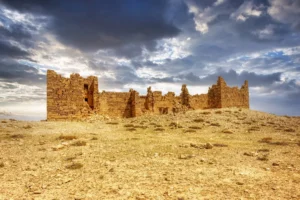
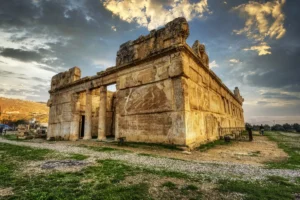
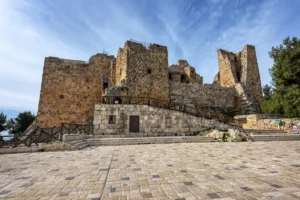
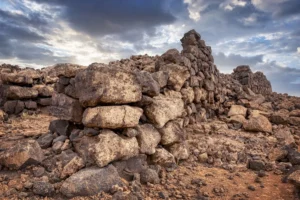
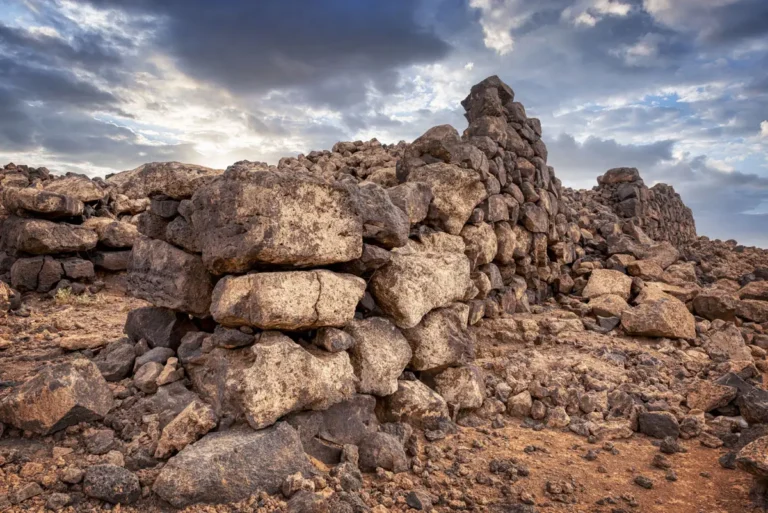
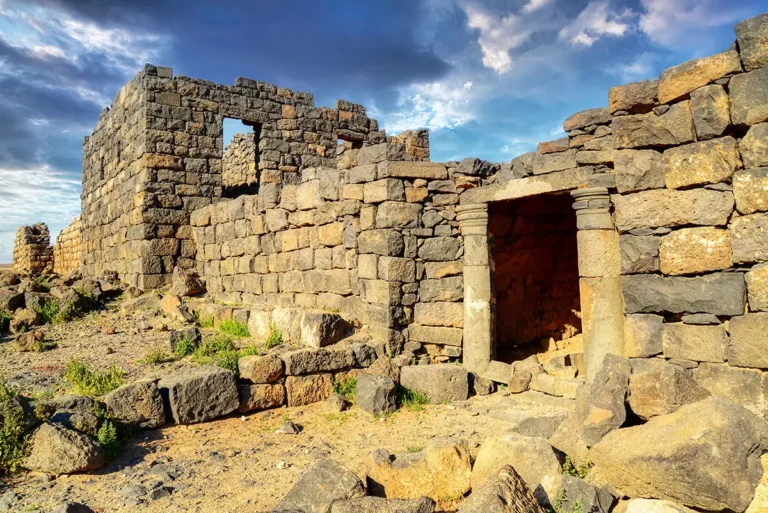
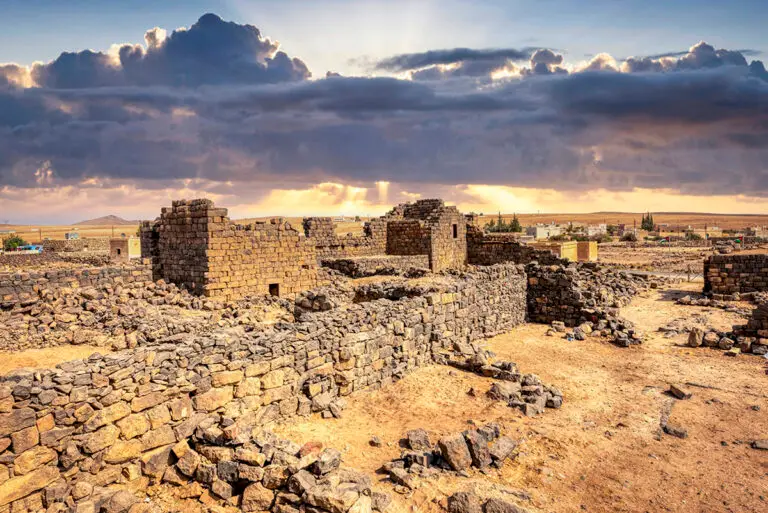
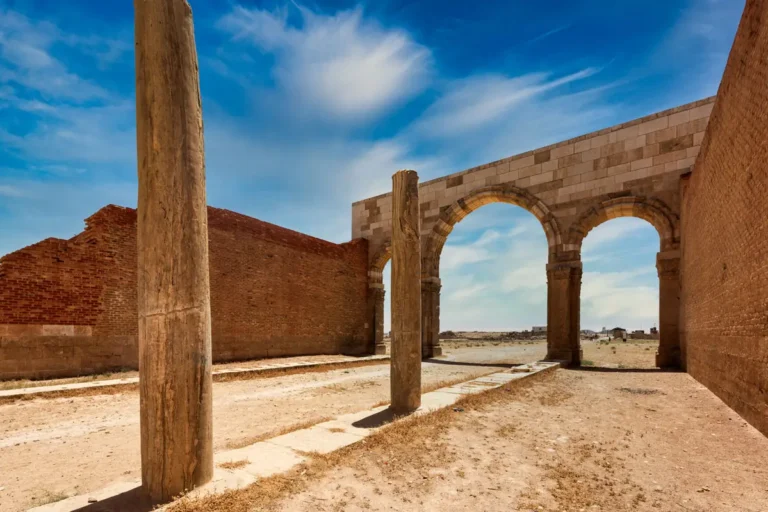
Nature reserveAjloun Forest Biosphere ReserveA leading eco-tourism destination in northern Jordan, protecting rare oak and pistachio forests and the wildlife that lives in them.Read the guide →Qasr Deir Al-Kahf is a Roman-era fort located in the basalt desert of eastern Jordan, near the modern town of Al-Kahf. Built around the 3rd century AD, the fort was strategically positioned to monitor trade routes and protect the eastern frontier of the Roman Empire. Constructed primarily from the local black basalt stone, the fort features thick defensive walls, square corner towers, and an internal courtyard that once housed soldiers and essential supplies. Despite centuries of exposure to the harsh desert climate, the structure remains relatively well-preserved, offering valuable insight into Roman military architecture adapted to desert conditions.
The name “Deir Al-Kahf,” meaning “Monastery of the Cave,” hints at its later use during the Byzantine and early Islamic periods when forts were often repurposed as religious or civilian buildings. Archaeological evidence suggests the fort served multiple roles over time, evolving from a military outpost into a community centre for the surrounding settlements. Today, visitors to Qasr Deir Al-Kahf can walk among its surviving walls and towers, experiencing the atmosphere of a remote frontier post that once stood as a guardian of empire and trade.