












The Jordan Museum is the national museum of Jordan, in the Ras Al-Ain district of downtown Amman. Designed by the architect Jafar Tukan and opened to the public in 2014, it presents the country’s past in chronological galleries, with the ‘Ain Ghazal statues and the Copper Scroll among its best-known displays.
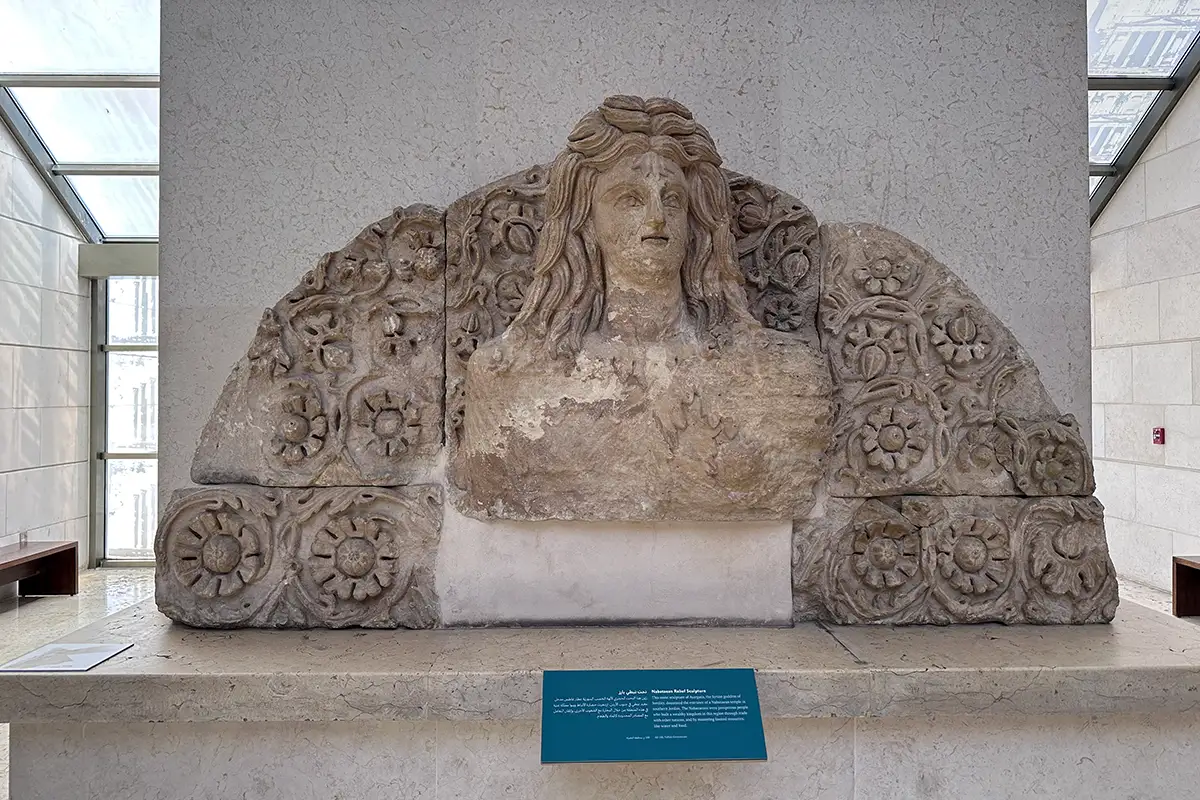
Where Is the Jordan Museum?
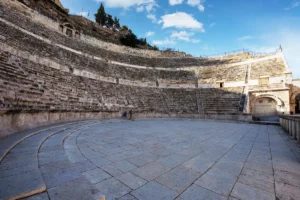
The museum stands in Ras Al-Ain, a short walk from the Roman Theatre and the Roman Nymphaeum, next to the headquarters of the Greater Amman Municipality. Ras Al-Ain was historically the city’s water source, which gives the setting a link with the ancient settlement nearby.
Historical Context and Origin
The idea of a national museum for Jordan is older than the building. Proposals appeared from the 1960s, including a design for a museum at the Amman Citadel, but concern about building on an important archaeological site prevented their implementation. In 1980 the first International Conference on the History and Archaeology of Jordan, held at Oxford under Prince El Hassan bin Talal, recommended the creation of a national museum. Funding was secured in 1999 through a Japanese loan for the Tourism Sector Development Project.
King Abdullah II issued a royal decree establishing the national museum on 16 May 2002, and the museum’s bylaw followed in 2003. On 2 October 2005 Queen Rania, chair of the board of trustees, laid the foundation stone of the building in Ras Al-Ain, and the board adopted the name The Jordan Museum. The first galleries opened to the public in 2014.
Architectural Design
The building was designed by Jafar Tukan and stands in the new downtown area of Ras Al-Ain. Its ground floor is organised around an entrance hall, a main exhibition gallery with a central stair and mezzanine, an outdoor exhibition area and a courtyard, with a separate wing for the shop and restaurant. The plan below is an interpretive schematic of the ground floor, not a current exhibit locator.
'Ain Ghazal Statues
Neolithic plaster figures, among the oldest large human statues ever made.
Copper Scroll
A Dead Sea Scroll inscribed on copper, an inventory of hidden treasure.
Chronological Galleries
Displays run from prehistory through the classical and Islamic periods to the modern era.
Courtyard and Outdoor Display
An open courtyard and an outdoor exhibition area complete the museum.
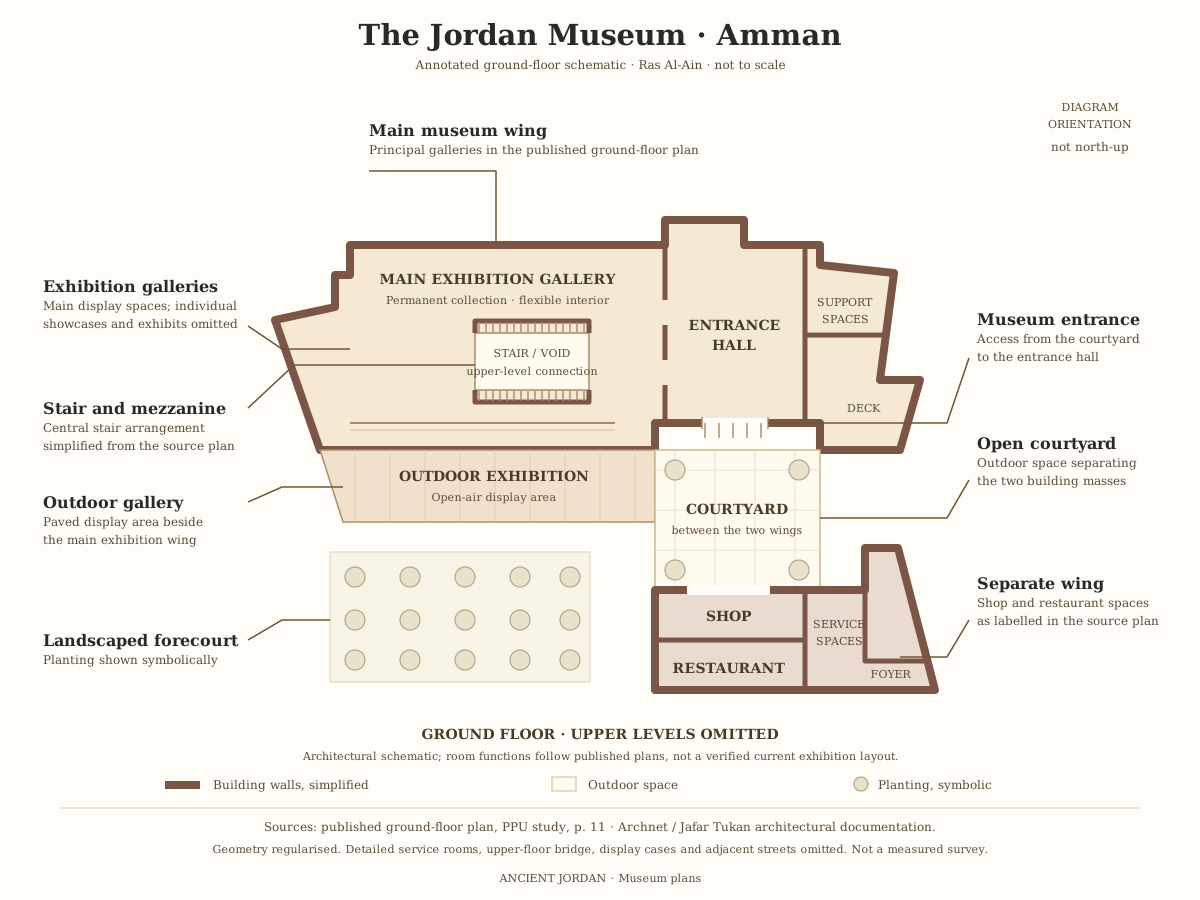
Jordan Museum, Amman
Schematic ground-floor plan of the Jordan Museum, Ras Al-Ain, Amman, after published plans; interpretive, not a measured survey
Open drawingWhat to See in the Jordan Museum
The galleries follow Jordan’s history in chronological order, from prehistory through the classical and Islamic periods to the modern era, supported by thematic displays. Among the highlights are the plaster statues from ‘Ain Ghazal, a Neolithic village in Amman, which are among the oldest large human statues ever made, and the Copper Scroll, the Dead Sea Scroll written on metal rather than parchment or papyrus. The collection also includes a replica of the Mesha Stele.
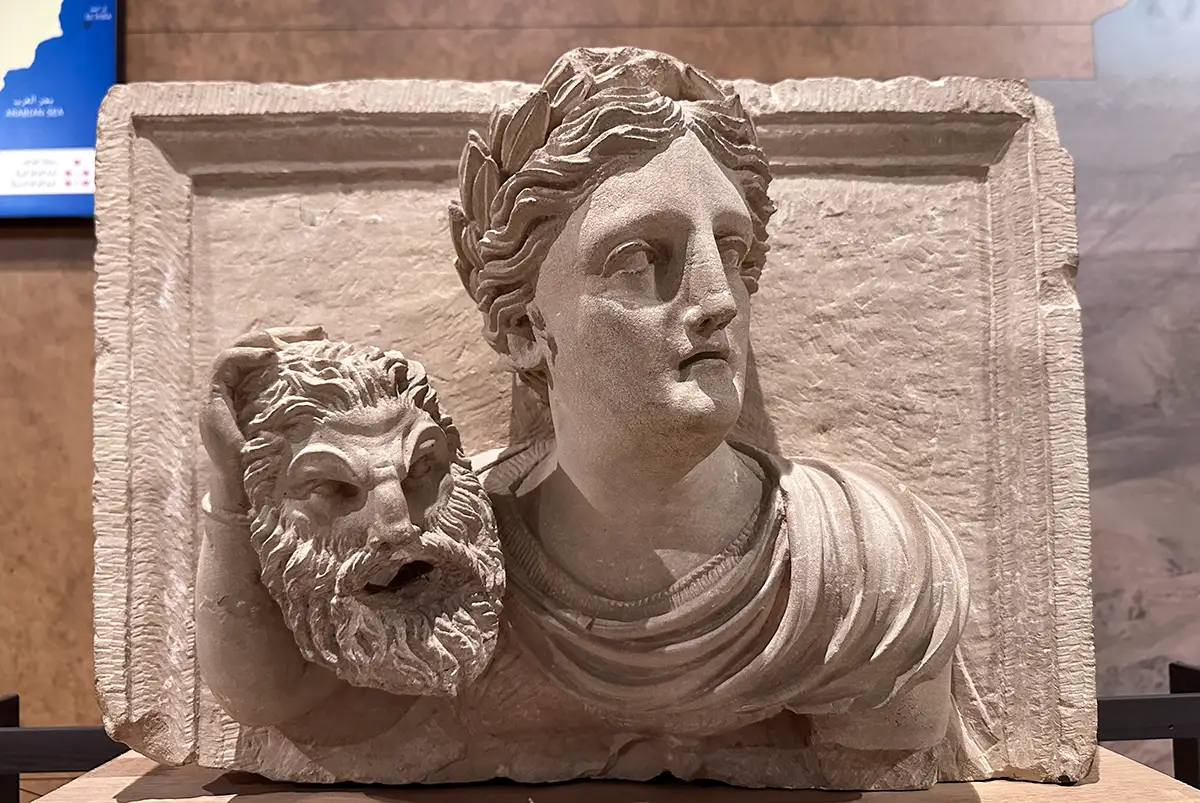
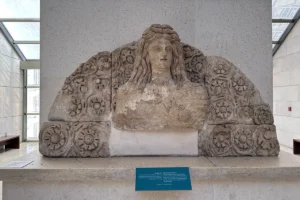
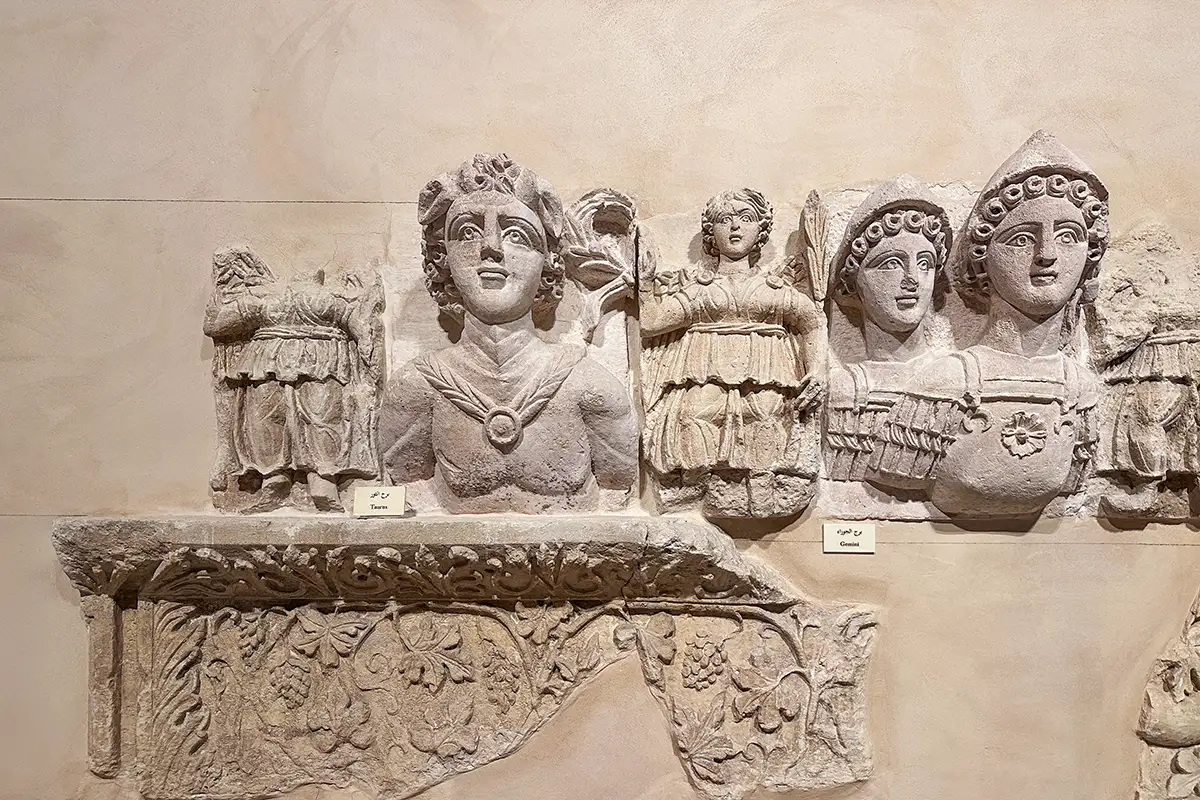
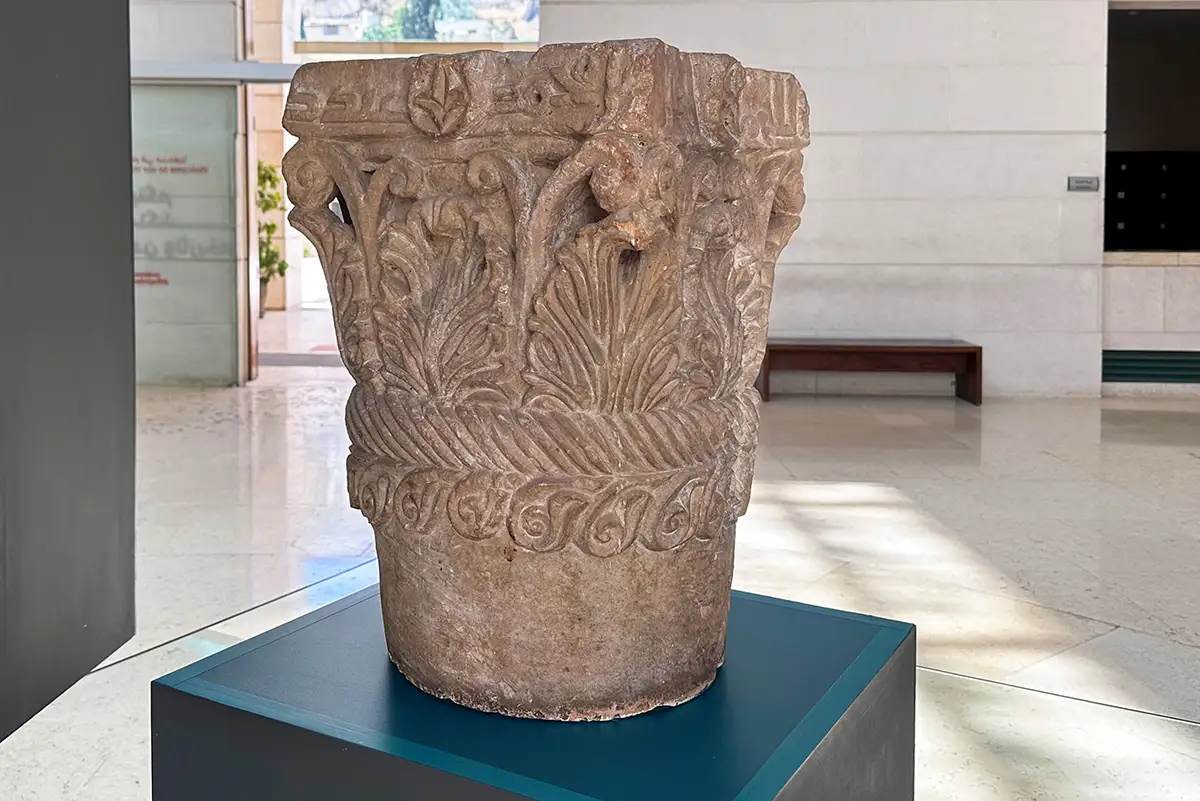
Carved stone from the Roman period is shown in the galleries and in the entrance hall, including reliefs with portrait busts and architectural pieces such as capitals and decorated lintels.
Visiting the Jordan Museum Today
Admission is 5 JOD for visitors and 1 JOD for residents; the museum is not covered by the Jordan Pass. The museum is open from 9 AM to 5 PM every day except Tuesday, when it is closed; on Fridays it opens from 2 to 6 PM. Hours change during Ramadan and when the clocks change, so check before you go. Allow about one hour. The Roman Theatre and the Nymphaeum are close by.
Further reading: Studies in the History and Archaeology of Jordan (SHAJ) 10, pp. 219–224, on the proposals for a national museum; Archnet, Jordan National Museum; Jordan News, The storyteller of Jordan; Jordan’s Museums.