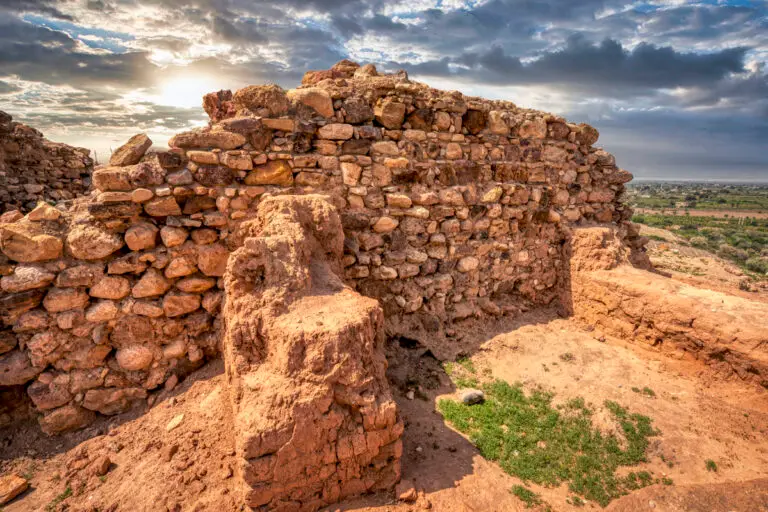
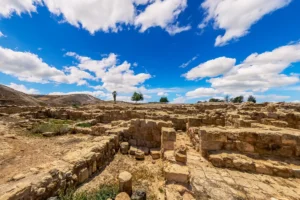
Tell El-Hammam, in the Jordan Valley north-east of the Dead Sea, was one of the largest Bronze Age cities in the southern Levant. Its Middle Bronze Age city ended in a thick layer of ash and destruction debris, which the excavators date to about 1650–1600 BC.
The airburst claim
In 2021, researchers linked to the excavation published a paper in Scientific Reports arguing that a cosmic airburst destroyed the city. This would have been a comet or meteor exploding in the atmosphere, similar to the 1908 Tunguska event. The idea drew wide media attention.
Why the paper was retracted
Other scientists questioned the evidence, and in 2022 the authors corrected several manipulated images. In April 2025 the journal retracted the paper, saying the remaining concerns undermined its conclusions. The authors disagree and plan to publish new data, but for now the cause of the destruction is still debated.
Was Tell El-Hammam biblical Sodom?
The excavators have proposed that Tell El-Hammam was biblical Sodom, but most scholars have not accepted this identification.
See it for yourself
On the upper mound, the destruction layer shows as a dark band in the trench walls. Read more in our Tell El-Hammam profile, or explore the site in the 360° panorama.