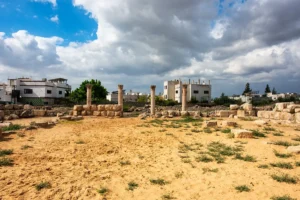
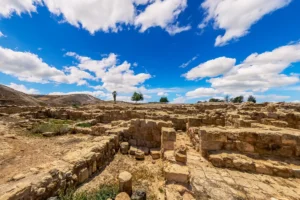
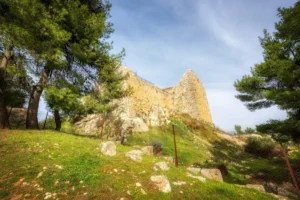
Khirbet al-Mukhayyat, located near Mount Nebo in Jordan, is an archaeological site of great historical and religious significance. Known for its well-preserved Byzantine churches with stunning mosaics, this ancient village offers a fascinating glimpse into early Christian art and architecture. The site is closely associated with the Memorial of Moses on Mount Nebo and was an important pilgrimage centre during the Byzantine period (4th–7th centuries AD).
Several Byzantine-era churches have been uncovered at Khirbet al-Mukhayyat, each featuring intricate mosaic floors with geometric patterns, floral designs, and inscriptions.
The Church of St. Lot and St. Procopius
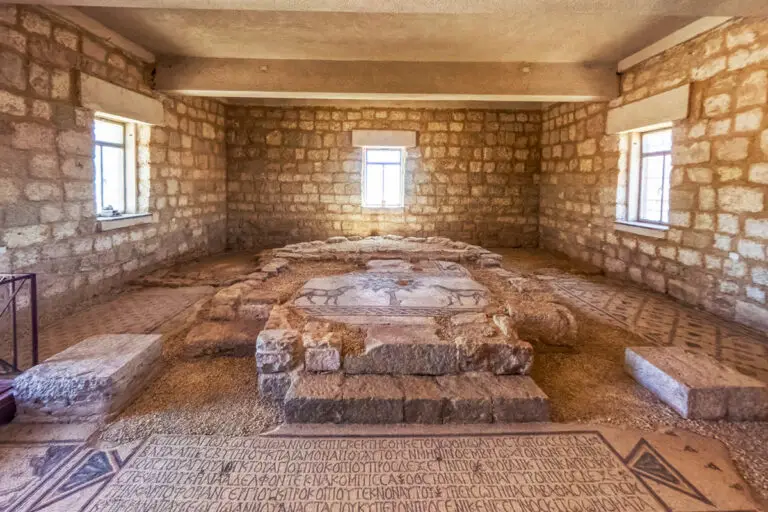
The Church of St. Lot and St. Procopius is a 6th-century Byzantine church known for its remarkable mosaic artistry. Built in 567 AD, the church was dedicated to St. Lot, the biblical figure from the story of Sodom and Gomorrah, and St. Procopius, an early Christian martyr.
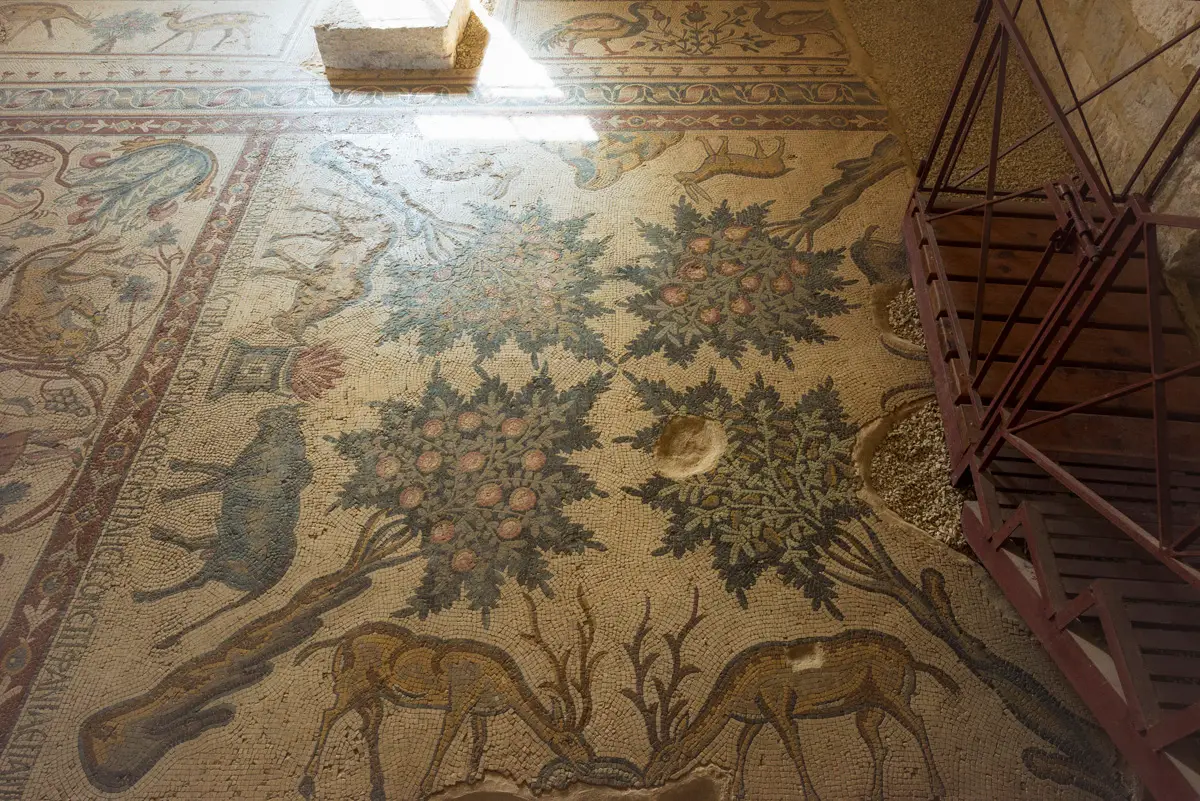
The church’s most striking feature is its well-preserved mosaic floor, adorned with intricate geometric patterns, floral designs, and Greek inscriptions. The mosaics also depict birds, animals, and pastoral scenes, reflecting the artistic style of the Madaba region during the Byzantine era. This sacred site provides valuable insights into early Christian architecture and religious practices, making it a must-visit for history and archaeology enthusiasts exploring Jordan’s rich heritage.
The Church of St. George
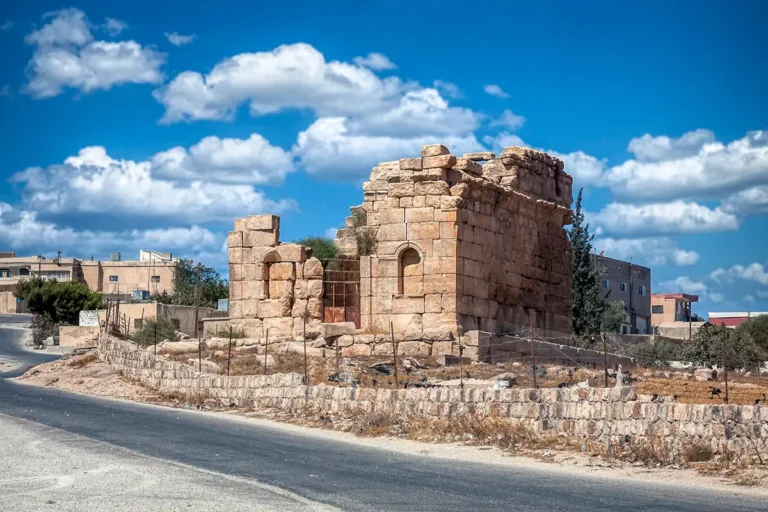
The Church of St. George right behind the Church of St. Lot and St. Procopius, is an ancient Byzantine-era church known for its impressive mosaic floor and historical significance. Though largely in ruins, the site remains an important testament to the early Christian presence in the region.
Built in AD 536, the church featured a basilica-style layout with stone columns and an apse. The mosaic floor, partially preserved and displayed at the Moses Memorial at Mount Nebo, showcases hunting scenes, animals, and intricate geometric patterns The site offers a glimpse into Byzantine religious architecture and Jordan’s rich Christian heritage, attracting visitors interested in history and archaeology.
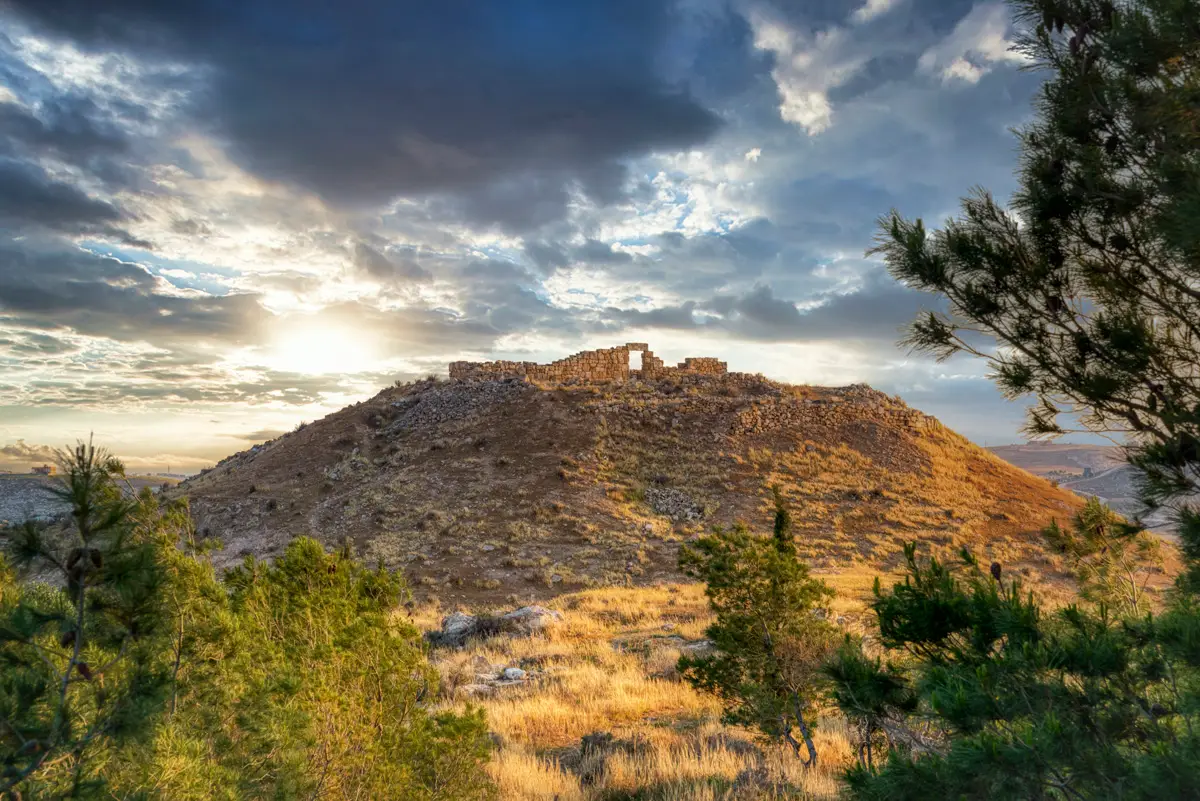
the Church of Amos and Casiseos
The Church of Amos and Casiseos is a Byzantine-era church dating back to the 6th century AD. Though now in ruins, this ancient church is known for its remarkable mosaic floor and historical significance as a Christian pilgrimage site.
The surviving mosaic inscriptions indicate the church was dedicated to Amos and Casiseos, likely early Christian figures or benefactors. The mosaic floor, which was moved to the Moses Memorial at Mount Nebo, features geometric patterns, floral motifs, and depictions of local wildlife, showcasing the artistic style of the Madaba region during the Byzantine period. While much of the church’s structure has deteriorated over time, the remnants of its walls, foundations, and mosaics provide valuable insight into early Christian architecture and religious traditions in Jordan.
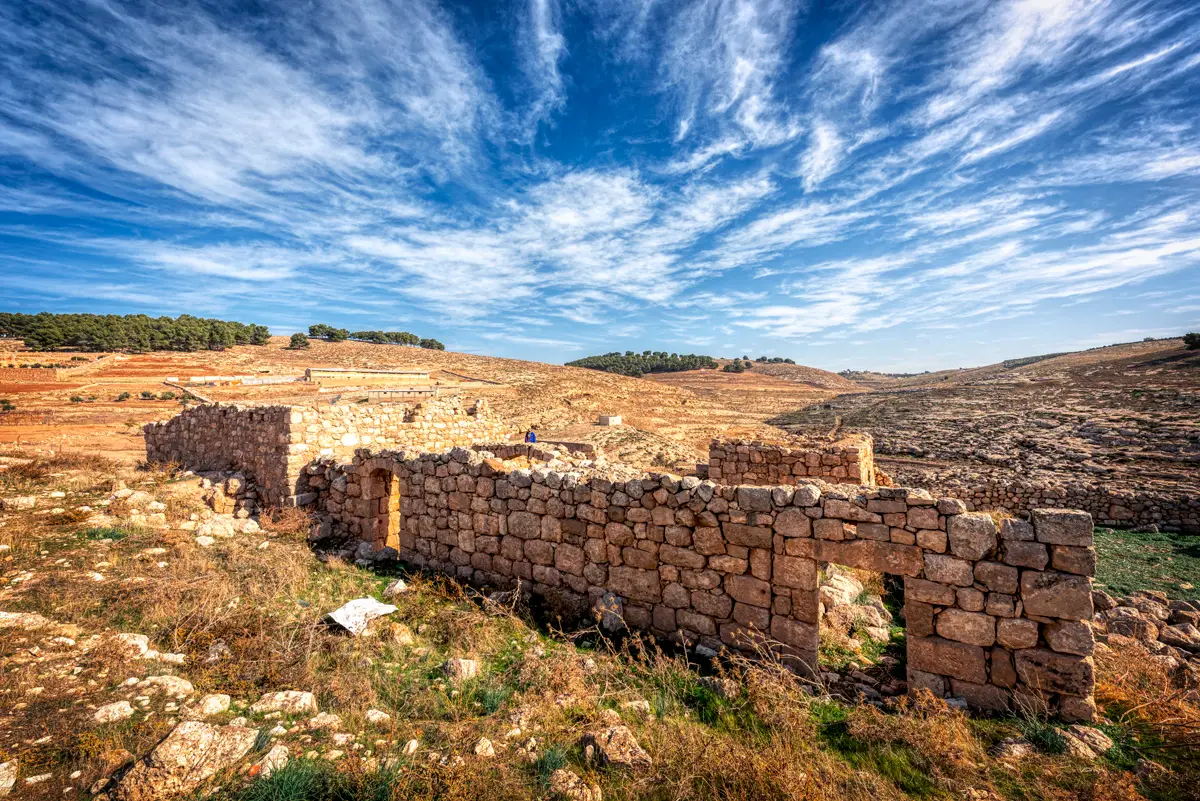
Historical and Religious Importance
Khirbet al-Mukhayyat was part of a network of Christian settlements around Mount Nebo, a site traditionally linked to the death of Moses. Pilgrims traveling to Mount Nebo would have visited these churches, which served both liturgical and communal functions. The mosaics not only reflect artistic excellence but also provide historical records of donors, clergy, and craftsmen of the time.