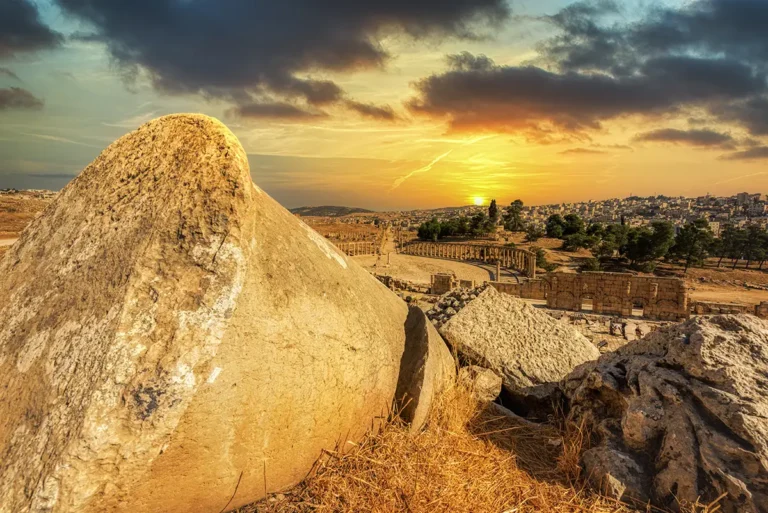
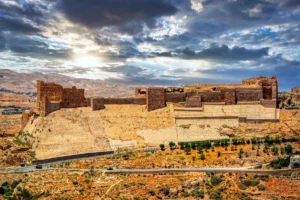
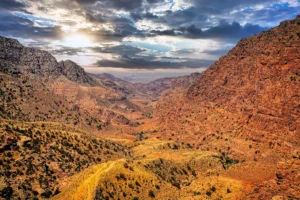

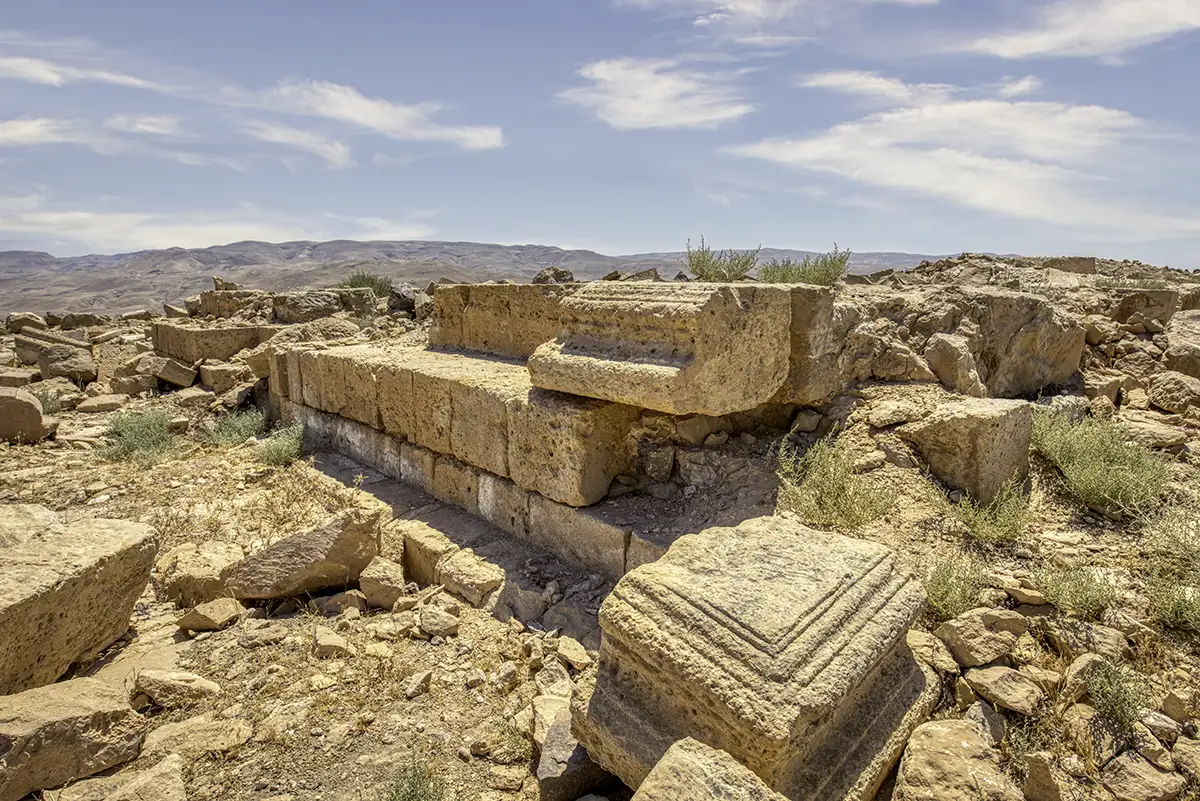
Some archaeological sites in Jordan impress with their monumental architecture. Others leave a lasting memory because of their spectacular setting. Khirbet et-Tannur belongs firmly in the second category. Hidden on top of a lonely mountain plateau overlooking the rugged landscape between the Wadi al-Hasa and Petra regions, this remote Nabataean sanctuary combines breathtaking scenery with the remains of one of the kingdom’s most important religious sites.
Unlike Petra, where thousands of visitors walk the ancient streets every day, Khirbet et-Tannur remains almost completely forgotten. On the day of my visit, I had the entire mountain to myself. There were no ticket offices, no souvenir stalls, and no crowds—only silence, history, and magnificent views stretching across southern Jordan.
What is Khirbet et-Tannur?
Khirbet et-Tannur is the site of a Nabataean temple complex built on top of an isolated mountain. The sanctuary flourished during the late 1st century BC and the 1st and 2nd centuries AD, when the Nabataean Kingdom controlled the lucrative caravan routes linking Arabia with the Mediterranean.
Unlike the grand temples inside Petra, Khirbet et-Tannur served as a sacred mountain sanctuary. Pilgrims likely climbed the hill to worship Nabataean deities associated with fertility, agriculture, rain, and prosperity. The temple occupied a commanding position, visible from great distances, reinforcing its symbolic importance within the surrounding landscape.
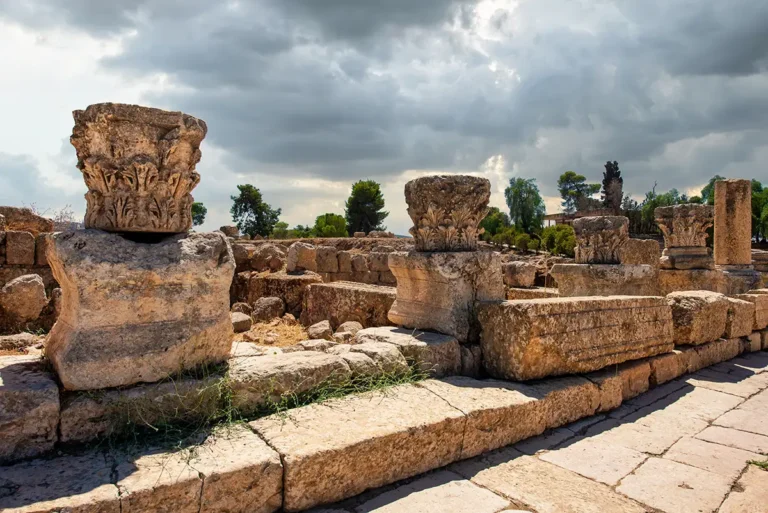
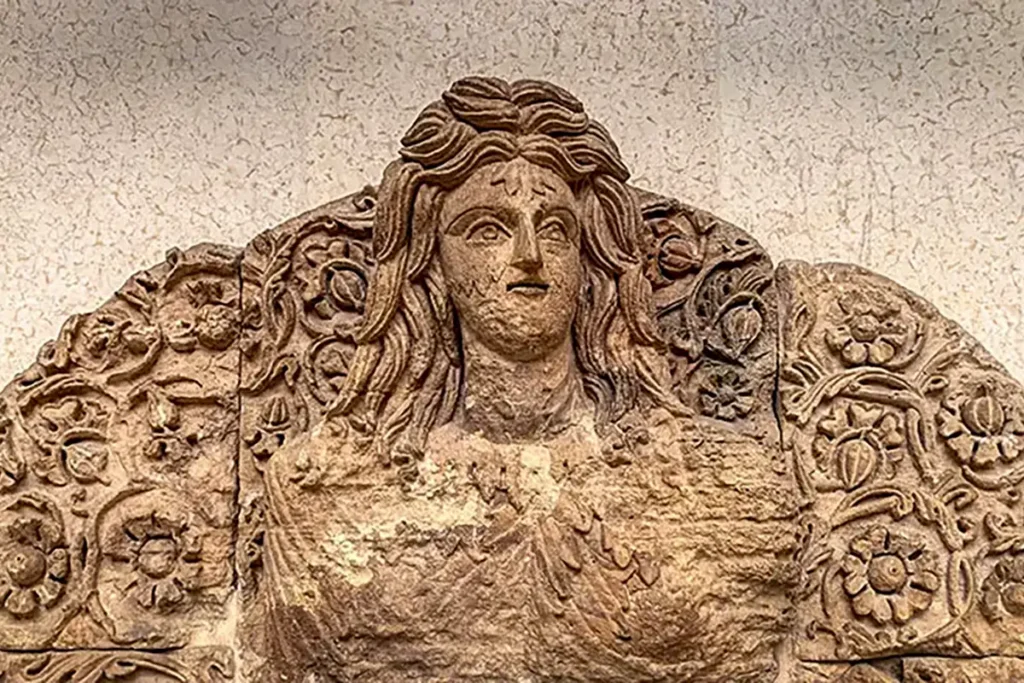
The site became internationally famous after archaeological excavations led by the American archaeologist Nelson Glueck during the 1930s. His discoveries revealed extraordinary architectural decoration—finely carved capitals, reliefs of deities, floral ornaments, mythological figures, and elaborate sculptural elements that rank among the finest examples of Nabataean art ever discovered.
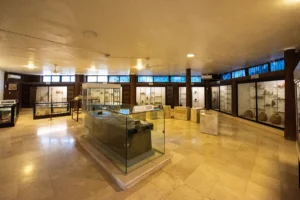
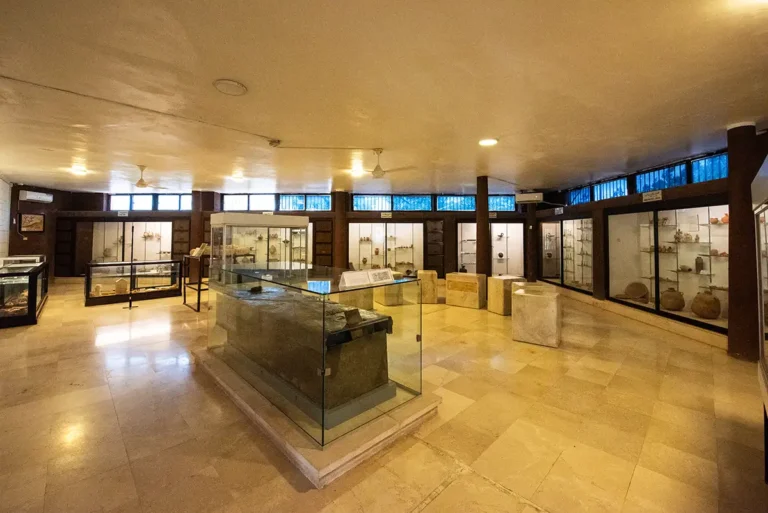
Most of these masterpieces no longer remain on the hill. To protect them, they were removed after excavation and are now preserved in the Jordan Museum in Amman, as well as in several museum collections abroad. What remains today is the impressive setting and the architectural footprint that allows visitors to imagine the sanctuary as it once stood.
Preparing for the Visit
Khirbet et-Tannur is not a typical tourist destination. There are no visitor facilities, marked trails, or services, so some preparation makes the visit much more enjoyable.
I packed sturdy hiking shoes, as the climb is steep and the path is uneven in places. A hat, sunscreen, and plenty of drinking water are essential, especially during the warmer months, as there is virtually no shade after leaving the vehicle.
I also saved the key Google Maps locations before leaving Amman. Mobile reception is generally available but cannot always be relied upon in the surrounding valleys. Having the correct route already downloaded helps avoid unnecessary detours.
The Drive from Amman
The journey from Amman is part of the adventure.
Leaving the capital behind, I followed the historic King’s Highway south through some of Jordan’s most beautiful landscapes. The road passes rolling hills, fertile valleys, small villages, and dramatic escarpments before reaching the quieter countryside around Tannur.
At the designated junction (Google Maps location), I turned right onto the local Bedouin road that leads toward the mountain. The paved road gradually becomes narrower as it winds through the rugged landscape, passing grazing animals and occasional Bedouin tents.
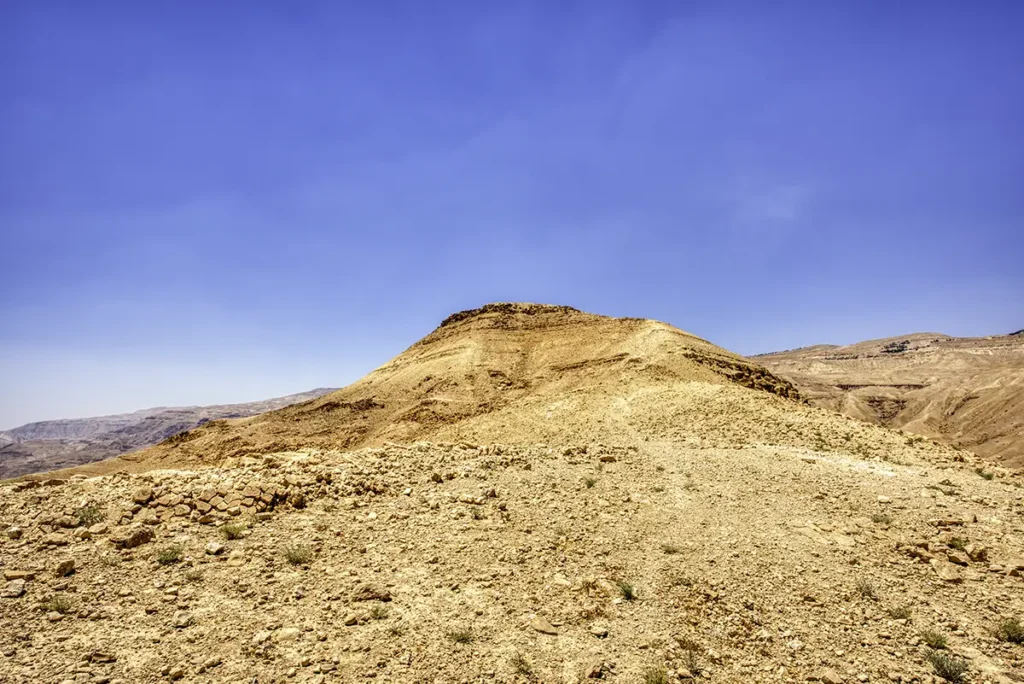
Continuing carefully, I reached the end of the drivable section near the recommended parking point (Google Maps location). From here, the archaeological site is clearly above, perched on the summit of the isolated hill.
Climbing to the Sanctuary
The hike from the parking area takes approximately 20 to 30 minutes, depending on fitness and the weather.
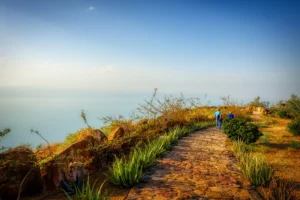
The trail climbs steadily uphill over rocky terrain. While it is not technically difficult, good footwear makes the ascent considerably easier. With every few minutes of climbing, the views become more spectacular as the surrounding valleys unfold below.
The final stretch is the steepest, but reaching the summit makes every step worthwhile.
First Impressions
The moment I stepped onto the summit, I immediately understood why the Nabataeans selected this location.
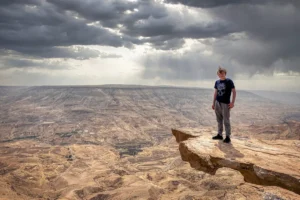
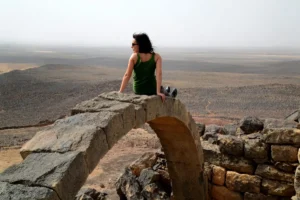
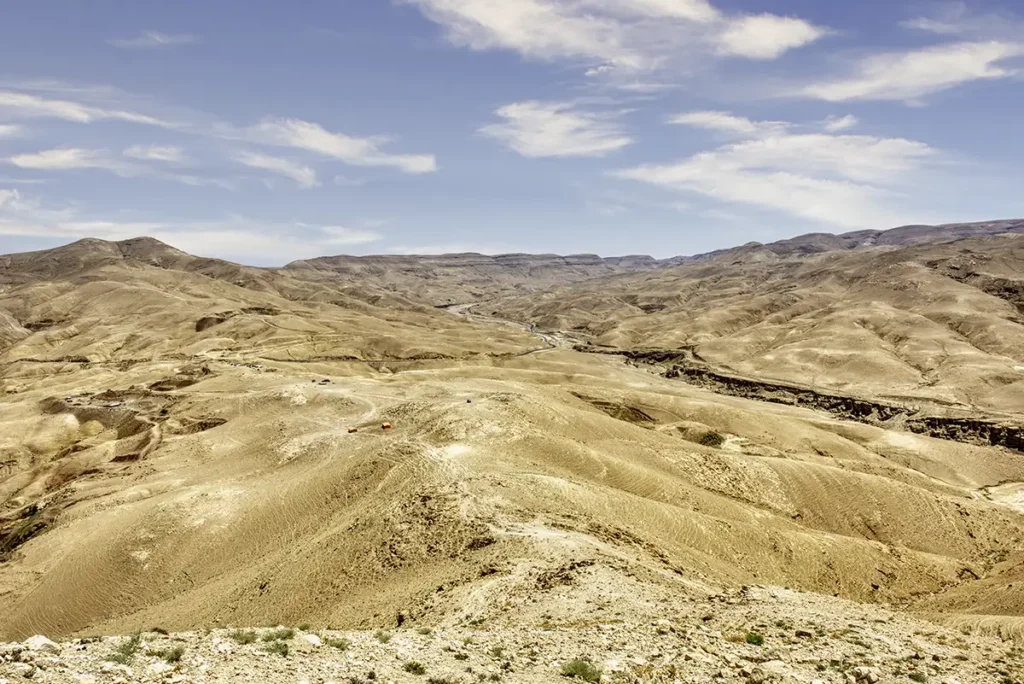
The 360-degree panorama is simply breathtaking.
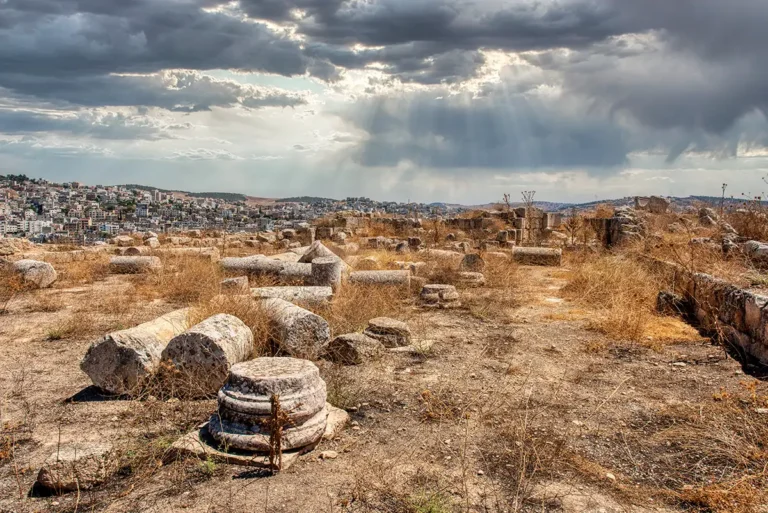
The mountain rises above the surrounding landscape, offering uninterrupted views across countless ridges, valleys, and distant plateaus. Even without the temple standing intact, the location itself conveys a powerful sense of spirituality and isolation.
Standing there alone, surrounded only by wind and silence, it was easy to imagine pilgrims arriving here nearly two thousand years ago after making the same climb.
Exploring Khirbet et-Tannur
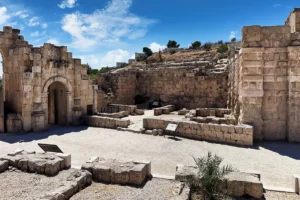
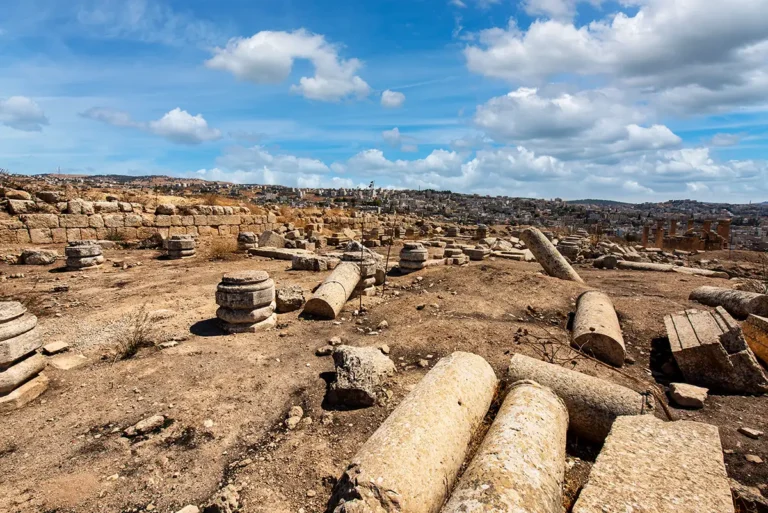
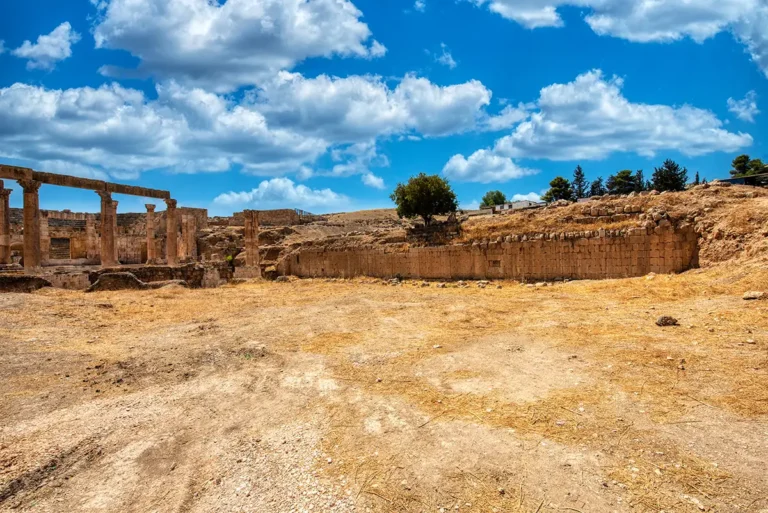
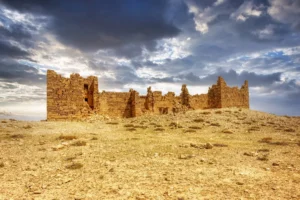
Although much of the decorative architecture was removed during excavation, the surviving remains still reveal the layout of the sanctuary.
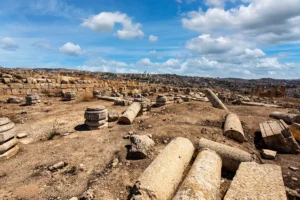
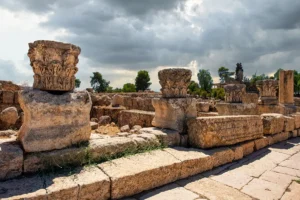
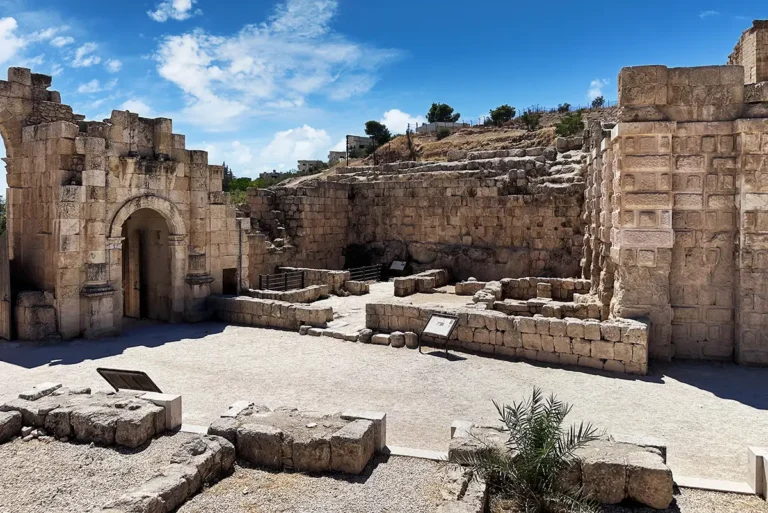
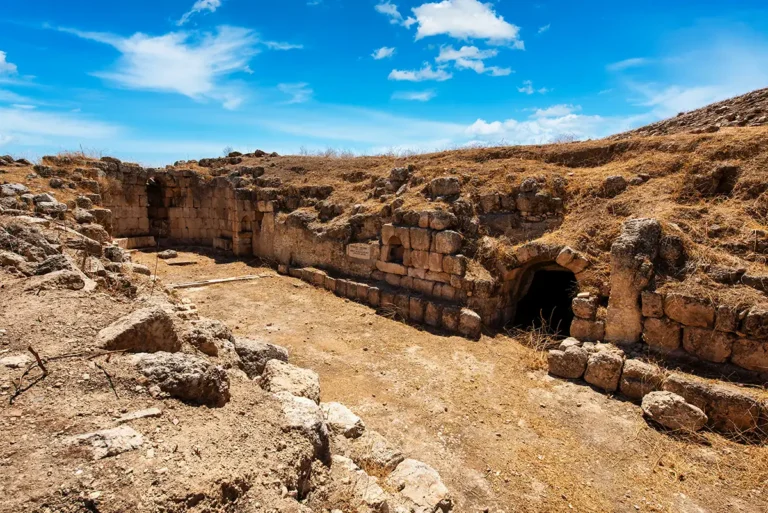
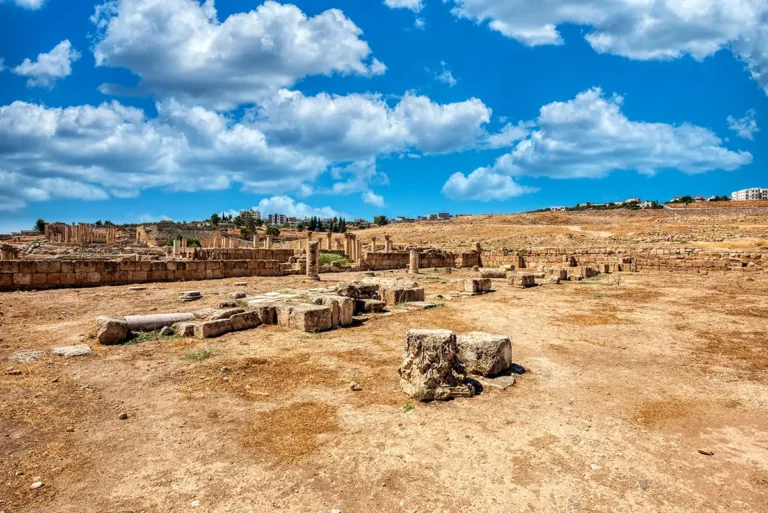
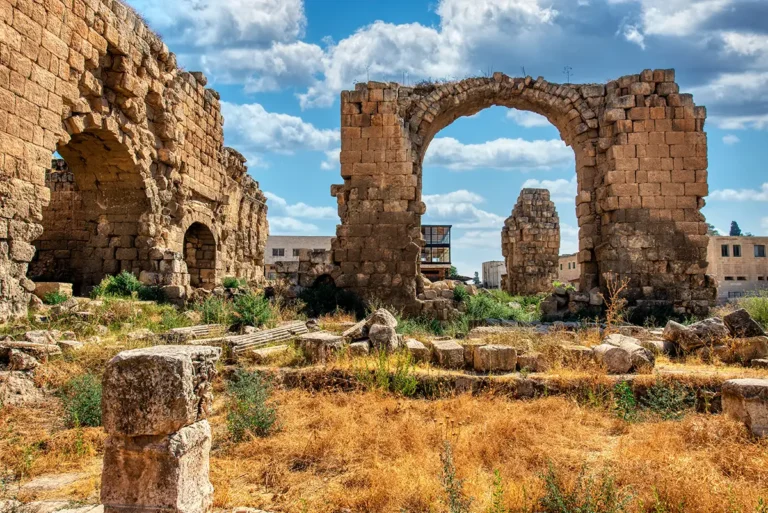
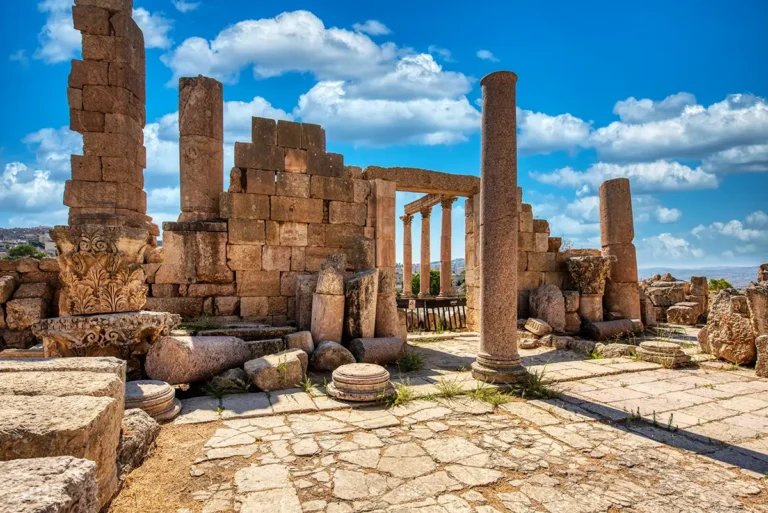
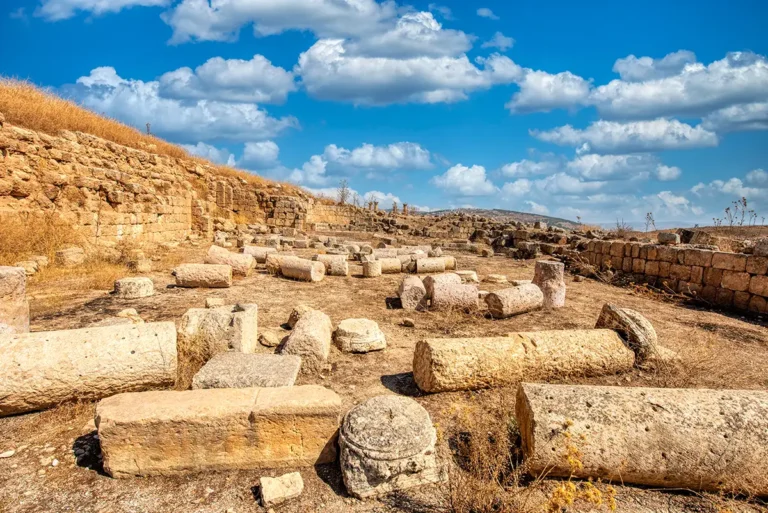
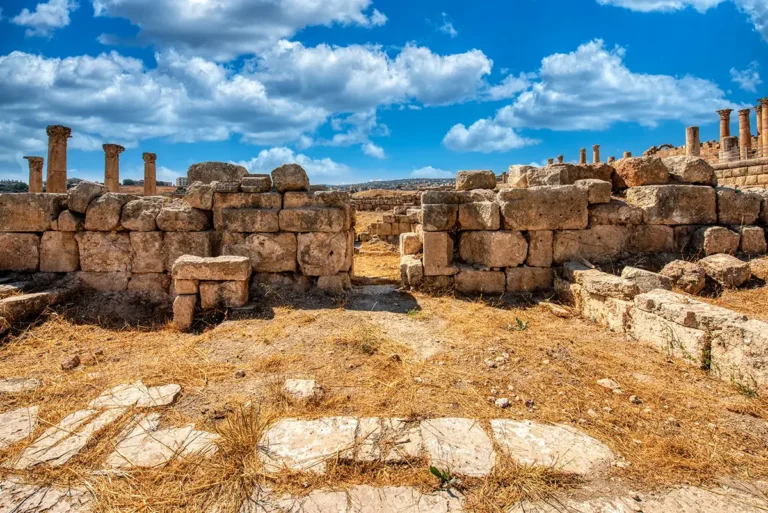
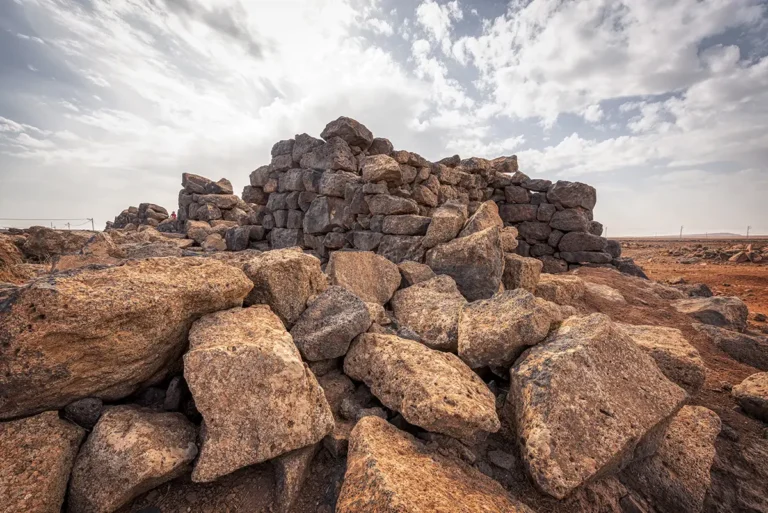
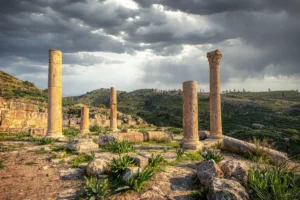
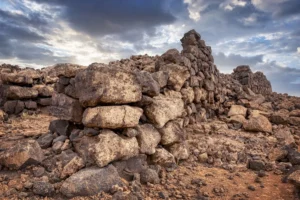
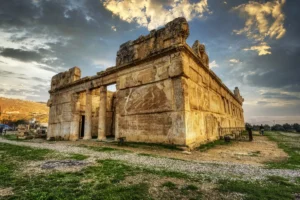
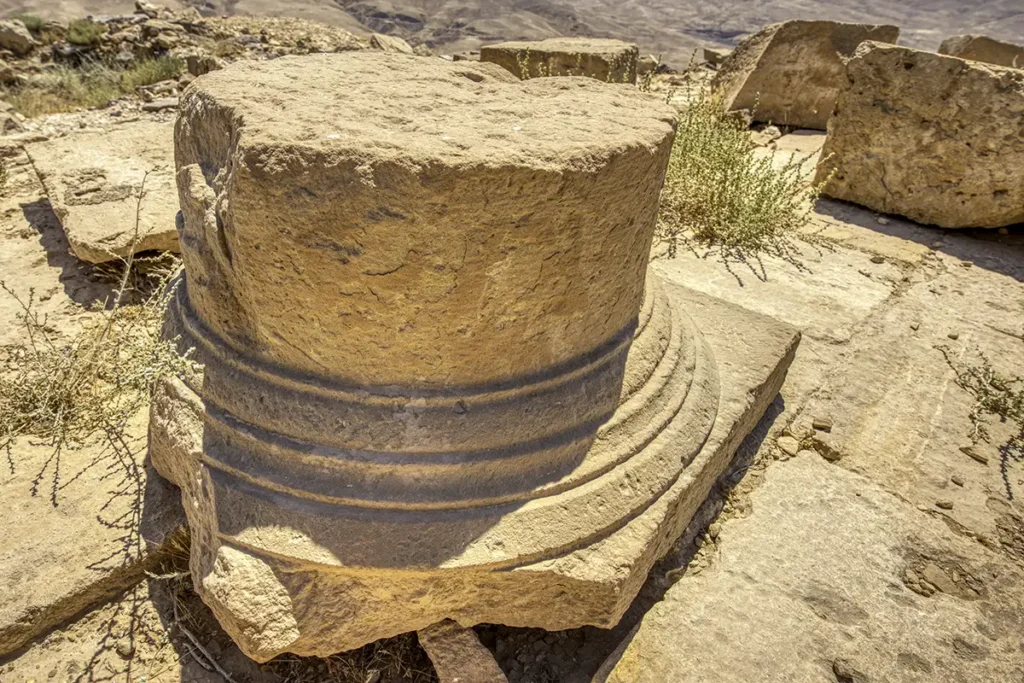
Sections of the temple walls survive around parts of the platform, while numerous stone blocks lie scattered where they collapsed centuries ago. The circular bases of several columns can still be identified, helping visitors visualise the once-impressive colonnaded courtyard.
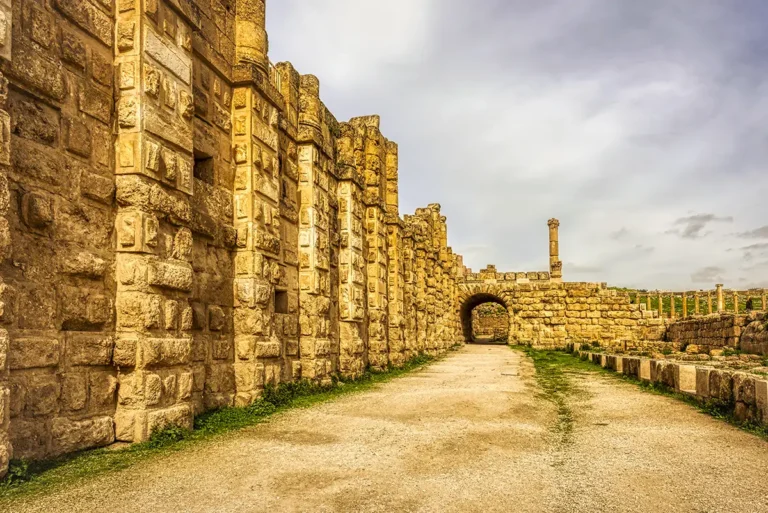
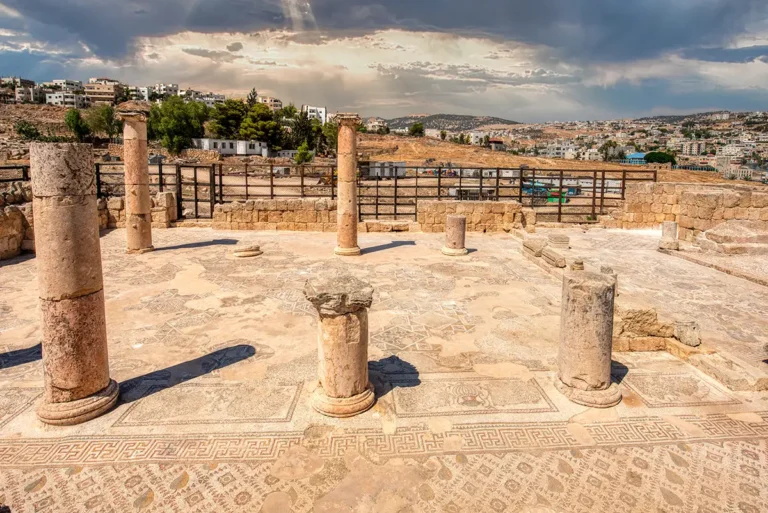
Parts of the original paved floor remain visible, together with foundation walls outlining the main temple buildings. Carefully cut Nabataean masonry is evident throughout the site, demonstrating the high level of craftsmanship invested in constructing the sanctuary.
Walking slowly around the summit, I could distinguish different building phases and imagine where richly decorated entrances, altars, and ceremonial spaces once stood.
The absence of reconstructed buildings actually adds to the experience. Rather than presenting an overly restored monument, Khirbet et-Tannur invites visitors to use both archaeology and imagination to recreate its former grandeur.
Where Did the Sculptures Go?
One of the most common questions visitors ask is why the temple appears relatively plain today.
The answer lies in the remarkable discoveries made during the excavations.
Many of the spectacular carvings—including decorated capitals, sculpted deity heads, floral reliefs, friezes, cornices, and other architectural elements—were removed for conservation. Today, some of the finest pieces can be admired in the Jordan Museum in Amman, where they are displayed in controlled conditions that protect them from weathering and vandalism.
Other important finds eventually became part of museum collections outside Jordan following the archaeological work of the early twentieth century.
Seeing these sculptures in museums after visiting the actual sanctuary gives an entirely new appreciation for the artistic sophistication of the Nabataeans.
Returning to Amman
After spending time exploring the ruins and photographing the magnificent scenery, I began the descent back to the car.
The downhill walk was considerably easier, allowing more opportunities to appreciate the surrounding landscape from different angles. Once back on the mountain road, I retraced my route to the King’s Highway before beginning the comfortable drive north toward Amman.
Even on the return journey, the changing scenery made the drive feel like an extension of the archaeological experience rather than simply the trip home.
Is Khirbet et-Tannur Worth Visiting?
Without hesitation—yes.
Khirbet et-Tannur is unlikely to appeal to visitors seeking large standing monuments or reconstructed temples. Instead, it rewards those who enjoy combining archaeology with hiking, spectacular landscapes, and discovering places that remain largely untouched by mass tourism.
Its isolation is one of its greatest strengths. Standing alone on the summit, surrounded by panoramic views and the quiet remains of a Nabataean sanctuary, offers an experience that feels authentic and deeply connected to Jordan’s ancient past.
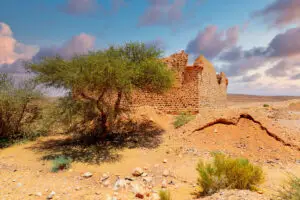
For travellers interested in Nabataean history beyond Petra, Khirbet et-Tannur and Khirbet Al-Dharieh are two of the country’s most memorable hidden archaeological treasures.
Tips and Advice
Wear sturdy hiking shoes with good grip.
Bring plenty of drinking water, especially during spring and summer.
Wear a hat and apply sunscreen, as there is almost no shade.
Save the Google Maps locations before leaving Amman.
Allow enough time to enjoy both the hike and the panoramic views from the summit.
Visit early in the morning or late in the afternoon to avoid the strongest sun and enjoy softer light for photography.
Leave no trace and help preserve this fragile archaeological site by respecting the ruins and taking all rubbish back with you.
If possible, combine your visit with the Jordan Museum in Amman to see the extraordinary sculptures that once decorated this remarkable mountain sanctuary.