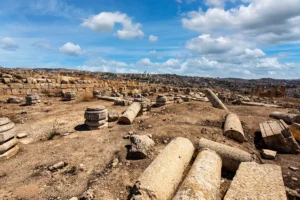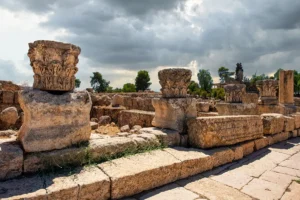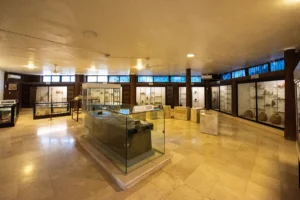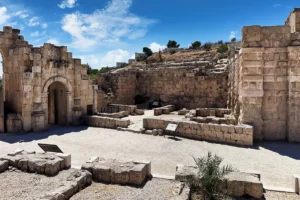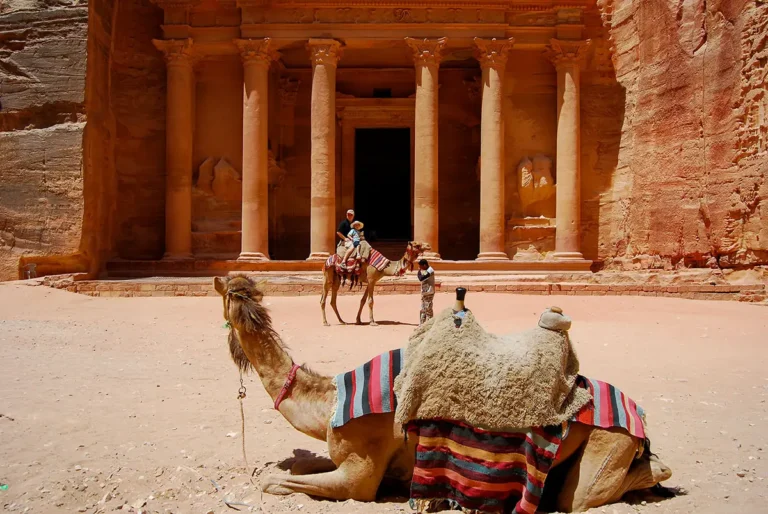
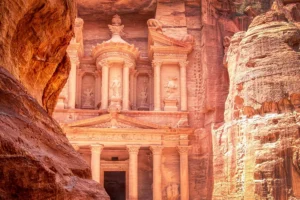
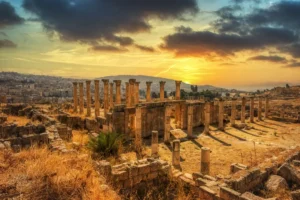
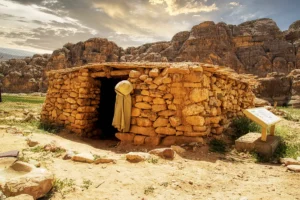
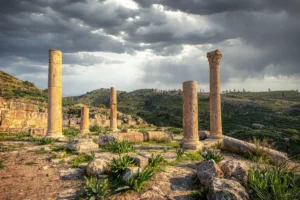

Tucked away from the busier paths of Petra, the Wadi al-Farasa Trail offers a quieter, more intimate journey through the ancient Nabataean city. Often called the “High Place of Sacrifice back route,” this trail combines history, rugged beauty, and a sense of discovery that feels far removed from the crowds around the Treasury. It’s a route that rewards curiosity, taking you through hidden corners where Petra’s story unfolds in layers of rock, ritual, and time.
Where the Adventure Begins
The adventure typically begins near the city centre of Petra, not far from the main trail that leads toward the Royal Tombs. But, in my opinion, the better way to explore it is to combine this trail with the High Place of Sacrifice Trail and descend into the Wadi al-Farasa, to the Qasr al-Bint.
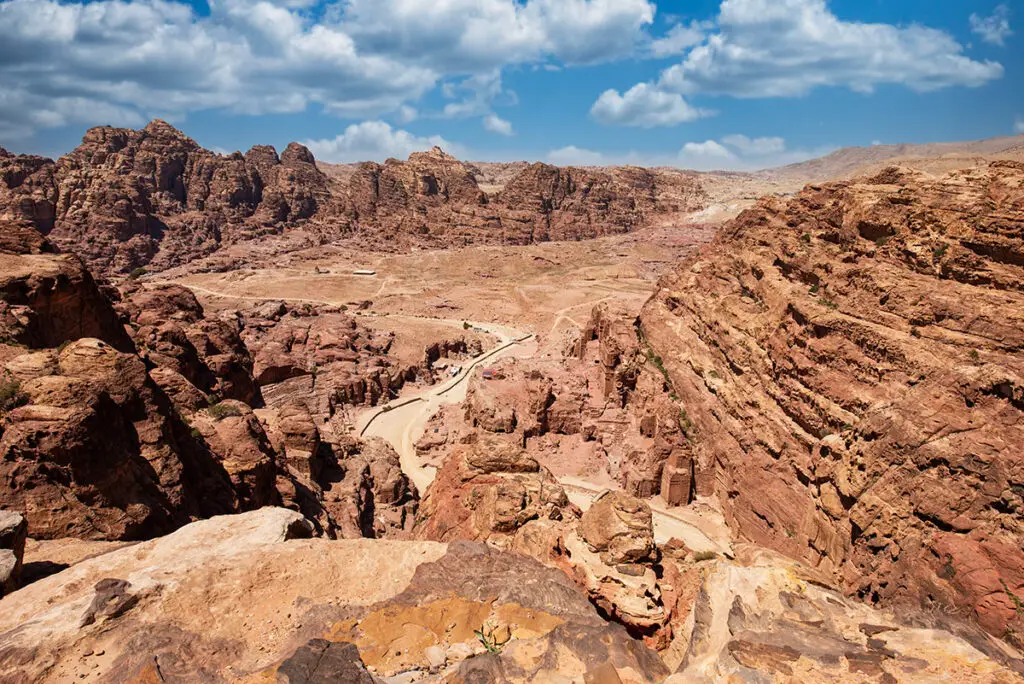
Scenic Views Along the Trail
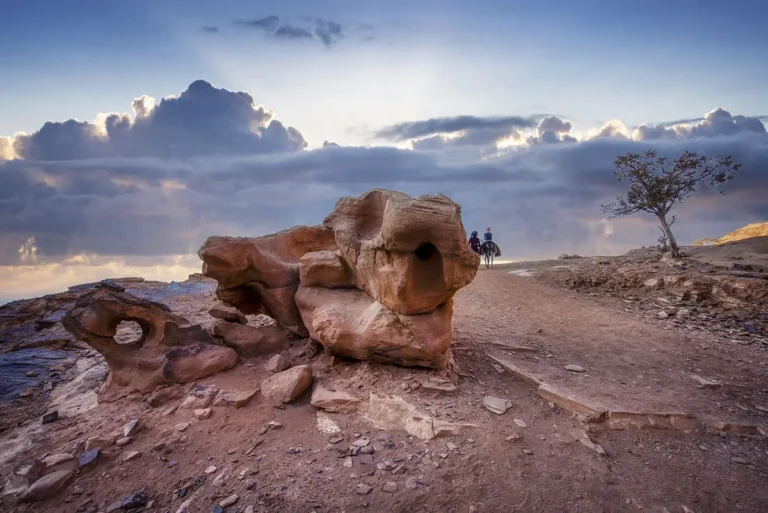
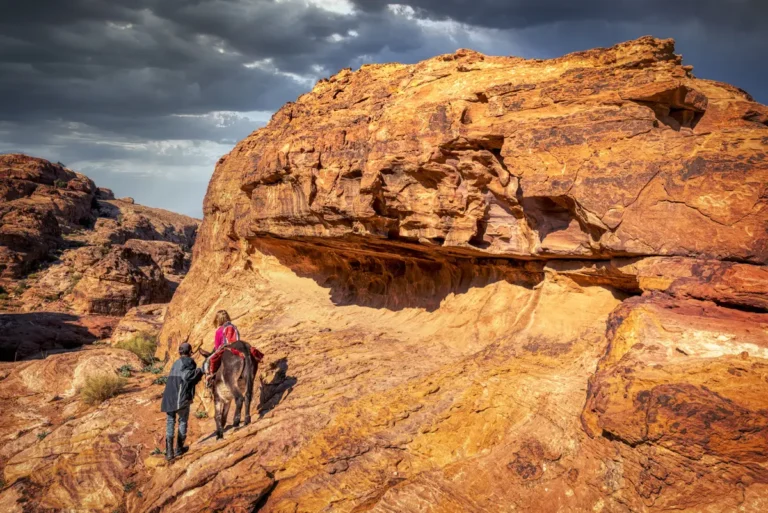
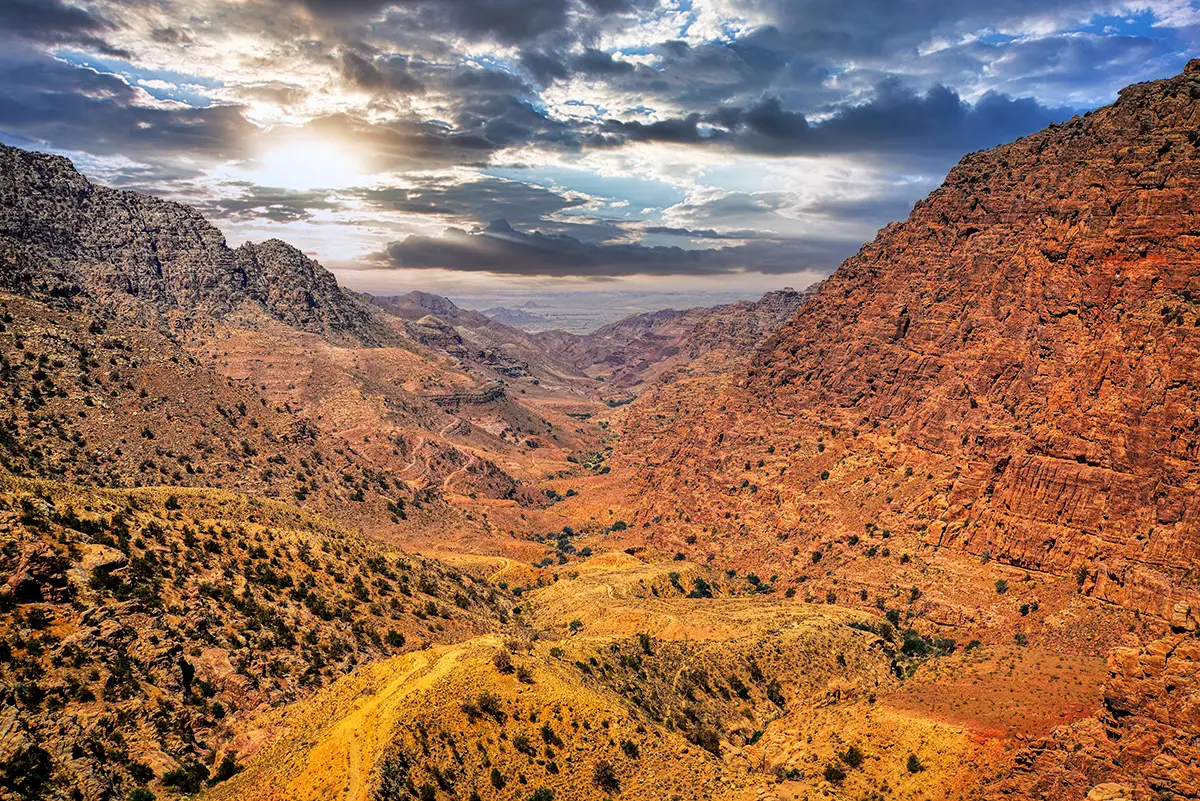
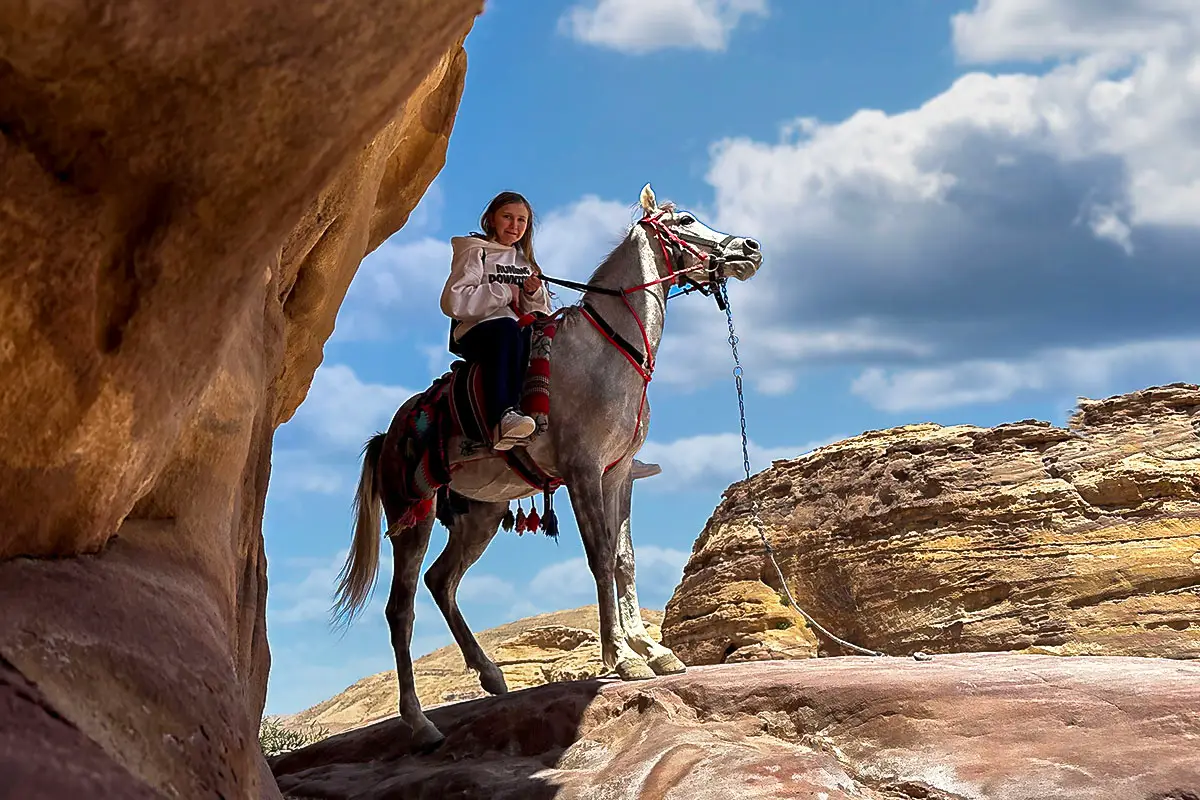
One of the most striking aspects of the Wadi al-Farasa Trail is its constantly changing scenery. Narrow passages open into wide, sunlit spaces framed by dramatic rock formations. The colors of the sandstone shift throughout the day—from soft pinks to deep reds and golden hues—depending on the angle of the sun.
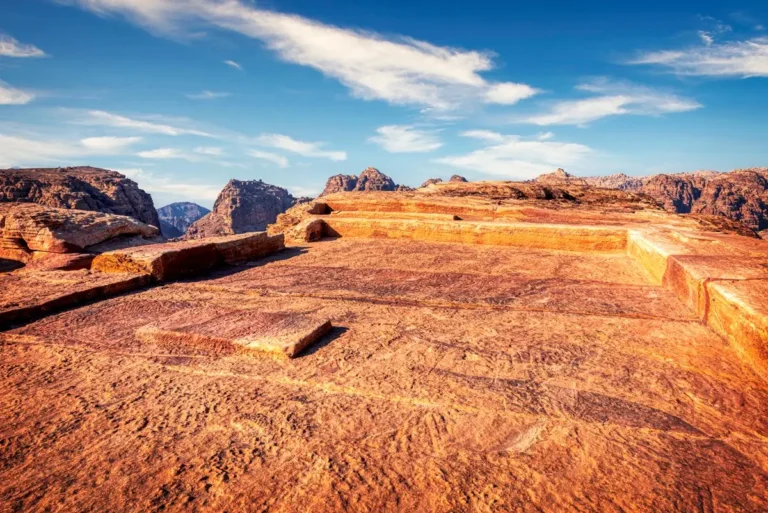
Higher up, the views expand across Petra’s vast landscape. You’ll catch glimpses of distant mountains, hidden tombs carved into cliff faces, and the intricate network of valleys that make Petra feel like a city carved into nature itself. It’s a photographer’s dream, but also a place where simply pausing to take it all in feels just as rewarding.
MAIN ATTRACTIONS ON THE WAY
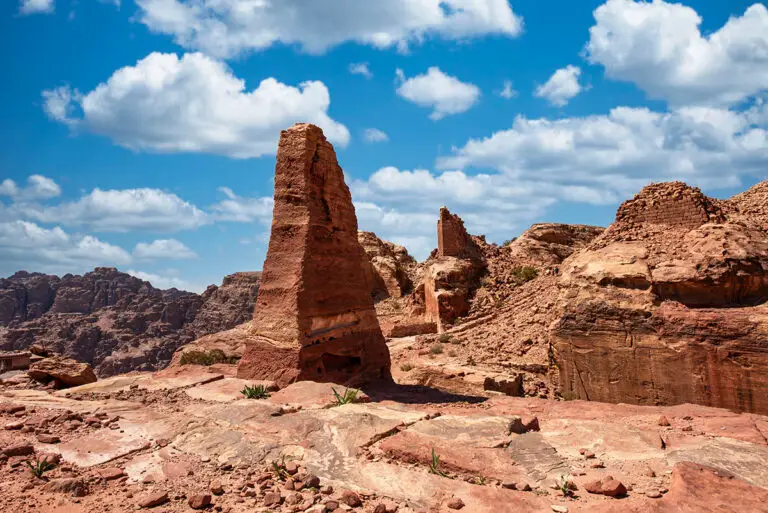
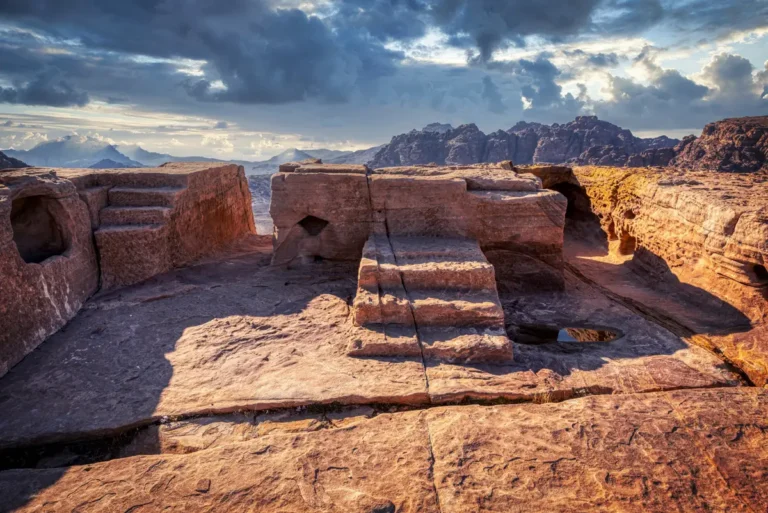
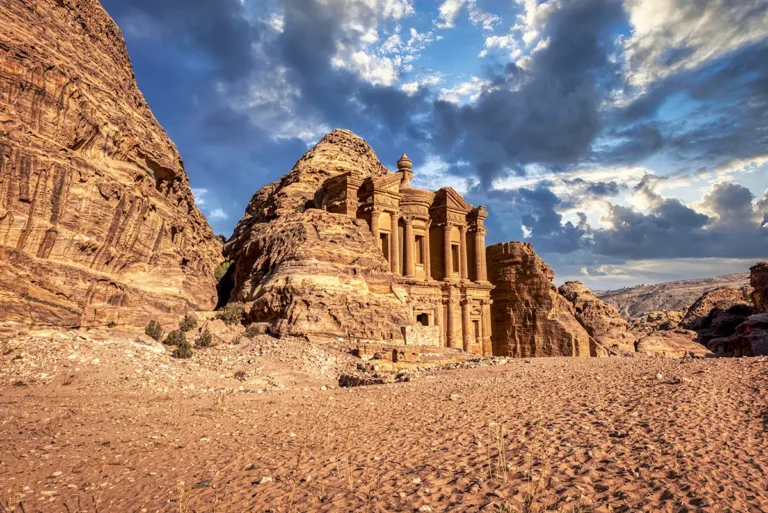
The trail is dotted with fascinating archaeological highlights that many visitors miss. Among them are intricately carved tombs, ancient stairways, and ceremonial spaces that hint at Petra’s spiritual life.
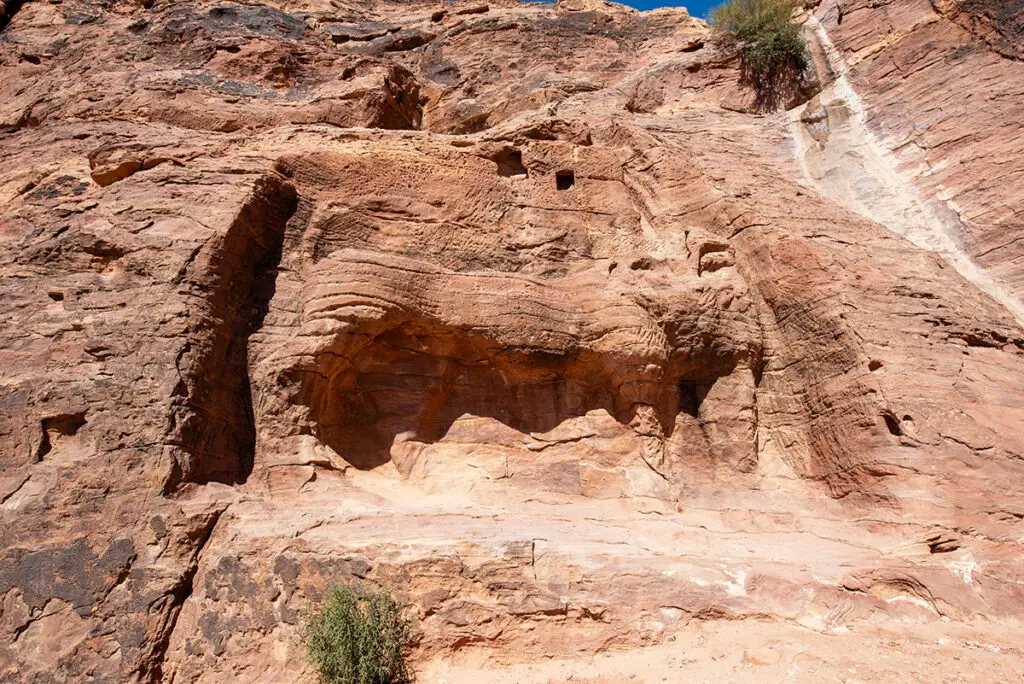
The first highlight that truly caught my attention was the Lion Fountain Petra. At first glance, it’s easy to overlook, partially worn by centuries of wind and water. But as I moved closer, the carved lion’s head began to emerge from the rock—its presence still powerful despite the erosion. I imagined water once flowing from its mouth into a basin below, a reminder of how the Nabataeans mastered water in this harsh desert. Standing there, it felt like I had stumbled upon something quietly important.
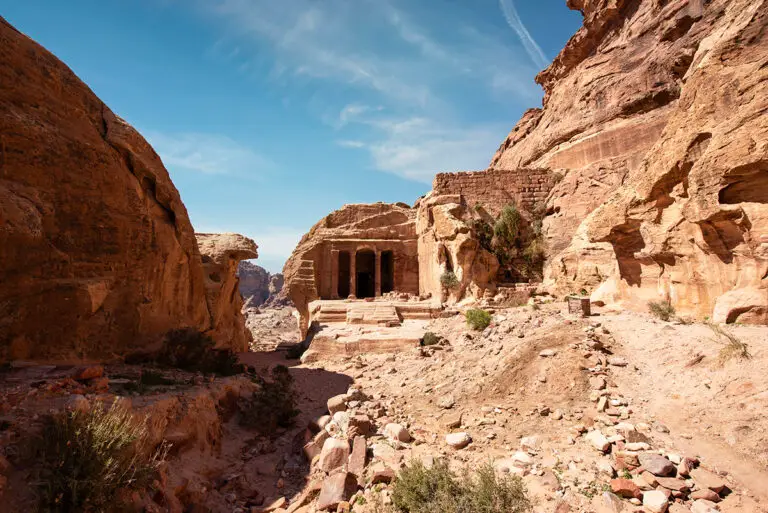
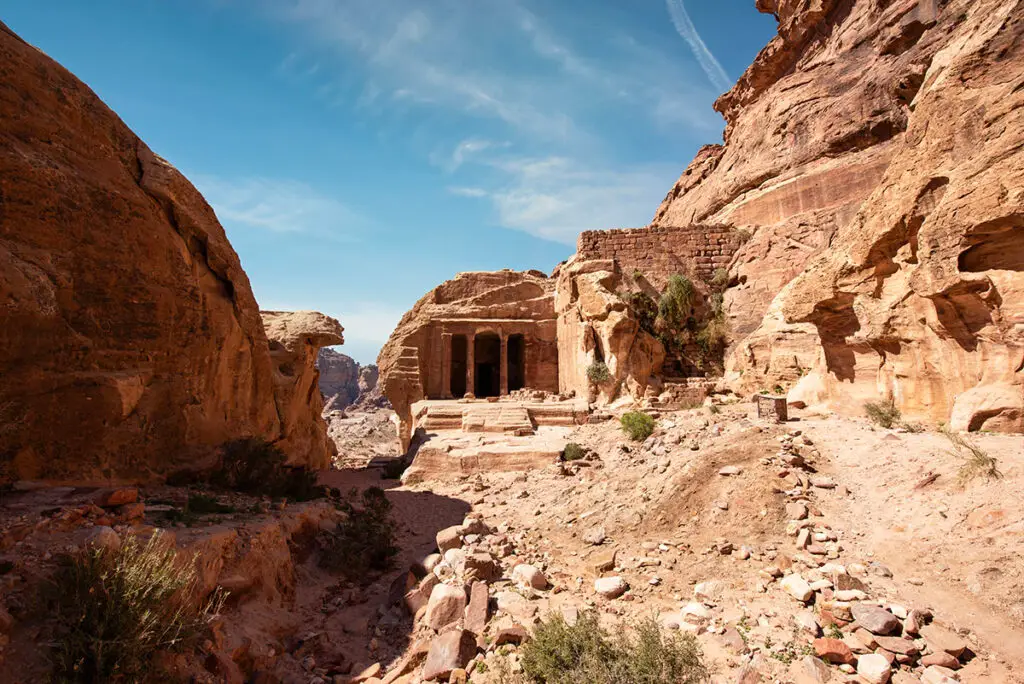
Further along the trail, the landscape softened into what felt like a hidden sanctuary—the Garden Temple Petra. This area has a completely different atmosphere. You can still trace the channels and see where water once moved through the complex, feeding what may have been gardens or ritual spaces. It’s not hard to picture this place alive with greenery, a sharp contrast to the arid surroundings. I lingered here longer than expected; there’s a calmness that invites you to pause.
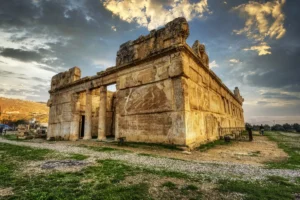
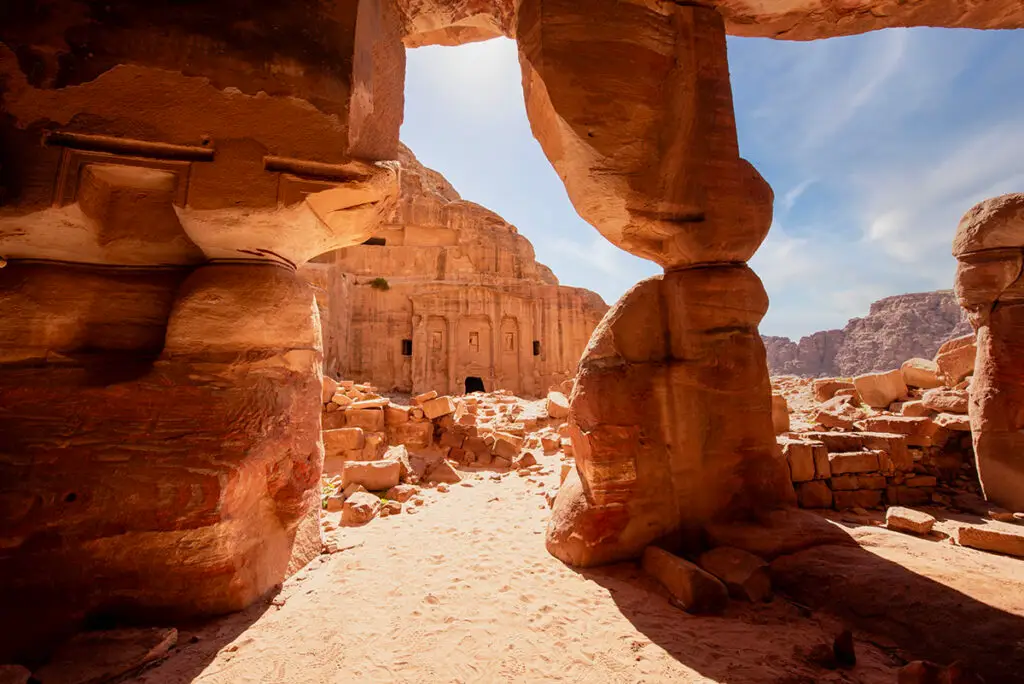
Continuing on, the path leads to one of the most striking facades on the trail—the Tomb of the Roman Soldier. It stands with quiet authority, carved high into the rock, blending Nabataean tradition with Roman influence. The scale is impressive, but what stayed with me was the sense of isolation. There were no crowds, no rush—just the monument, the silence, and the wind moving through the valley.
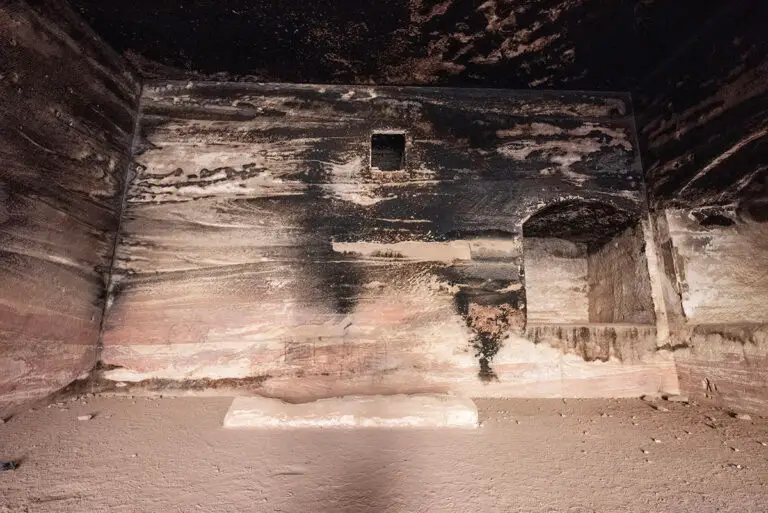
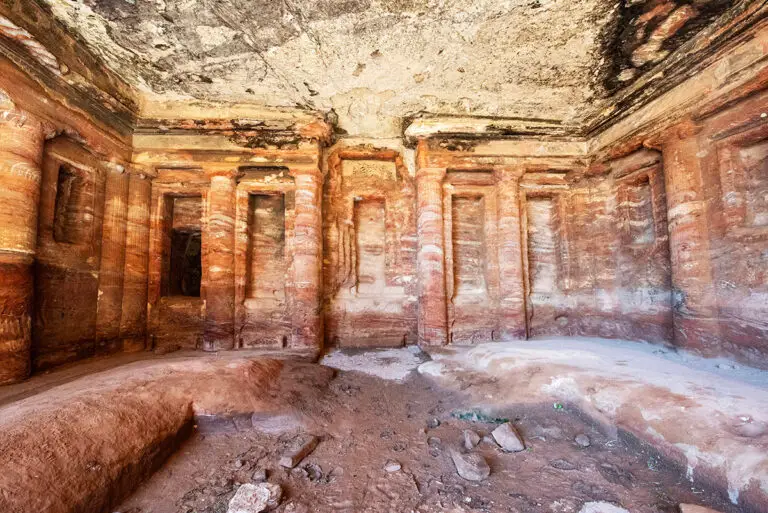
Directly opposite, I stepped into the Coloured Triclinium Petra, and that’s where the trail truly surprised me. Inside, the walls seemed to glow with natural patterns—deep reds, purples, yellows, and whites flowing through the stone like brushstrokes. It didn’t feel like something carved by humans, but rather something revealed. Knowing this space was once used for dining or ceremonies made it even more fascinating—an ancient gathering place surrounded by nature’s own artwork.
Not far beyond, the Renaissance Tomb Petra offers a quieter, more refined stop. Its symmetry and proportions feel almost classical, as if the architects were experimenting with new ideas or influences. It’s less dramatic than other monuments in Petra, but there’s an elegance to it that stands out, especially in such a rugged setting.
By the time I reached the end of the trail, I realised that what makes Wadi al-Farasa special isn’t just the monuments—it’s the feeling of discovery. Unlike Petra’s more famous sites, nothing here feels staged or crowded. You’re not just observing history; you’re walking through it, piece by piece, often alone with your thoughts.
Why This Trail Stands Out
- Less crowded: A peaceful alternative to Petra’s main routes
- Layered history: Nabataean ingenuity with Roman-era influences
- Photographic variety: Sculptures, facades, interiors, and sweeping valley views
- Human scale: Sites are close together, making it easy to explore at your own pace
Practical Tips
- Footwear: Wear sturdy shoes—paths can be rocky and uneven
- Water & sun: Bring water, hat, and sunscreen (limited shade)
- Timing: Early or late visits enhance colours and avoid heat
- Combine routes: Pair with the High Place of Sacrifice or return via the main city for a loop
Final Thought
The Wadi al-Farasa Trail rewards those who slow down. Instead of grand monuments alone, it offers intimate encounters with Petra’s artistry—where water, stone, and colour come together in a quiet corner of an ancient world.