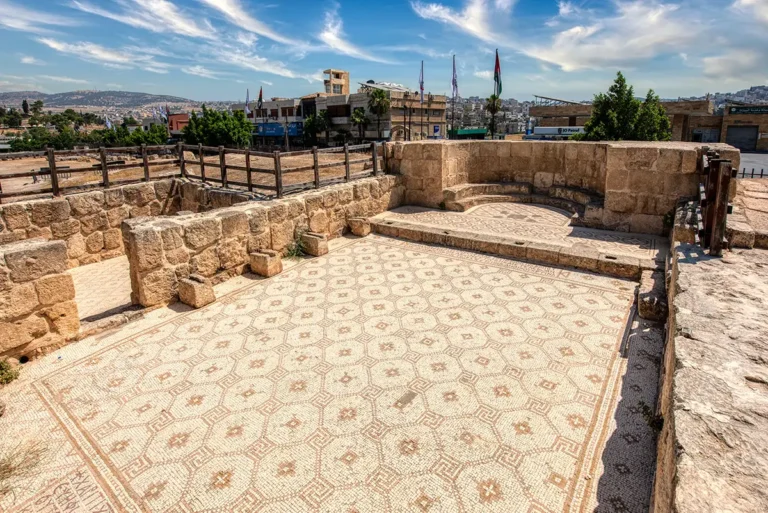
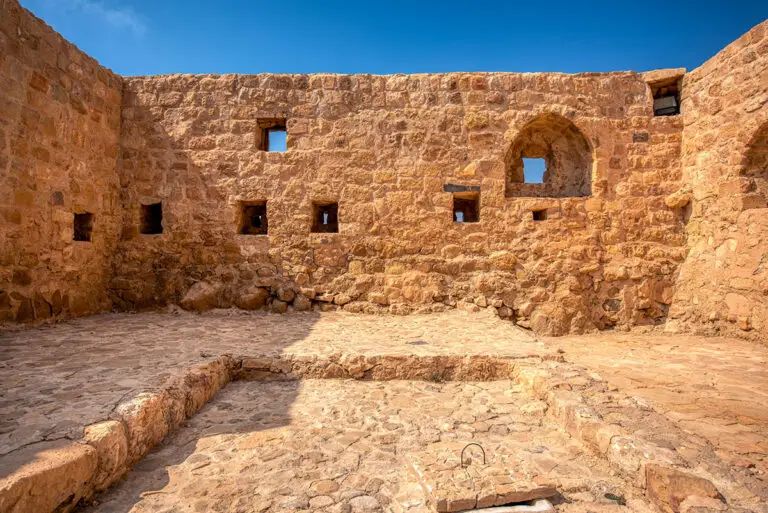
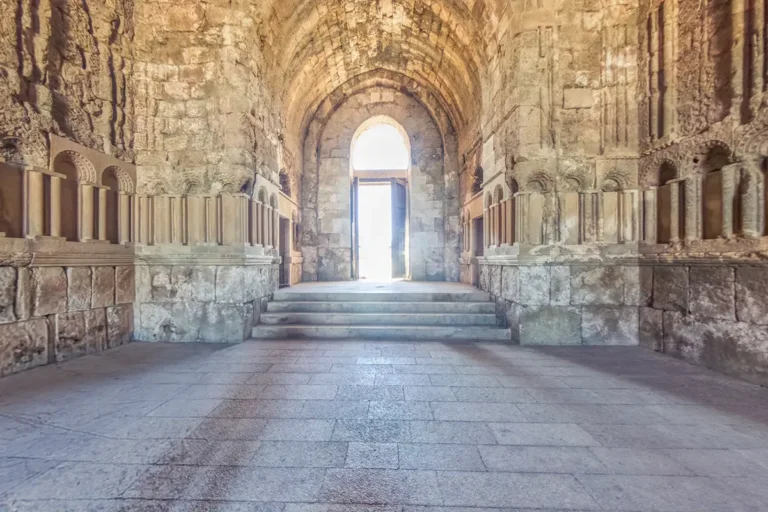
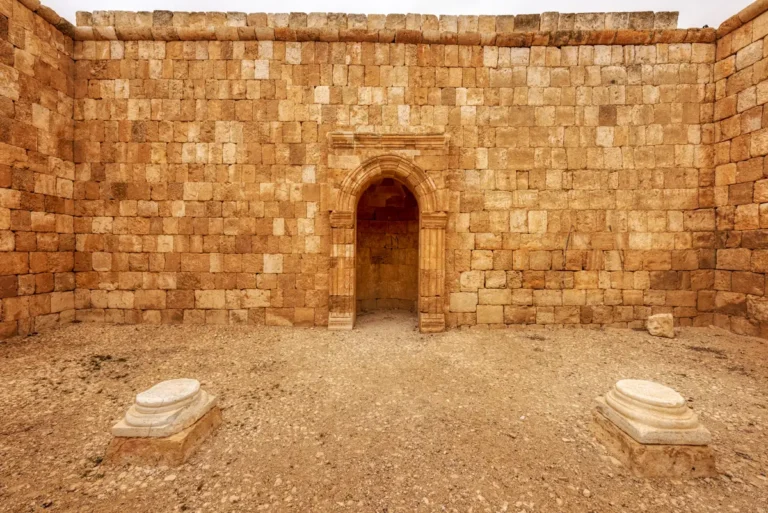
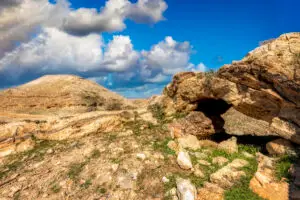
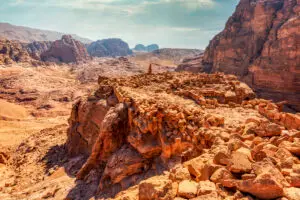
At Machaerus, visitors can explore the dramatic hilltop ruins of Herod the Great’s fortress, perched over 1,000 metres above sea level with sweeping views of the Dead Sea and the surrounding Jordanian landscape. The site includes the remains of fortified walls, towers, and a Roman-style bathhouse. The partially restored palace complex offers glimpses into the luxurious life of Herod’s court, with stone foundations marking rooms that once housed courtiers and guards. The layout reflects typical Herodian architecture—grand, strategic, and heavily influenced by Roman styles.
Beyond the ruins, the natural setting of Machaerus is one of its most striking features. The panoramic vistas from the summit are breathtaking, especially at sunset, and allow visitors to imagine the strategic importance of this fortress in ancient times. Informational signs guide visitors through the site’s history, including its connection to the imprisonment and execution of John the Baptist. For pilgrims and history enthusiasts alike, Machaerus offers a powerful blend of archaeology, religious significance, and natural beauty.
Follow the surviving wall lines across the summit to appreciate how the buildings occupied the available ground. Then turn towards the wider landscape to compare the low ruins with the steep terrain around them. The panorama is especially useful for connecting the palace footprint with the hilltop’s exposed position.