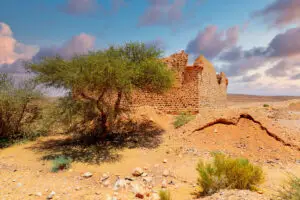
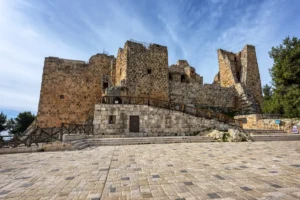
Nature reserveAzraq Wetland ReserveA unique oasis near the town of Azraq and its famous castle, in the heart of Jordan’s arid Eastern Desert — a vital stop for migrating birds.Read the guide →
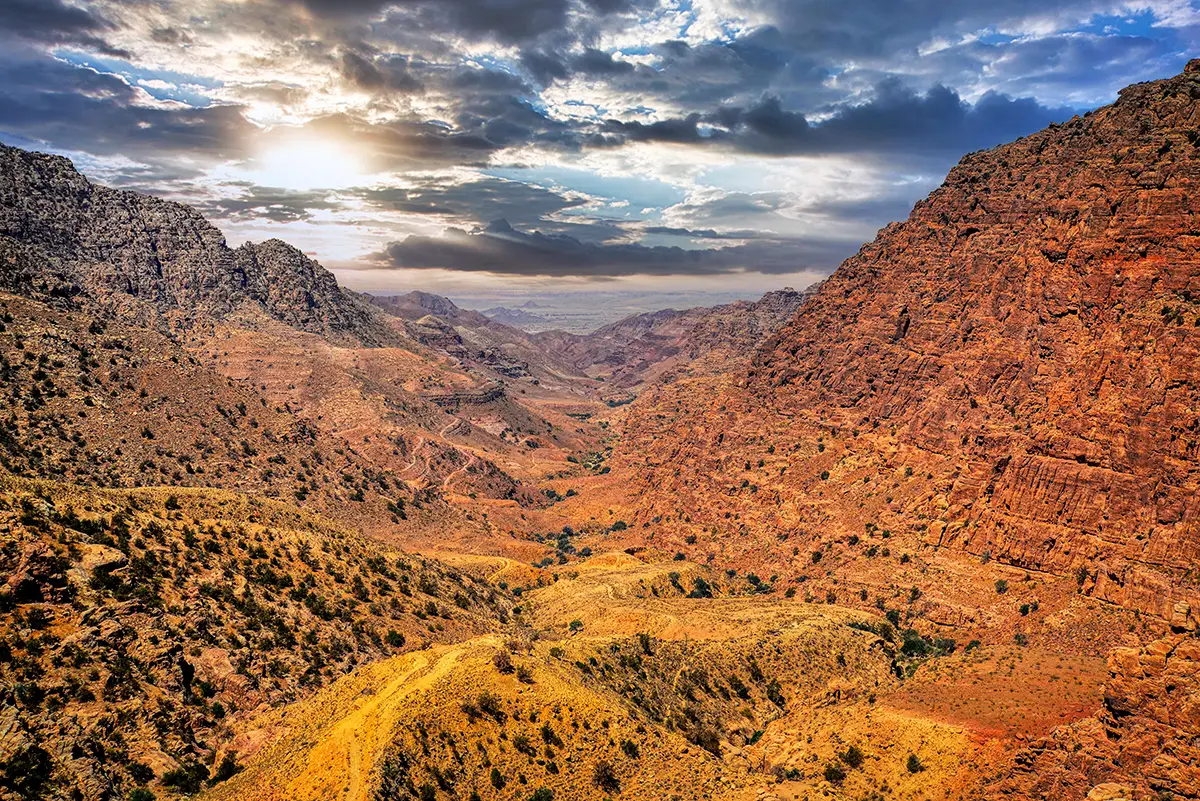
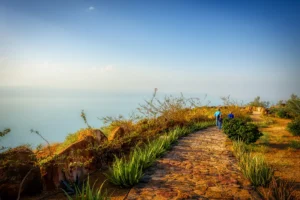
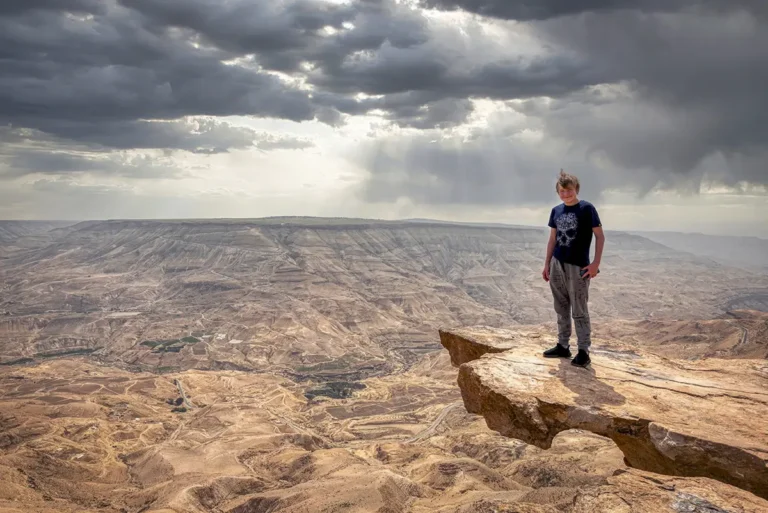
Nature reserveDana Biosphere ReserveJordan’s largest reserve, stretching from mountain ridges down to the desert floor — with hiking trails and ancient sites along the way.Read the guide →
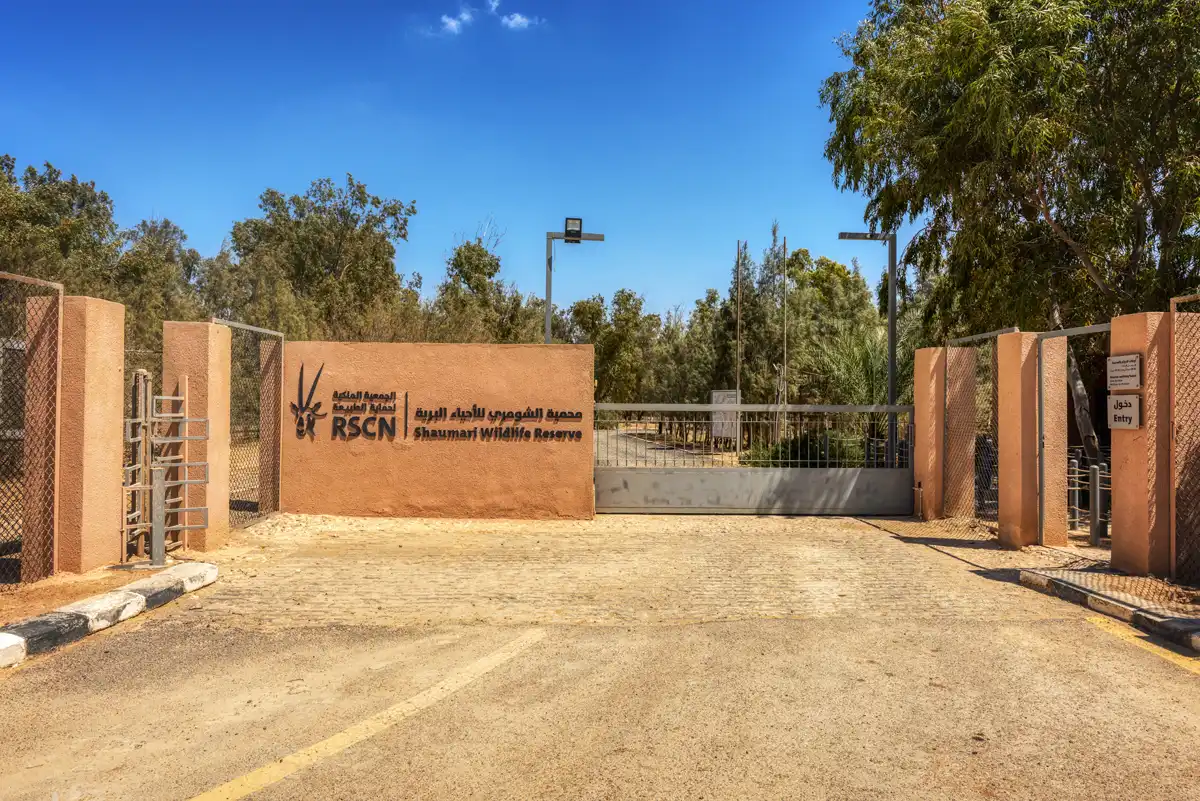
Nature reserveShaumari Wildlife ReserveSee the Arabian oryx brought back from the brink, take a jeep safari and support one of Jordan’s oldest conservation projects.Read the guide →
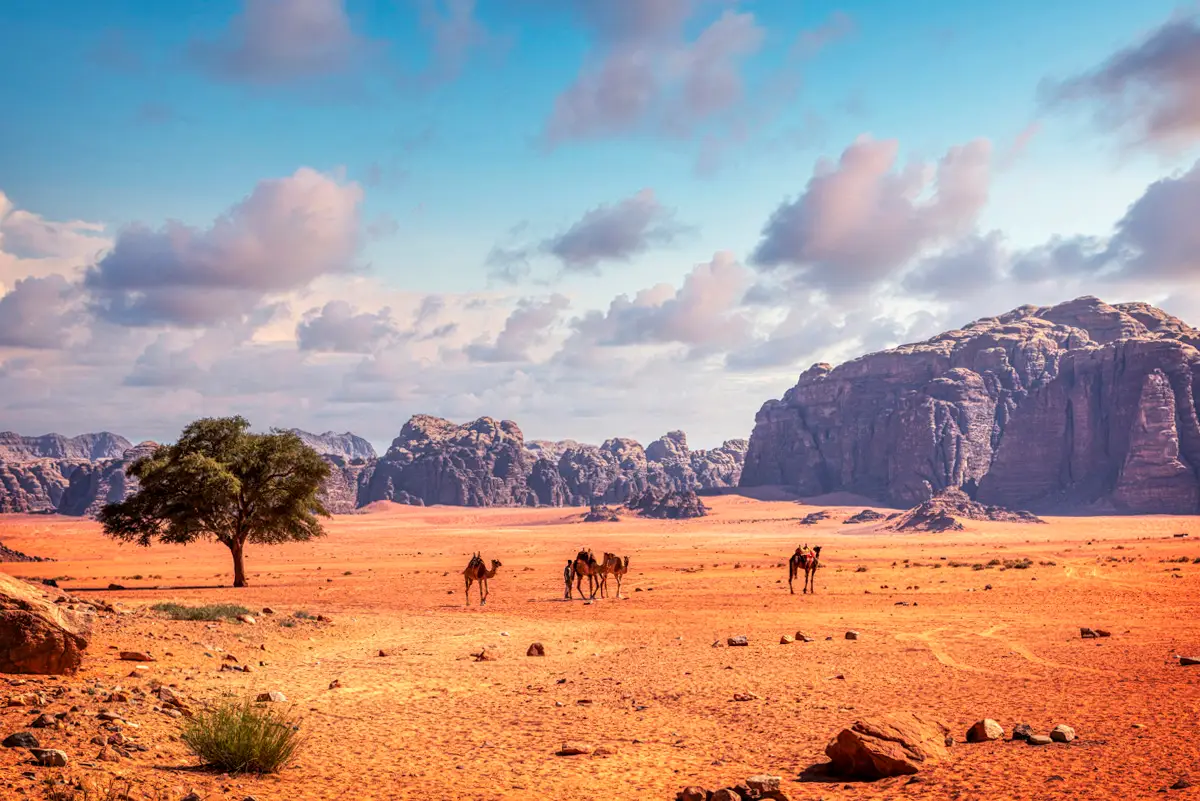
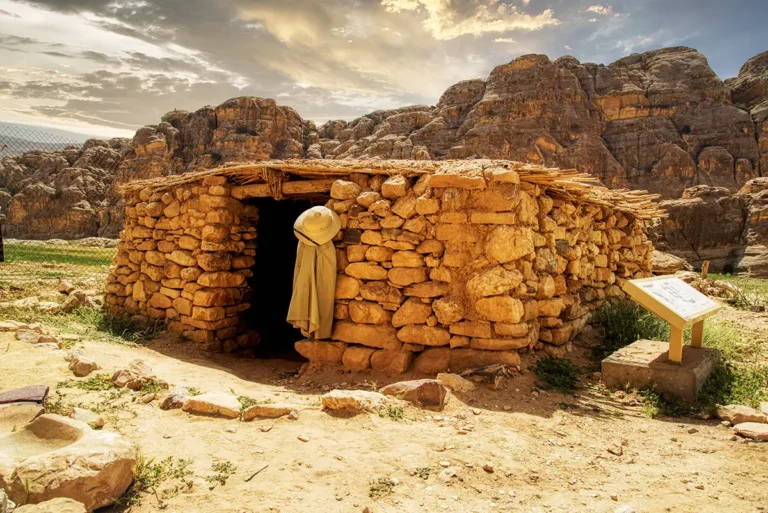
Nature reserveWadi Rum Protected AreaA World Heritage Site of sandstone mountains and red dunes — jeep tours, camel treks and stargazing under crystal-clear skies.Read the guide →
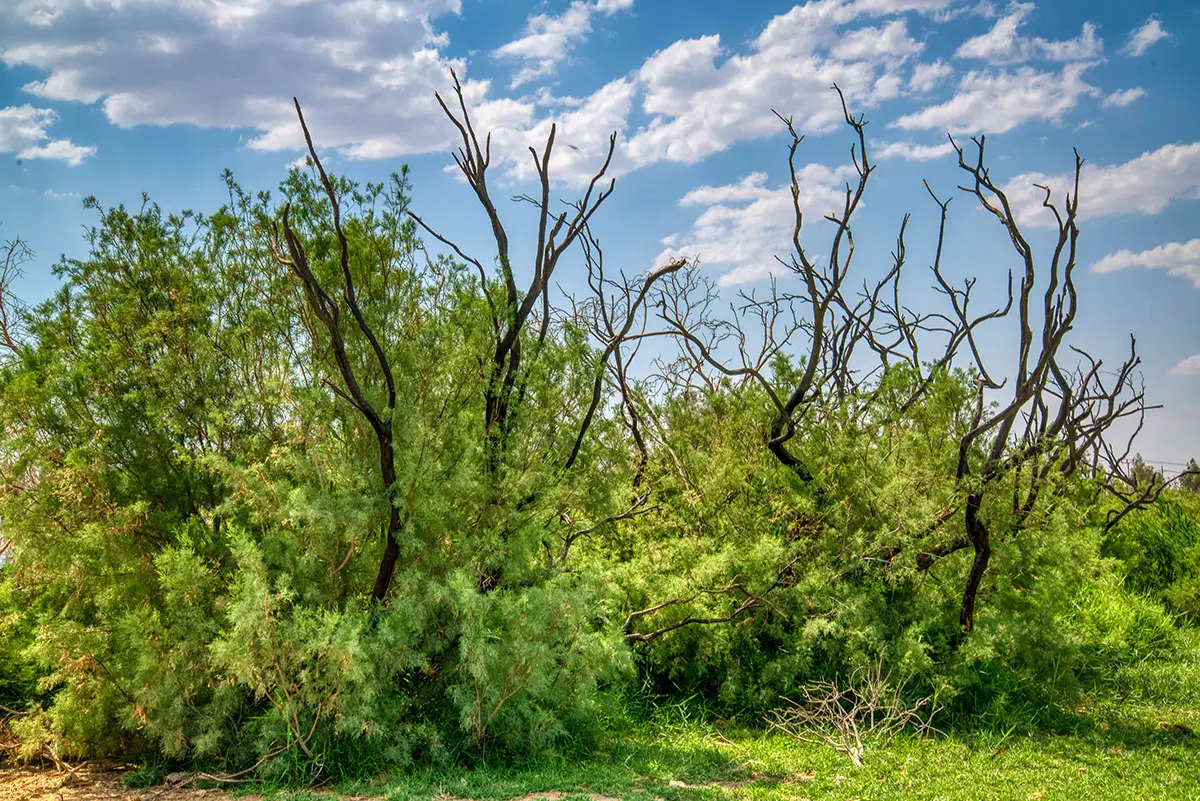
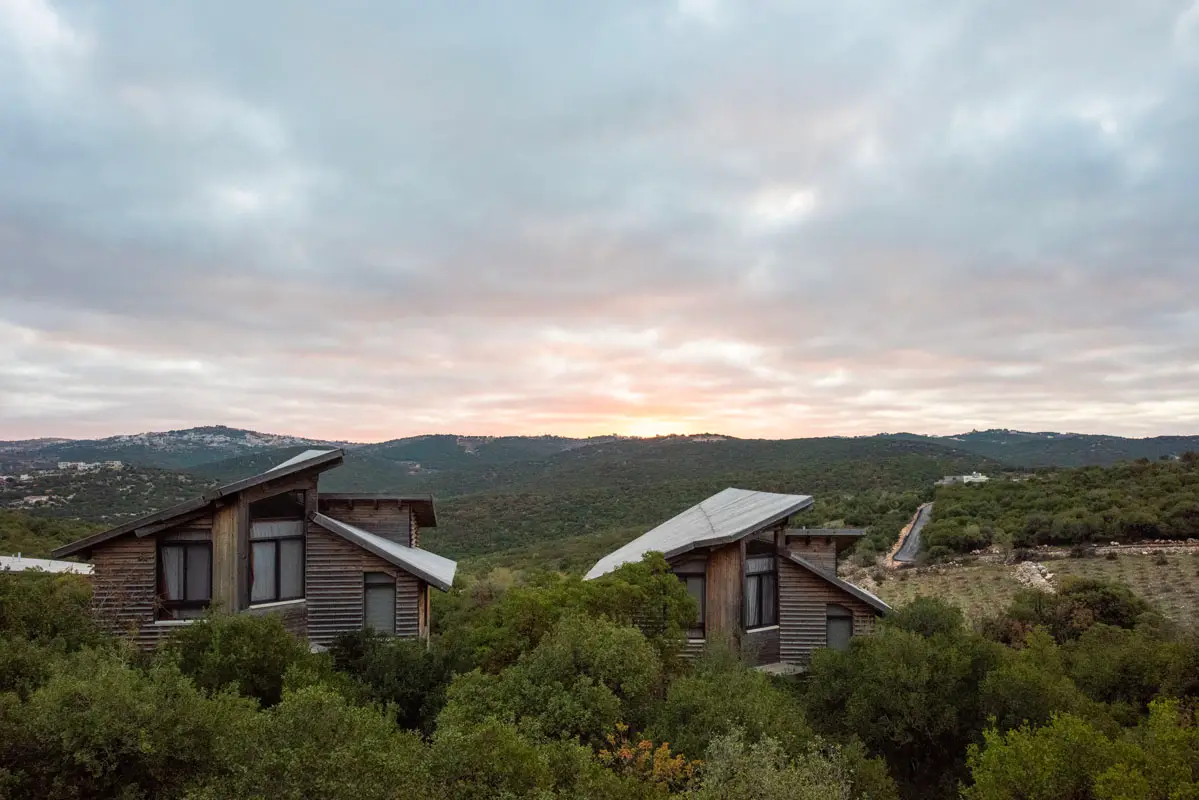
Nature reserveAjloun Forest Biosphere ReserveA leading eco-tourism destination in northern Jordan, protecting rare oak and pistachio forests and the wildlife that lives in them.Read the guide →
Nature reserveAzraq Wetland ReserveA unique oasis near the town of Azraq and its famous castle, in the heart of Jordan’s arid Eastern Desert — a vital stop for migrating birds.Read the guide →
Nature reserveDana Biosphere ReserveJordan’s largest reserve, stretching from mountain ridges down to the desert floor — with hiking trails and ancient sites along the way.Read the guide →
Nature reserveShaumari Wildlife ReserveSee the Arabian oryx brought back from the brink, take a jeep safari and support one of Jordan’s oldest conservation projects.Read the guide →
Nature reserveWadi Rum Protected AreaA World Heritage Site of sandstone mountains and red dunes — jeep tours, camel treks and stargazing under crystal-clear skies.Read the guide →
Nature reserveAjloun Forest Biosphere ReserveA leading eco-tourism destination in northern Jordan, protecting rare oak and pistachio forests and the wildlife that lives in them.Read the guide →360° Interactive panorama — use full screen for the best view
© Ancient Jordan · Google Street View
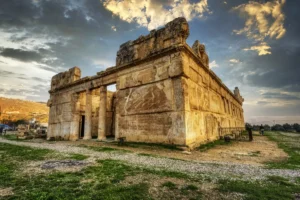
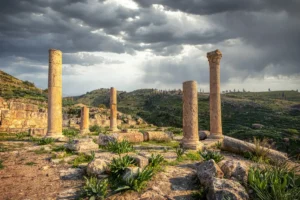
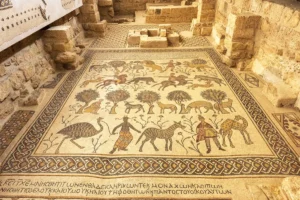
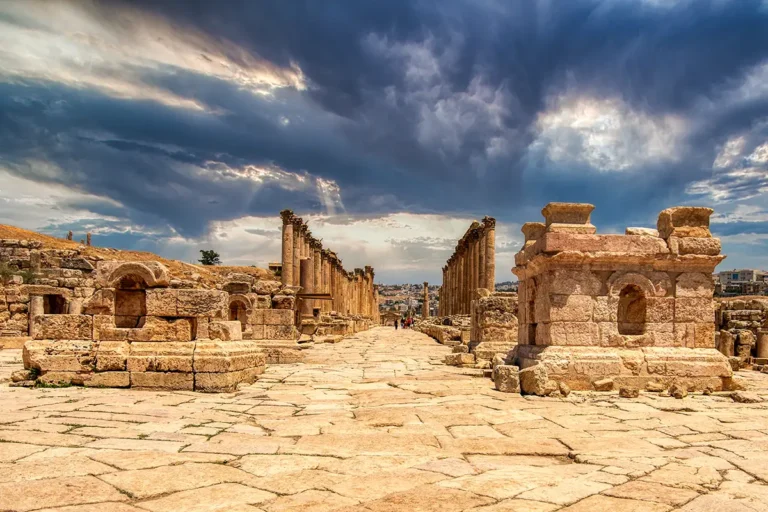
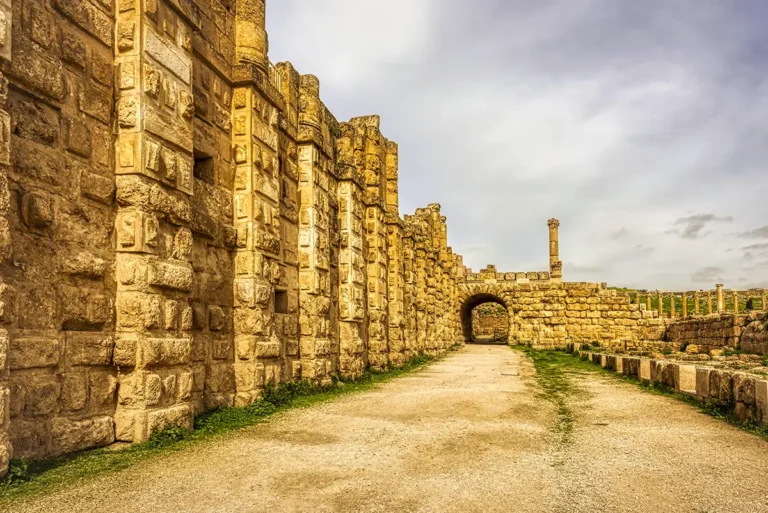
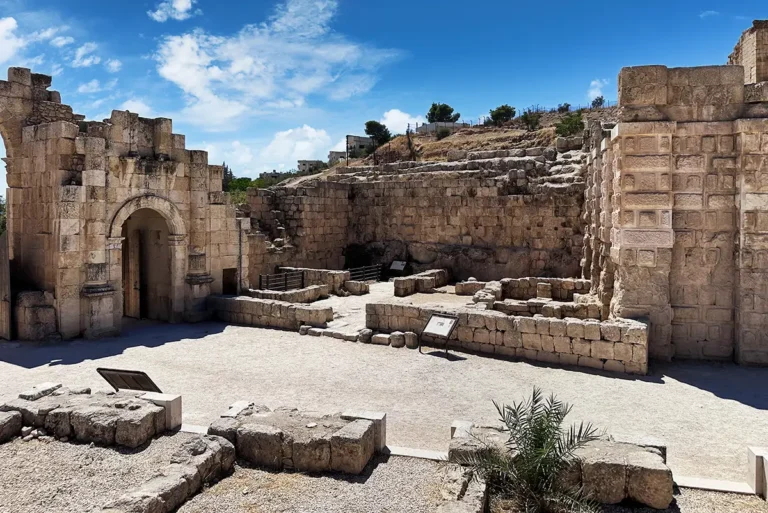
Umm ar-Rasas is an important archaeological site located in central Jordan, about 30 kilometres southeast of Madaba. Originally a Roman military camp known as Kastron Mefa’a, the site developed into a thriving Byzantine and early Islamic settlement. Its ruins include well-preserved Roman military structures, Byzantine churches, residential buildings, and water systems. The standout feature is the Church of Saint Stephen, which houses one of the largest and most intricate mosaic floors in the region, dating to 785 CE. This mosaic vividly depicts various cities of the Holy Land and the Nile Delta, offering valuable insight into the geography and urban landscape of the time.
Now a UNESCO World Heritage Site, Umm ar-Rasas is notable for its blend of Roman, Byzantine, and early Islamic influences, reflecting centuries of cultural and religious transformation. The site also features a striking, freestanding stone tower believed to have been used by Christian stylite monks for solitary prayer. Although much of the site remains only partially excavated, it continues to attract archaeologists and visitors alike for its historical depth, artistic heritage, and serene desert setting. Its relatively remote location contributes to its peaceful atmosphere, offering a reflective experience far from the crowds.

Umm ar-Rasas
31.5006° N, 35.9191° E
Tours, travel articles, walk-throughs and videos about this site and its surroundings.
Step inside another site from Jordan’s past.