Nature reserveAzraq Wetland ReserveA unique oasis near the town of Azraq and its famous castle, in the heart of Jordan’s arid Eastern Desert — a vital stop for migrating birds.Read the guide →
Nature reserveDana Biosphere ReserveJordan’s largest reserve, stretching from mountain ridges down to the desert floor — with hiking trails and ancient sites along the way.Read the guide →
Nature reserveShaumari Wildlife ReserveSee the Arabian oryx brought back from the brink, take a jeep safari and support one of Jordan’s oldest conservation projects.Read the guide →
Nature reserveWadi Rum Protected AreaA World Heritage Site of sandstone mountains and red dunes — jeep tours, camel treks and stargazing under crystal-clear skies.Read the guide →
Nature reserveAjloun Forest Biosphere ReserveA leading eco-tourism destination in northern Jordan, protecting rare oak and pistachio forests and the wildlife that lives in them.Read the guide →
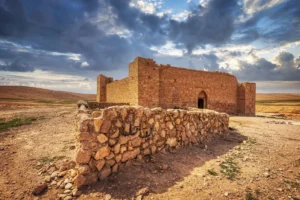
Nature reserveAzraq Wetland ReserveA unique oasis near the town of Azraq and its famous castle, in the heart of Jordan’s arid Eastern Desert — a vital stop for migrating birds.Read the guide →
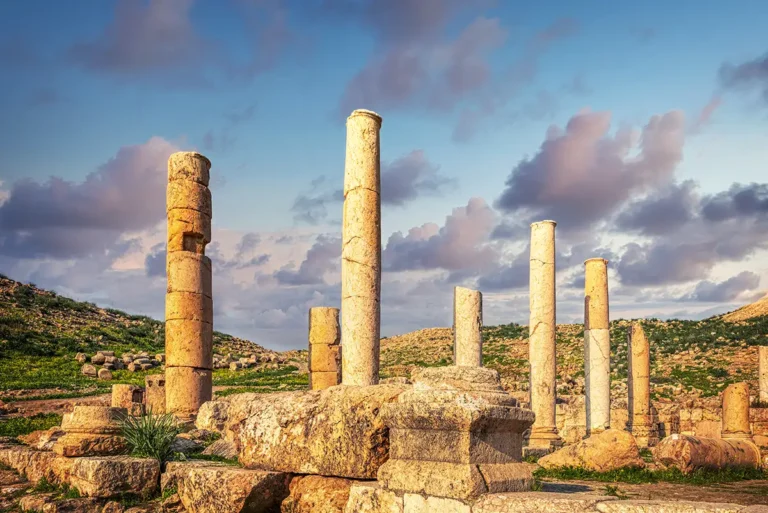
Nature reserveDana Biosphere ReserveJordan’s largest reserve, stretching from mountain ridges down to the desert floor — with hiking trails and ancient sites along the way.Read the guide →
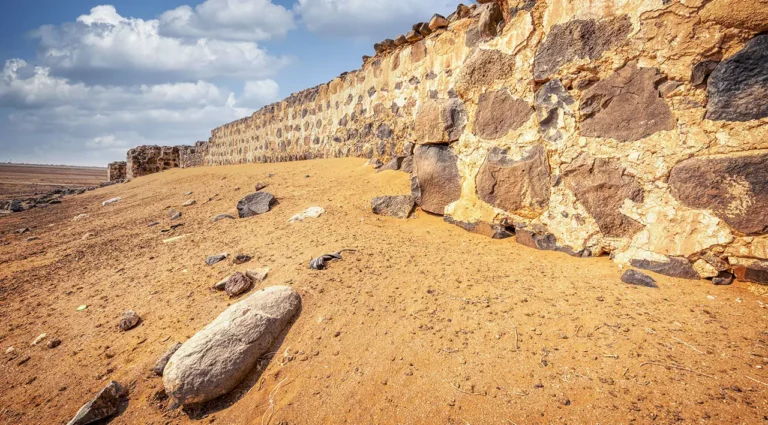
Nature reserveShaumari Wildlife ReserveSee the Arabian oryx brought back from the brink, take a jeep safari and support one of Jordan’s oldest conservation projects.Read the guide →
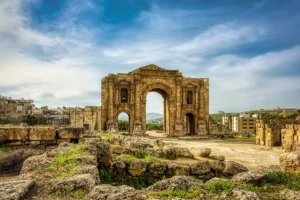
Nature reserveWadi Rum Protected AreaA World Heritage Site of sandstone mountains and red dunes — jeep tours, camel treks and stargazing under crystal-clear skies.Read the guide →
Nature reserveAjloun Forest Biosphere ReserveA leading eco-tourism destination in northern Jordan, protecting rare oak and pistachio forests and the wildlife that lives in them.Read the guide →360° Interactive panorama — use full screen for the best view
© Ancient Jordan · Google Street View
Inside Qal’at Dab’a, visitors can explore the remnants of a well-preserved Ottoman Hajj fort that once served as a vital rest stop along the historic pilgrimage route from Damascus to Mecca. The fort’s layout includes thick defensive walls, corner watchtowers, and internal courtyards designed to offer protection and respite to pilgrims and caravans crossing the arid desert. The central courtyard, once bustling with travellers and guards, still reveals traces of rooms that likely served as barracks, storage areas, and animal stables, reflecting the fort’s logistical role.
One of the key features visible today is the water cistern, an essential element for survival in the desert environment, along with arched corridors and stone-built chambers that give insight into Ottoman military architecture. Though time has weathered many of the finer details, the site maintains an atmosphere of quiet endurance, allowing visitors to imagine the flow of people, camels, and goods that once filled this desert outpost. Interpretive signage is minimal, so much of the experience is self-guided, offering a sense of discovery within the ruins.

Qal’at Dab’a
31.5962° N, 36.0507° E
Tours, travel articles, walk-throughs and videos about this site and its surroundings.
Step inside another site from Jordan’s past.