Qasr Shebib
A medieval tower-fort on a spur in the centre of Zarqa, a Hajj halt that became the seed of the city
PeriodMamluk · Ottoman
SizeAbout 14 m square
LocationCentral Zarqa
AccessFree · in the city
Introduction
Around it the first settlers of modern Zarqa built their homes in 1903.
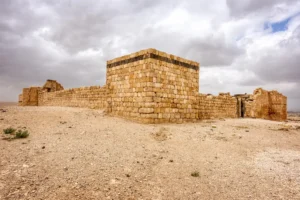
In the middle of busy Zarqa, about 20–25 km north-east of Amman, a square stone tower stands on a spur above the wadi. Qasr Shebib was a fort on the Hajj road for centuries; the present building is medieval, probably built by the Mamluks in the 14th century, reusing stone from an earlier Roman fort.
The Ottomans restored it in 1899, and in 1903 Chechen families settled around it, founding the modern town. The fort stands next to Zarqa First Secondary School and is open to visitors, with the entrance on the east side. Step into the tall vaulted hall and climb to the ruined upper floor.
Best timeAll year
Time needed15 min
TicketFree
From Amman25 km30–45 min
Combine withQasr Al-Hallabat · 30 min
Google rating3.9 · Reviews
Highlights · A tower-fort
A tower, a vaulted hall and Roman stones
Four things to look for at Qasr Shebib
Qasr Shebib is small and quick to see. These are the details that make the visit.
 01 / 04
01 · Defence
The tower
The tower
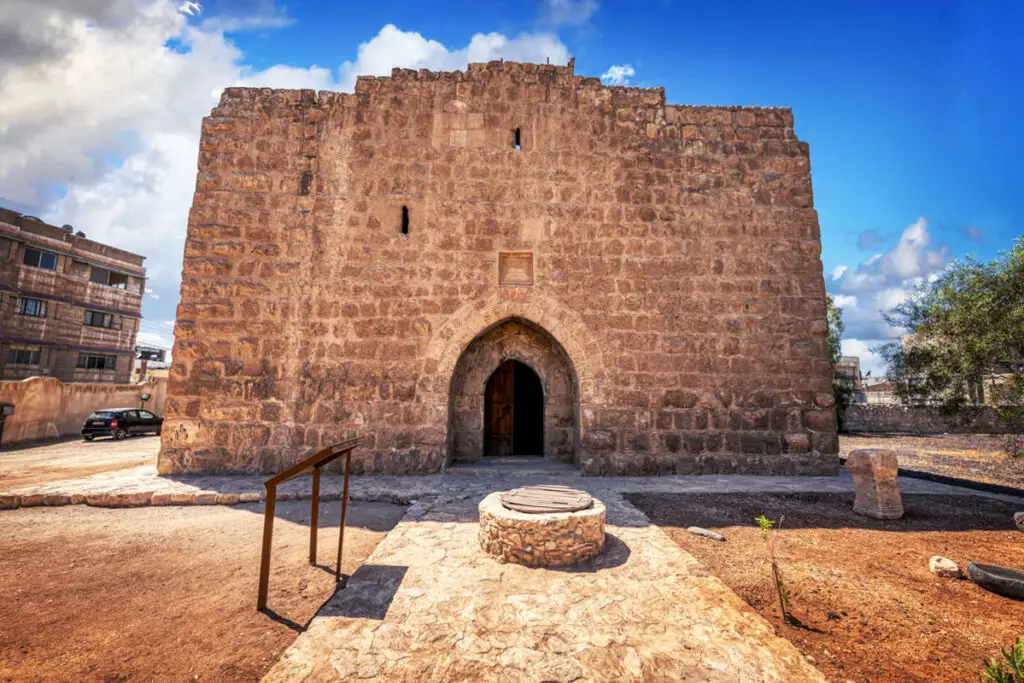
A compact tower about 14 m square and 8 m high, with walls about 3 m thick.
Look closely
The rusticated faces of the blocks.
1 of 4
Part by part
What to see
Three parts of a short visit: the tower, the vaulted hall and the upper floor. Pick one to see what to look for.
1 / 501 · Above Wadi Zarqa
Look at the tower
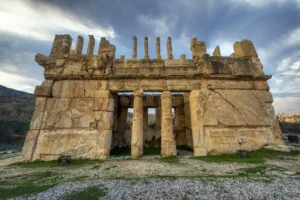
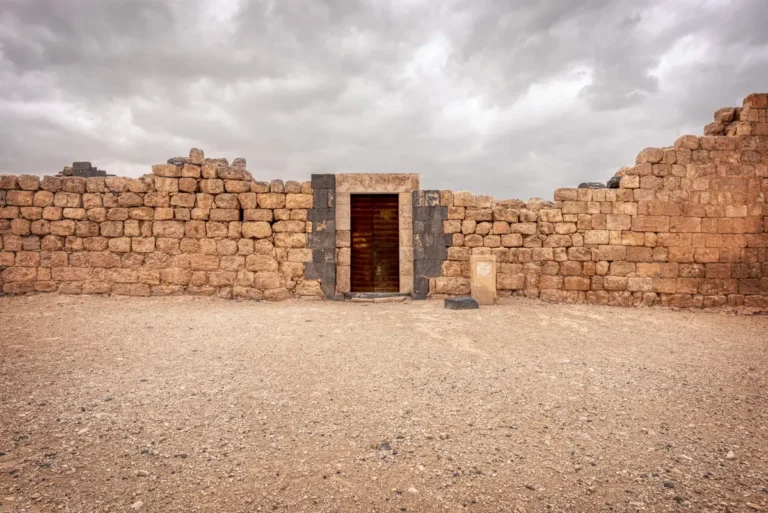
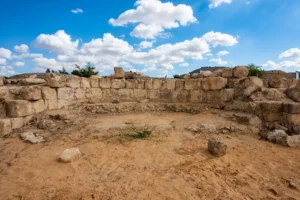
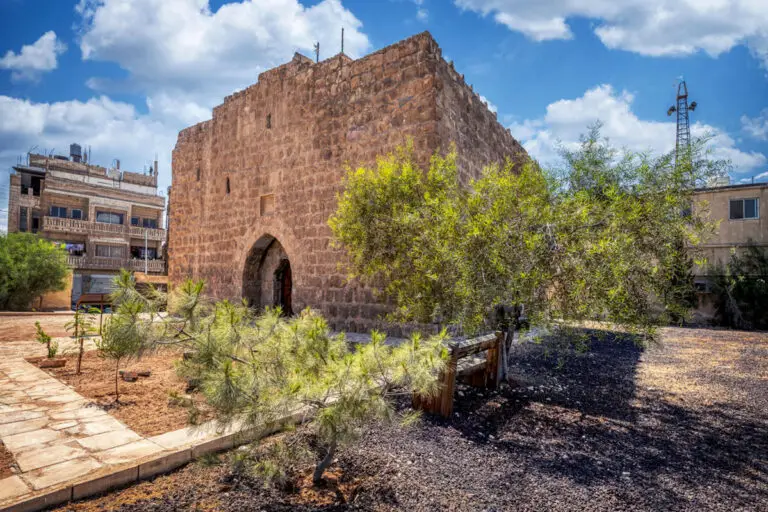
Qasr Shebib is a compact tower about 14 m square and 8 m high, built of large limestone blocks with rusticated faces, many reused from a Roman building. The entrance is on the east side.
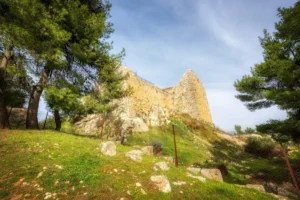
The fort stands on a spur between Wadi Zarqa and Wadi Huweijir, within the grounds of Zarqa First Secondary School.
14 m square8 m highReused Roman stone
Look for
- The rusticated blocks
- The entrance on the east side
- Triangular merlons on the walls
Dig deeperA Roman fort first
A Latin inscription of AD 253–259 built into the walls suggests a Roman fort stood here first. The present building is medieval; it was first called “Qasr Shebib” in the Hajj itinerary of 1563, and local tradition links the name to Shabib, a legendary ruler.
 1 / 6
02 · The ground floor
Step inside
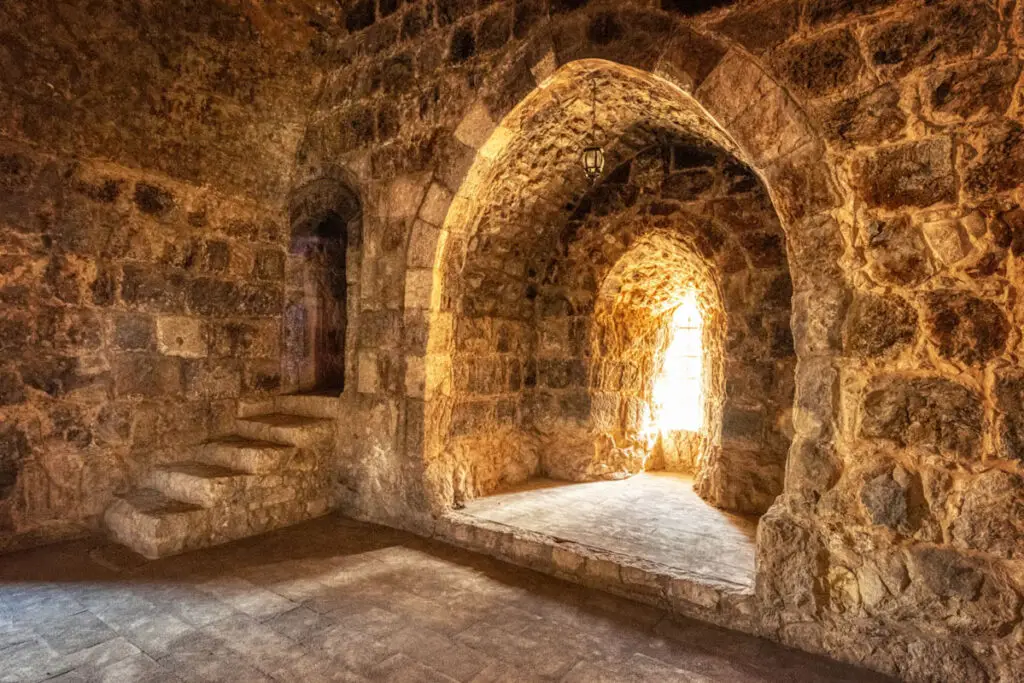
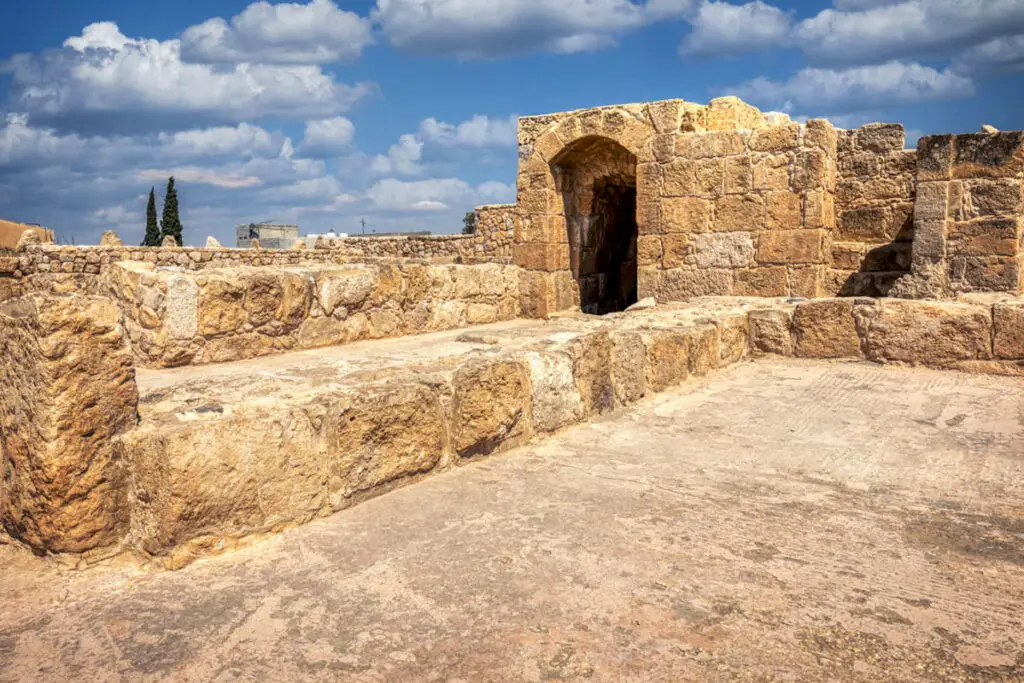
The ground floor is a single tall hall under a pointed barrel vault, about 6 m high, with deep recesses for arrow slits.
The Ottomans used the fort as a base against the Bani Sakhr in 1812 and restored it in 1899.
6 m vaultArrow slitsRestored 1899
Look for
- The pointed barrel vault
- The deep arrow-slit recesses
- The stair in the thickness of the wall
 1 / 4
03 · On top of the tower
Climb to the top
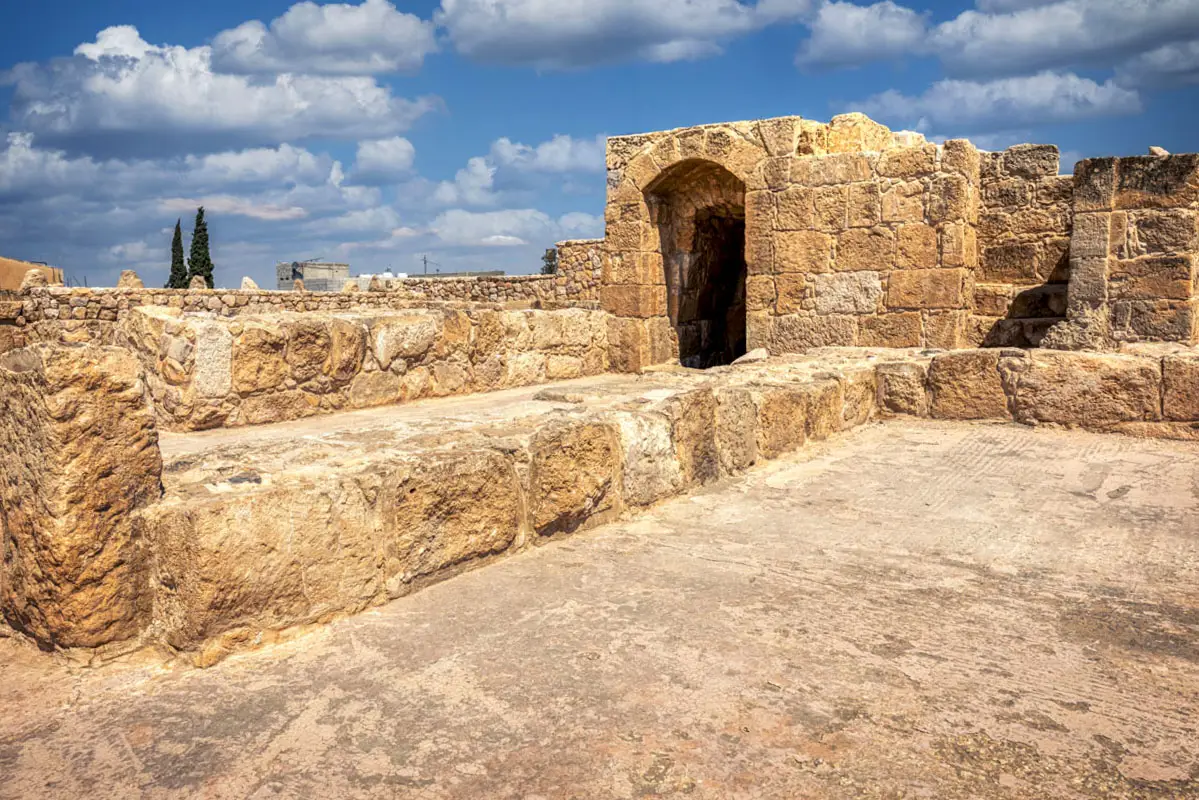
A stair in the thickness of the wall leads up to a ruined upper floor, and triangular merlons crown three sides.
Kennedy and Petersen called Qasr Shebib the first surviving fort on the pilgrim road south of Damascus. At least three cisterns outside the walls stored water for travellers.
Ruined upper floorMerlonsCisterns outside
Look for
- The low walls of the upper floor
- Stone basins and mortars
- The city around the fort
History & significance
The fort that founded a city
Qasr Shebib was a fort on the Hajj road from the Middle Ages. Restored by the Ottomans in 1899, it became the centre of the new town of Zarqa in 1903.
- AD 253–259A Latin inscription, later built into the walls
- 14th c. ADThe present fort, probably Mamluk
- AD 1563First called “Qasr Shebib” in a Hajj itinerary
- AD 1812An Ottoman base against the Bani Sakhr
- AD 1899The Ottomans restore the fort
- AD 1903Chechen families settle around it
 ProfileQasr Shebib: the full storyThe history, the Roman stones and the founding of Zarqa.Read the profile →
Plan your visit
Everything you need to know before you go
The fort stands in the centre of Zarqa, about 20–25 km north-east of Amman, on a spur above Wadi Zarqa next to Zarqa First Secondary School. Access is through a separate gate; the fort’s own entrance is on the east side.
Good to know: the fort is open to visitors and free. The stair to the upper floor is narrow, and the upper floor is ruined.
Opening hoursOpen to visitorsAccess through a separate gate
Entry ticketFreeNo ticket office
Time to visit15 minAbout 15 minutes
From Amman25 kmAbout 30–45 minutes, depending on traffic
LocationZarqa32.0634° N, 36.0824° EGet directions
Opening hours and prices checked October 2026. Spotted a change? Let us know
Facilities by location
Near the entrance
No designated parking
Access: No 4x4 needed.
When to go
Good all year; the vaulted hall stays cool in summer.
J
F
M
A
M
J
J
A
S
O
N
D
BestGood, cooler or warmVery hot
Tip: combine Qasr Shebib with the desert castles east of Zarqa.
Before you go
Shops and cafés are all around in Zarqa.
- Comfortable shoesA narrow stair to the upper floor
- The map pinThe fort is in the school grounds
Common questions
Quick answers before you set off.
Is there an entrance fee?
No. The fort is open to visitors and free.
Where is the entrance?
Access is through a separate gate next to Zarqa First Secondary School. The fort’s own entrance is on the east side.
How long do I need?
About 15 minutes for the tower, the vaulted hall and the upper floor.
Is Qasr Shebib Ottoman?
The present building is medieval, probably Mamluk of the 14th century. The Ottomans used it and restored it in 1899.
Combine with
Zarqa is the gateway to the desert castles. Drive times are from Qasr Shebib.
Explore this site
More from Qasr Shebib
Panoramas, walk-throughs, photos and stories about this site.
ProfileQasr Shebib: history & architecture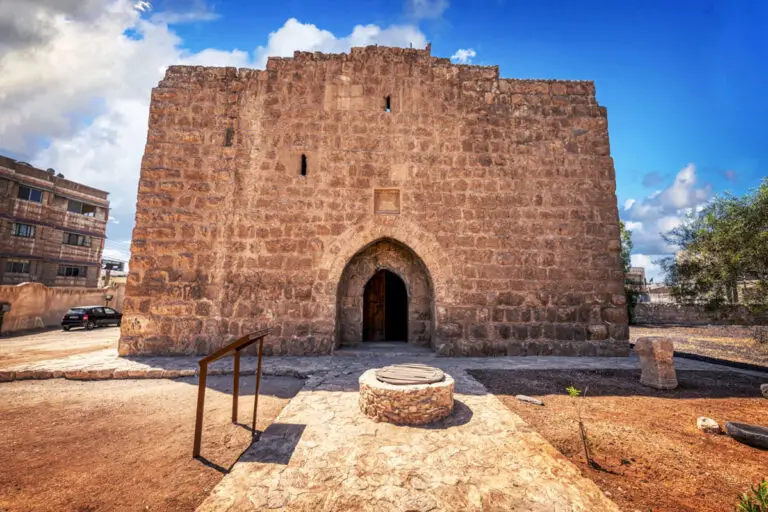 Photo albumQasr Shebib: A Tower-Fort in Zarqa in Photos
 360°360° panoramaOttoman Qasr Shebib in Zarqa: 360° Panorama
Nearby
Also around Zarqa
From guide to visit
Explore the Hajj forts with a private guide
Tell us when you’d like to go, and we’ll plan a private day that includes Qasr Shebib, with door-to-door transport from Amman.