
What does a day really feel like when there is no rush, no traffic, no constant noise in the background? The desert answers slowly. Not all at once.
You arrive, and at first it feels empty. Too quiet. Too wide. But then, something shifts. The silence is not empty at all; it’s full. Full of wind, footsteps in sand, distant voices, the crackle of fire.
Spending a day with a Bedouin family is not just visiting a place. It’s stepping into a rhythm that has been repeating for generations. Not perfect. Not easy. But real.
And somewhere between the sunrise and the stars, you begin to understand it. Maybe not fully. But enough to feel it stay with you.
The Setting: Life Between Sandstone and Sky
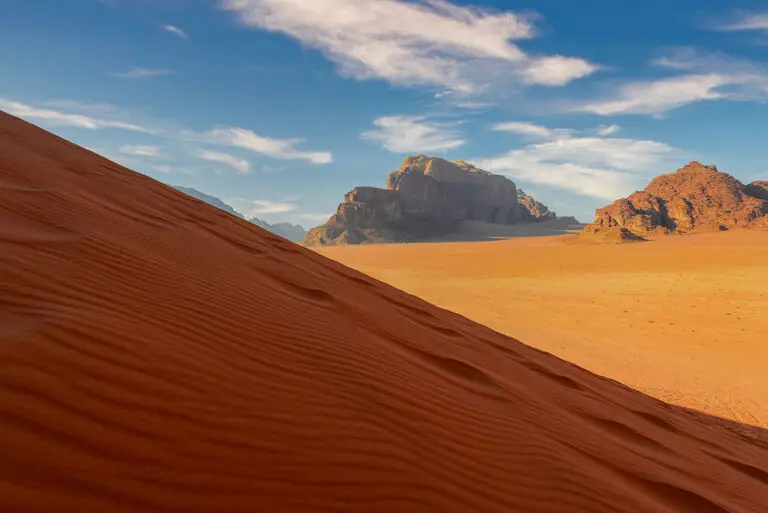
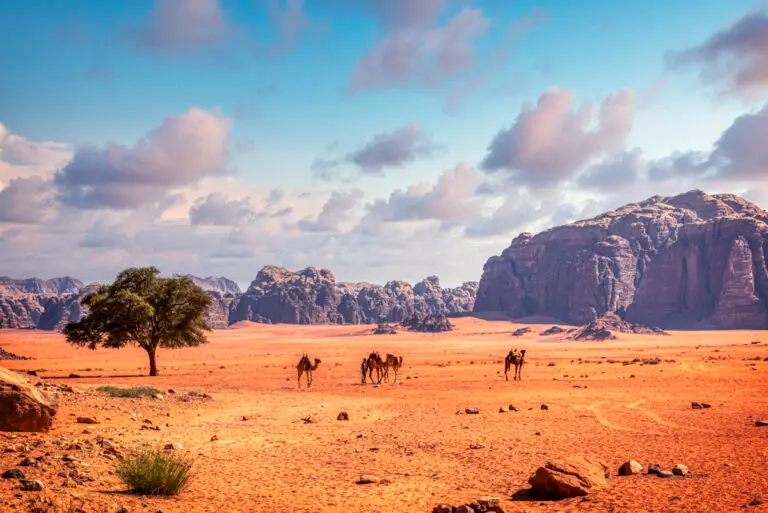
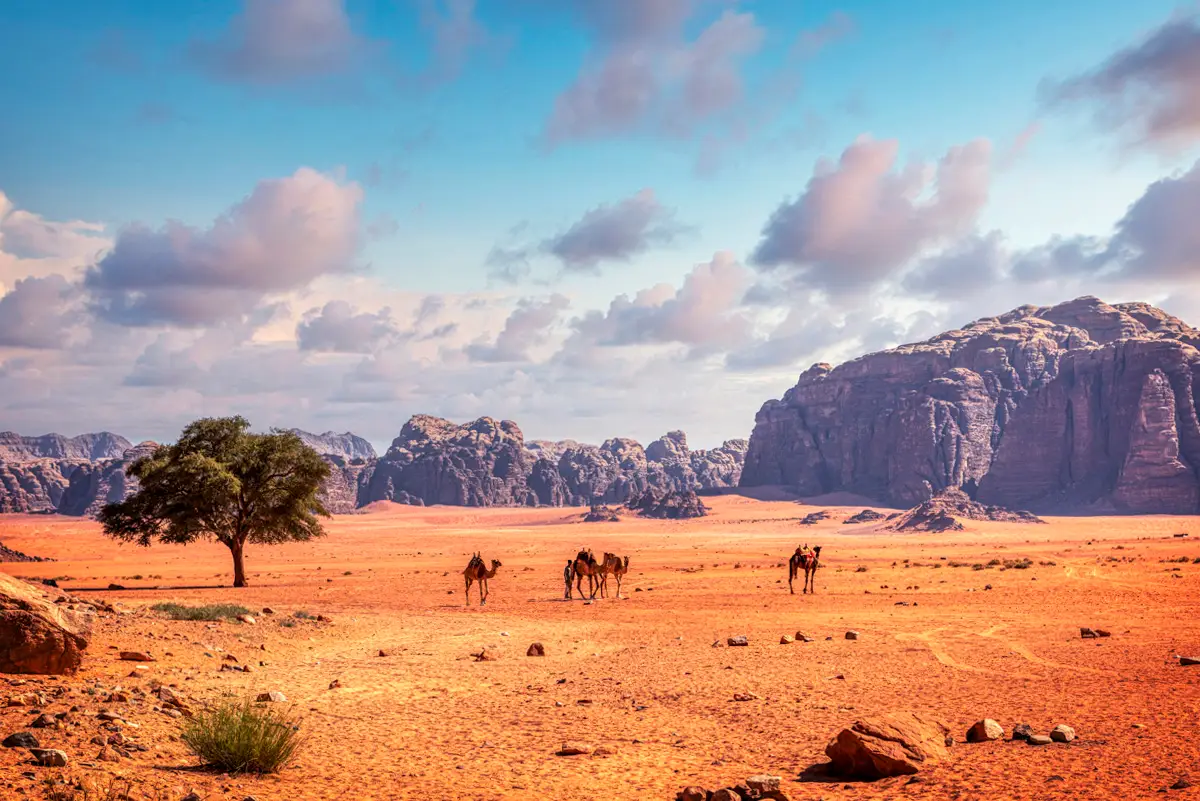
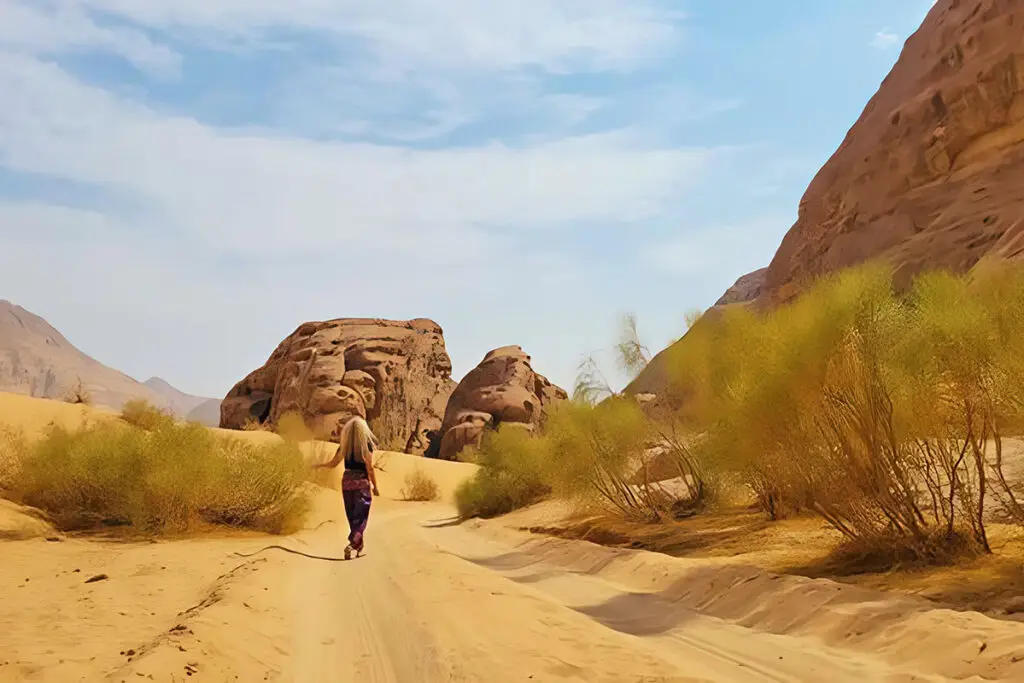
The desert stretches endlessly. Sand, rock, sky. That’s it. Or at least, that’s what it looks like at first glance.
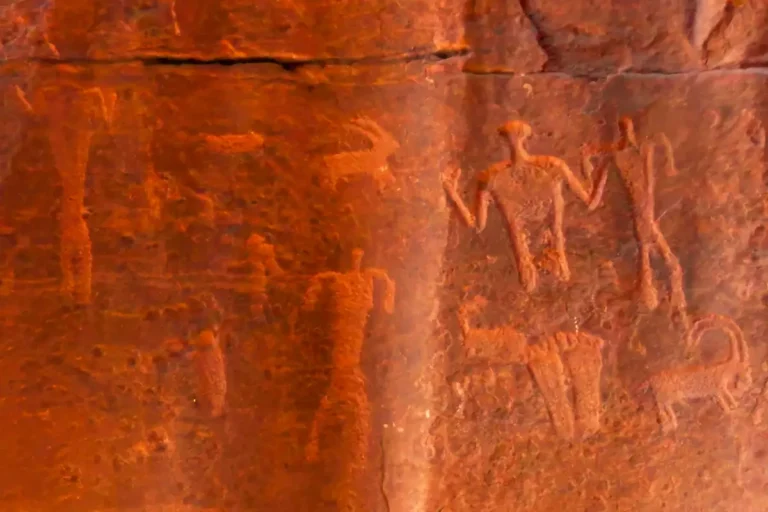
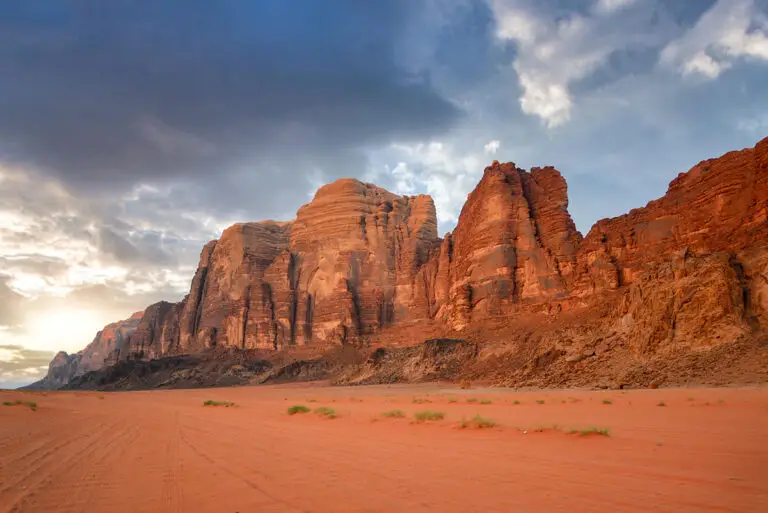
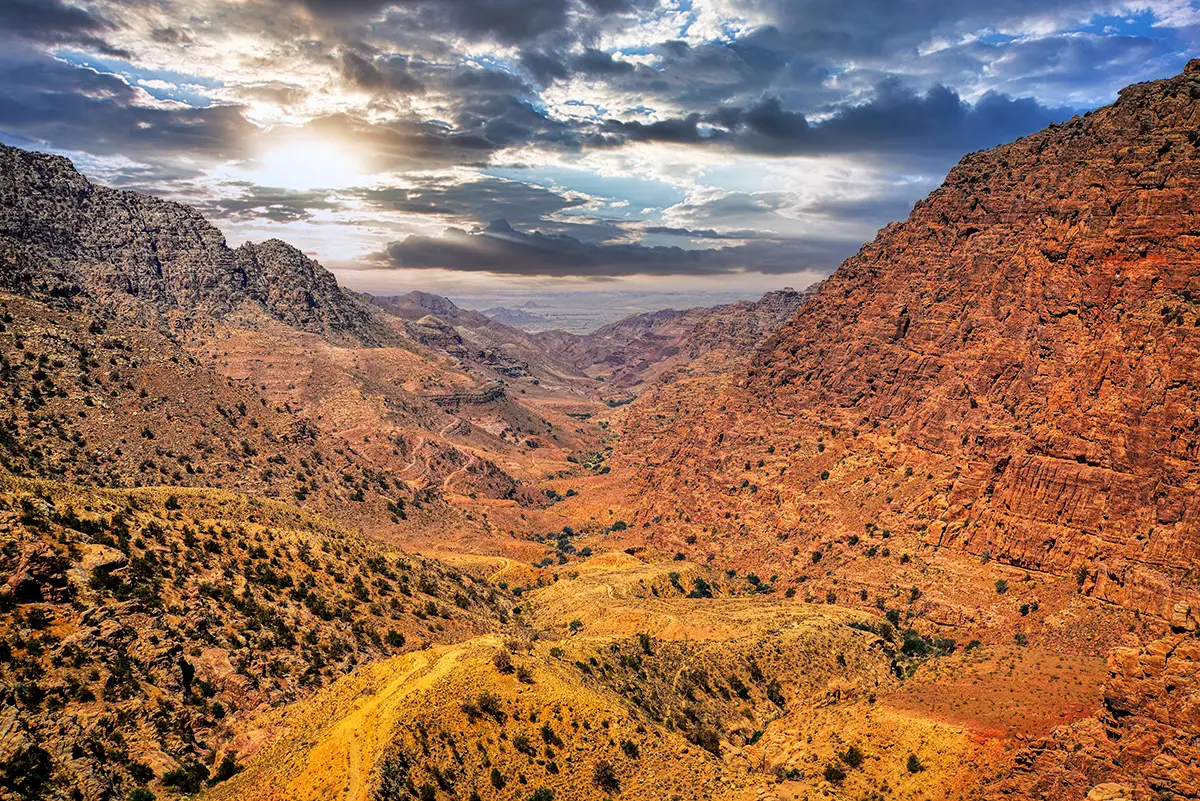
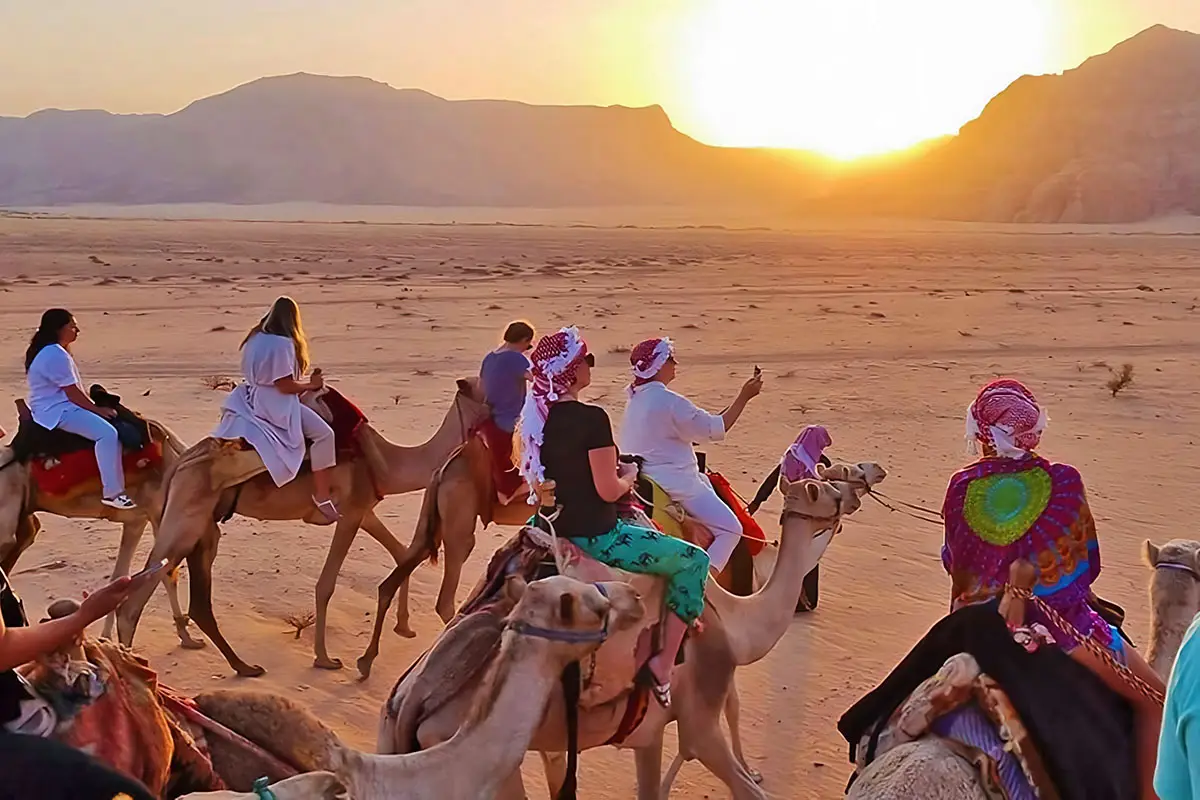
In places like Wadi Rum, the land feels ancient. The sandstone mountains rise suddenly, almost like they’ve been placed there by hand. The colour changes with the light deep red to orange, then something softer as the day moves on.
Life here is built around survival. But also, around understanding. You notice things quickly:
- Tents placed carefully, never randomly
- Open spaces left untouched
- Fire pits arranged with purpose
The Bedouin tent itself tells a story. Woven from goat hair. Dark. Strong. It keeps heat out during the day and holds warmth at night. Simple design. But very smart. Inside, there is not much:
- Rugs spread across the ground
- Cushions for sitting
- A small area for preparing tea
No excess. Nothing unnecessary. And the sky, it feels closer here. Almost like it’s part of daily life too.
Morning in the Desert: Simplicity and Purpose
Morning begins before you are ready for it. The light comes quietly. No alarms. Just a slow shift from darkness to soft gold. You hear movement outside. Someone is already awake. Someone always is. The day starts with small, important things:
- Lighting the fire
- Boiling water
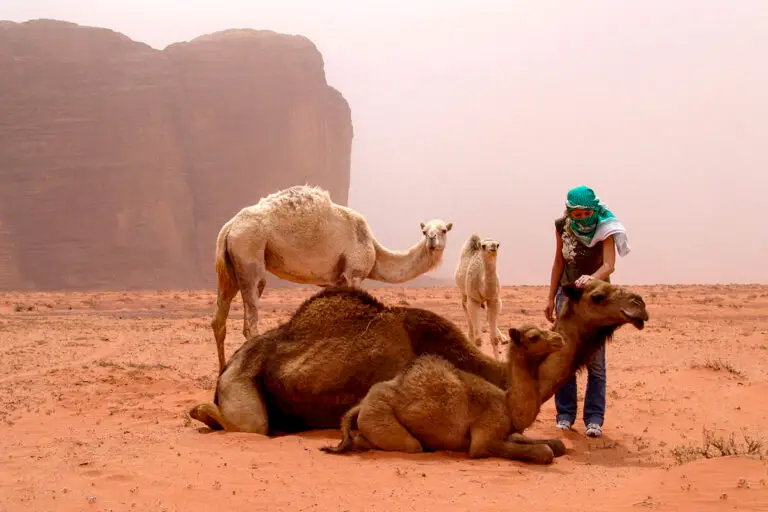
- Checking on animals
There is no rush. But there is a purpose. Always purpose. Tea is the first ritual. Strong. Slightly bitter. Sometimes with sage. You sit, you hold the small glass cup, and you wait. Conversation doesn’t need to be loud. It just happens. Breakfast follows. Simple, but enough:
- Fresh flatbread
- Olives
- Cheese
- More tea
No one seems in a hurry to finish. Time moves differently here. You notice that quickly. Or maybe slowly. And as the sun rises higher, the desert begins to warm. You feel it on your skin. A quiet reminder that the day will not stay gentle for long.
Hospitality: A Tradition Beyond Words
You don’t ask for anything. Still, everything is offered. That’s how it works. Hospitality is not a performance here. It’s instinct. A rule that doesn’t need explaining. You arrive, and immediately:
- Tea is placed in your hand
- A place is made for you to sit
- Someone asks if you are comfortable
Even if they have little, they share it. Maybe especially then. Meals are not individual. They are shared. Always shared. A large tray was placed in the center, and everyone sat around it. You eat together. No separation. No formality. Something is grounding about it. You might notice:
- No one starts before the others
- Food is taken slowly
- Silence is not awkward
Sometimes, food is cooked underground. Meat and vegetables, buried beneath the sand, left to cook slowly. When it’s uncovered, the smell fills the air. Rich. Warm. Almost unexpected in such a dry place. And you realise hospitality here is not about impressing. It’s about including.
Midday: Living with the Land
By midday, the desert changes. The sun is no longer gentle. It becomes intense. Direct. Almost heavy. This is when movement slows down. It has to. People retreat into shade. The tent becomes a refuge. Conversations soften. Tasks become smaller, quieter. You might see:
- Someone repairing fabric
- Someone is preparing ingredients for later
- Children resting or playing quietly
Or sometimes nothing at all. Just stillness. The Bedouin way is not about fighting the environment. It’s about adjusting to it. Always adjusting. They understand things that aren’t obvious:
- How to read the wind
- When a sandstorm might come
- Where shade will fall at different hours
It’s knowledge built over time and passed down, and not written anywhere. And as you sit there, doing very little, you start to feel something unfamiliar. Stillness. Real stillness.
Cultural Traditions and Storytelling
As the heat begins to ease, energy returns. Slowly. This is when stories come out. Not formally. Not announced. Just shared. Someone begins talking. Others listen. Then someone else adds something. Stories about:
- Family history
- Journeys across the desert
- Old traditions that still matter
There is no rush to finish them. Some stories pause halfway. Then continue later. Poetry sometimes appears too. Quiet, rhythmic, almost blending into the background. And music is simple, but meaningful.
- A drumbeat
- A soft melody
- Voices joining in, then fading out
It’s not a performance. It’s just part of life. These moments feel small. But they stay with you longer than expected.
A Glimpse Beyond: Connecting Experiences Across Jordan
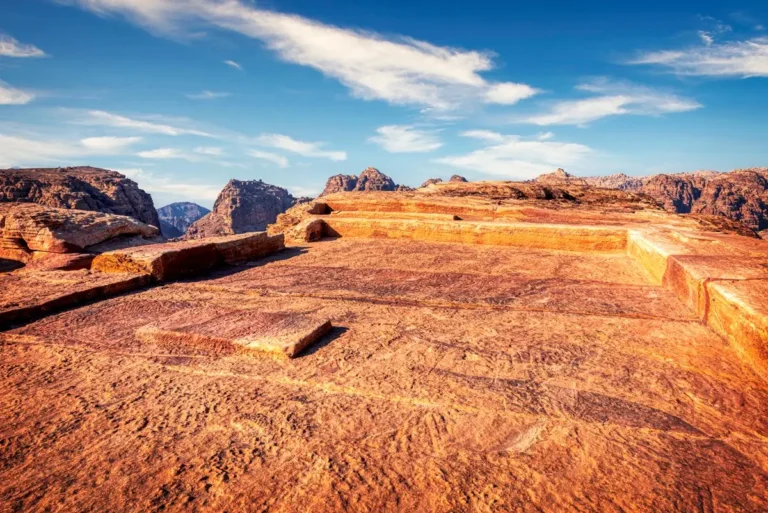
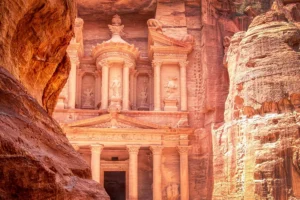
A day in the desert doesn’t exist alone. It connects to everything else around it. You start to see how it fits into a larger story. Many travelers move between places, each one different, yet somehow connected. From the quiet vastness of Wadi Rum to the carved stone facades of Petra, the contrast is striking. One shaped by nature. The other by human hands.
And often, these experiences come together during a 7-day Jordan trip, where the journey itself becomes the story. Moving from desert camps to ancient cities, from silence to history, from open landscapes to narrow stone paths. It doesn’t feel rushed. Or at least, it shouldn’t, because each place asks you to slow down in its own way.
Evening in the Desert: Silence and Reflection
Evening arrives gently. The heat fades. The light softens again. Everything feels calmer. Dinner preparations begin. The fire is lit once more. There is something familiar about the rhythm; you’ve seen it before, earlier in the day.
Food is shared again. Conversations return. But quieter this time. Then night falls. And the desert changes completely. The sky becomes the main focus. Stars appear slowly, then all at once. More than you expect. More than you can count. You notice:
- The absence of artificial light
- The depth of the silence
- The coolness in the air
People sit outside. Looking up. Talking softly and or not talking at all. There is no need to fill the silence. And somehow, that silence says more than words could.
Meaning of a Day in the Desert
It’s just one day. But it doesn’t feel small. You come in expecting something simple. Maybe even basic. But what you find is layered. Subtle. You begin to understand things differently:
- Time is not always something to manage
- Less can actually feel like more
- Connection doesn’t need effort
Life here is not easy. That part is clear. But it is steady. Grounded. There is a kind of balance:
- Between work and rest
- Between giving and receiving
- Between people and the land
And even if you don’t fully understand it, you feel it. That’s enough.
Conclusion
A single day with a Bedouin family doesn’t try to impress you. It doesn’t need to. It simply shows you what life can look like when it is shaped by tradition, environment, and quiet understanding.
There are no dramatic moments. No big turning points: just small experiences, one after another. Tea shared. Stories told. Silence observed. And somehow, those small things stay with you the longest.
Long after you leave the desert, you remember the stillness. The openness. The way time seemed to stretch without pressure. It’s not something you take with you physically. But it changes the way you see things. Just a little. Maybe more than you expected.