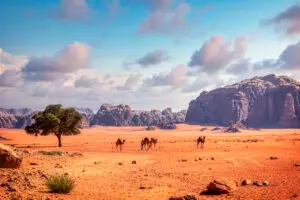
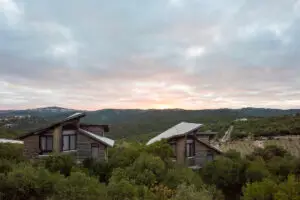
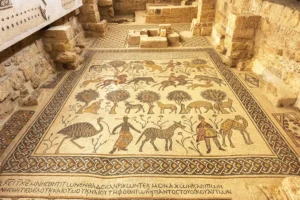
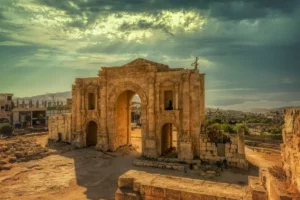
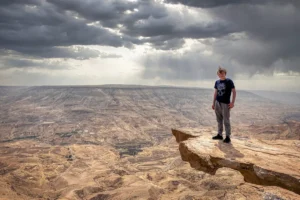
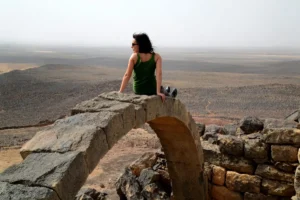
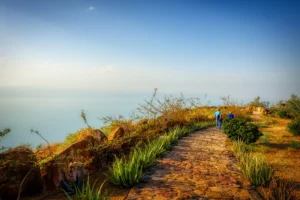

“Are we still in Jordan?” my 12-year-old daughter asked as we descended from the cool hills above Amman toward the Jordan Valley. Only twenty minutes earlier, we had been driving through the pine-covered slopes near As-Salt at almost 1,200 meters above sea level, where the air was fresh and the temperature hovered around 22°C. Then, almost unbelievably quickly, the road plunged downward through steep mountain curves until we reached the Jordan Valley at around -250 meters below sea level. The temperature display in the car climbed steadily to 32°C, and the dry valley heat rushed in the moment we opened the windows.
The dramatic drop felt like entering another world
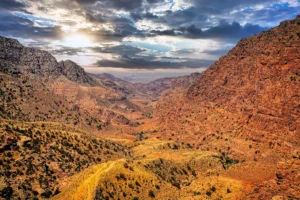
We stopped briefly in As-Salt for cold drinks before continuing westward. The road itself became part of the adventure, offering sweeping views over deep valleys, rugged cliffs, and the hazy landscape stretching toward the Jordan River. My daughter kept watching the altitude numbers on the car dashboard, fascinated by how fast everything changed — the air, the vegetation, and even the colors of the landscape.
Finding the Damiya Dolmen Field turned out to be surprisingly easy. Once we reached the Jordan Valley Highway, clear road signs pointed us toward the archaeological area. Unlike many remote historical sites in Jordan that require complicated directions, this one was straightforward to access, with a short dirt track leading us close to the field itself.
Then the real adventure began
As soon as we stepped out of the car, my daughter declared it a competition: whoever spotted the first dolmen would win an ice cream on the way home. We wandered through the rocky terrain, weaving between thorny bushes and weathered limestone outcrops, scanning the landscape for ancient stones that did not quite look natural. Every unusual rock formation sparked excitement. “Is that one?” she would shout from a distance, only for us to discover another pile of collapsed stones.
After several minutes of searching under the hot valley sun, she suddenly yelled, “I found one!”
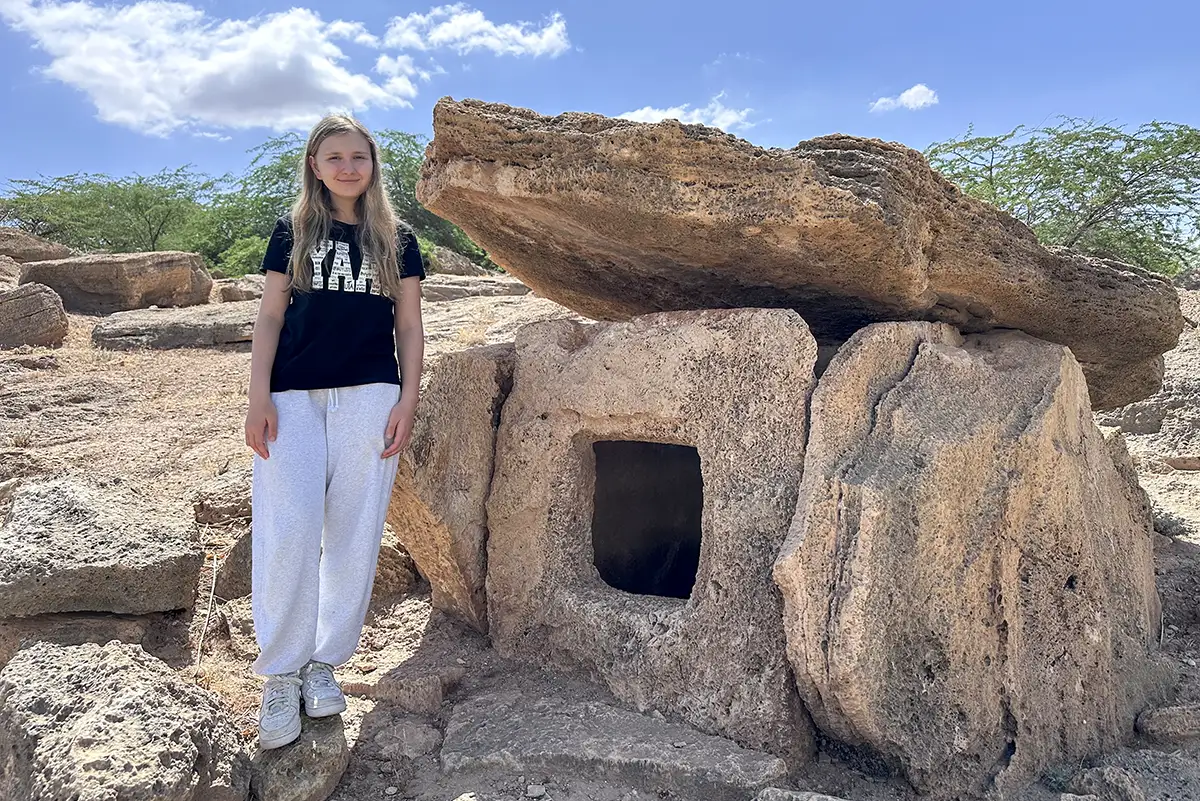
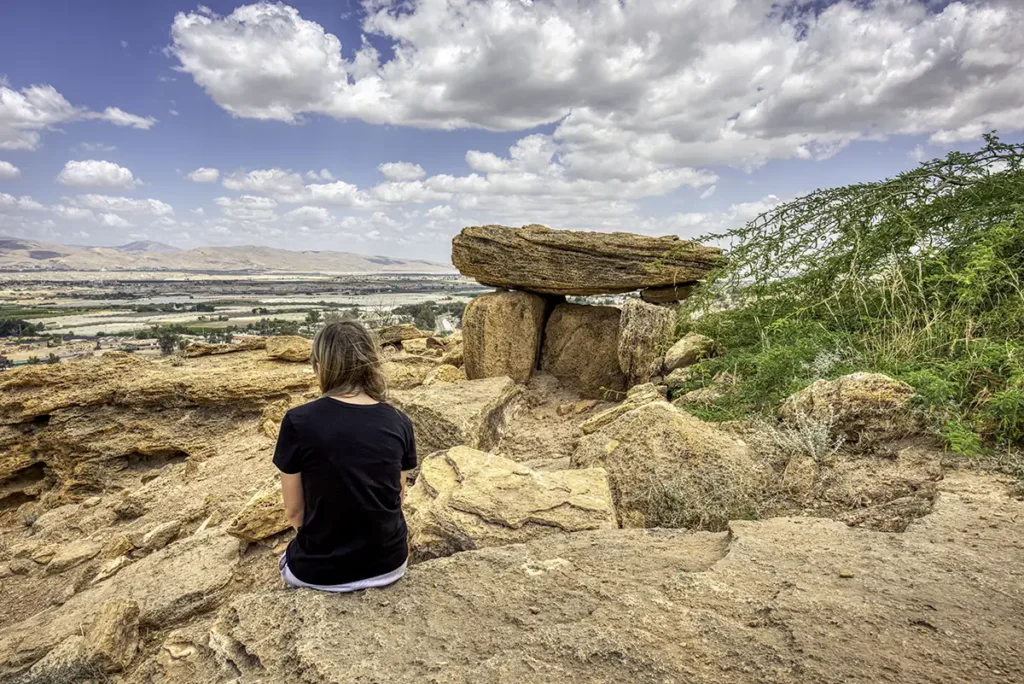
At first glance, the dolmen looked almost unreal — as if giant hands had carefully balanced enormous stones thousands of years ago. Standing before it was a strange and powerful experience. Unlike seeing photographs in books or museums, this was something ancient, silent, and completely exposed to the desert landscape.
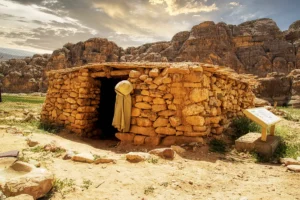
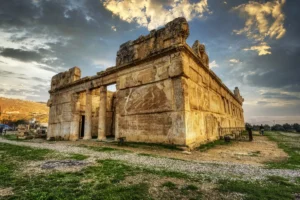
The dolmen itself consisted of massive upright stone slabs supporting an enormous flat capstone above. In the front was a carefully carved square entrance leading into the burial chamber inside. The weathered sandstone glowed in shades of gold and orange beneath the midday light, while the rough texture of the stones revealed centuries of erosion. My daughter crouched near the entrance, trying to imagine who had built it and how people could possibly move such gigantic stones without modern tools.
What impressed us most was the sheer age of the structure. These prehistoric tombs date back thousands of years, long before the Roman cities and Crusader castles that Jordan is famous for today. Standing there, surrounded by silence and scattered ruins, felt like stepping into a forgotten chapter of human history.
But the site also carried a sense of sadness
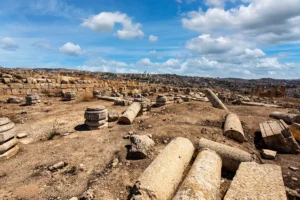
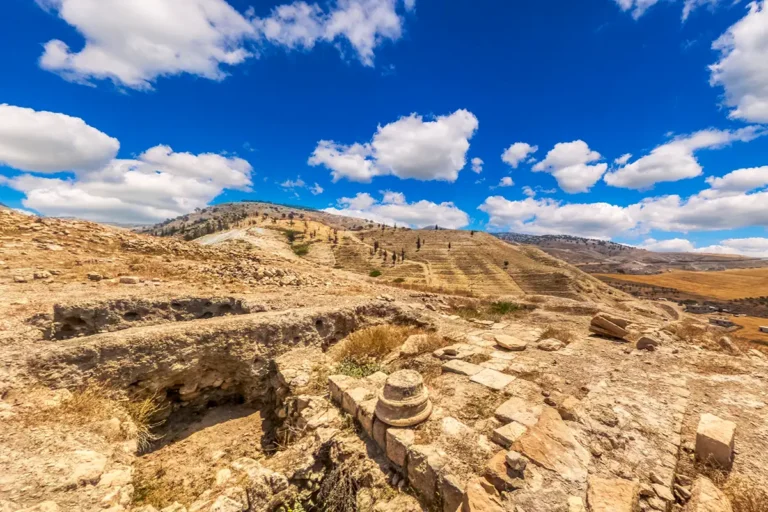
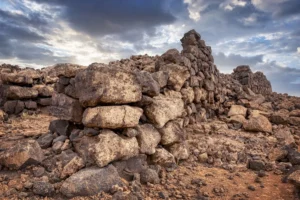
Many of the dolmens in the area have been damaged or completely destroyed over time. Some have collapsed naturally, while others appear to have been dismantled by human activity, treasure hunting, or construction. Large stones lay scattered across the ground, making it difficult to imagine how many monuments once stood intact across these hills.
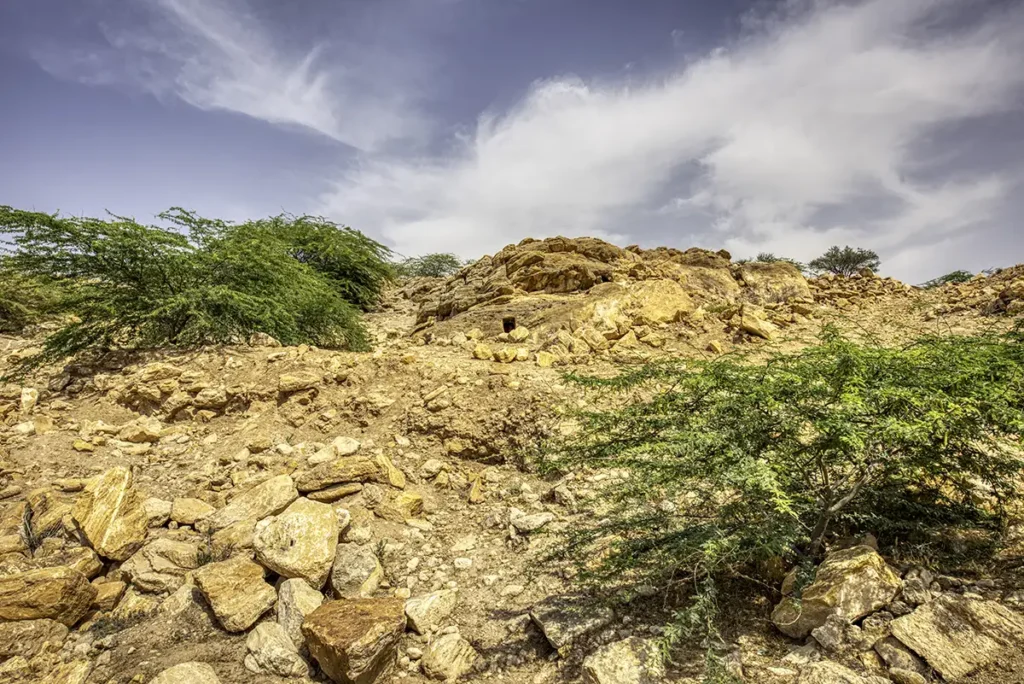
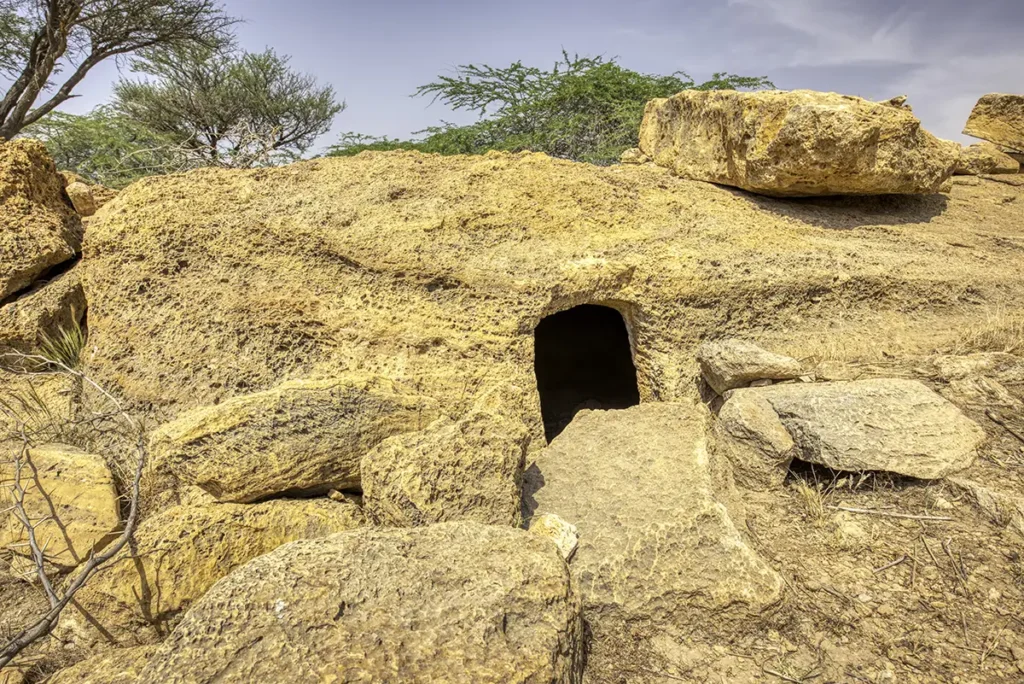
As we continued hiking through the field, we discovered many rock-cut tombs carved directly into the stone hillsides. Some entrances were still clearly visible, while others were partially buried by sand and rubble. My daughter became increasingly determined to explore every corner, convinced that each tomb might hide some ancient secret. The entire area felt like an enormous open-air archaeological puzzle waiting to be understood.
Eventually, the heat of the Jordan Valley caught up with us. Dusty, tired, and carrying far more photos than we planned, we returned to the car and started the climb back toward Amman. Once again, the landscape transformed rapidly as the road rose from the hot valley floor back into the cooler mountain air near As-Salt.
By the time we reached Amman in the evening, the city felt strangely modern after spending the day among prehistoric tombs. My daughter fell asleep during the final part of the drive, still clutching the small notebook where she had sketched the dolmen she proudly found first.
And yes — she absolutely earned that ice cream!
If you would like to explore the site in greater detail, be sure to browse our Damiya Dolmen Field photo album, featuring dozens of images of prehistoric dolmens, rock-cut tombs, and the spectacular landscapes of the Jordan Valley. For an even more immersive experience, take a virtual 3D walk-through of the site and discover these remarkable Bronze Age monuments from every angle, bringing one of Jordan’s most fascinating archaeological treasures to life from wherever you are.