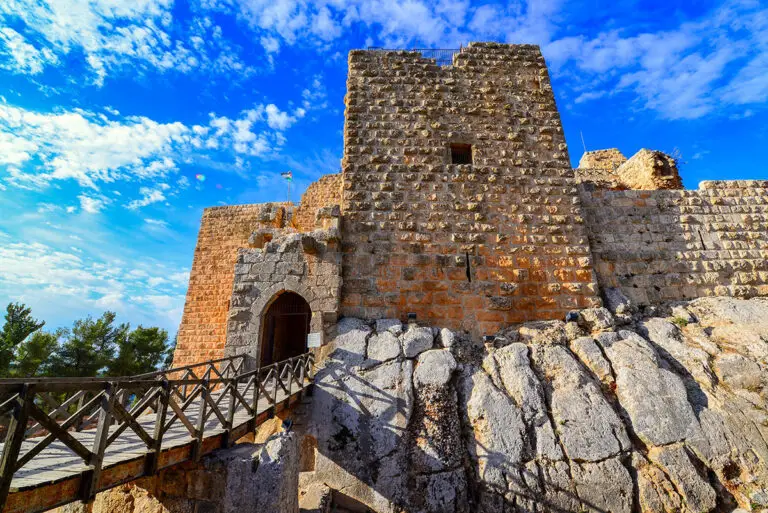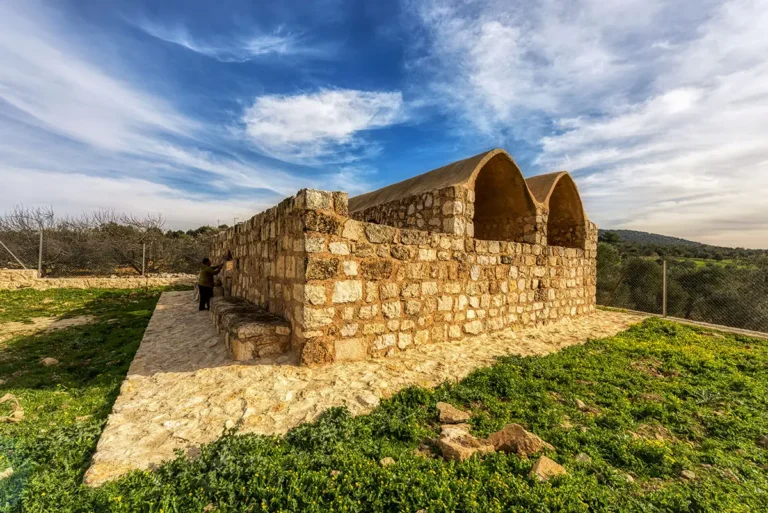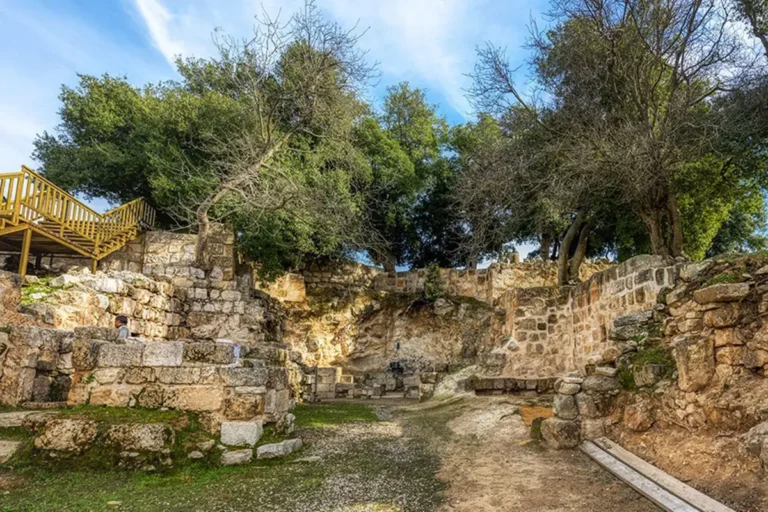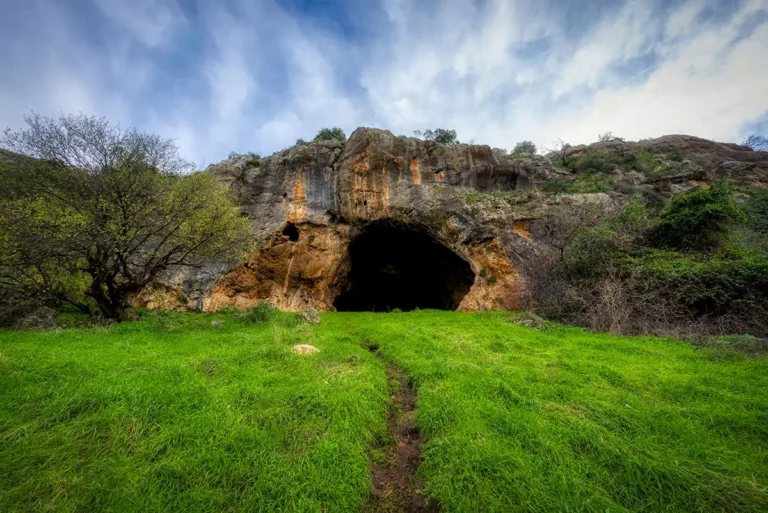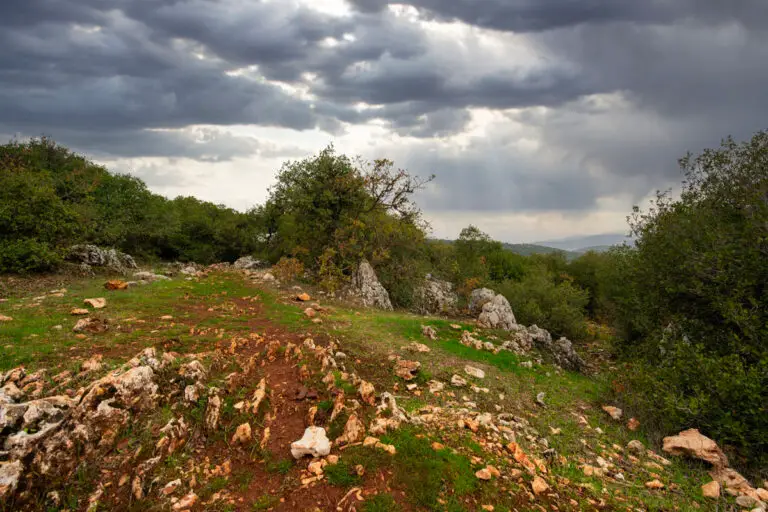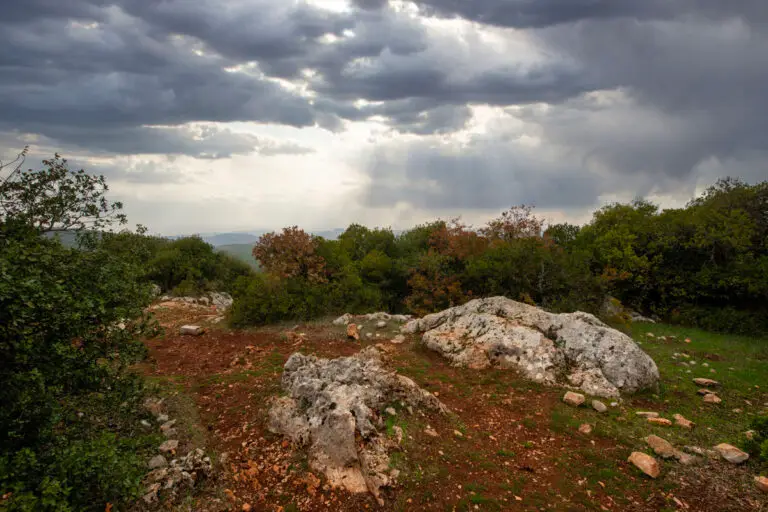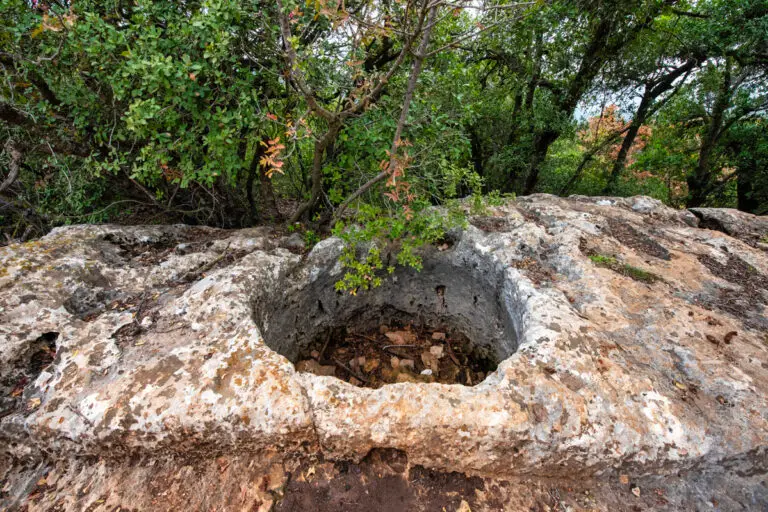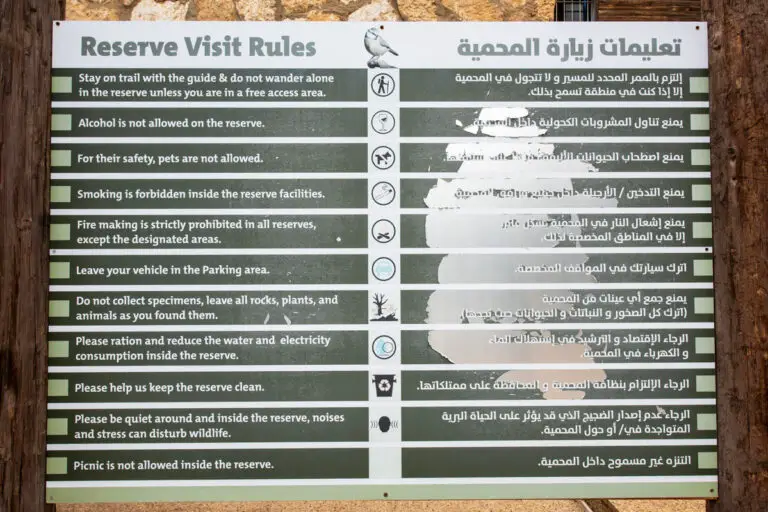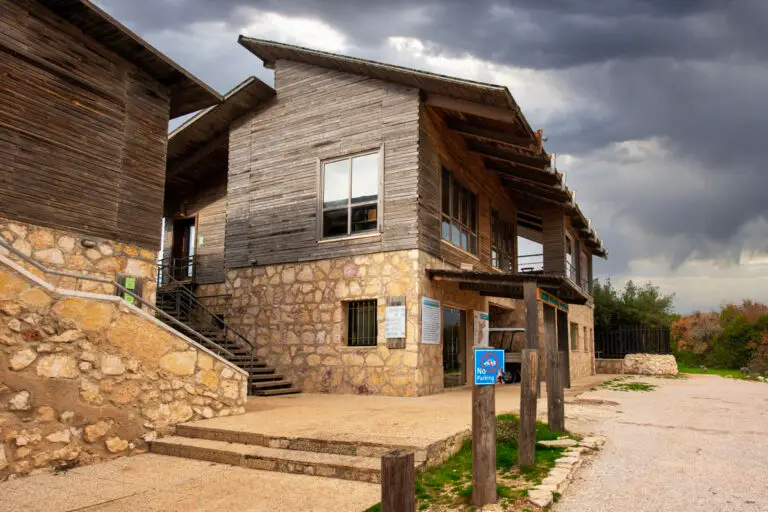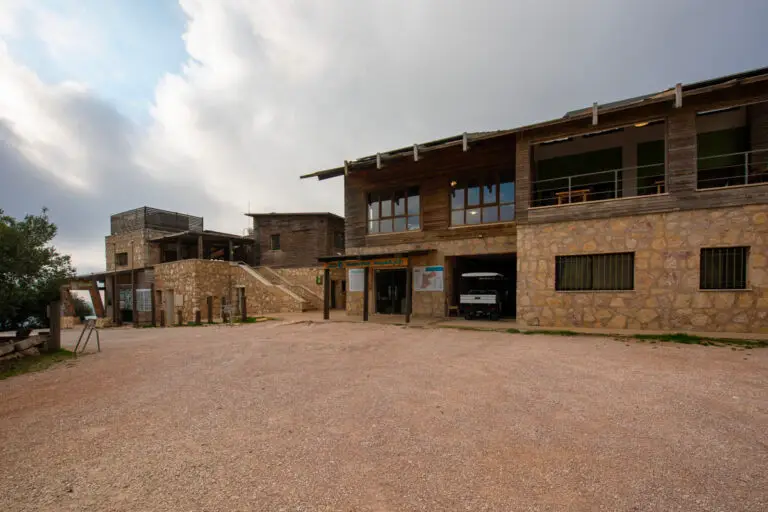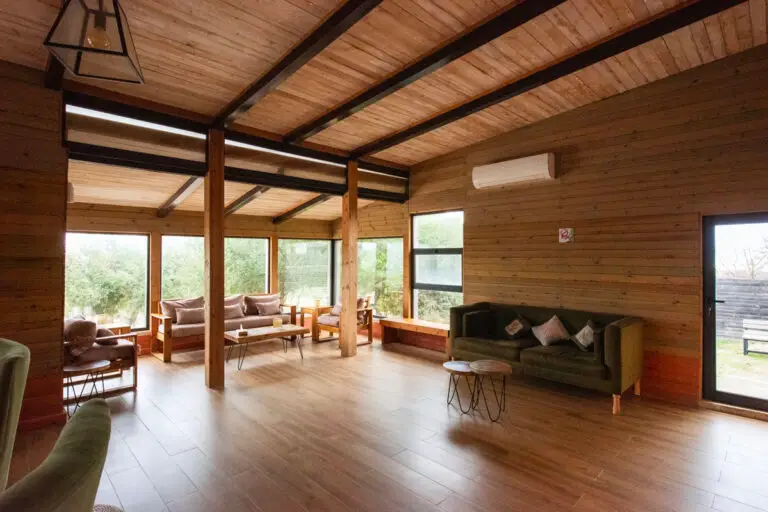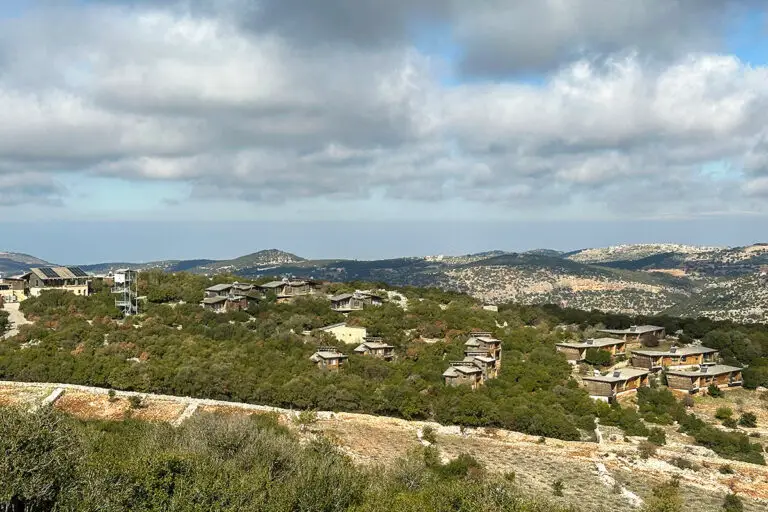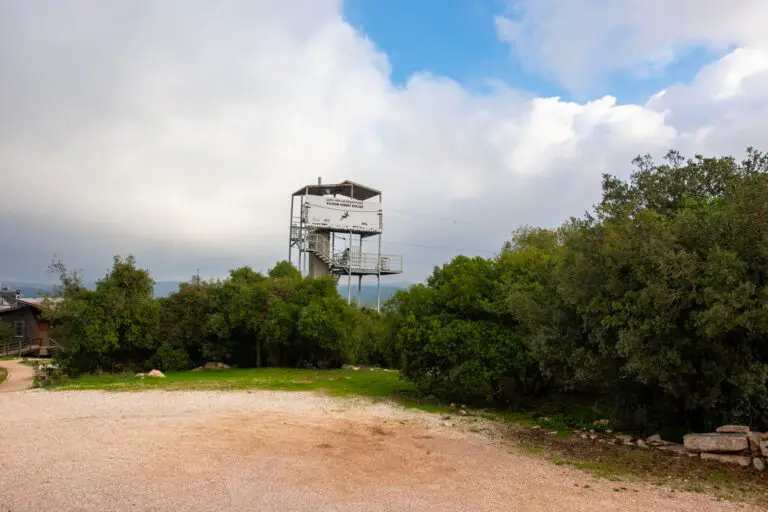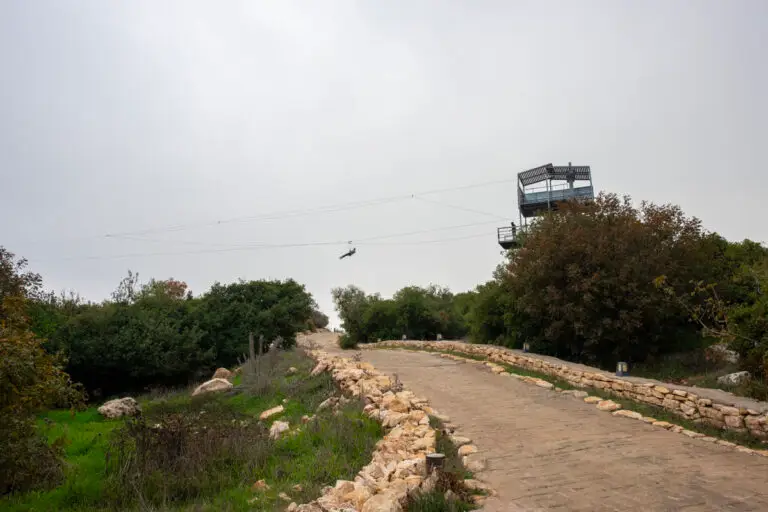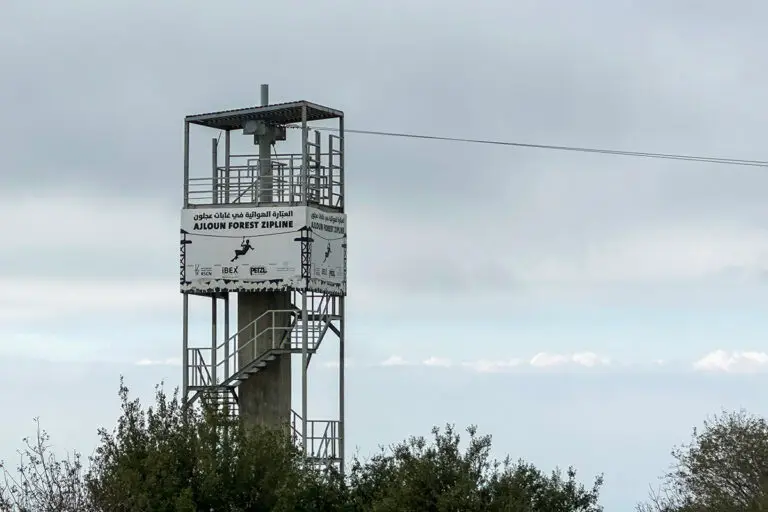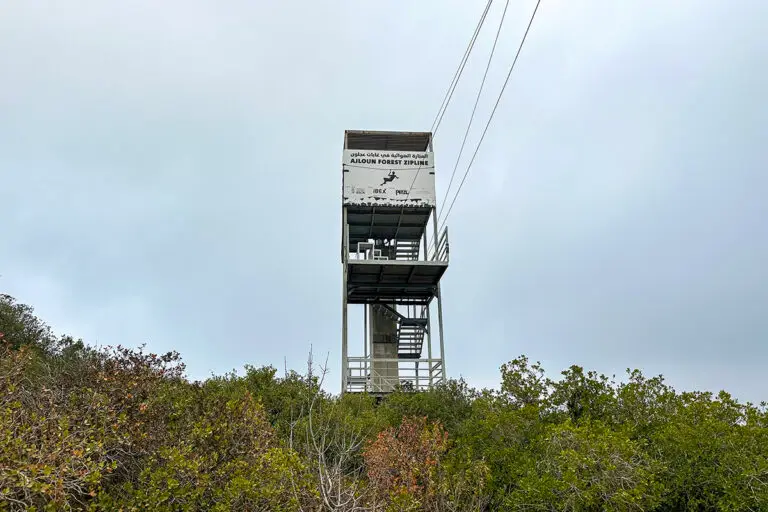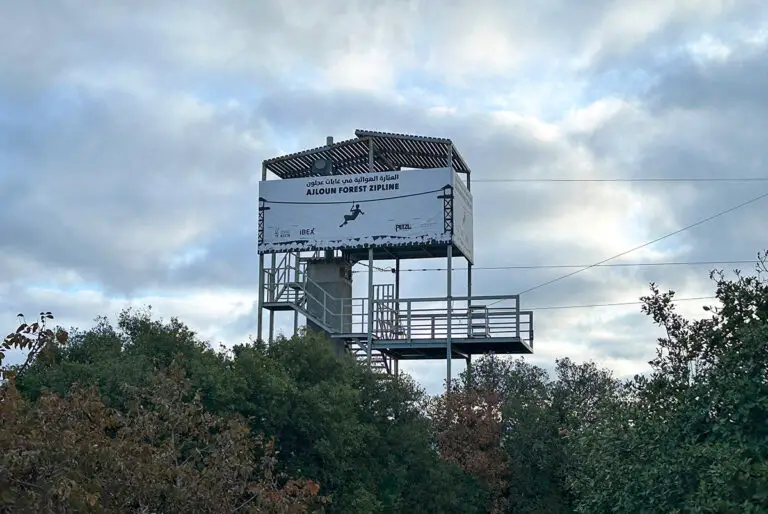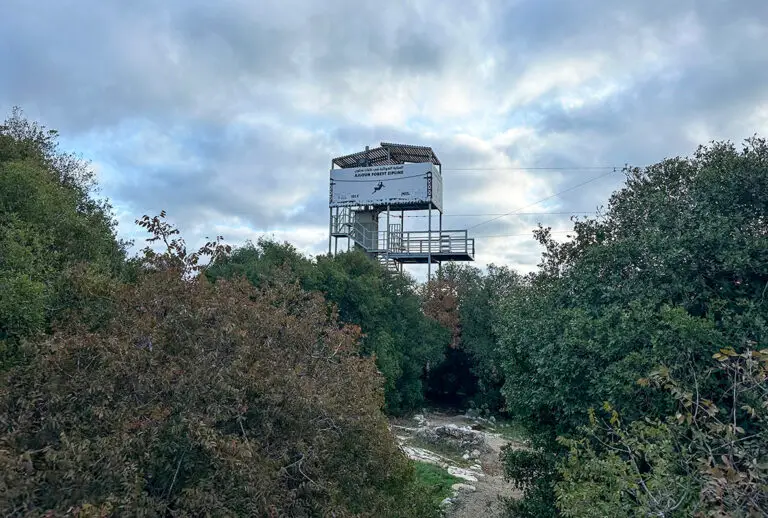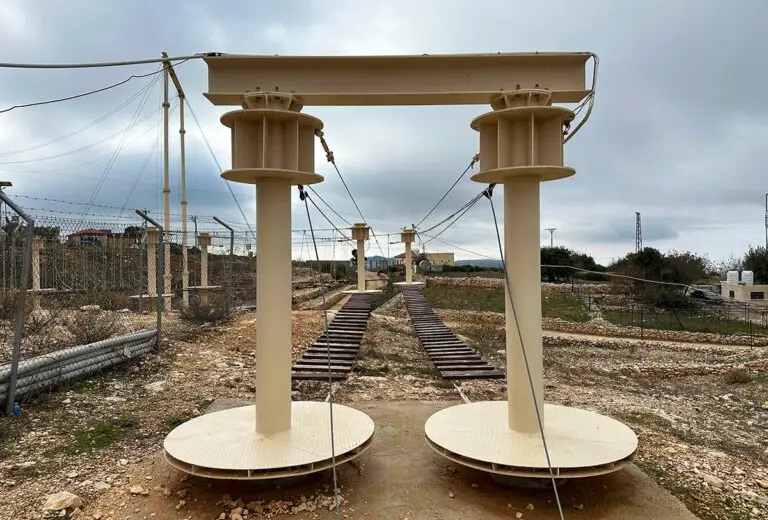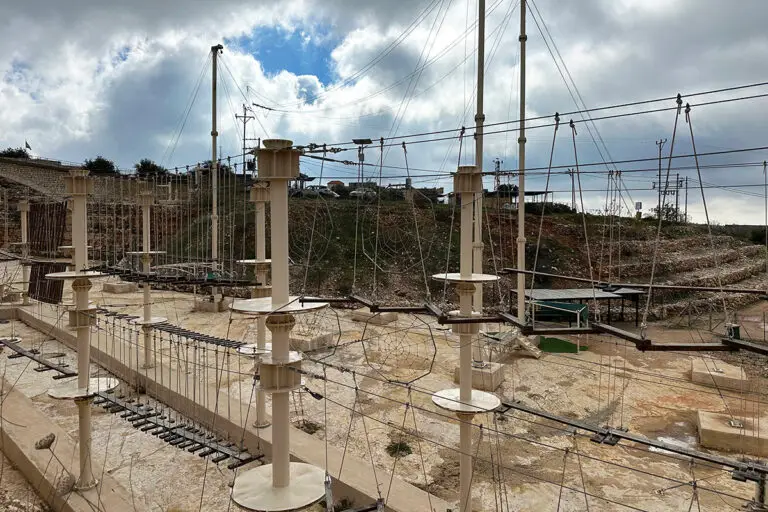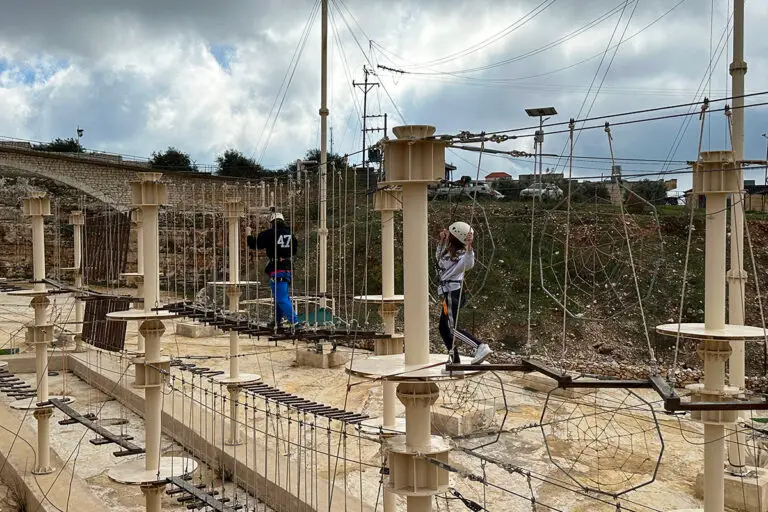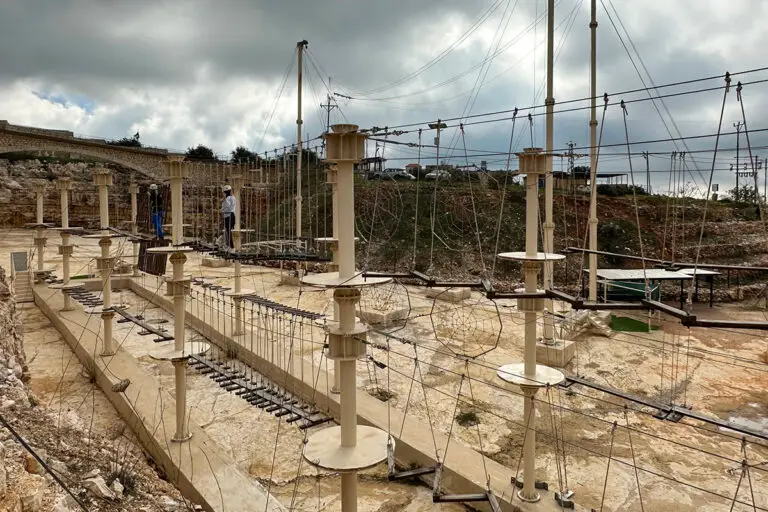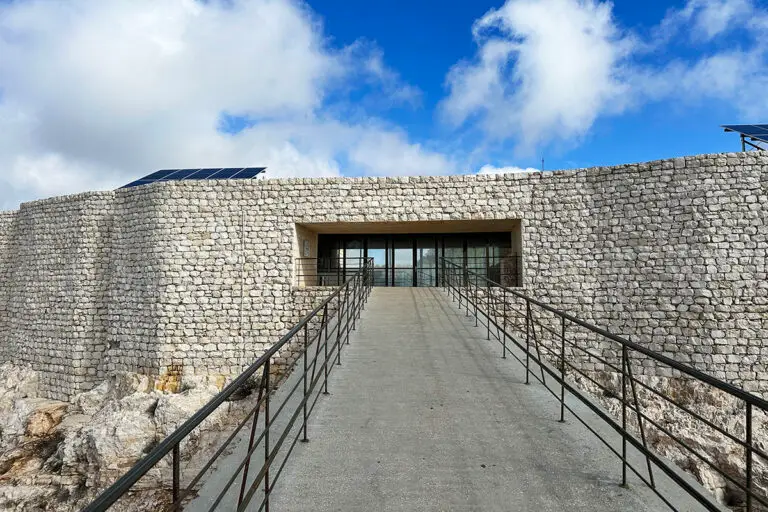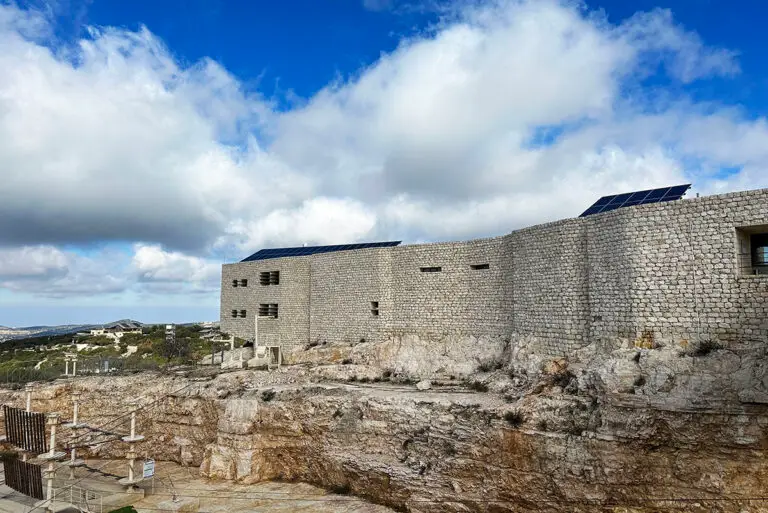
Tucked into the rolling highlands of northern Jordan, the Ajloun Forest Biosphere Reserve stands as a powerful example of how conservation and tourism can coexist. Just over an hour from Amman, the reserve protects one of the country’s last remaining Mediterranean forest ecosystems while offering visitors a meaningful, low-impact way to experience nature.
More than a scenic destination, Ajloun is a living landscape where biodiversity, community engagement, and environmental education come together — making it one of Jordan’s most important eco-tourism sites.
Protecting a Rare Forest Ecosystem
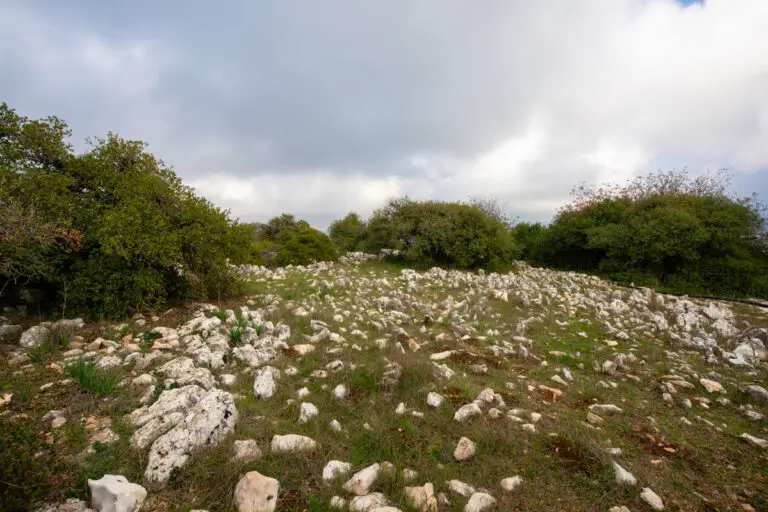
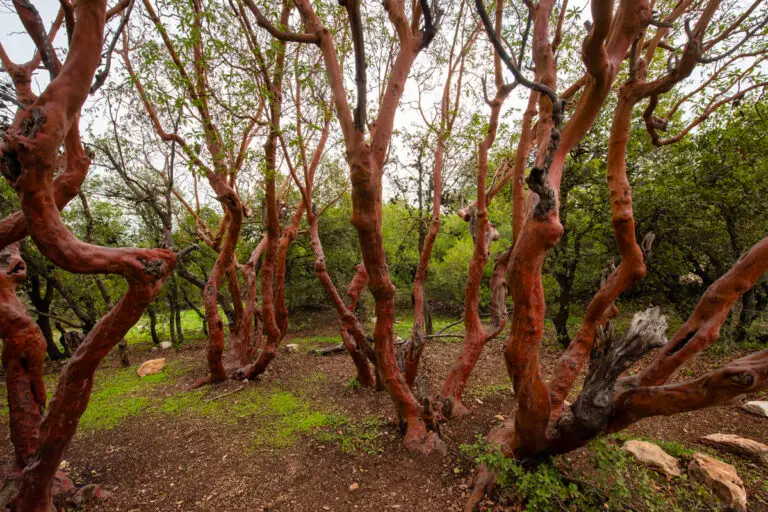
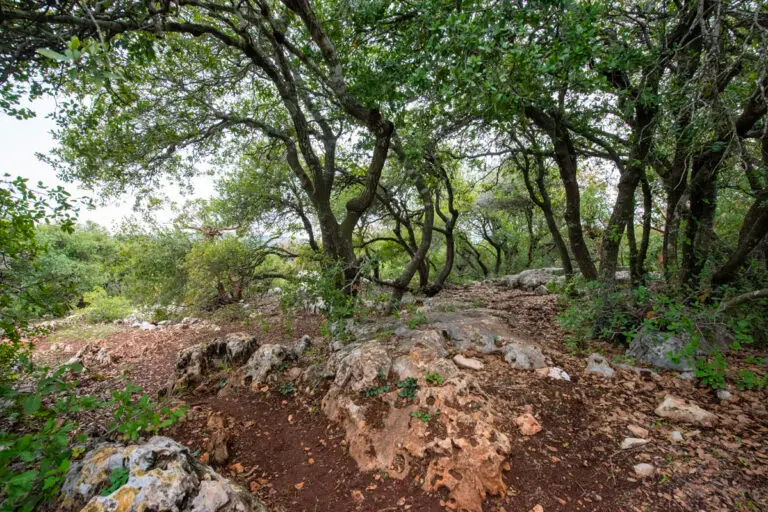
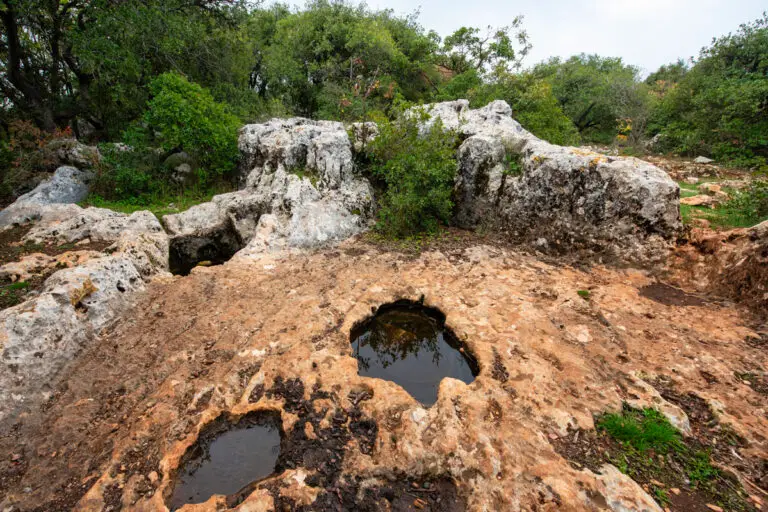
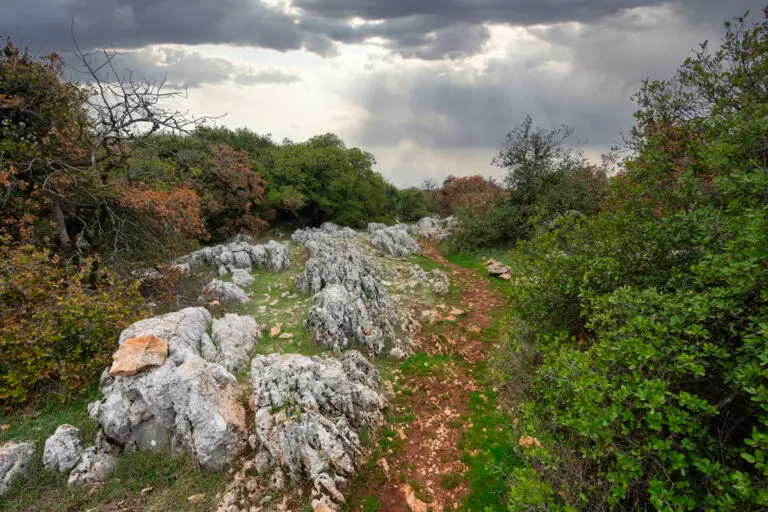
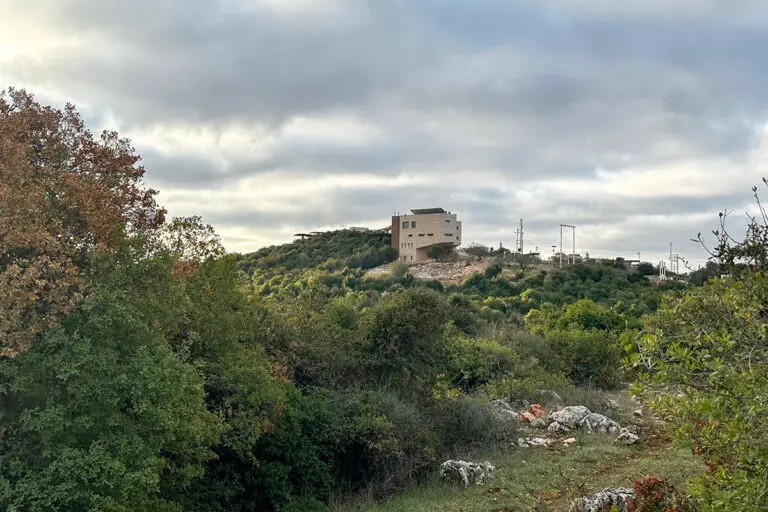
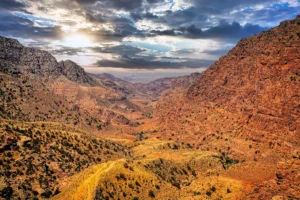
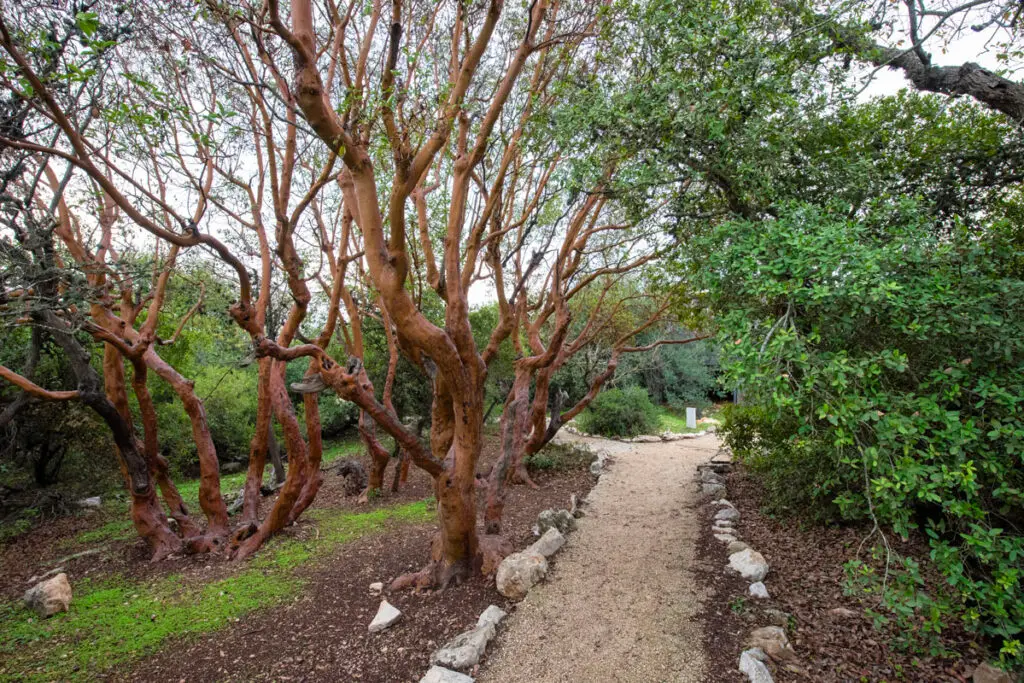
The reserve safeguards a mosaic of oak, pistachio, pine, and carob forests that once covered large parts of northern Jordan. These woodlands play a critical role in soil conservation, water retention, and climate regulation, while providing habitat for birds, mammals, and native plant species.
Among its most notable conservation successes is the protection of the roe deer, a species that had disappeared from the region and has since been reintroduced and carefully managed. The presence of this species is a clear indicator of the forest’s ecological recovery and health.
Low-Impact Trails and Nature Interpretation
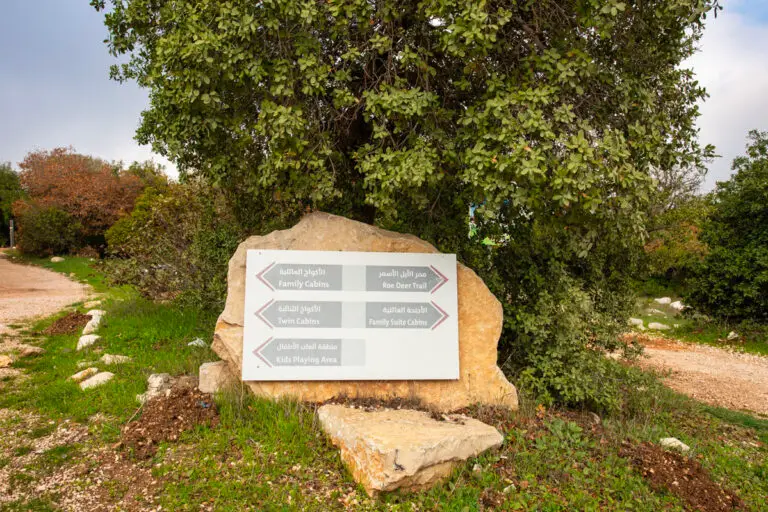
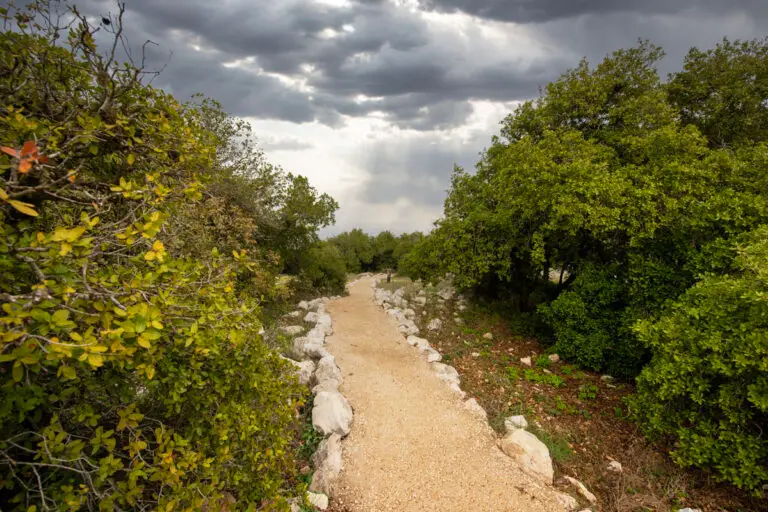
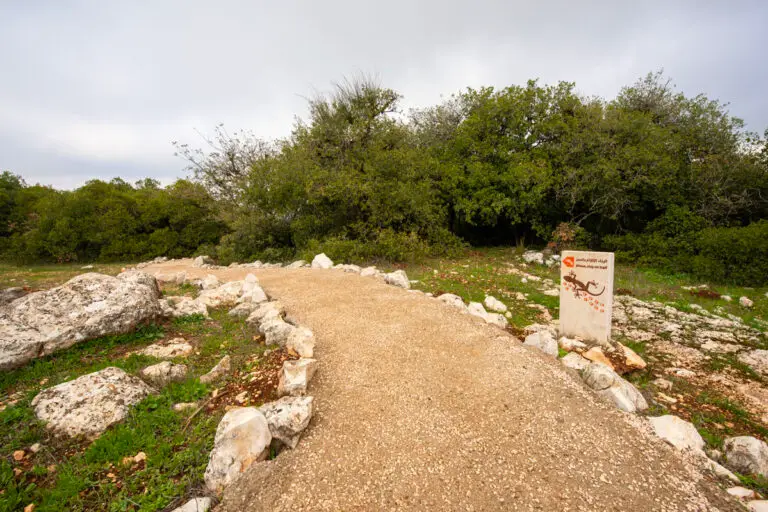
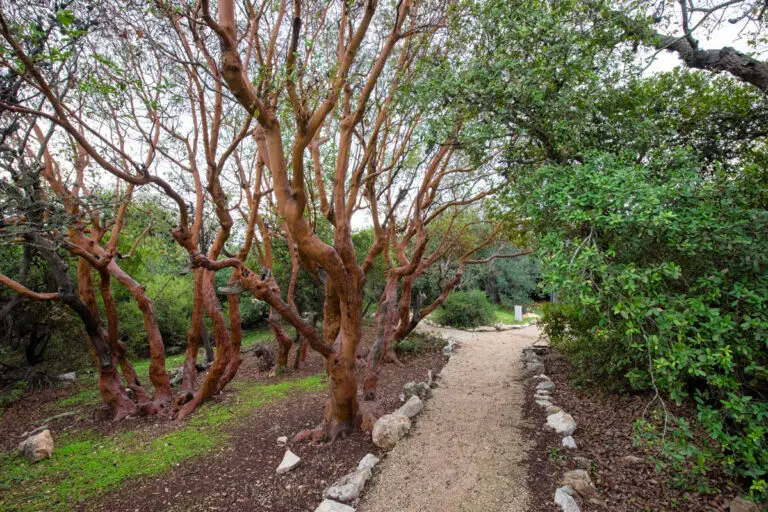
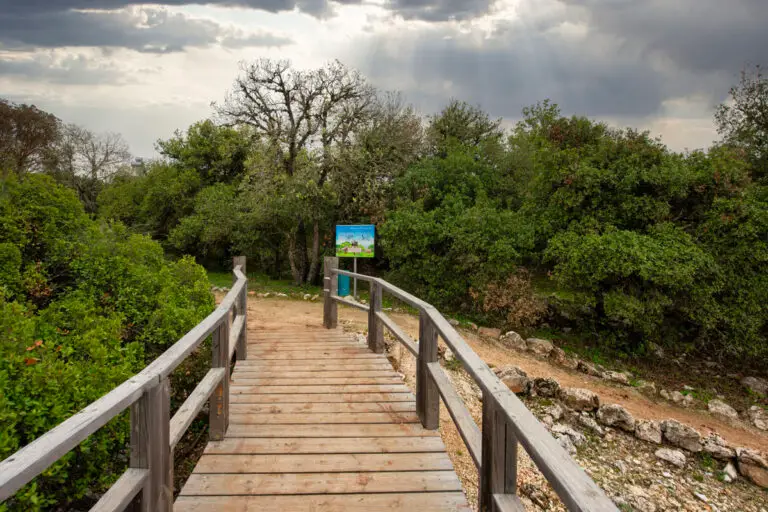
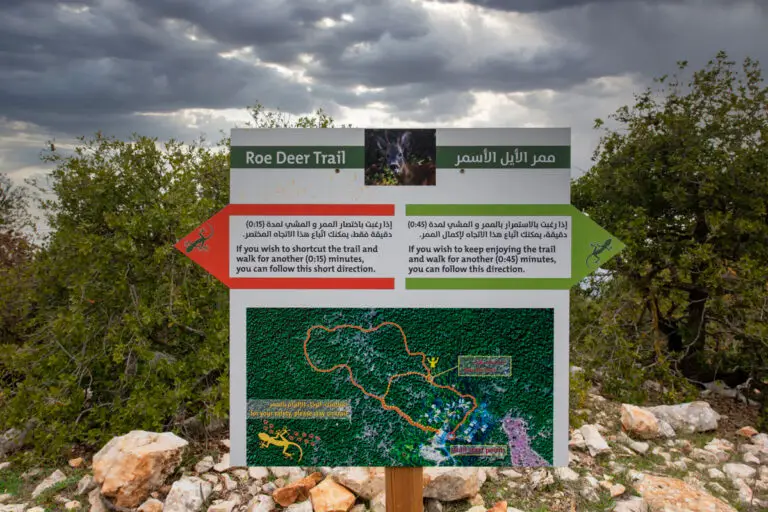
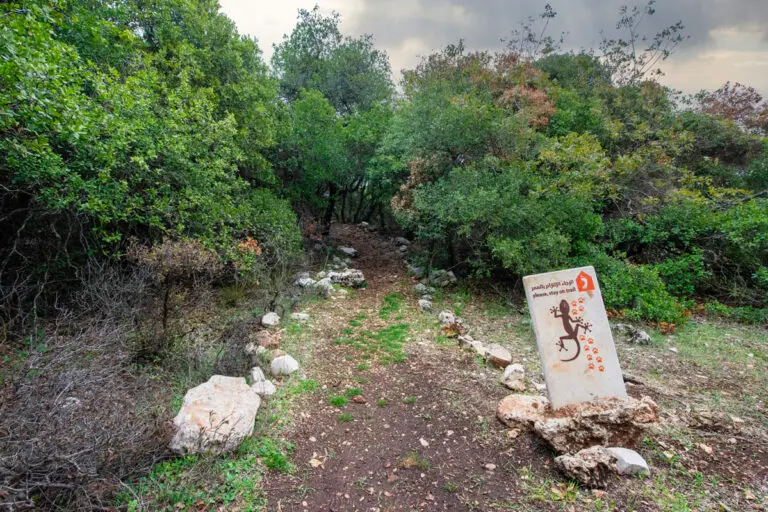
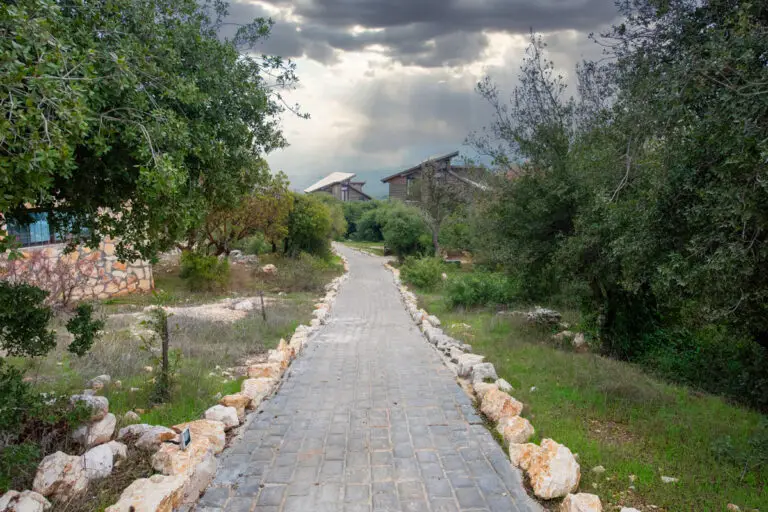
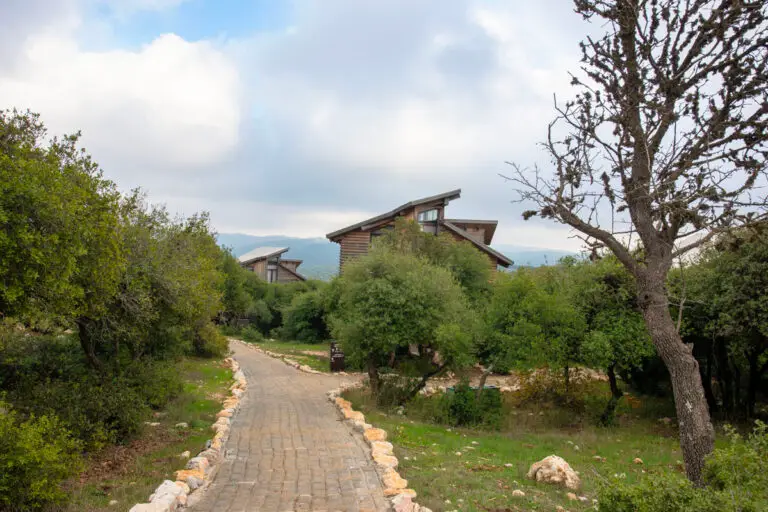
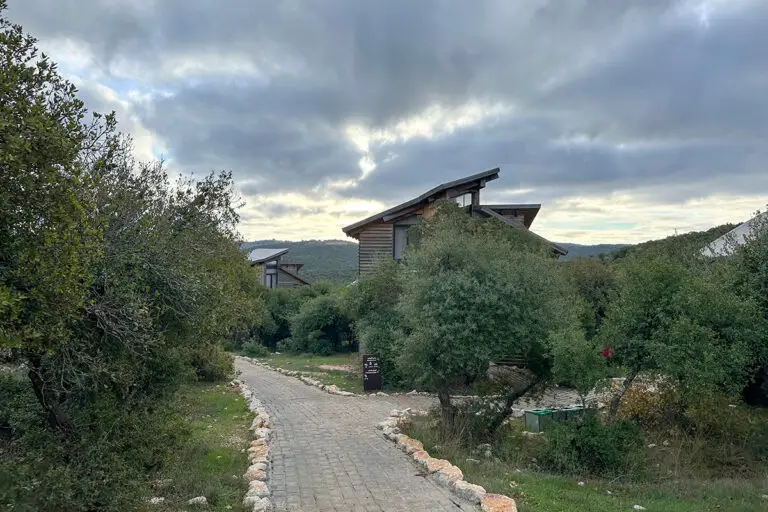
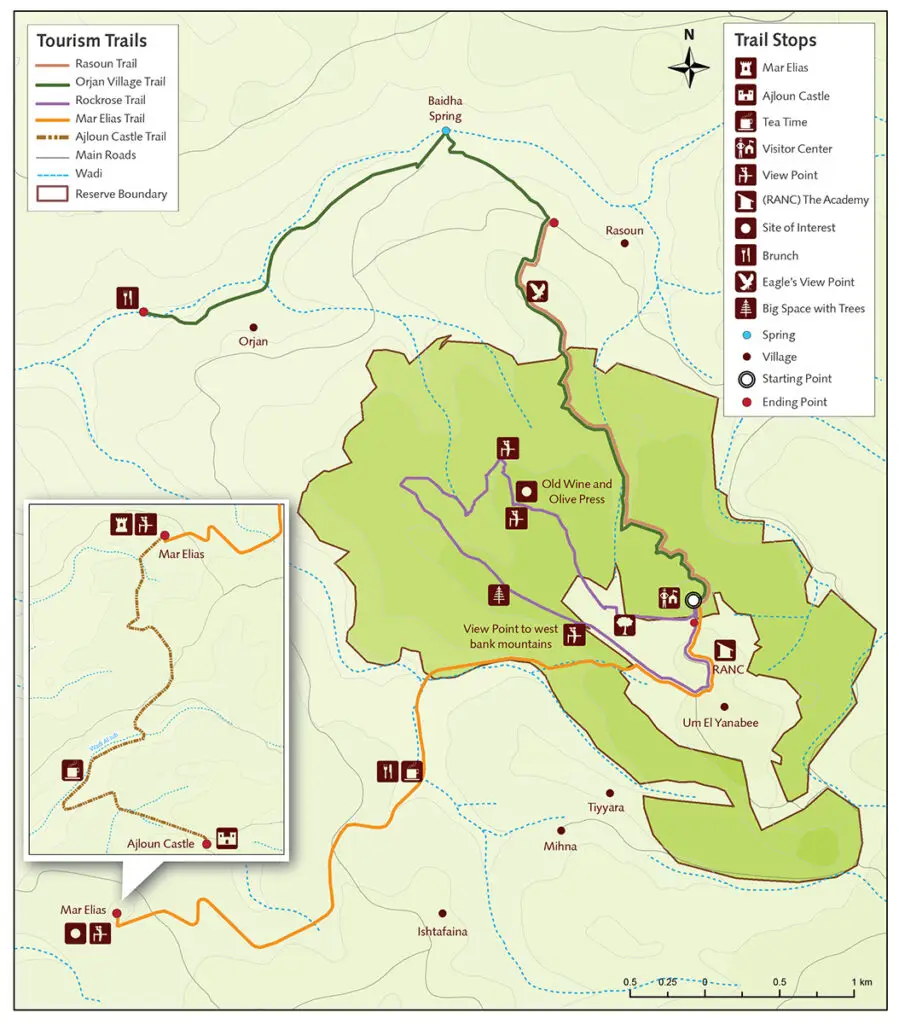
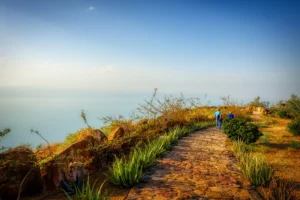
Ajloun Forest Biosphere Reserve offers a network of well-maintained, low-impact walking trails designed to minimise disturbance while maximising understanding. Trails such as the Roe Deer Trail allow visitors to explore the forest at a slow, respectful pace, encouraging observation rather than consumption.
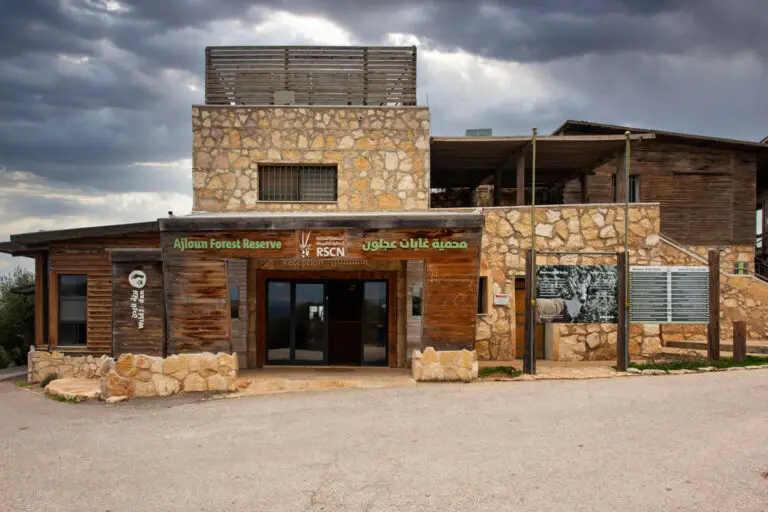
Interpretive elements along the trails and at the visitor areas introduce guests to local flora, wildlife, and conservation practices, turning each walk into an opportunity for environmental learning.
Eco-Lodging within the Reserve
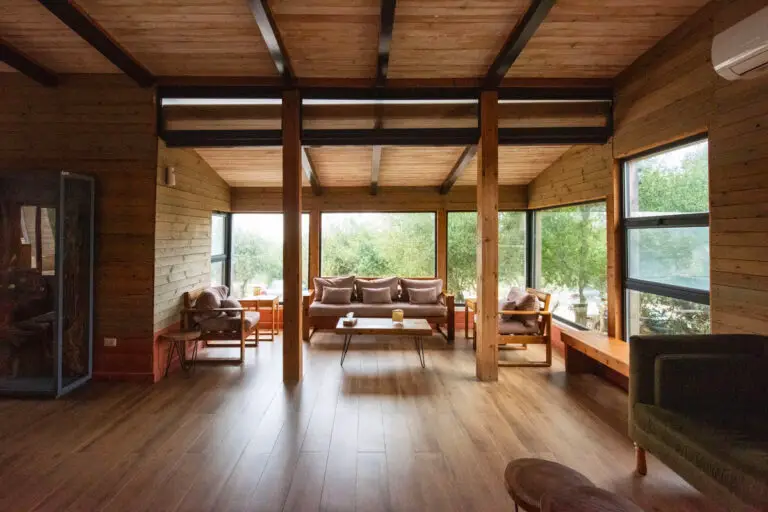
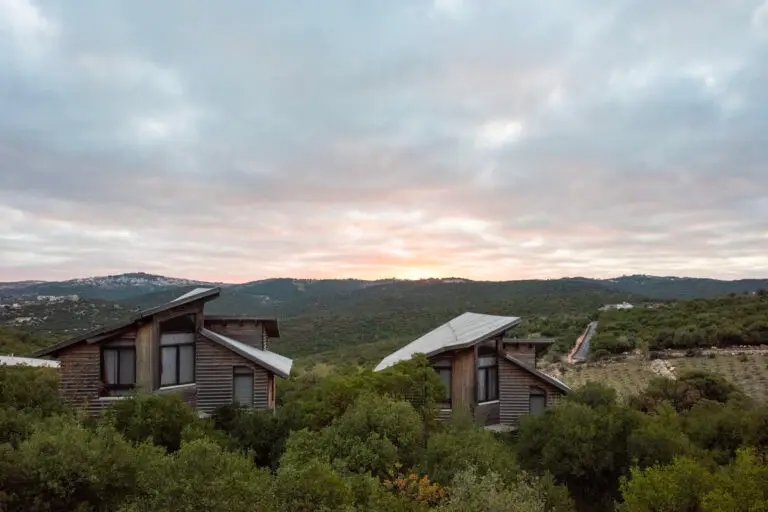
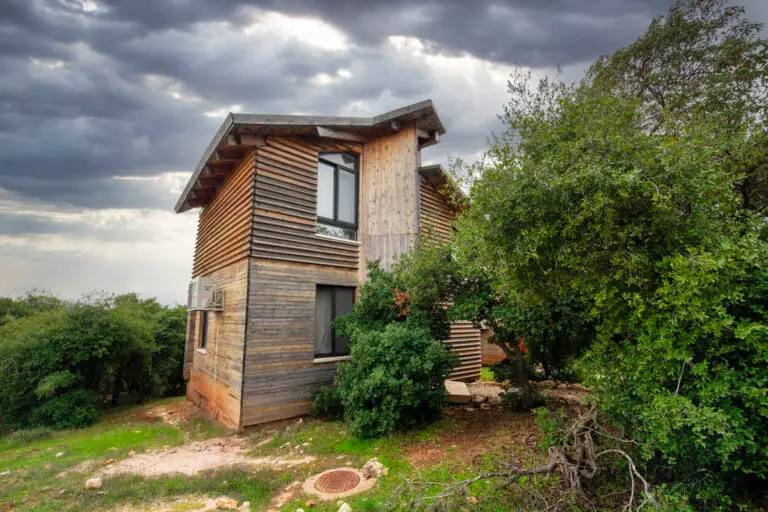
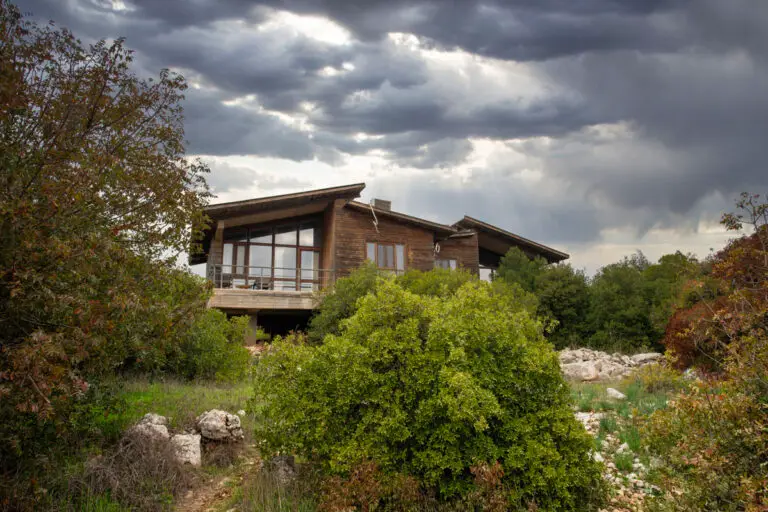
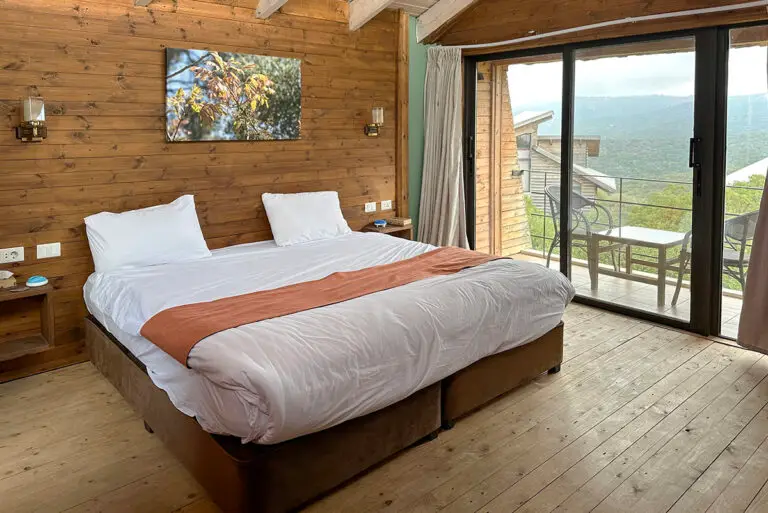
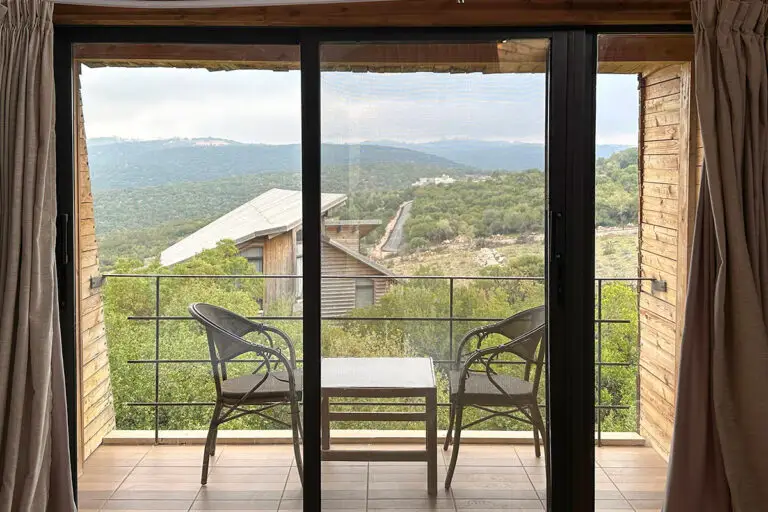
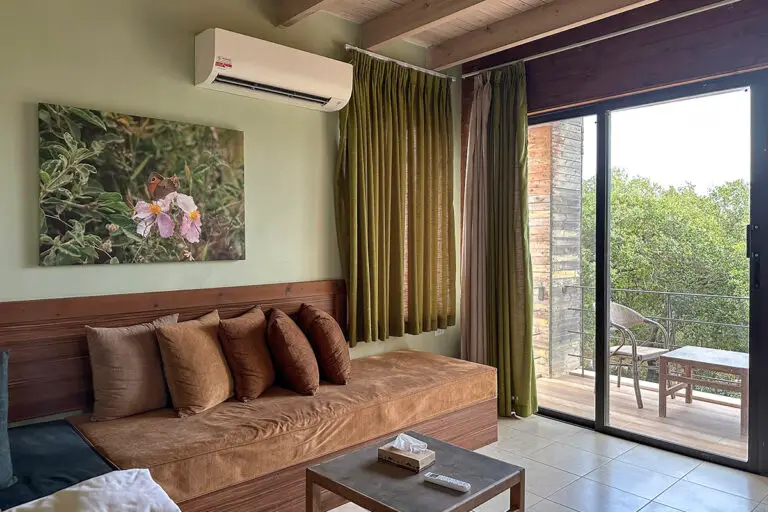
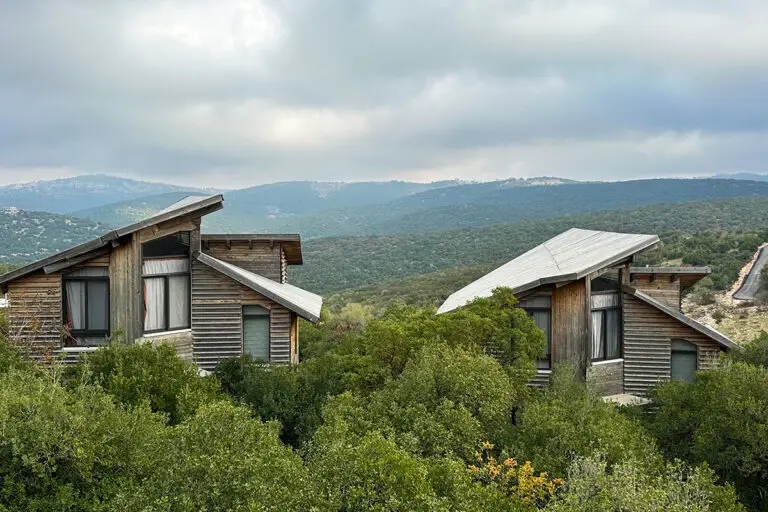
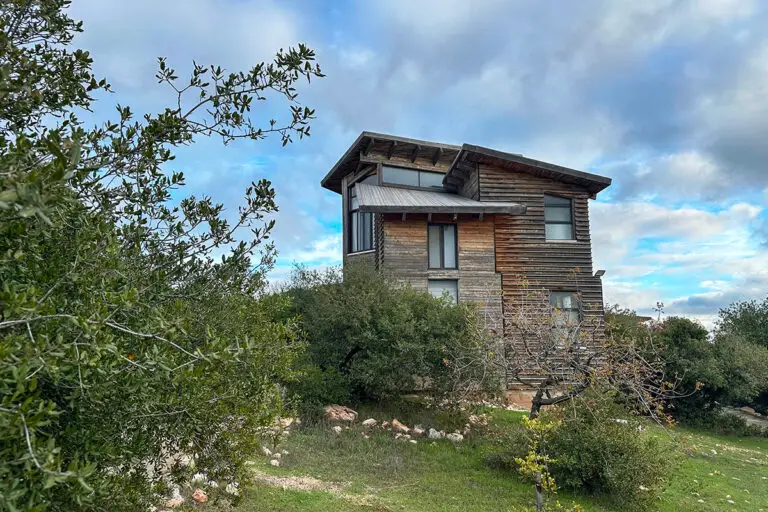
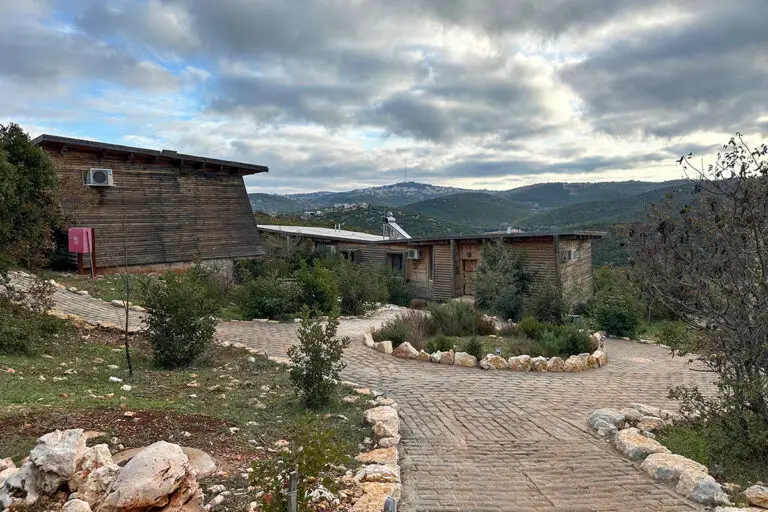
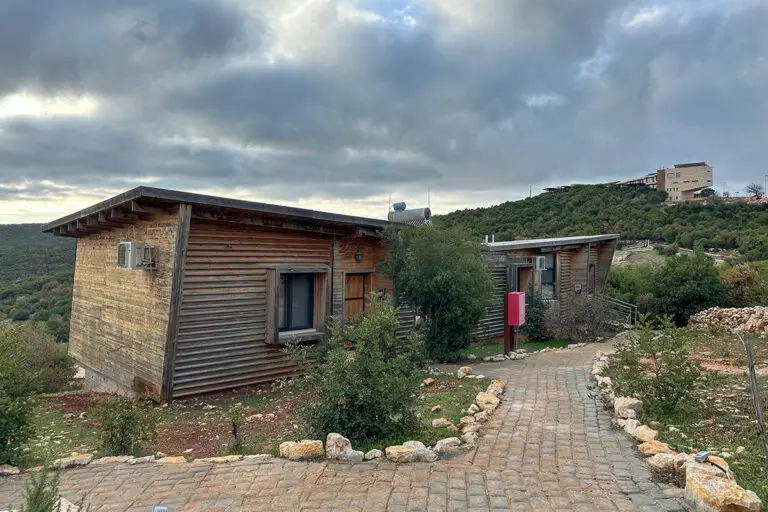
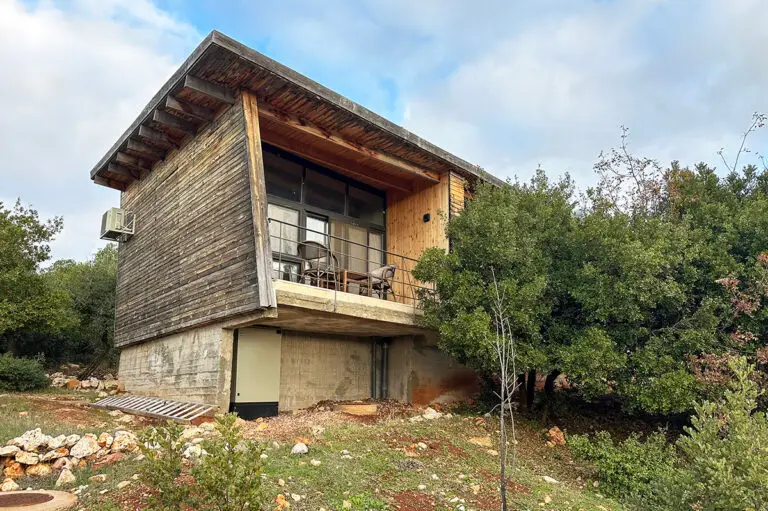
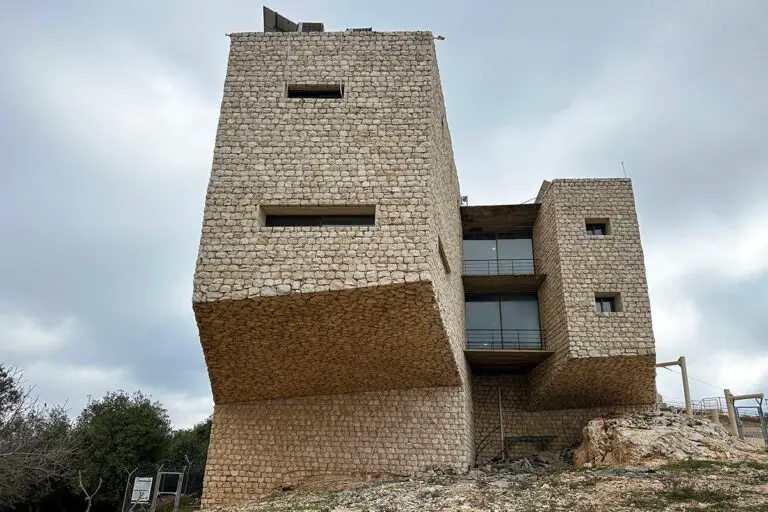
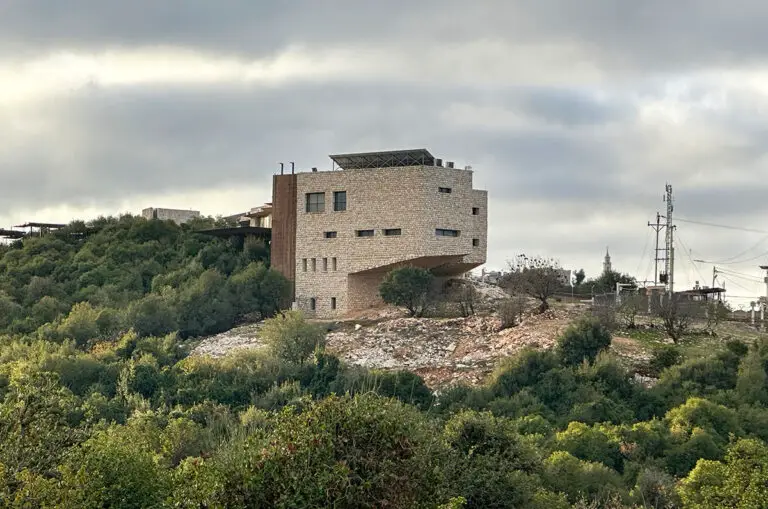
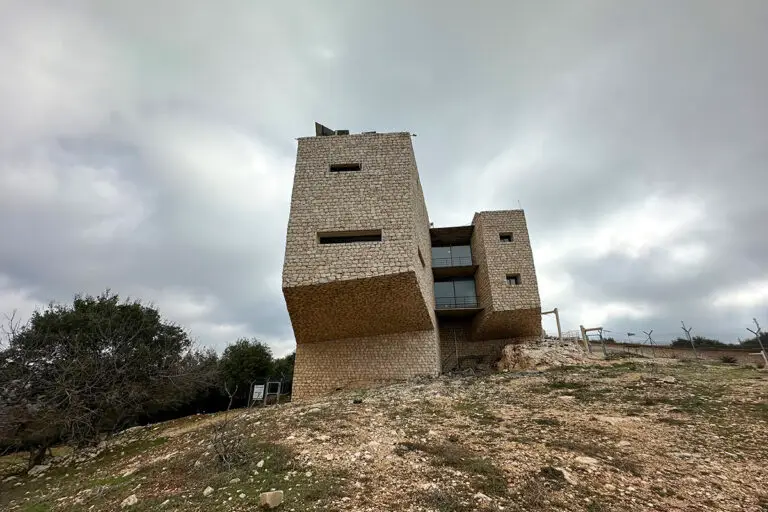
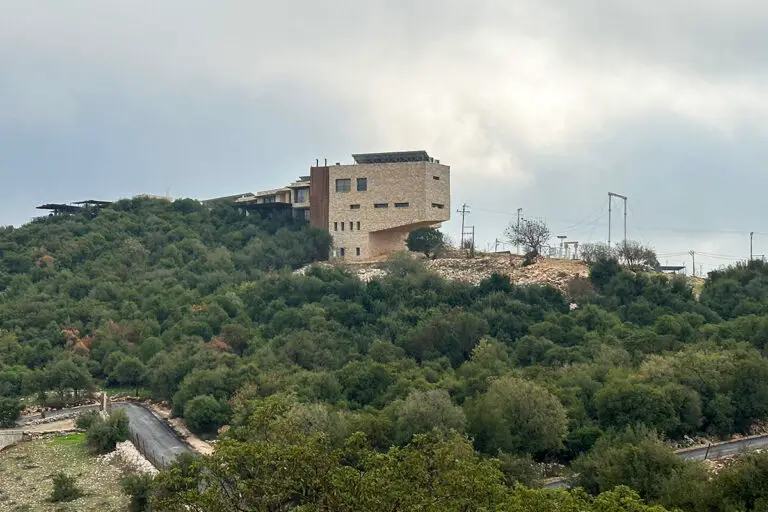
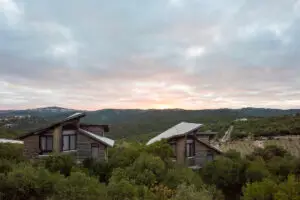
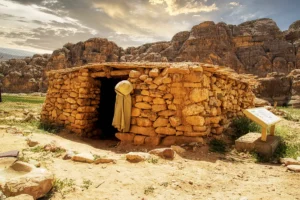
One of the reserve’s defining features is its eco-friendly forest cabins, which allow guests to stay overnight without compromising the natural environment. Designed to blend into the landscape, the cabins use sustainable principles and controlled capacity to limit environmental impact.
Spending the night inside the reserve offers a deeper connection to the ecosystem — from evening forest sounds to early-morning bird activity — reinforcing the value of quiet, immersive travel over high-volume tourism.
Community-Based and Responsible Tourism
Eco-tourism at Ajloun extends beyond environmental protection. The reserve actively supports local communities through employment, training, and partnerships, ensuring that tourism benefits those who live alongside the forest.
This approach creates a sustainable cycle: protecting natural resources, strengthening local livelihoods, and offering visitors an authentic experience rooted in place rather than mass development.
Education, Awareness, and Long-Term Impact
The Ajloun Forest Biosphere Reserve functions as an open-air classroom, promoting environmental awareness for visitors of all ages. Schools, families, and eco-travellers leave with a clearer understanding of Jordan’s natural heritage and the importance of preserving it for future generations.
By choosing Ajloun, visitors contribute directly to conservation efforts, habitat protection, and responsible land management — turning travel into a positive force.
Why Ajloun Matters
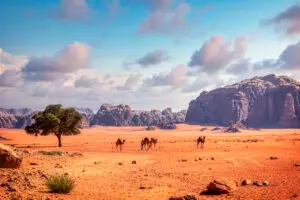
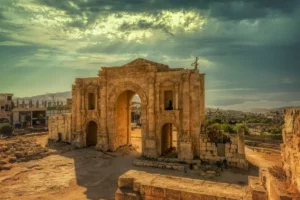
In a region often defined by its deserts and archaeological wonders, the Ajloun Forest Biosphere Reserve offers a different narrative — one of green landscapes, ecological resilience, and sustainable tourism.
Key Moments in History
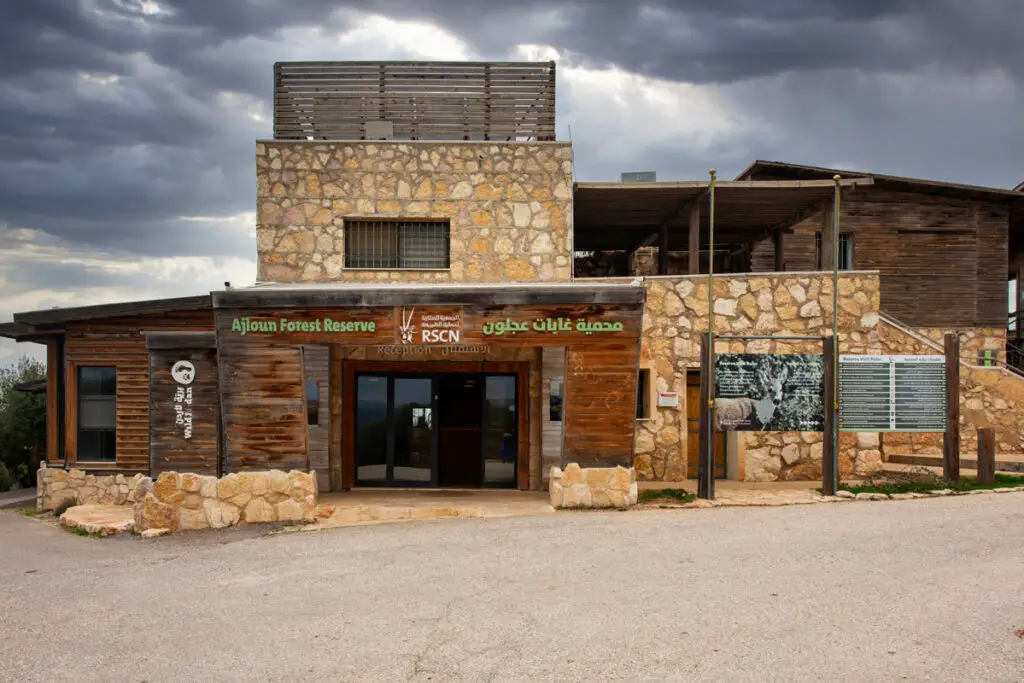
1987 – Ajloun Forest Reserve is established by the Royal Society for the Conservation of Nature (RSCN) to protect Jordan’s remaining Mediterranean forest ecosystems.
1990s – Conservation programs expand, focusing on forest protection, biodiversity monitoring, and environmental awareness.
Key Moments in History
1987 – Ajloun Forest Reserve is established by the Royal Society for the Conservation of Nature (RSCN) to protect Jordan’s remaining Mediterranean forest ecosystems.
1990s – Conservation programs expand, focusing on forest protection, biodiversity monitoring, and environmental awareness.
2000s – Community-based eco-tourism initiatives are introduced, creating local jobs while supporting conservation.
Recent decades – Roe deer are reintroduced to the reserve, marking a major success in wildlife restoration.
Today – The reserve stands as a leading model of eco-tourism in Jordan, combining conservation, education, adventure activities, and sustainable overnight stays.