

Near Jordan’s southern border, a battered sandstone fort recalls two eras of desert travel: the Hajj caravans that drew water here for centuries, and the railway that replaced them. In 1918 the station beside it was taken in one of the last battles of the Arab Revolt.
Where Is Qal’at Mudawwara?
The fort stands near the village of al-Mudawwara, Jordan’s southernmost settlement, about 100 km south-east of Ma’an and about 15 km from the Saudi border. The railway station lies about 3 km to the east. There are checkpoints on the way, so carry your passport, and a 4×4 is needed.
Historical Context and Origin
Mudawwara was a halt on the pilgrim road as early as the 9th century. The fort, its reservoir and a paved road were built in 1730–33 under Abdullah Pasha al-Aydinli, governor of Damascus, who also built the bridge at Qal’at Al-Hasa. When the Hejaz Railway reached Mudawwara in the 1900s, its station became important for one reason: water.
Architectural Design
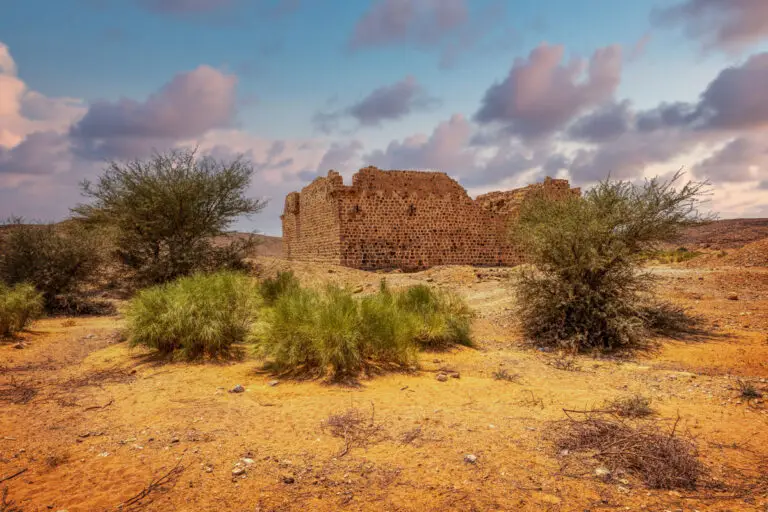
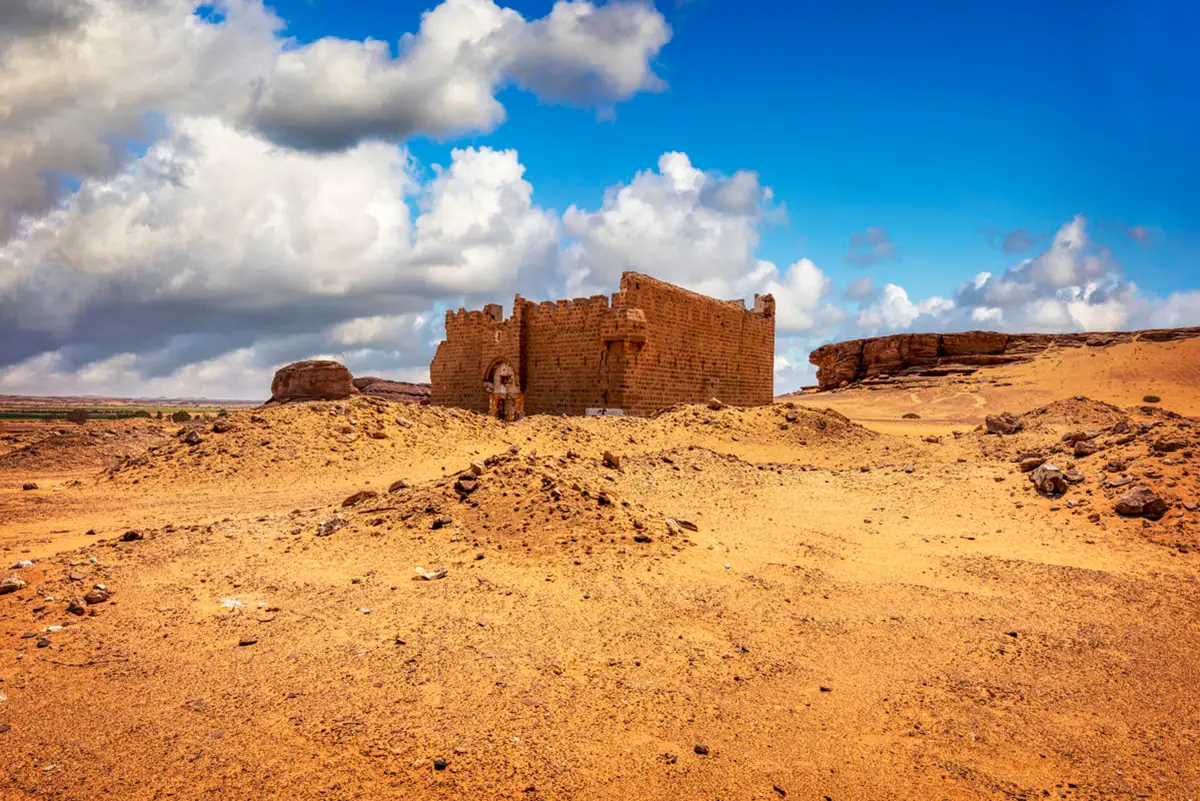
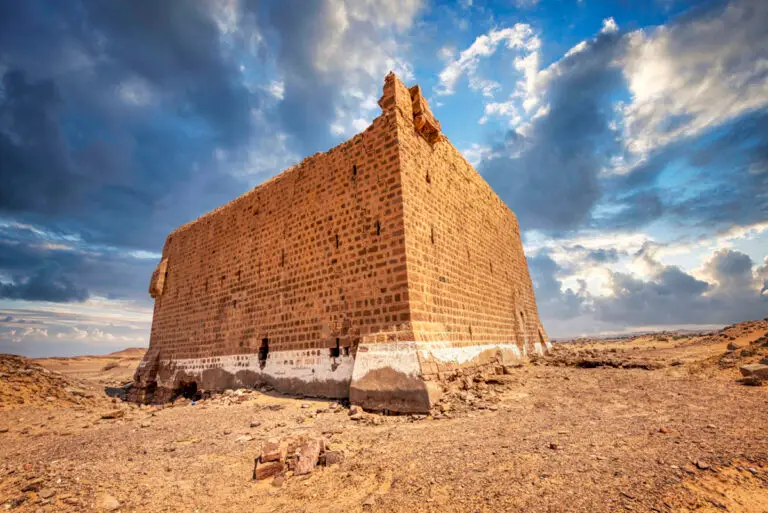
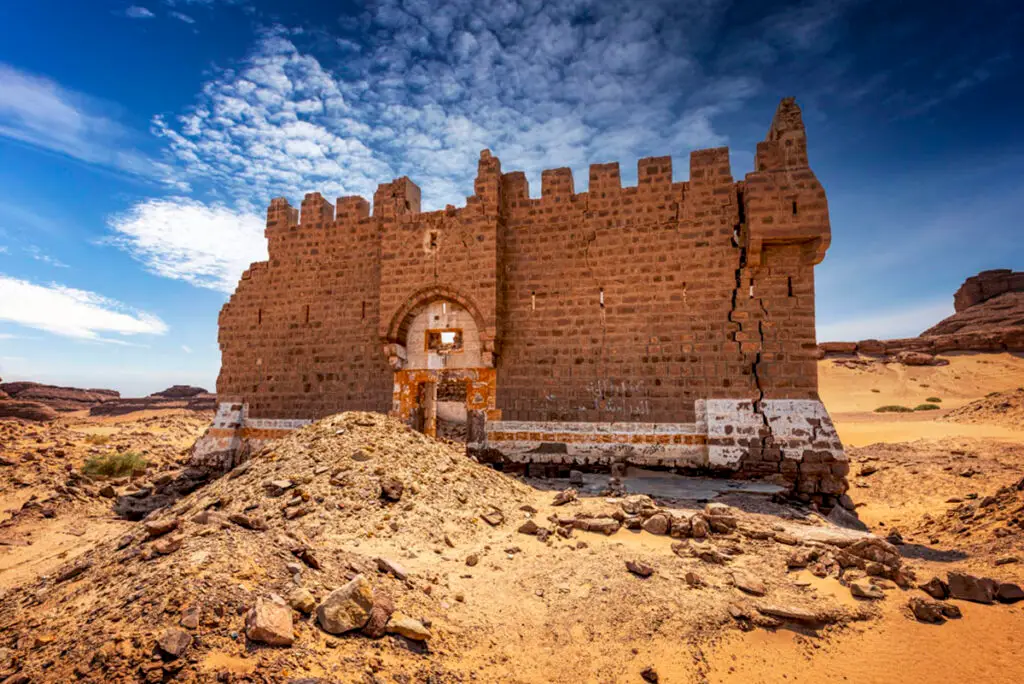
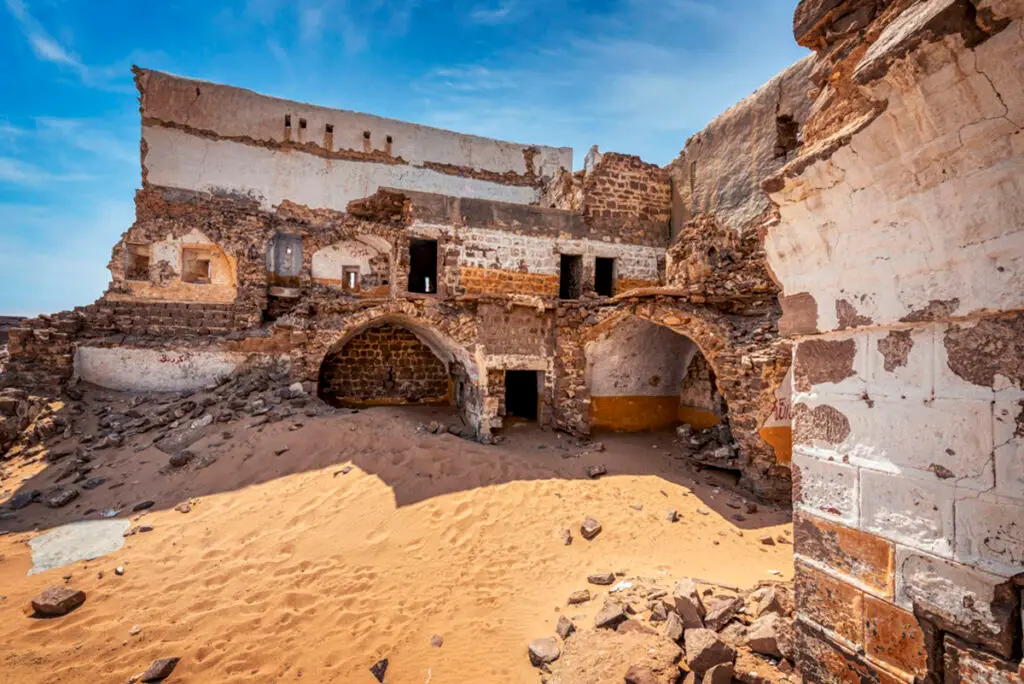
The fort is a square of about 19 × 19 m, built of sandstone and up to about 9 m high, with small towers at the upper corners and two rows of slit windows. The gate in the east wall is protected by a large machicolation carried on corbels. A vaulted passage leads to a courtyard of about 8 × 8 m, surrounded by nine vaulted rooms on each of two floors.
The Fort
A sandstone square of 1730–33 with a machicolated gate.
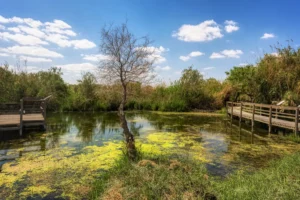
Water
A reservoir that made Mudawwara a key stop for caravans and trains.
Arab Revolt
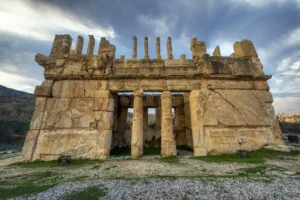
The station Lawrence scouted in 1917 and the Camel Corps took in 1918.
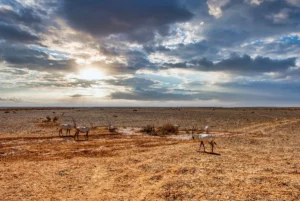
Desert Setting
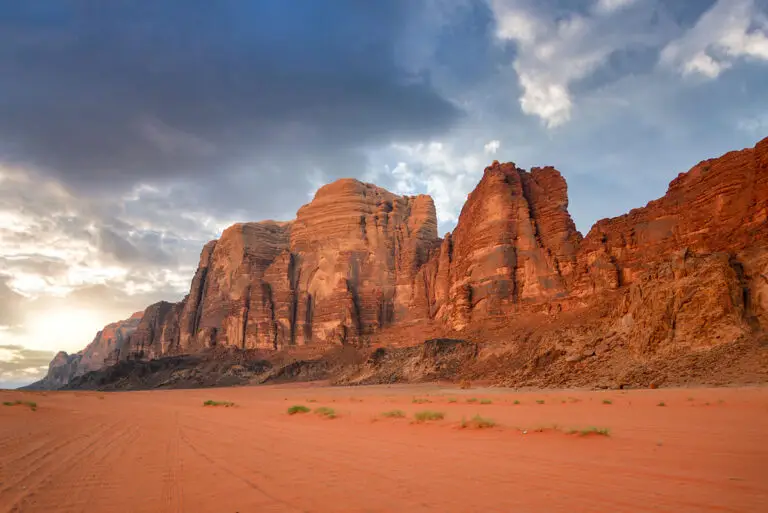
Flat sand and sandstone hills near the border.
Lawrence and the Battle for the Station
In September 1917 T. E. Lawrence scouted Mudawwara station but judged its garrison of about 200 men too strong; two days later he mined a train at Hallat Ammar, further south. On 8 August 1918 two companies of the Imperial Camel Corps under Major Robert Buxton, with air support, stormed the station before dawn, taking about 150 prisoners. They blew up the wells, the pumps and the great water tower. The day before, British troops had used the empty fort as a first-aid post.
Destruction, Rediscovery, and Restoration
After the war the fort was used by the Transjordan Frontier Force and the Arab Legion. Treasure hunters later undermined its south wall with machinery, and fallen stone was taken for building; the fort is now close to collapse. Because it post-dates 1700 it has no legal protection, and it has not been restored. The Great Arab Revolt Project (2006–2014) studied the railway and battle sites along the line.
Visiting Qal’at Mudawwara Today
The fort is free to visit, with no facilities; come by 4×4. Keep clear of the unstable south wall, and allow about 30 minutes. See our Qal’at Mudawwara travel guide for directions.
Further reading: Petersen, The Medieval and Ottoman Hajj Route in Jordan (2012); EAMENA — The Ottoman Hajj Forts of Southern Jordan; Discover Islamic Art — Mudawwara Fortress (M. Najjar).