








Ten years ago, we visited three of the oldest zoos in Amman — Yadoudah Zoo, The Jordan Zoo, and Ghamadan Zoo.
Back then, we left with a heavy feeling. I remember walking out thinking less about the animals we had seen and more about how they seemed to be living. The cages felt small. Some animals looked stressed. The entire environment had a cluttered, unfinished atmosphere. There was construction equipment scattered around, machinery that felt more suited to an amusement park than to a place meant for wildlife.
A decade later, we decided to return — partly out of curiosity, partly out of hope. We wanted to see whether time had brought meaningful improvements. Had the enclosures expanded? Had the construction ended? Had the overall atmosphere shifted toward something more humane and educational?
Here is what we found.
Layout and Enclosures: A Familiar Disappointment
I compared the photos I took ten years ago with the ones from this recent visit. To my surprise — and disappointment — very little seems to have changed.
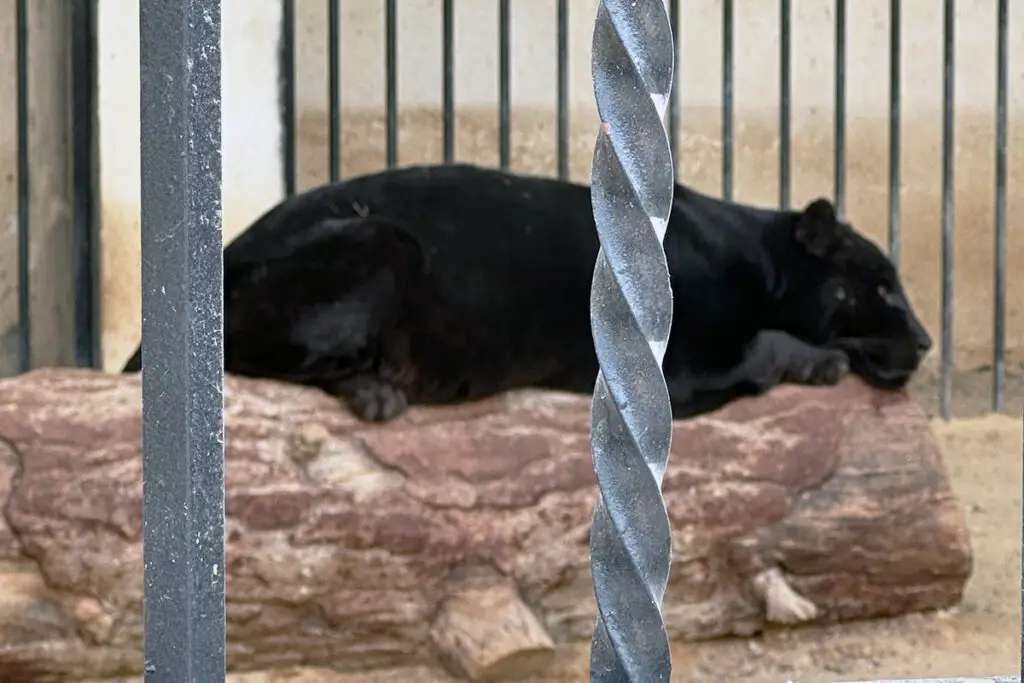
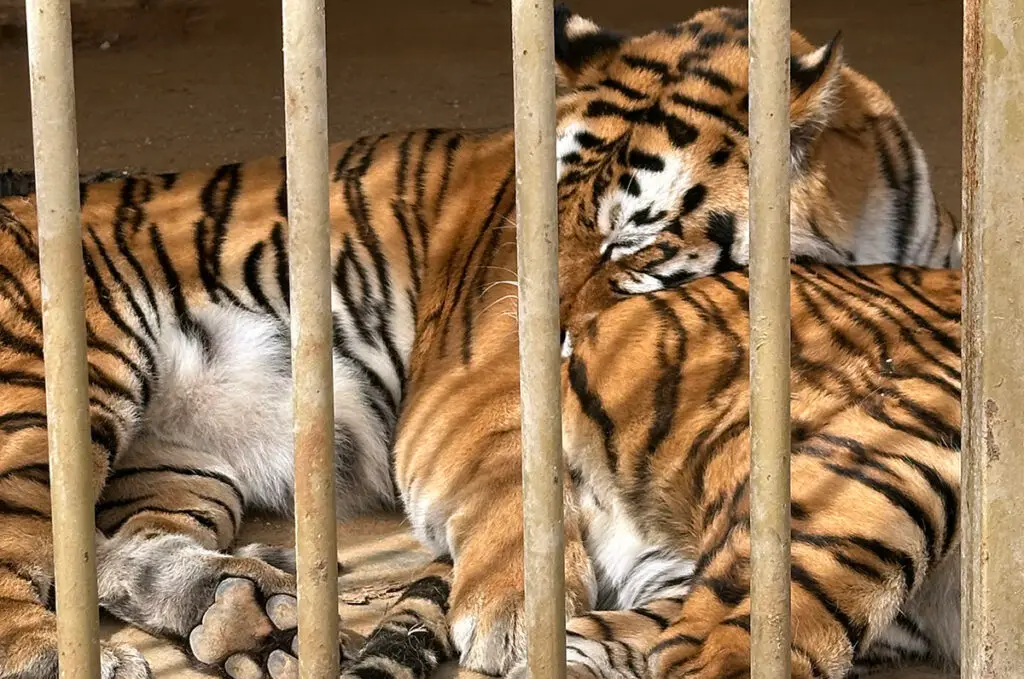
The enclosures still appear small and restrictive. They resemble cages more than habitats. Instead of creating the illusion of space, safety, and natural surroundings, many areas feel tight and exposed. When you’ve visited well-designed zoos abroad, where animals roam in larger, enriched environments, the contrast becomes even more noticeable.
Construction is still ongoing. After ten years, the area still feels like a work-in-progress. It’s hard to understand what could take a decade to complete. The machinery that puzzled us during our first visit is still there — and in some places, there seems to be even more of it. Heavy equipment, metal structures, and unfinished sections give parts of the zoos the look of an abandoned amusement park rather than a wildlife sanctuary.
Instead of feeling immersed in nature, you often feel surrounded by infrastructure.
Animal Variety: Fewer Species Than Before
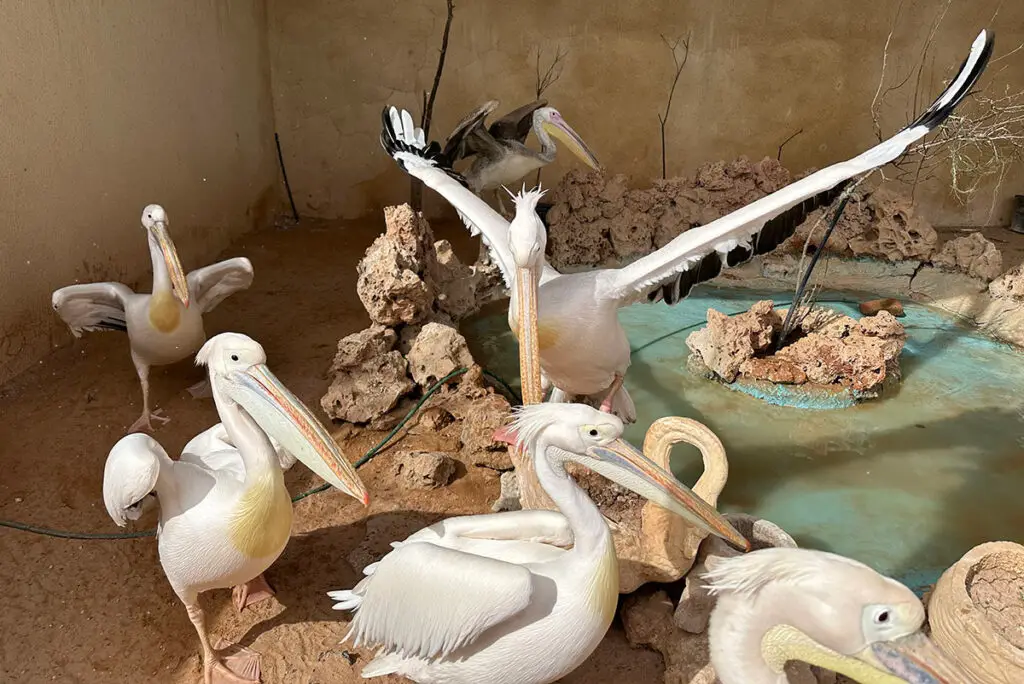
All three zoos still feature the “headline” animals — lions and tigers, along with bears, hyenas, monkeys, and various birds. These remain the central attractions and, naturally, the most photographed.
However, compared to our visit ten years ago, the variety feels smaller. One noticeable absence is the small cats that we remember seeing before. Whether due to logistical challenges or other reasons, the overall diversity appears reduced.
For children, the big animals are exciting — no doubt. Hearing a lion roar is always powerful. But a truly engaging zoo experience also depends on variety: smaller species, educational displays, and interactive learning elements. That dimension feels limited.
Animal Interactions: A New (and Controversial) Addition
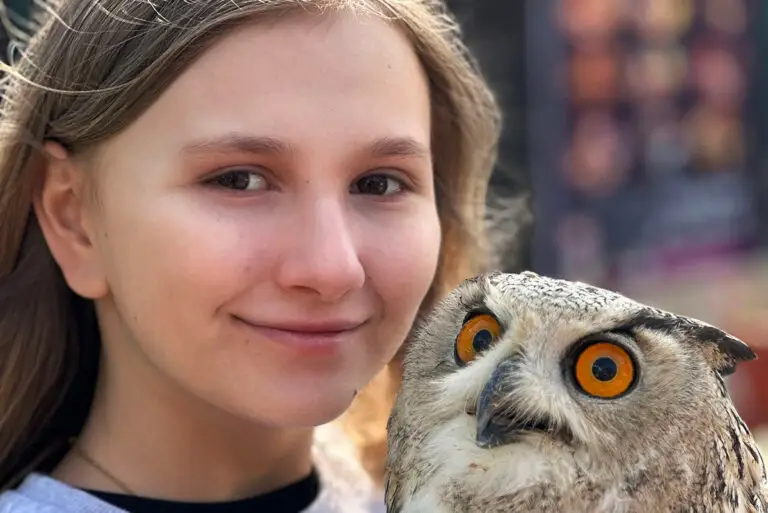
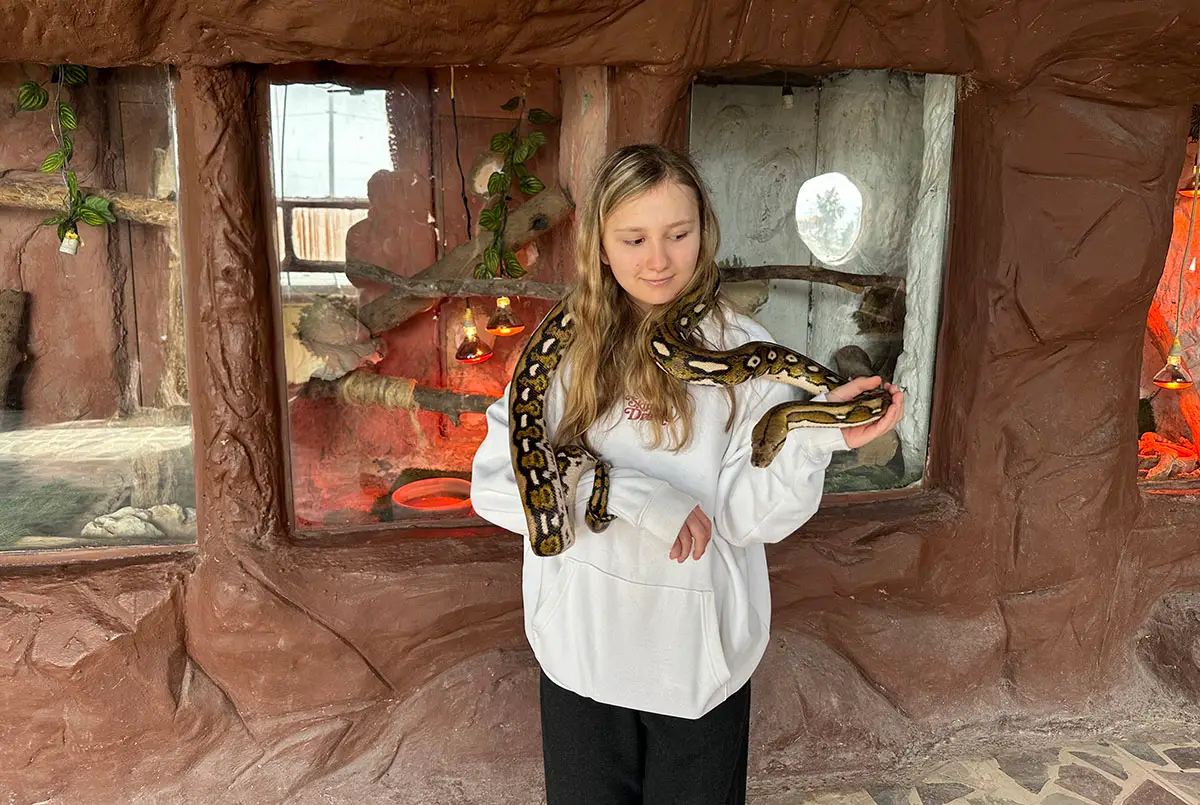
One noticeable change is the addition of reptile sections. Visitors can now, for an extra fee, hold a snake or a parrot. In Ghamadan Zoo, there is even the possibility of holding a monkey.
On one hand, this clearly adds excitement. Children (and many adults) are thrilled by the opportunity to get that close to an animal. It creates memorable photos and moments.
On the other hand, it raises questions. Is this interaction enriching for the animals? Or is it primarily a revenue stream? Watching animals repeatedly handled by visitors makes you wonder about stress levels and long-term well-being.
It’s an addition that brings mixed feelings — entertaining for visitors, but ethically complex.
Visitors and Public Behaviour
Unfortunately, one aspect that has not changed at all is visitor behaviour.
We observed people shouting at animals, banging on enclosures, and attempting to feed them chips and other junk food. Despite signage and staff presence, this behavior persists.
It’s disheartening — not only because it disturbs the animals, but because it highlights a broader issue: the lack of public education about wildlife respect and conservation. Zoos have the potential to serve as educational spaces, teaching empathy and responsibility. But without active guidance and enforcement, they can easily become chaotic.
Improving animal welfare must go hand in hand with improving visitor awareness.
The Emotional Experience
What struck me most during this visit was not anger — but a sense of stagnation.
Ten years is a long time. In a decade, cities transform. Technologies advance. Standards evolve. I had hoped to see visible progress: larger habitats, modernized facilities, improved educational materials, shaded seating areas, structured pathways, and a stronger conservation message.
Instead, the changes feel minimal.
There are still positive elements. The zoos remain affordable and accessible for families in Amman. Children are genuinely excited to see animals up close. For many local families, this may be the only opportunity to encounter wildlife beyond television screens.
But accessibility should not come at the cost of animal welfare.
What Needs to Change
If these zoos are to truly evolve, several improvements feel essential:
Expanding and modernising enclosures into more natural habitats
Completing or removing prolonged construction areas
Reducing unnecessary amusement-style machinery
Enhancing educational signage and conservation messaging
Strictly enforcing rules against cage-banging and inappropriate feeding
Reevaluating close-contact animal handling practices
These changes are not cosmetic — they are foundational.
Final Thoughts
Returning after ten years was an emotional experience. I wanted to see a transformation. I wanted to feel proud. Instead, I felt a mixture of nostalgia and disappointment.
The three zoos — Yadoudah Zoo, The Jordan Zoo, and Ghamadan Zoo — still hold potential. They still attract families. They still offer moments of excitement for children.
But potential alone is not enough.
Ten years should bring visible progress. I hope that when we return again — perhaps another decade from now — the story will be different. I hope we’ll walk out not with a sense of stagnation, but with the feeling that real care, education, and long-term vision have finally shaped these spaces into something worthy of the animals they house.